
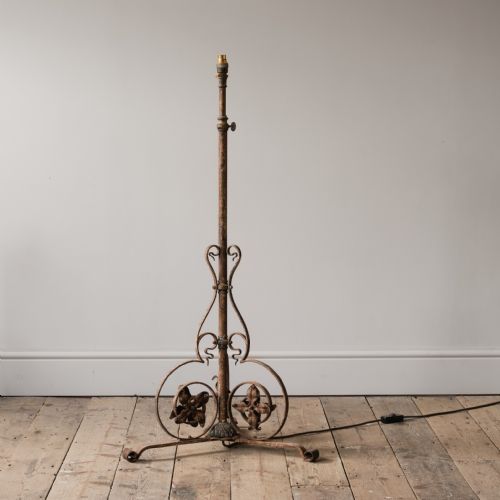
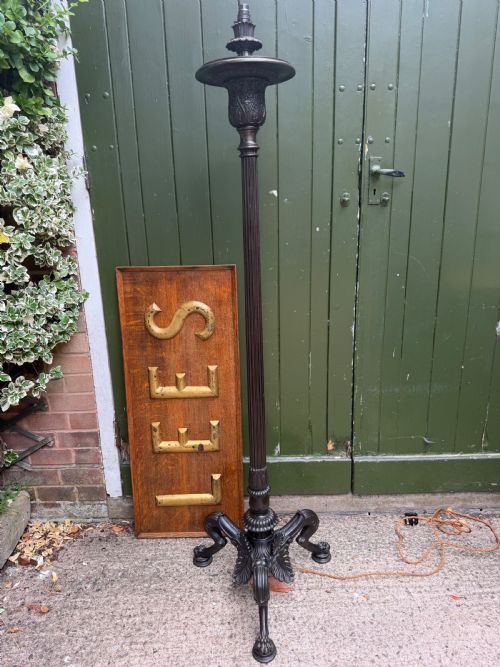
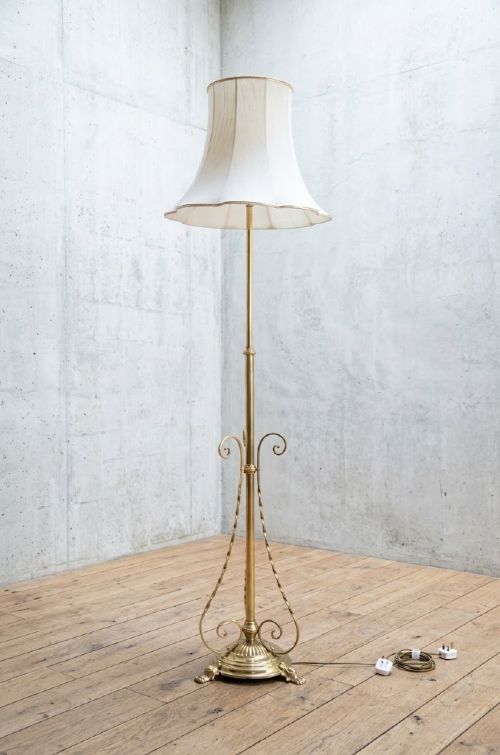
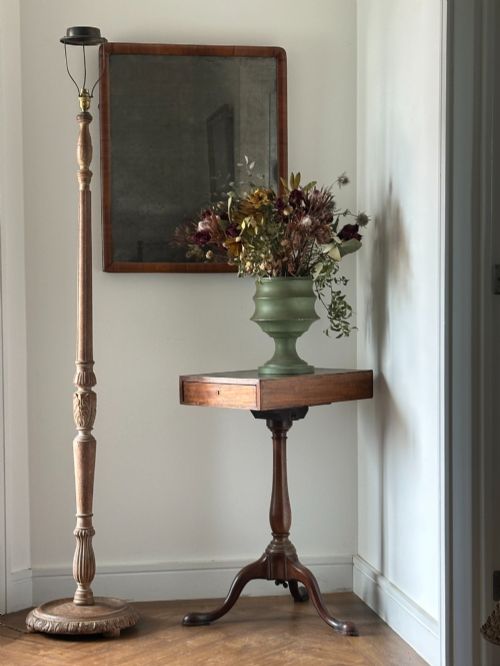
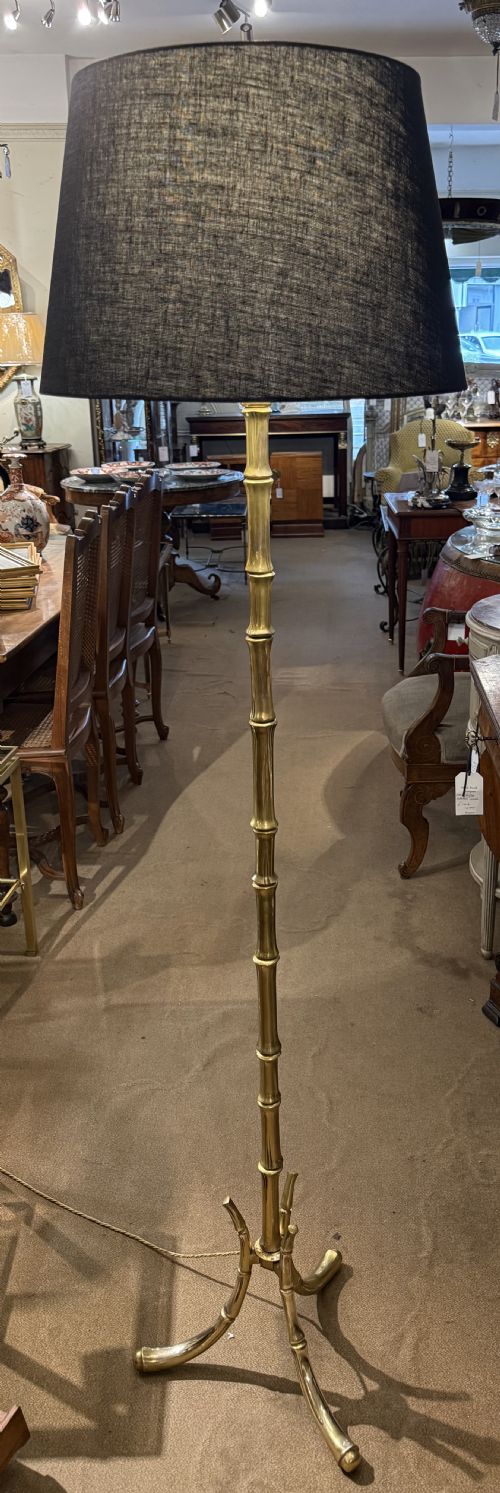

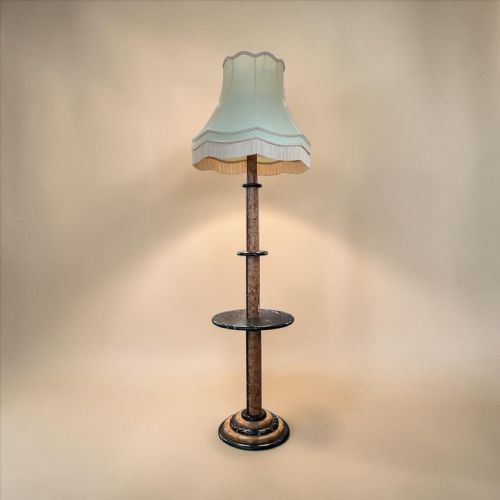
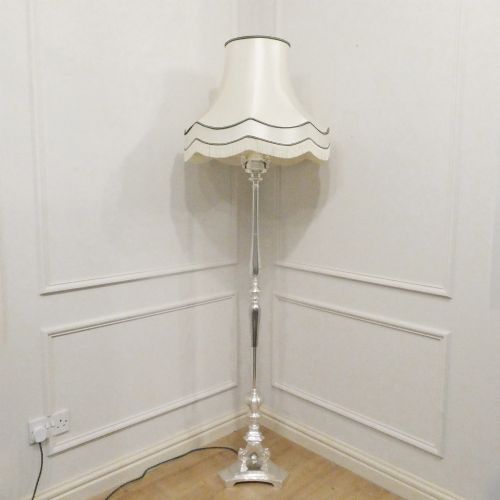
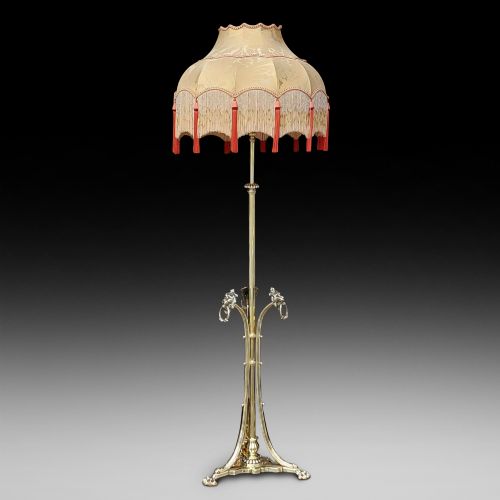
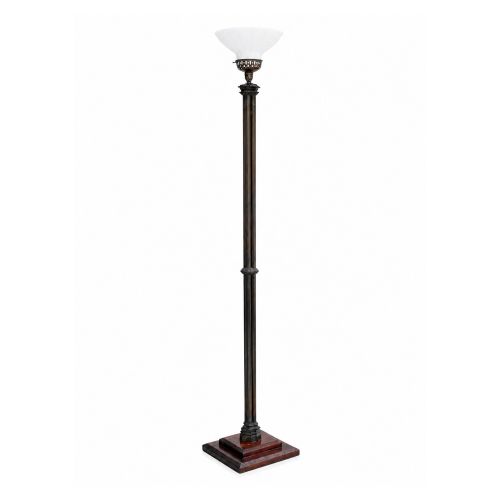
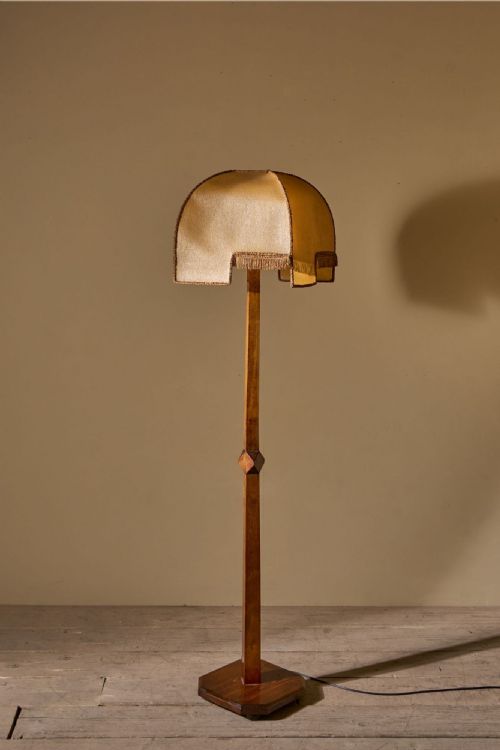
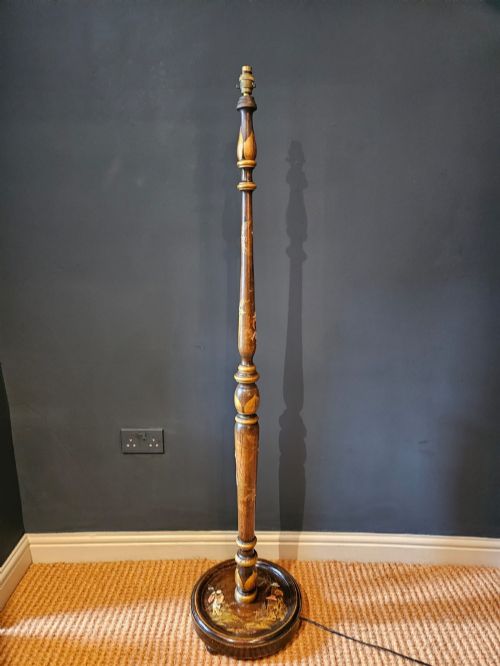
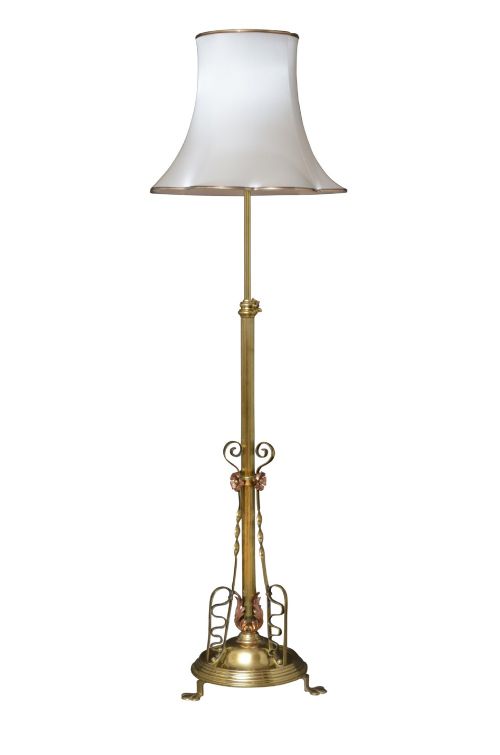
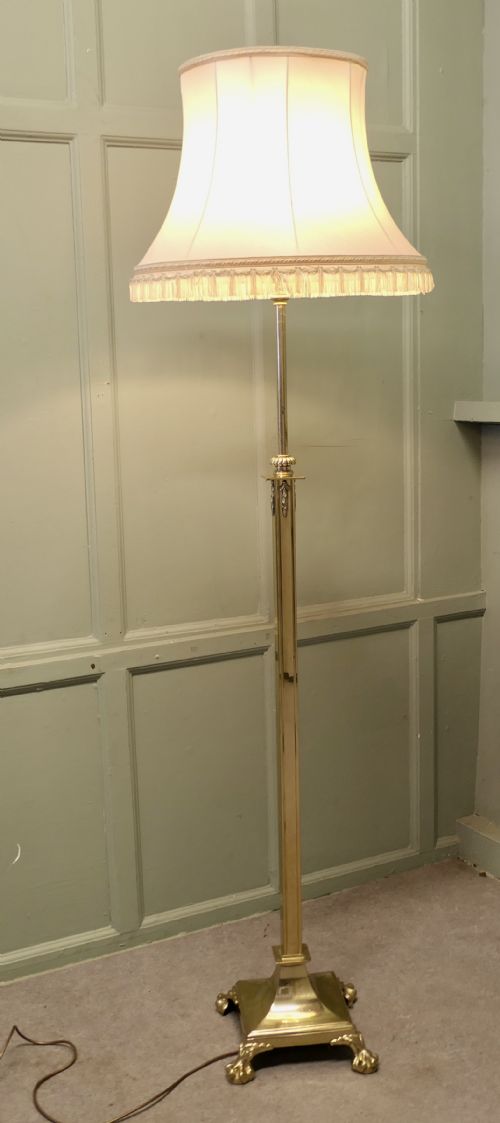
Vintage Floor Lamp
A vintage floor lamp brings height and focused illumination to a room, ranging from early oil standards to 1930s art deco designs.
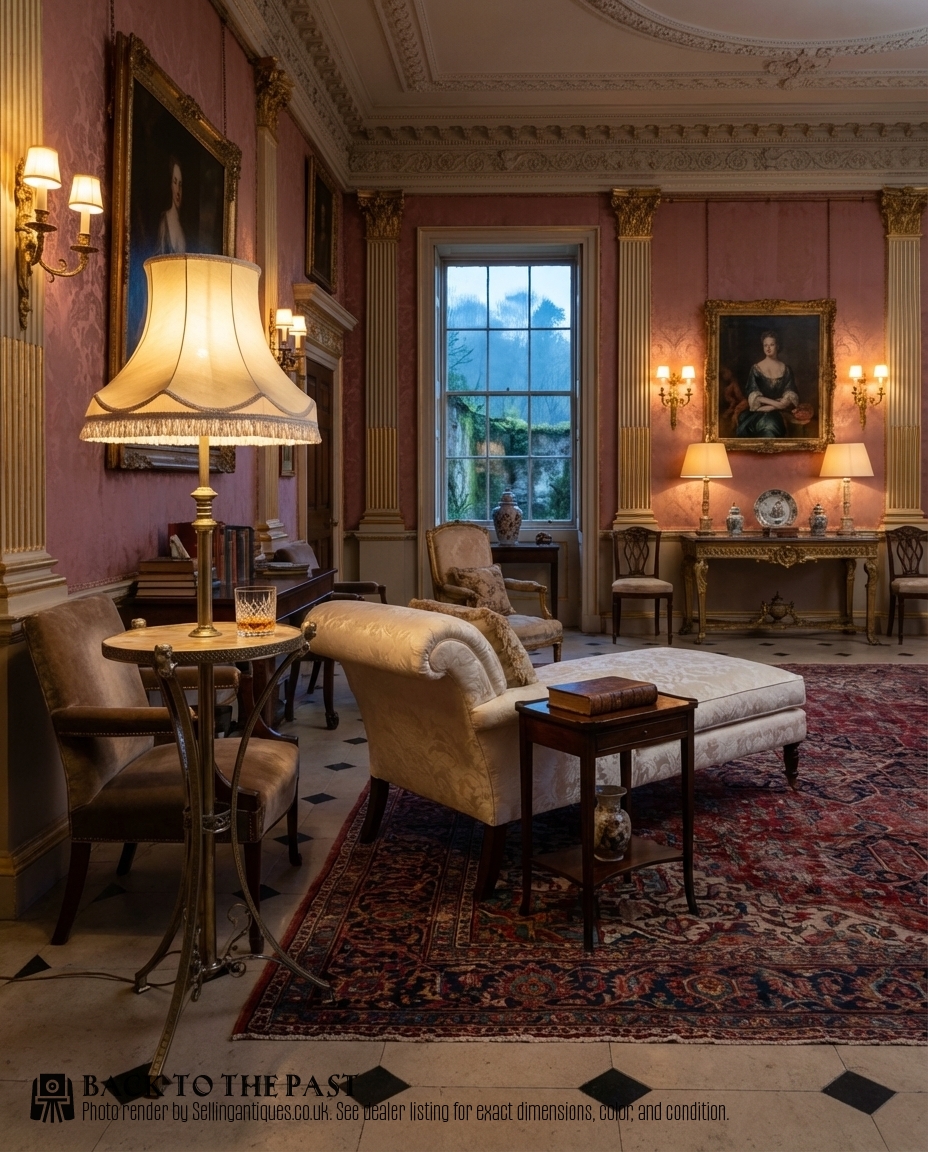
Vintage Floor Lamp
A vintage floor lamp serves as both a primary lighting source and a substantial piece of furniture, designed to stand directly on the floor. When exploring vintage floor lamps, buyers encounter forms that evolved from heavy Victorian oil standards into adjustable electric columns.
The selections span distinct periods including the Victorian era, the Edwardian period, and the 1930s. Standard lamps and floor lamps appear frequently alongside specialised forms like lantern stands and torchere pedestals.
Materials range from carved walnut and oak to polished brass, bronze, and decorated lacquer. Buyers most commonly meet brass and wooden examples from the early decades of the twentieth century.
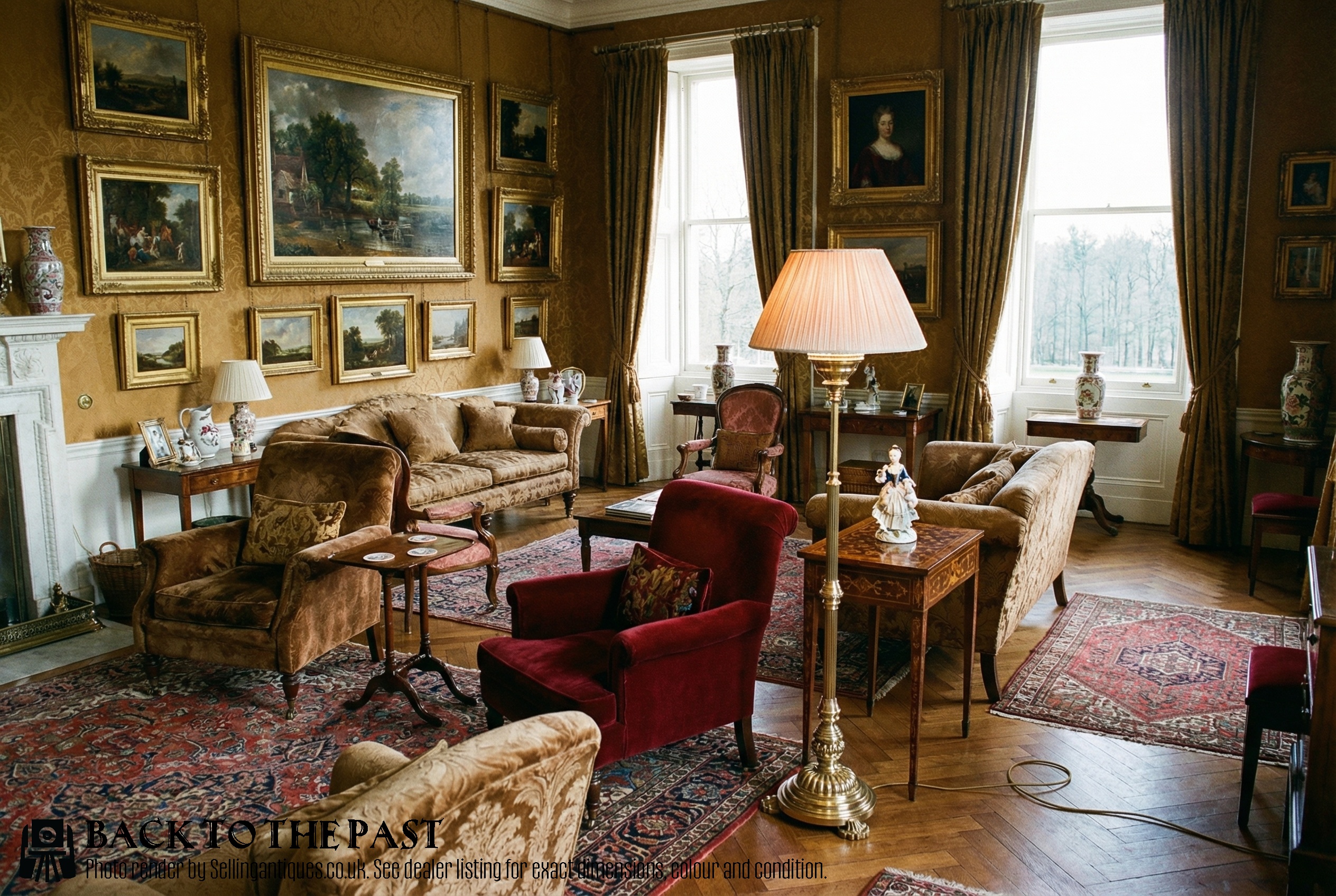
Materials and construction methods
Makers utilised solid metals and dense timbers to ensure stability across tall vertical shafts. Brass, bronze, and silver-plated elements appear alongside turned woods such as walnut, oak, and satinwood, often supported by heavy cast bases or marble platforms.
Construction techniques include mechanical adjustment mechanisms for height variation, telescopic shafts, and specialised surface treatments like black lacquer, giltwood, and patination. Fabric, vellum, and wicker shade components complement the rigid upright structures.
Vintage Floor Lamp Retail Price Guide 2026
Typical asking prices for vintage floor lamp among the pieces listed under this phrase on Sellingantiques today, from the lower quarter to the upper quarter. They describe what is for sale here now, not the wider market.
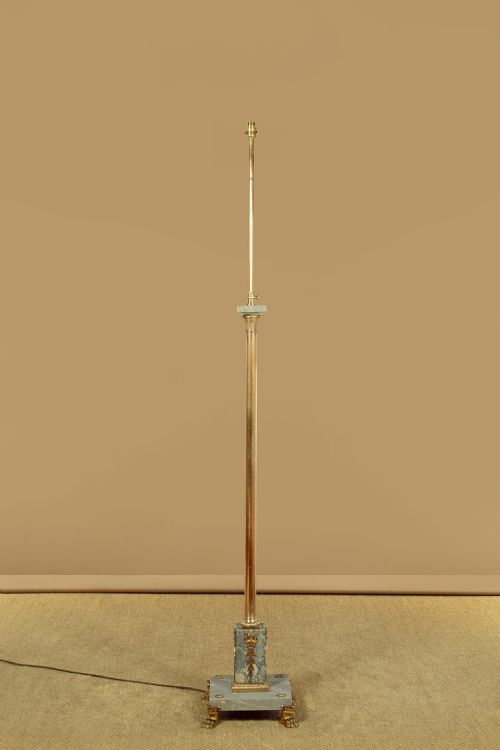
One towering nineteenth-century candidate comes equipped with a bronze patinated cast-iron frame built along classical Grecian lines.
Assessing quality in floor lighting
Quality rests in the substance of the materials and the precision of the mechanics rather than mere decorative surface. Heavy gauge brass, solid hardwoods, and substantial marble bases provide the structural integrity required for tall floor standing pieces.
Superior examples demonstrate refined craftsmanship in hand-carved timber, intricate metal casting, and smooth-operating height adjustment mechanisms. The integration of period details, such as classical Grecian motifs or chinoiserie decoration, distinguishes finer pieces from standard utilitarian lighting.
Maison Bagues·Hinks of B'ham·WMF·Lloyd Loom
The Vintage Floor Lamp Glossary
- Standard lamp
- A traditional British term for a floor lamp designed to hold a single bulb and shade at height. These tall upright fixtures provide ambient or reading illumination in sitting rooms.
- Torchere
- A tall ornamental stand or floor lamp, often featuring a figural statue or classical pedestal design. Originally intended to carry a torch or candle, later versions support electric light.
- Bouillotte lamp
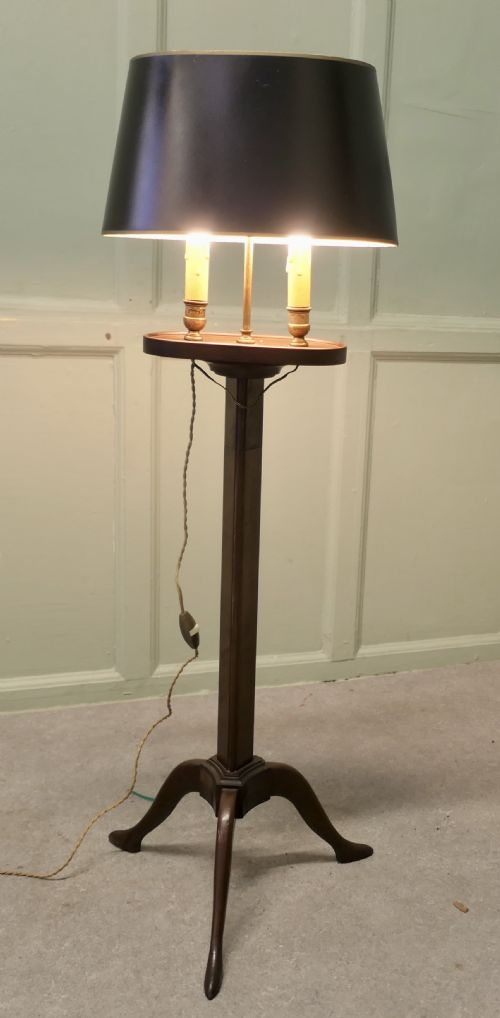
- A shaded task lamp featuring multiple candle arms or light sources arranged around a central column. These traditionally sat on tables but also appear as taller floor versions.
- Chinoiserie
- A decorative style reflecting European interpretations of Chinese and East Asian artistic traditions. Pieces featuring this style typically display hand-painted lacquer work in crimson or black finishes.
Vintage Floor Lamp: Frequently Asked Questions
How do I style a vintage floor lamp?
Position a vintage floor lamp beside a reading chair or in an empty corner to add vertical height to a room's interior scheme. The piece anchors the space while casting warm light downwards.
Choose shades that complement the period of the standard, whether pairing an art deco base with vellum or a Victorian brass column with fabric.
Were these lamps originally electric?
Many older examples began life as oil lamps or candle stands before being adapted for electricity during subsequent decades. Telescopic brass columns and heavy oil reservoirs often show evidence of past conversions.
Buyers should examine the internal wiring to ensure modern safety standards while preserving the original exterior fittings.
How do I date a standard lamp?
Examine the materials, base weight, and decorative motifs to determine the likely period of manufacture. Victorian and 19th-century examples frequently feature heavy cast-iron or brass oil reservoirs and classical revival details.
Later 1930s pieces often display streamlined art deco geometric lines, satinwood finishes, or oriental lacquer work.
Are telescopic floor lamps adjustable?
Many vintage floor lamps incorporate sliding mechanisms designed to alter the overall height of the light source. Blacksmith-made and brass standards from the 19th and early 20th centuries commonly feature these extending shafts.
Careful inspection of the adjustment screw or collar reveals how the metal mechanism secures the inner column at the desired elevation.