



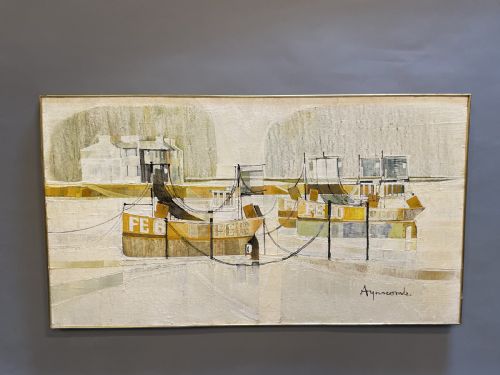
Vintage Fishing Painting
When you search for a vintage fishing painting, you step into coastal harbours, riverbanks, and open seas captured by artists from the Victorian era to the mid-twentieth century.
Vintage Fishing Painting
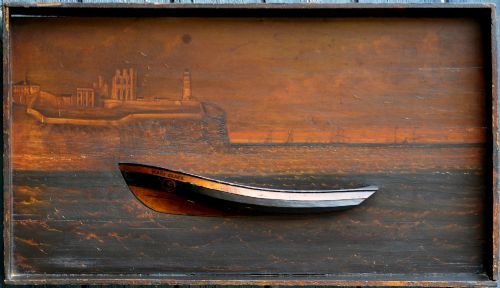
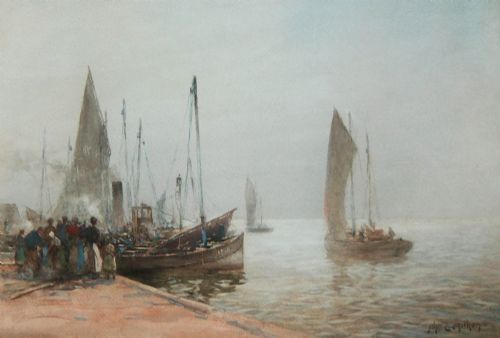
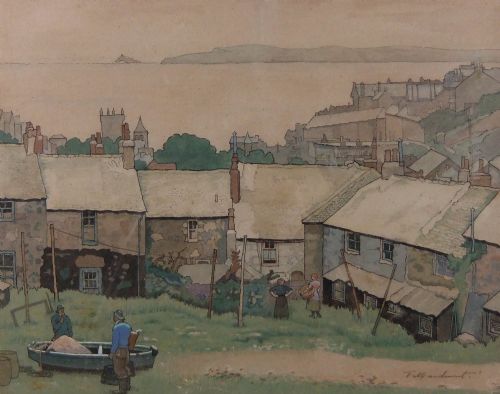
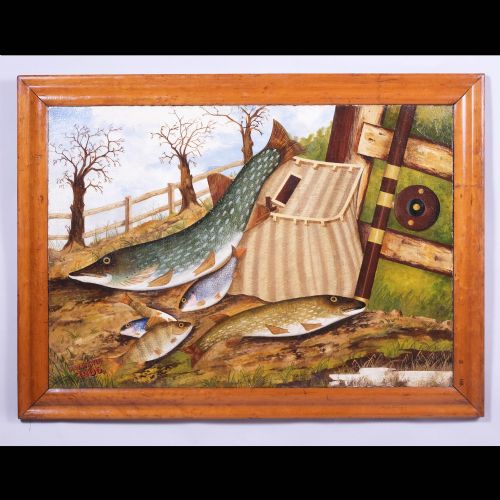
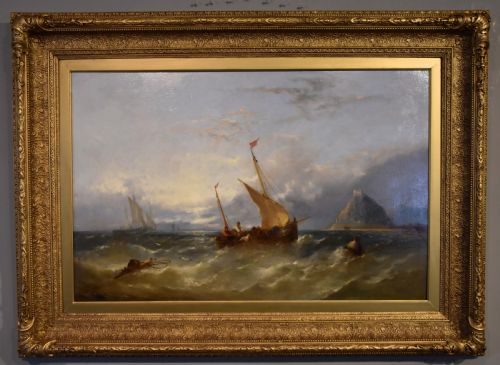
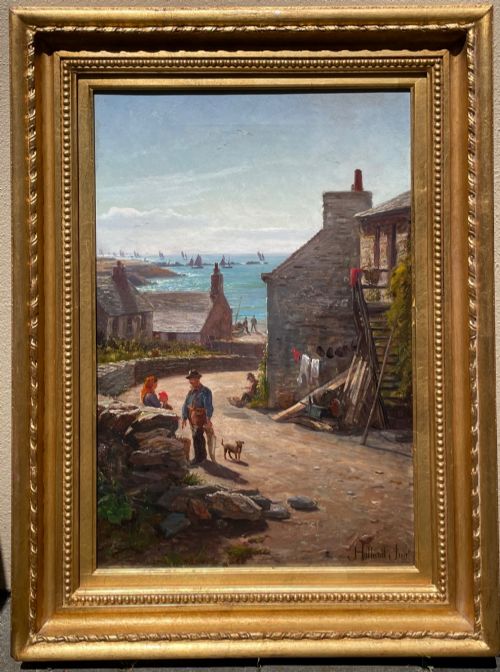
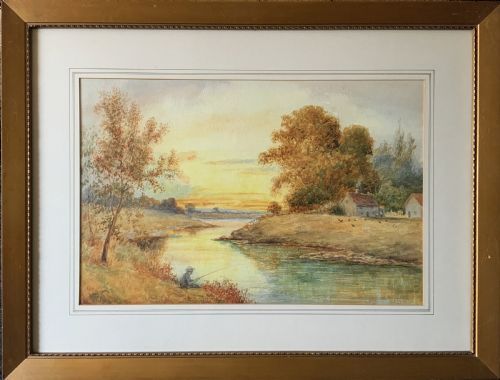
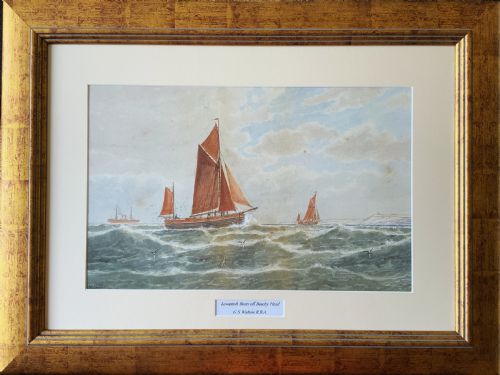
A vintage fishing painting captures maritime life, coastal villages, and anglers at work or leisure across the nineteenth and twentieth centuries. The selection ranges from detailed Victorian watercolours of Cornish harbours to mid-century oil paintings depicting trawlers and river scenes.
Most pieces date from the Edwardian period through to the 1960s, reflecting British Impressionism, maritime realism, and post-impressionist styles. You will frequently encounter framed watercolours on paper and oil paintings on canvas or board originating from coastal artist colonies such as St Ives and Whitby.
How they were made
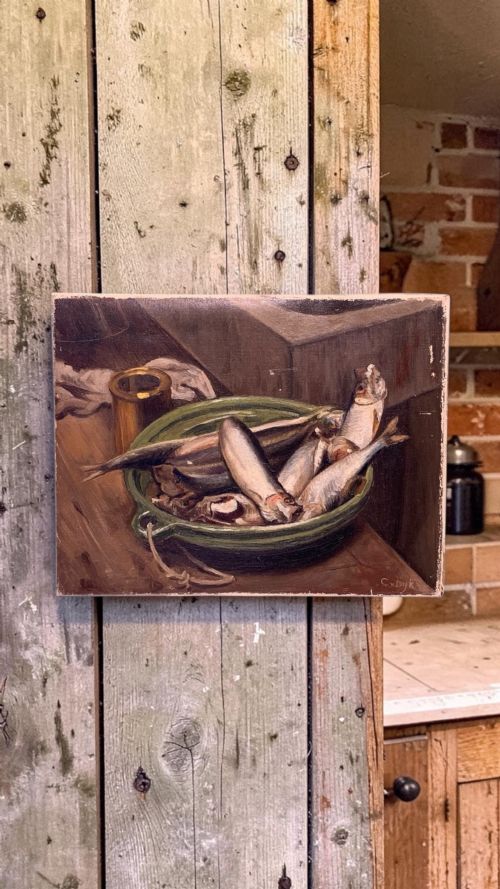
Artists utilised oil paint and watercolour pigment applied to canvas, paper, wood panels, or card to render coastal light and water movement. Many works are signed originals, combining traditional brushwork with framed wood presentations suited to marine subjects.
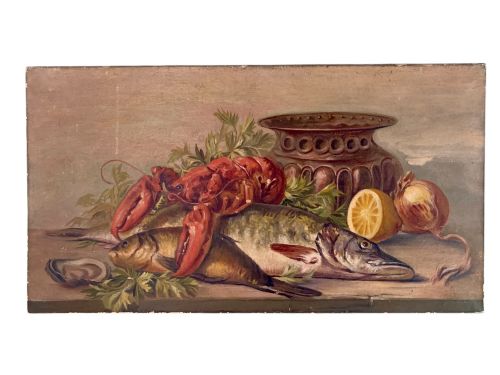
Several canvases manage to capture the exact moment a lobster meets its fate in a French still life.
What varies in quality
The distinction in quality lies in the artist's handling of light, atmospheric depth, and the specific rendering of marine architecture and rigging. Hand-painted works by recognised practitioners display a confident command of medium and pigment that elevates a standard coastal scene into a compelling historical record.
Kenneth Cozens·George Graham·James E. Aitken·Thomas Maidment·William Henry Williamson·Florence Adelina Hess·John Holland·George Stanfield Walters·Joseph Birbeck Senior·Alfred George Morgan·Edward Matthew Elliott·Charles Napier Hemy·Gyrth Russell·William Lee Hankey·Robert Leslie Howey·Tom Clough·Thomas Bush Hardy·T.S. Wallis·George Gregory·John Bell·Gustave de Breanski·Ernest F. Hill·Harry Davis·Emil Ekman
The Vintage Fishing Painting Glossary
- Watercolour pigment
- A water-based medium utilising finely ground colorants that produce translucent washes on paper. It requires precise brushwork because alterations are difficult to make.
- Oil on canvas
- A traditional painting technique where oil-based pigments are applied to stretched fabric. This combination allows for rich colour blending and textured impasto effects.
- Maritime realism
- An artistic style focused on accurate depictions of ships, coastal topography, and marine weather conditions. It prioritises precise observation over idealized landscapes.
- Impressionism
- A nineteenth-century movement characterised by relatively small, thin yet visible brush strokes and an emphasis on accurate depiction of changing light. Artists often worked outdoors to capture immediate visual impressions.
Vintage Fishing Painting: Frequently Asked Questions
How do I date a fishing painting?
Examine the materials, framing styles, and signature details alongside any biographical dates recorded for the artist. Costume details on figures and the style of watercraft depicted also offer reliable clues to the period.
Many works carry inscriptions, dates, or exhibition labels on the reverse of the canvas or frame that narrow down the exact decade of creation.
Where were these maritime scenes painted?
Artists frequently gathered in established coastal colonies such as St Ives and Whitby, or travelled to working harbours in Normandy and Italy. These locations provided endless subjects involving fishing boats, tides, and maritime communities.
Local topography and specific landmarks like St Michael's Mount often appear in the titles or inscriptions left by the painter.
How should I frame and display my painting?
Select a frame that complements the period of the artwork, such as a traditional gilt wood moulding for Victorian pieces or a simpler profile for mid-century works. Ensure the painting is glazed with UV-protective glass if it is a watercolour on paper.
Keep the artwork away from direct sunlight and damp environments to preserve the integrity of the canvas, paper, and pigments over time.
What is the difference between oil and watercolour?
Oil paintings utilise slow-drying paint applied to canvas, board, or panel, offering rich textures and deep colour saturation. Watercolours use pigment suspended in water on paper, resulting in lighter, translucent compositions.
Oils are typically framed without glass to allow the textured surface to breathe, whereas watercolours require glass protection against moisture and dust.