




Vintage Fire Bucket
A vintage fire bucket is a sturdy historical vessel that now serves as a robust log bin or fireside accessory.
Vintage Fire Bucket
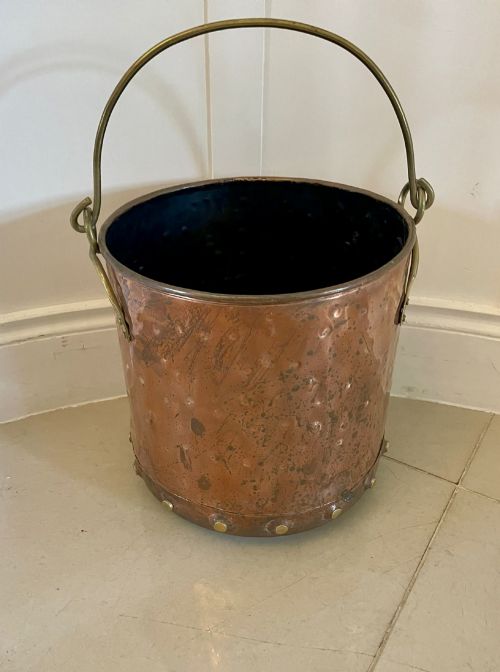
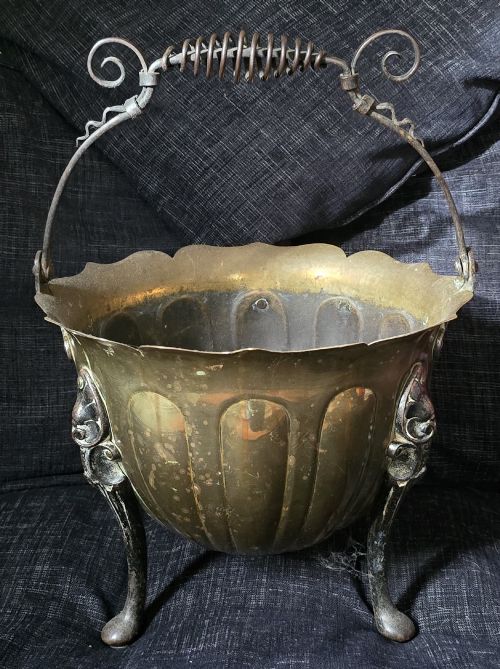
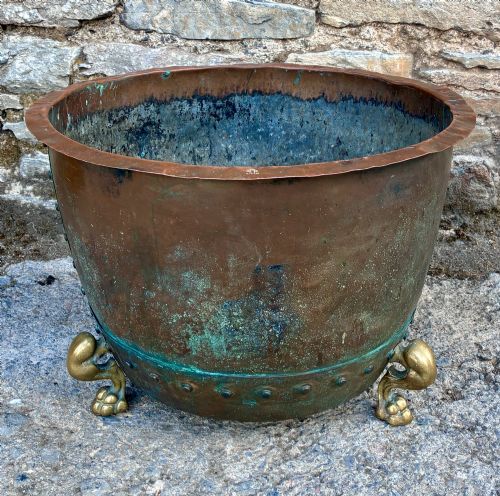
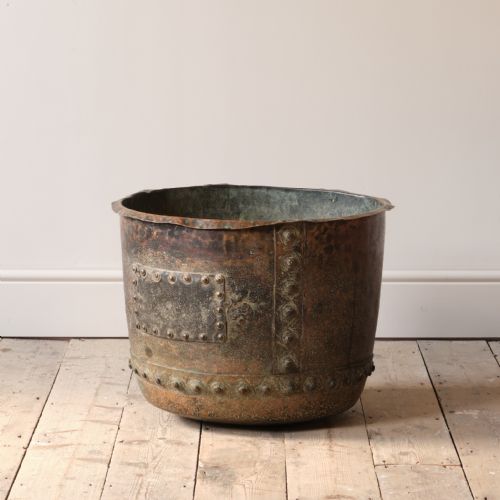
The most common iterations on this page are metal vessels, particularly riveted copper and brass buckets, alongside traditional boiled leather examples. Many feature sturdy metal handles and internal mountings that reflect their rigorous origins. Collectors also encounter coopered oak and mahogany tubs with brass bindings that served similar domestic and naval roles.
How they were made
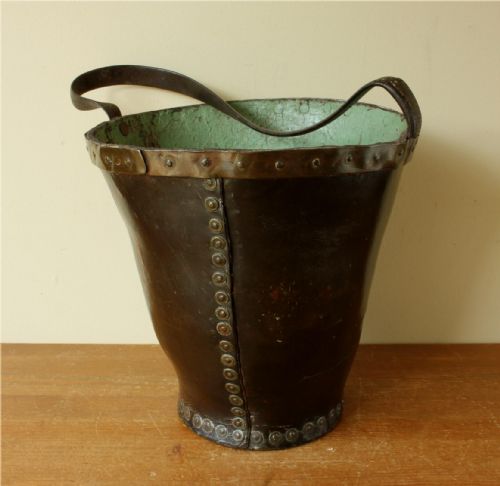
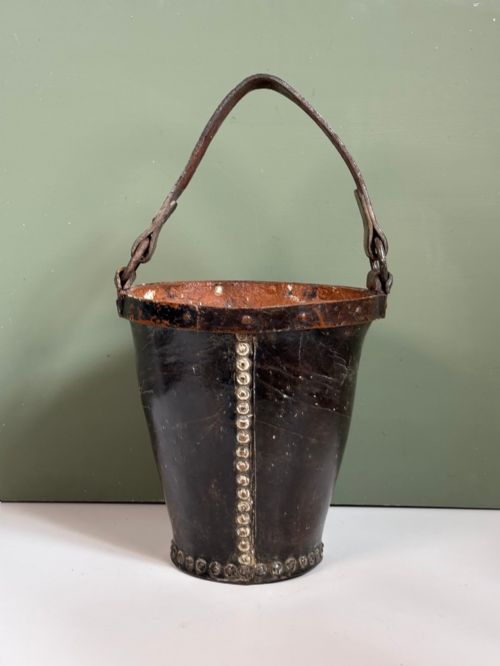
Makers constructed these vessels using heavy-duty materials chosen for durability and resistance to water. Leather examples utilised thick hides treated through boiling to hold their shape, reinforced with metal rivets and copper studs for added structural integrity.
Metal versions relied on traditional blacksmithing and coppersmithing techniques, joining sheets of copper, brass, and iron with visible rivets. Wooden variants employed traditional cooperage methods, binding oak or mahogany staves tightly with iron or brass hoops.
Vintage Fire Bucket Retail Price Guide 2026
Typical asking prices for vintage fire bucket among the pieces listed under this phrase on Sellingantiques today, from the lower quarter to the upper quarter. They describe what is for sale here now, not the wider market.
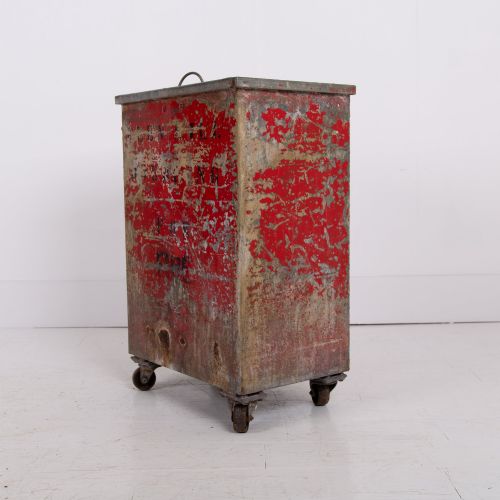
One exceptional piece comes complete with wheels, ready for a speedy retreat from historical flames.
What varies in quality
The distinction between ordinary and exceptional pieces lies in the integrity of the materials and the crispness of the hand-formed details. High-quality examples display clean riveting, substantial gauge metal, or deeply patinated leather that retains its original structural form without excessive distortion.
Artisanal touches, such as hand-hammered surfaces, maker stamps, or applied armorial crests, elevate a piece from a standard utility item to a work of craftsmanship. Pieces that retain their original unpolished surfaces and honest wear show a superior historic character.
Richard Arkwright Masson Mills
The Vintage Fire Bucket Glossary
- Coopered
- Made by a cooper using curved wooden staves bound together with metal or wooden hoops. This technique is standard in the construction of wooden buckets and log bins.
- Boiled leather
- Leather that has been heated in water or wax to harden it into a rigid, durable form. This process was essential for making early fire buckets watertight.
- Riveted
- Joined together using metal pins that are hammered flat to secure overlapping sheets. This method provides the industrial strength seen on copper and iron vessels.
- Purdonium
- A specialised domestic box or scuttle designed for storing coal by the fireplace. These often feature hinged lids and drop handles for convenience.
- Armorial crest
- A heraldic design or badge engraved, painted, or embossed onto an object to denote ownership by a specific family or institution.
Vintage Fire Bucket: Frequently Asked Questions
What were vintage fire buckets used for?
These vessels were kept filled with water in homes, ships, and factories as a first line of defence against outbreaks of fire. Teams would pass them in a chain from a water source to the flames.
Today, their waterproof linings and deep cavities make them ideal for holding firewood, kindling, or house plants beside the hearth.
How do I date a leather fire bucket?
Dating relies on examining the stitching, the type of leather treatment, and the formation of the handle mounts. Eighteenth-century examples often feature heavy boiled leather with stitched seams and copper studs.
Later Victorian and Edwardian pieces show more mechanised riveting and standardised hardware. Dated pieces frequently bear painted inspection numbers or family crests.
Can I use a copper fire bucket outdoors?
Copper and brass naturally weather when exposed to the elements, developing a green verdigris patina over time. Many owners use them in gardens as planters.
However, delicate historical finishes or fragile leather items are best kept indoors in dry environments to preserve their condition.
How do I clean an antique copper bucket?
Most collectors prefer to leave an honest, undisturbed aged patina on historic metalwork. Washing with warm soapy water and a soft cloth removes surface dust without harming the historic finish.
Harsh chemical abrasives should be avoided because they strip away the natural oxidation that accumulated over centuries.