

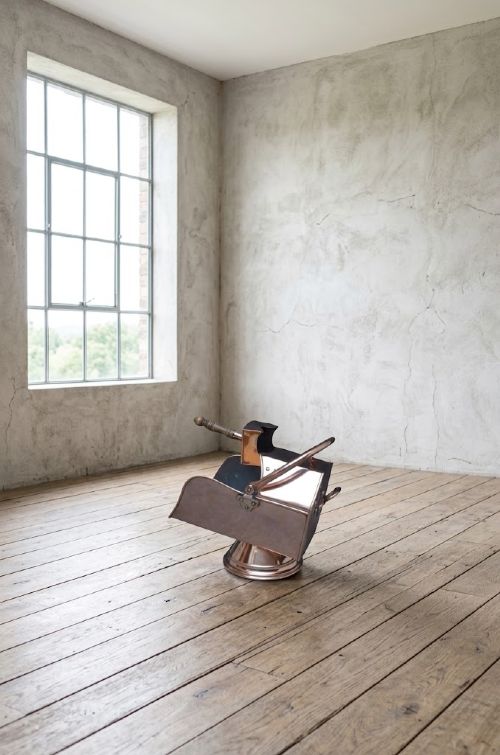


Polished Copper Helmet Bucket
A polished copper helmet bucket is a fireside essential that brings warmth and classic form to any hearth.
Polished Copper Helmet Bucket
A polished copper helmet bucket serves as a traditional hearth accessory designed for holding coal by the fireplace. When searching for this form, buyers encounter pieces spanning the Georgian, Victorian, and Edwardian eras.
The most common examples on this page date from the nineteenth century and the Georgian period, often showcasing the distinct helmet shape. These items function as practical fireplace accessories while also adding metallic lustre to a room.
Examples from the Arts and Crafts movement also appear, demonstrating variations in design from the standard Georgian and Victorian models. Each period brings subtle changes to the handling of the metal and the sweep of the helmet silhouette.
Materials and construction
Craftsmen joined the copper plates using traditional techniques suited to the period, whether working during the George III era or the later Victorian decades. The polished finish highlights the malleability and warmth of the copper surface.
Polished Copper Helmet Bucket Retail Price Guide 2026
Typical asking prices for polished copper helmet bucket among the pieces listed under this phrase on Sellingantiques today, from the lower quarter to the upper quarter. They describe what is for sale here now, not the wider market.
Listings feature pieces spanning the Georgian, Victorian, and Edwardian periods, constructed from copper, brass, and wood.
Assessing quality and finish
Quality in a polished copper helmet bucket lies in the crispness of the helmet form and the robustness of the brass and copper components. Finer pieces demonstrate careful attention to the shaping of the metal and the security of the joints.
The integration of wood elements and the overall weight of the copper distinguish standard domestic items from superior examples. Better pieces retain a balanced proportion that speaks to the skill of the original maker.
The Polished Copper Helmet Bucket Glossary
- Helmet bucket
- A fireside coal container shaped with a high back and a sloping front reminiscent of a classical helmet. This profile made it practical for scooping fuel onto the fire.
- Coal scuttle
- A container designed specifically for holding domestic coal near a fireplace or stove. These objects are part of wider fireplace accessories.
- George III
- The period of British history spanning from seventeen sixty to eighteen twenty, known for refined domestic metalwork. Pieces from this era often display classic proportions.
- Arts and Crafts
- A design movement emphasising handcraftsmanship and simple forms rather than mass production. Items from this style show distinct decorative choices on copper surfaces.
Polished Copper Helmet Bucket: Frequently Asked Questions
What is a polished copper helmet bucket used for?
These vessels served historically to hold and transport coal for domestic fires. Today, they function primarily as decorative fireside accessories.
Their polished copper surfaces reflect firelight and add warmth to traditional and modern interiors alike.
How do I date a copper helmet bucket?
Dating relies on observing stylistic traits associated with periods such as Georgian, Victorian, or Edwardian. Construction methods and handle designs also provide clues to the age of the piece.
Earlier examples from the George III period often exhibit different shaping compared to later nineteenth-century items.
Are brass and wood common on these buckets?
Brass frequently appears in the handles, mounts, and fixings attached to the copper body. Wood is also utilised for handle grips to ensure comfortable handling.
These mixed materials contribute to the decorative appeal of fireplace accessories.
How should I clean polished copper?
Polished copper requires gentle cleaning with appropriate metal polishes to maintain its reflective surface. Avoid abrasive cleaners that might scratch the metal.
Regular dusting keeps the copper bright without disturbing the historical integrity of the piece.