




Vintage Female Nude Art
Vintage female nude art captures the human form through paintings, bronzes, and carvings created across the twentieth century.
Vintage Female Nude Art
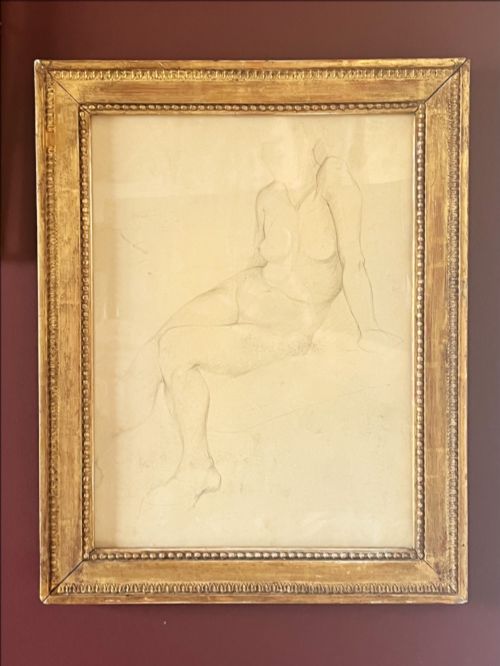
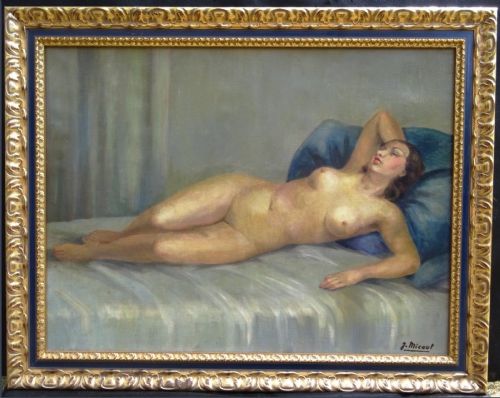
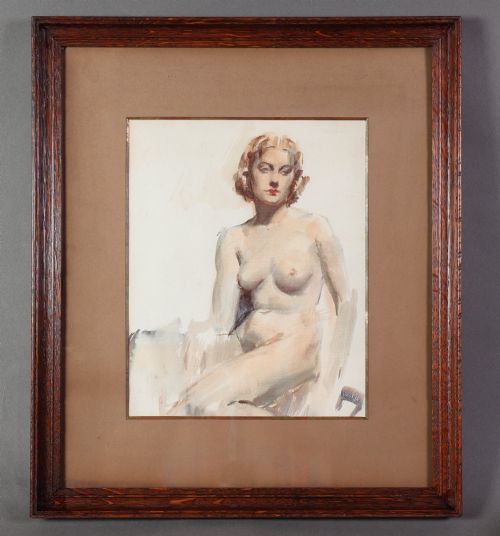
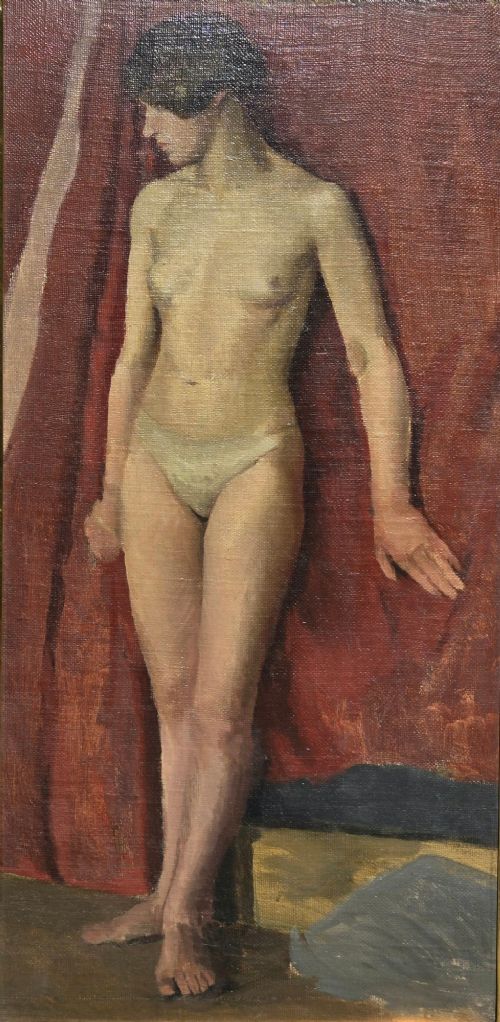
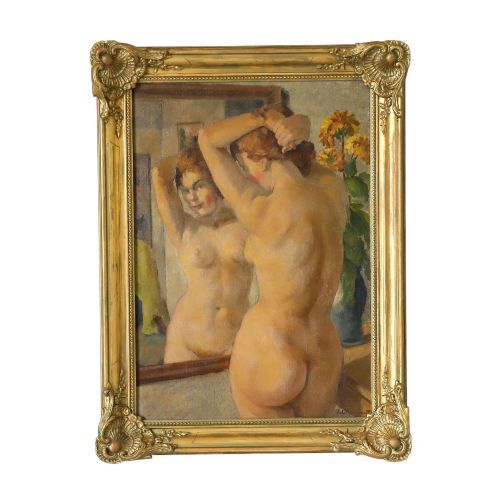
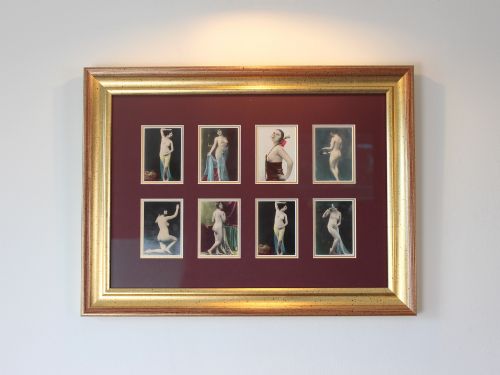
Vintage female nude art encompasses oil paintings, pencil drawings, hand-tinted photographs, and sculptural works created from the late nineteenth century through the mid-twentieth century. Collectors encounter academic studies, Post-Impressionist canvases, and striking Art Deco decorative figures.
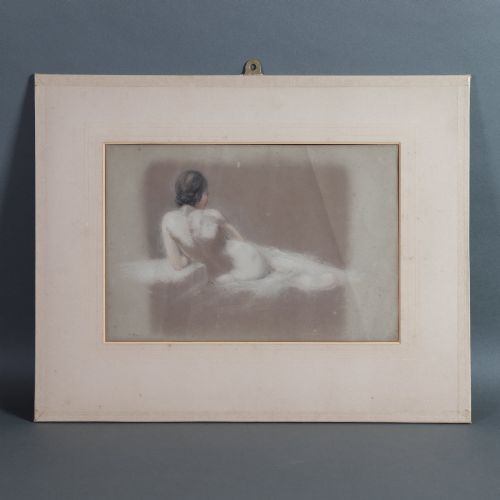
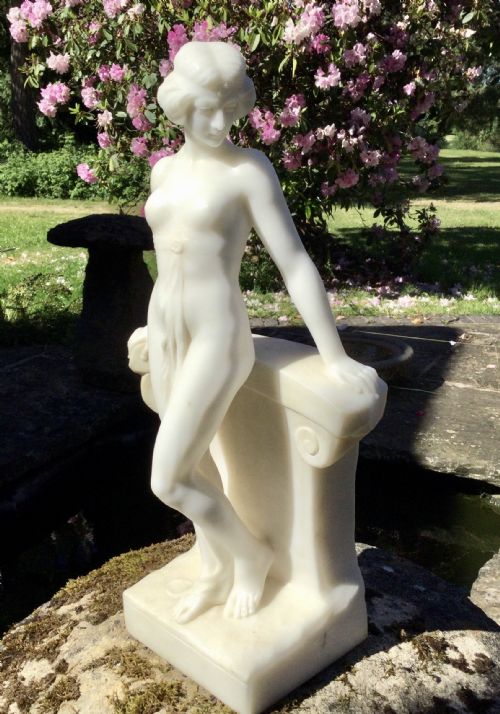
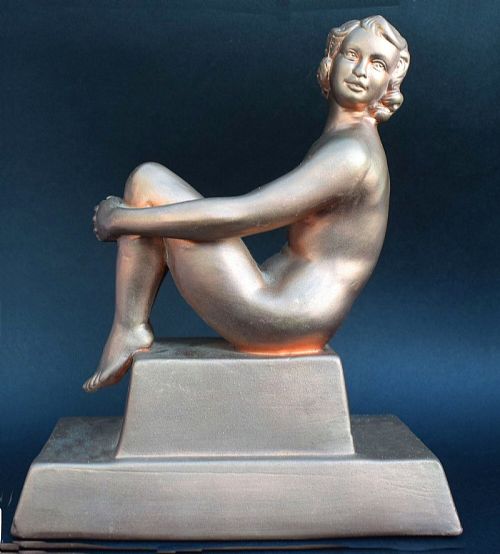
The selection ranges from intimate pencil life drawings and charcoal sketches to substantial bronze and marble sculptures mounted on stone bases. Painters utilised canvas, paper, and board, whilst sculptors worked in bronze, spelter, alabaster, limewood, and opalescent glass.
Materials and techniques
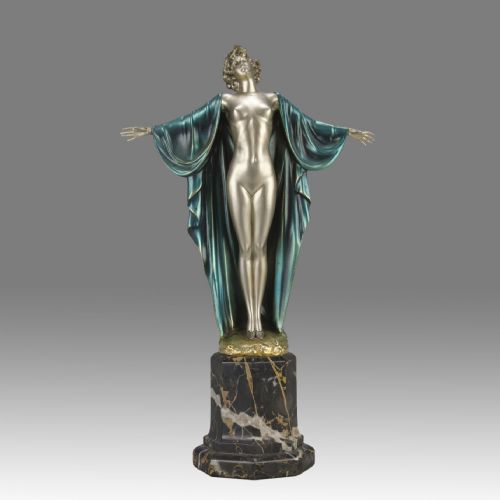
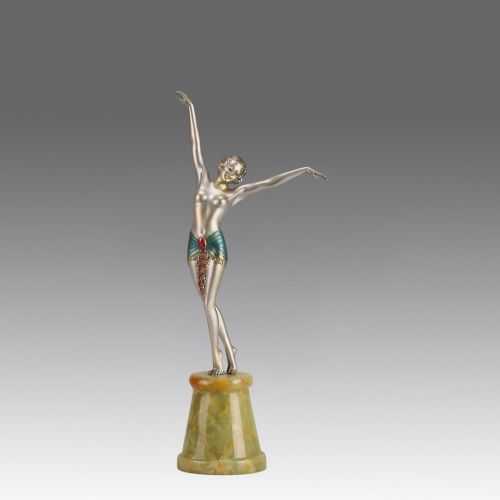
Sculptural works rely on traditional foundry methods, combining cold-painted bronze, patinated bronze, or spelter with marble and onyx bases. Artisans also carved fine figures from limewood and moulded opalescent glass to capture translucent depth.
Two-dimensional pieces utilise oil on canvas, oil on paper, watercolour, charcoal, and pencil. Photographers produced hand-tinted and black-and-white prints, whilst miniaturists executed fine hand-painted details on delicate surfaces.
Autom motorists once sped down boulevards guided by gleaming bronze nymphs mounted straight onto their radiator caps.
Assessing quality in the medium
Quality rests upon the artist's command of line and anatomy, distinguishing masterly life studies and named signatures from anonymous decorative output. Sculptural definition, crisp chasing on bronze casts, and the harmonious integration of figures with marble or onyx bases dictate overall merit.
In paintings and drawings, the handling of light, shadow, and medium demonstrates the maker's skill. Works that capture distinct psychological depth or movement stand apart from standard academic exercises.
Ferdinand Preiss·Josef Lorenzl·Philippe de Rougemont·Augustus John·Maurice Guiraud Riviere·Hans Müller·Pierre Le Faguays·Sir William Russell Flint
The Vintage Female Nude Art Glossary
- Cold-painted bronze
- A bronze sculpture decorated with polychrome paint applied over a metallic base. This technique was widely utilised by European workshops in the early twentieth century.
- Spelter
- An alloy of zinc and other metals frequently cast as a cost-effective alternative to bronze. It often received patination to simulate heavier metal.
- Opalescent glass
- Glass containing ingredients that scatter light to create a milky, glowing appearance. French makers utilised this effect for decorative figurines and lamps.
- Intimist
- An artistic style focusing on quiet, domestic interior scenes. Practitioners captured private moments with soft brushwork and warm palettes.
- Car mascot
- A sculptural ornament mounted on the radiator cap of an automobile. Art Deco examples often depicted stylised female figures in dynamic poses.
Vintage Female Nude Art: Frequently Asked Questions
How do I identify Art Deco bronzes?
Art Deco bronzes usually feature stylised human forms, sharp geometric lines, and dancers captured in motion. They are frequently mounted on heavy multi-coloured marble or onyx bases.
Look closely at the chasing and patina quality, as well as signatures or foundry marks stamped directly into the metal.
What is a cold-painted bronze?
Cold-painted bronze refers to metallic sculptures decorated with natural paints that were not fired in a kiln. This technique allowed for vibrant, detailed coloration on figures produced during the early twentieth century.
Collectors examine the remaining pigment for signs of natural wear rather than modern restoration.
Are life drawings original works?
Life drawings are unique, hand-drawn studies executed directly from a live model using pencil, charcoal, or mixed media. Each sheet represents an artist's immediate observation and preparatory practice.
These works are typically preserved behind glass within period frames to protect the delicate paper surfaces.
How should I display antique sculptures?
Antique sculptures benefit from stable indoor environments away from direct sunlight and excessive humidity. Bronze, marble, and glass require secure placement on level surfaces that support their weight.
Dust them gently with a dry, soft cloth without applying chemical cleaning agents to the patina.