
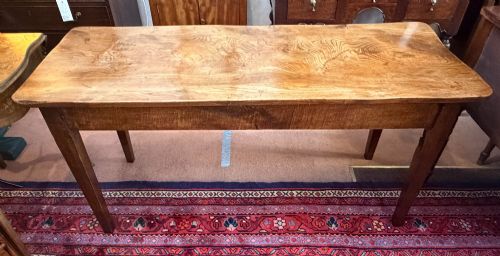
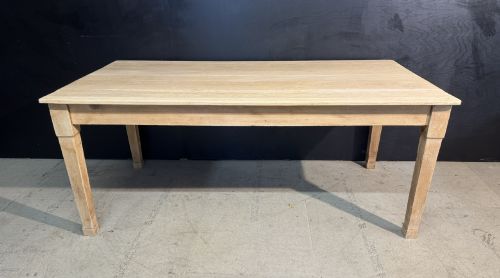
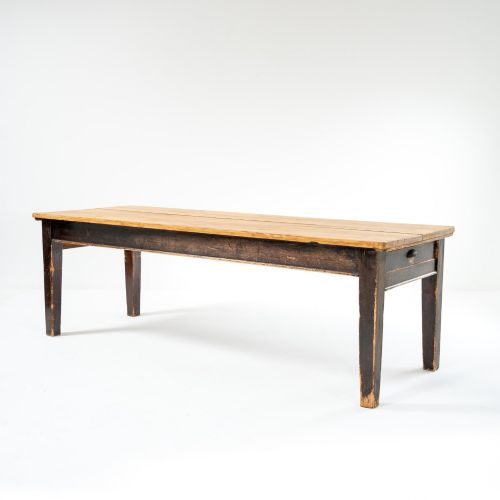
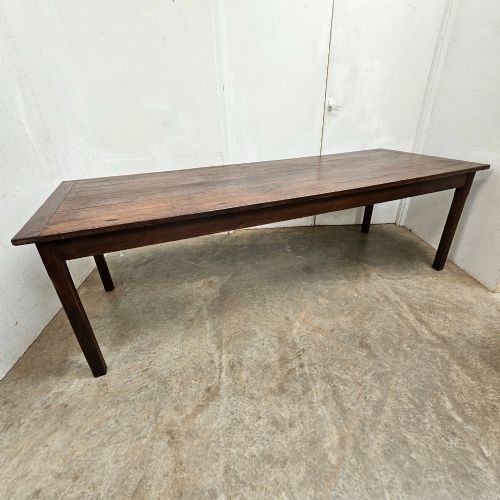
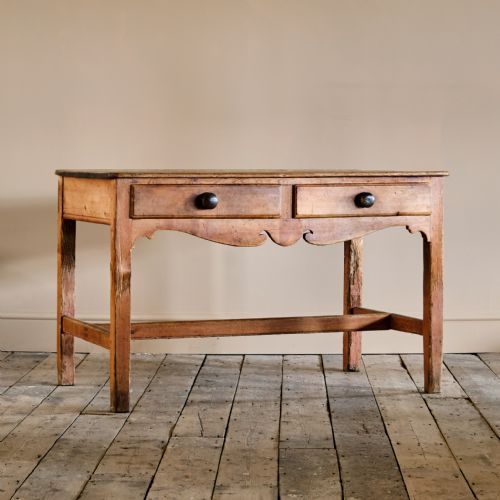


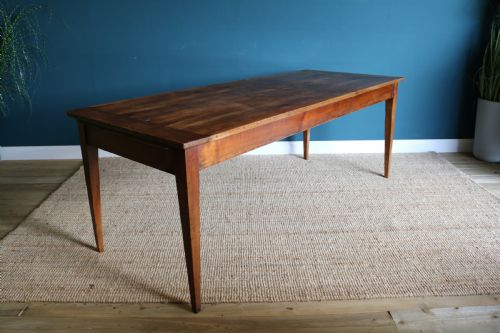


Vintage Farm Kitchen Table
A vintage farm kitchen table brings immediate utility and character to a room, offering sturdy work surfaces forged from practical heritage timbers.
Vintage Farm Kitchen Table
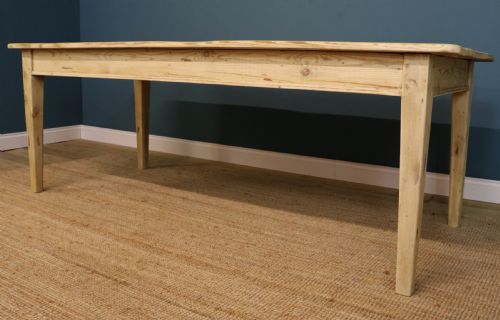
When searching for a vintage farm kitchen table, you encounter robust domestic hubs designed for hard work, dining and food preparation across rural homes. The most common examples on this page are generous nineteenth-century and early twentieth-century pieces built to handle daily family life.
The materials and origins stretch across English, French, and Scandinavian workshops, yielding everything from scrub-top harvest designs to extendable cherry formats. These tables emerge from eras spanning the Victorian period through the nineteen-thirties, reflecting diverse regional styles like French Provincial and rustic farmhouse.
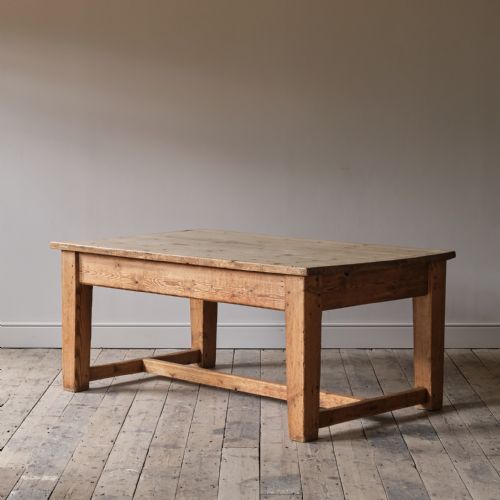
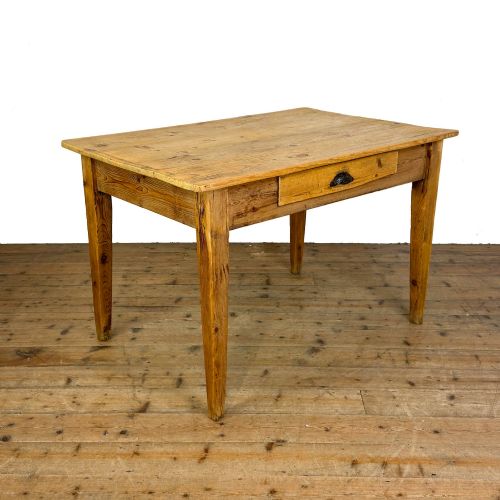
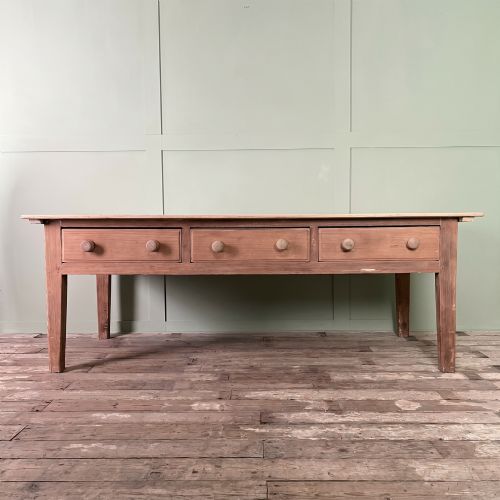
Formats vary from simple pine prep benches with side drawers to long refectory oak tables capable of seating large gatherings. Buyers find both natural timber finishes and pieces retaining layers of historical paint.
How they were made
Makers constructed these sturdy items primarily using domestic timbers such as pine, oak, elm, sycamore and cherry, often pairing softwoods for tops with harder woods for frames. Joinery relied on traditional methods designed for immense strength, enduring decades of heavy domestic labour without modern adhesives.
Many examples showcase functional additions like bread slides, extension leaves, side drawers and trestle supports, built explicitly for utility in dairies and farmhouses. Surfaces were finished simply, whether scrubbed clean with water, waxed to protect the grain or coated in traditional regional paints like Swedish Falu red.
What varies in quality
Proportion and structural balance also dictate standard, where longer eight-foot harvest tables or double-extending formats display superior craftsmanship in their leg turnings and bread slide mechanisms. The degree of honest wear earned through generations of culinary use separates honest country furniture from lesser reproductions.
The Vintage Farm Kitchen Table Glossary
- Scrub top
- A bare wooden table top designed to be aggressively scrubbed with water and sand to keep it hygienic for food preparation. This process leaves the softwood grain deeply textured and pale.
- Refectory table
- A long, narrow dining table historically used in monasteries and large country houses for communal dining. They typically feature strong stretcher rails running low between the legs for added stability.
- Bread slide
- A pull-out wooden shelf integrated beneath the main table top used historically for cooling loaves or expanding the active work surface. They slide smoothly on internal wooden runners.
- Falu paint
- A traditional deep red or earthy paint originating in Swedish copper mines, prized for its ability to preserve outdoor and domestic pine furniture against harsh climates.
Vintage Farm Kitchen Table: Frequently Asked Questions
How do I clean a pine top?
Clean unsealed pine surfaces gently with warm soapy water and a stiff brush, following the direction of the grain to lift embedded dirt. Avoid harsh chemical cleaners that strip the historic patina.
Allow the timber to dry naturally and thoroughly before applying a clear beeswax to nourish the dry wood and protect against future spills.
Were these tables used for cooking?
Many examples served as central workspaces for kneading bread, chopping vegetables and preparing dairy goods before modern fitted kitchens existed. Deep knife scars and scrubbed surfaces bear direct witness to this heavy culinary history.
Other formats functioned primarily as dining or refectory tables in farmhouse kitchens and country houses.
How do I date an old table?
Examine the construction methods beneath the top, looking for hand-sawn timber marks, wooden pegs and the absence of modern mass-produced metal fixings. Tool marks and fastener types reveal the approximate decade of manufacture.
Consider the timber species and regional style clues, such as nineteenth-century French cherry or Victorian English pine harvest formats.
Can I seat eight people comfortably?
Several longer formats measure over seven or eight feet in length, providing ample space for six to eight diners along the flanks. Check the clearance beneath the side aprons to ensure chairs tuck in properly.
Refectory designs with recessed legs or trestle bases often offer the most flexible seating arrangements for larger groups.