

Vintage Etching
When you search for vintage etching, you meet printed works on paper and decorative marks on glass that span the eighteenth century to the mid-twentieth century.
Vintage Etching
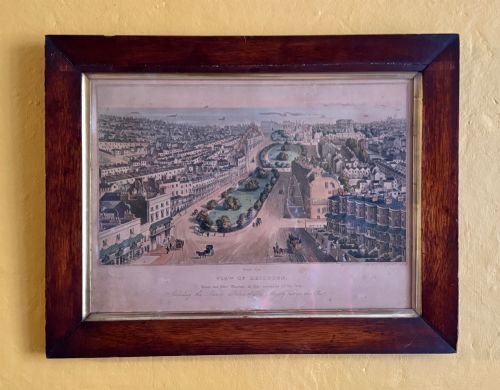
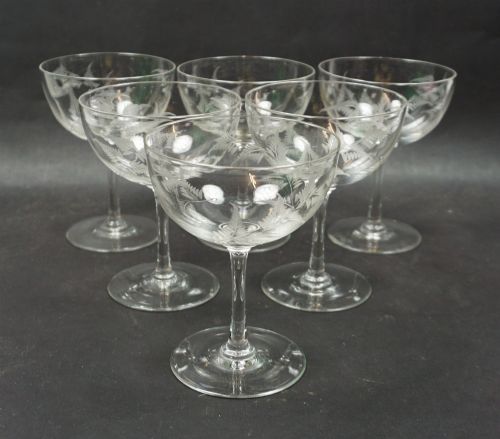
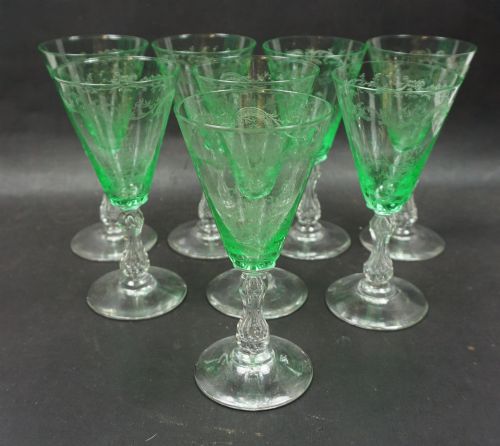
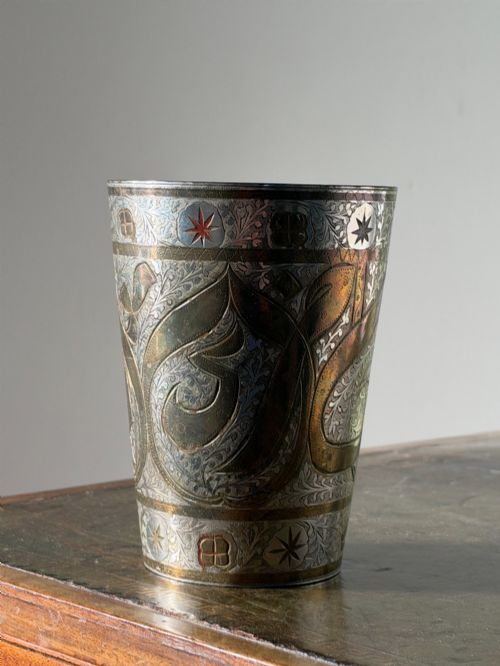
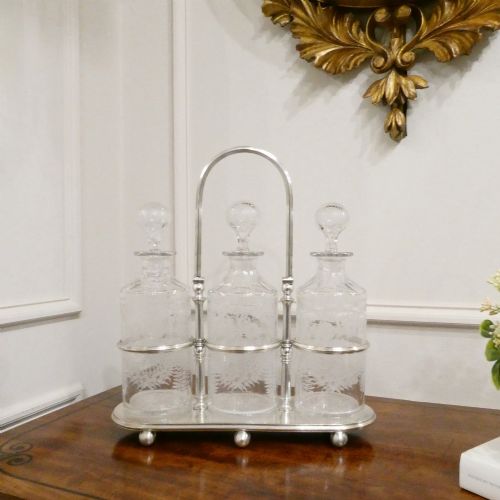
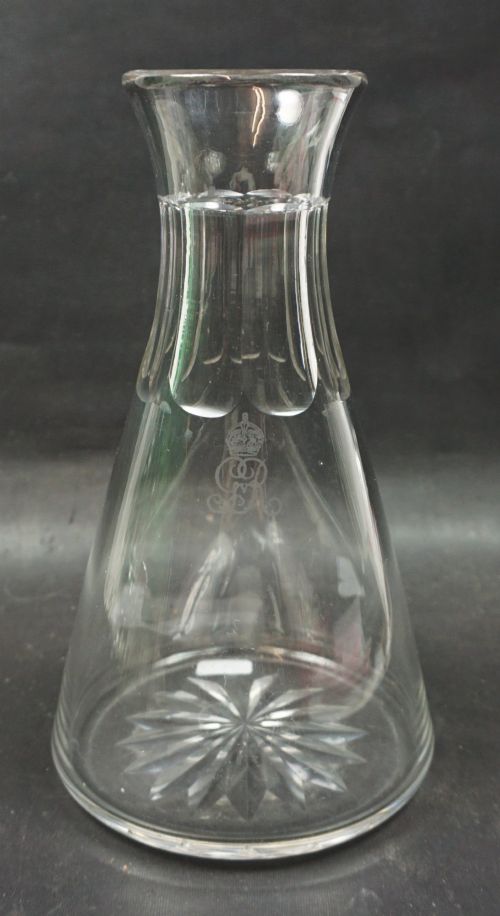
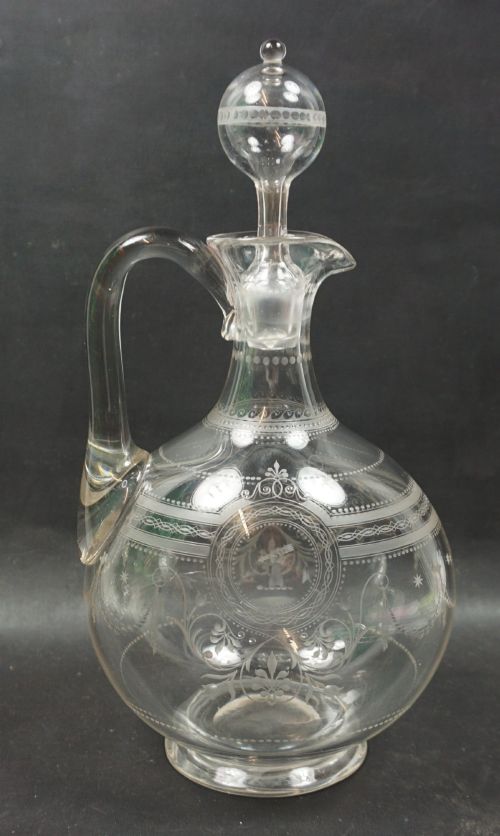
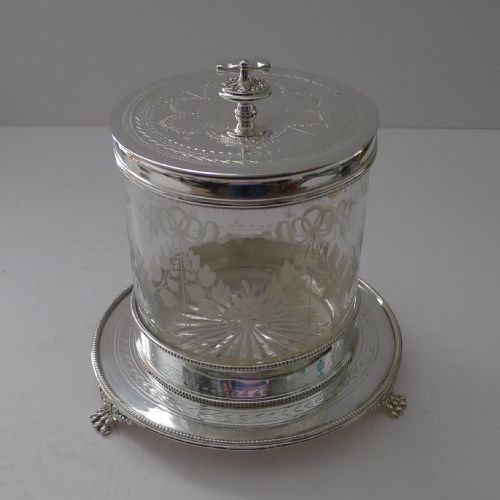
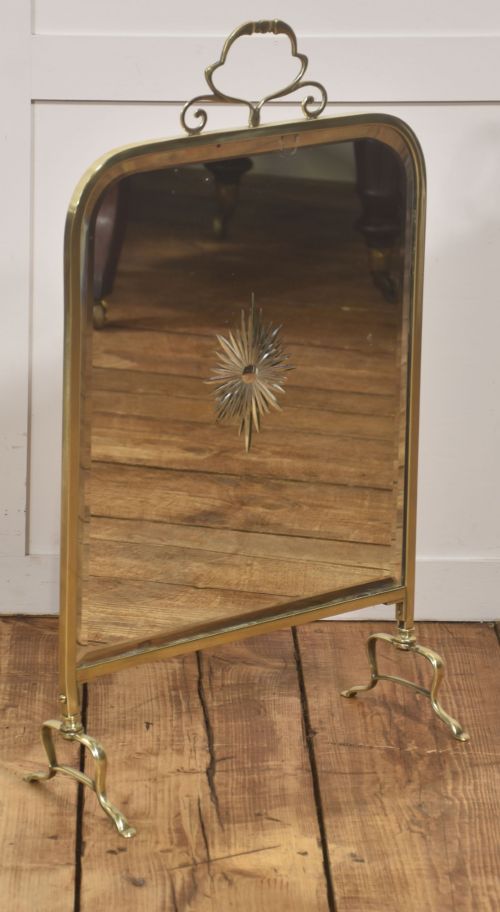
When you search for vintage etching, you find works on paper alongside decorative glass and mirror surfaces carrying incised or acid-bitten designs. The selection draws together eighteenth-century animal studies, early twentieth-century prints, and Victorian tablewares marked by wheel-cutting.
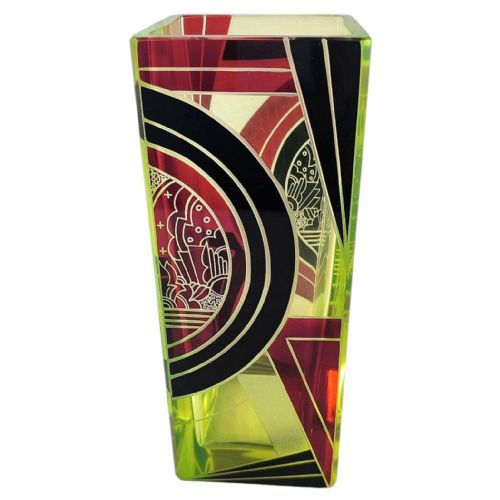
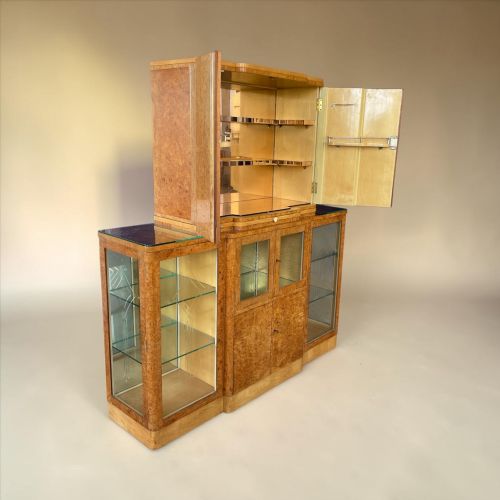
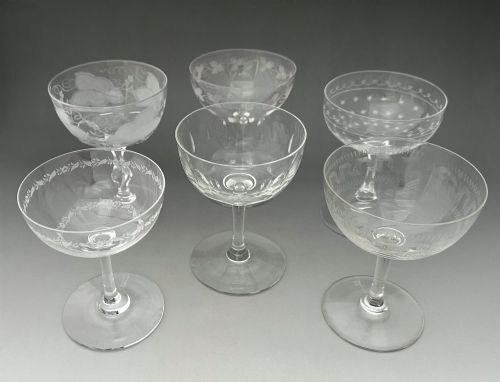
The most common forms on this page include framed prints on paper, drinking glasses with star or floral motifs, and mirrors featuring decorated glass borders. These objects cross several decorative idioms, from Victorian domestic utility to Art Deco geometry and Venetian mirrorwork.
How they were made
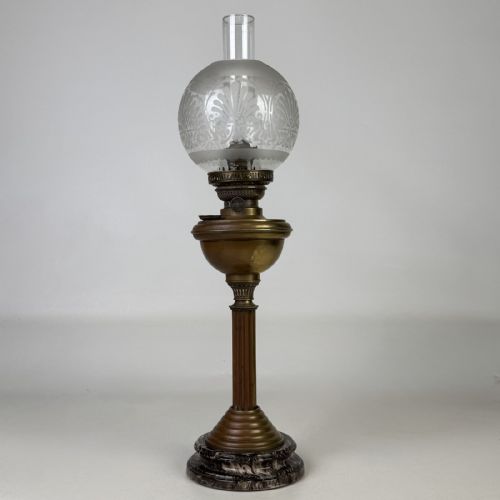
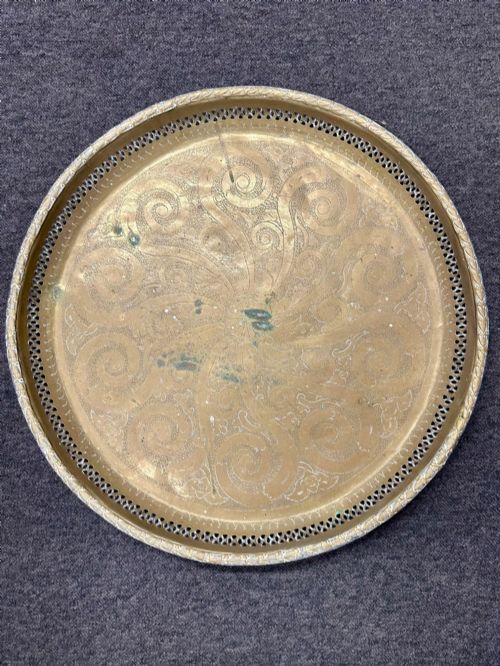
Makers produced these works using paper, glass, and brass, often combining ink printing with hand-finishing on metal or crystal. Glass pieces relied on wheel-cutting or acid application to bite lines into the material.
Printmakers worked copper or zinc plates with acid baths or drypoint needles before transferring ink onto paper sheets. Frames and mounts utilised wood, giltwood, and brass components to house both the prints and the mirrored glass panels.
Vintage Etching Retail Price Guide 2026
Typical asking prices for vintage etching among the pieces listed under this phrase on Sellingantiques today, from the lower quarter to the upper quarter. They describe what is for sale here now, not the wider market.
Listings feature paper, glass, brass, and wood across Victorian, Edwardian, and Art Deco periods.
What varies in quality
The standard of an etching depends on the clarity of the line and the precision of the plate impression on the paper. Stronger prints show crisp margins and deep ink saturation without blurring in the finer details.
For glass and mirrors, quality rests on the depth of the wheel-cut or etched motif and the preservation of the underlying material. Items featuring crisp bevelling and intact silvering on eglomise panels sit at the upper end of the scale.
Samuel Howitt·William Woollett·George Stubbs·Edward Fisher·Sir Joshua Reynolds·Kurt Lorein Victor Peiser·Kurt Meyer-Eberhardt·William Lionel Wyllie·Maison Baguès
The Vintage Etching Glossary
- Etching
- A printmaking technique where acid bites lines into a metal plate to hold ink. This process allows for fine detail and varied tonal depth.
- Drypoint
- A printmaking method where an artist scratches lines directly into a metal plate using a sharp needle. This creates a distinctive velvety burr along the stroke.
- Eglomise
- A process of applying gold or silver leaf to the reverse side of glass combined with painted decoration. It produces a reflective, ornamental panel often used in mirrors.
- Mezzotint
- A printmaking process worked from dark to light where the plate is roughened to hold ink for rich tones. It produces smooth gradients rather than line work.
- Decanter
- A glass vessel used for holding and serving wine or spirits. Victorian examples frequently feature cut or etched geometric patterns.
Vintage Etching: Frequently Asked Questions
What is a vintage etching?
A vintage etching is a printed image produced from a metal plate that was bitten with acid or worked with a needle. These works capture fine linear details on paper.
The term also covers decorative glass and mirrors where patterns are cut or acid-etched directly into the surface during manufacturing.
How should I display framed prints?
Keep framed paper prints away from direct sunlight to prevent the ink and paper from fading over time. Acid-free mounts protect the edges from discoloration.
Hung securely on interior walls, these works pair well with period brass lighting and decorative glass pieces from similar decades.
How do I clean etched glass?
Use a soft, lint-free cloth and mild soapy water to wipe down etched glass decanters or mirrors. Avoid harsh chemical cleaners that might damage the surface.
Dry the glass immediately with a clean cloth to prevent water spots from forming within the detailed incisions.
How can I tell the age of a mirror?
Examine the construction of the frame and the backing boards to determine the manufacturing period. Older mirrors often show hand-beveled edges and variations in the glass plate.
Eglomise panels and gilt bronze frames point toward specific nineteenth and early twentieth-century design movements.