




Vintage Equine Artwork
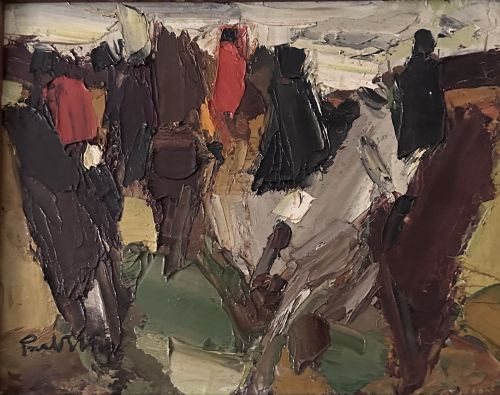
Vintage equine artwork brings the power and character of horses onto the wall through nineteenth-century oils, pastels, and watercolours.
Vintage Equine Artwork
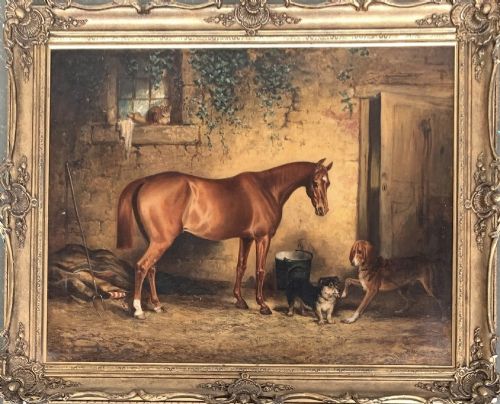
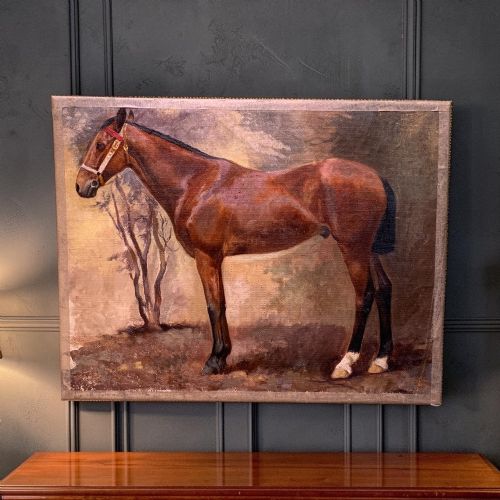
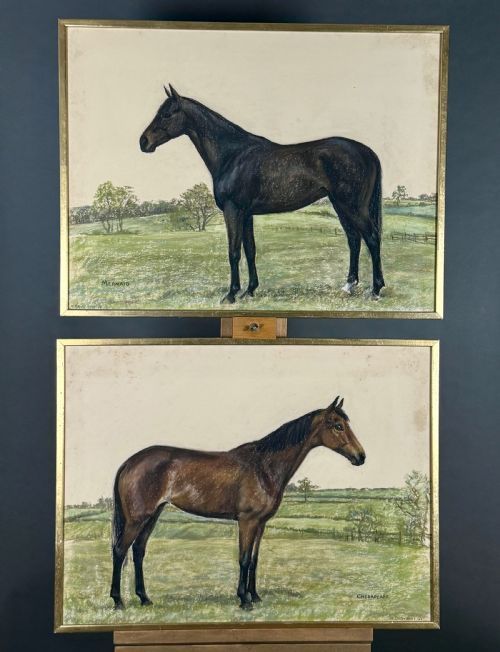
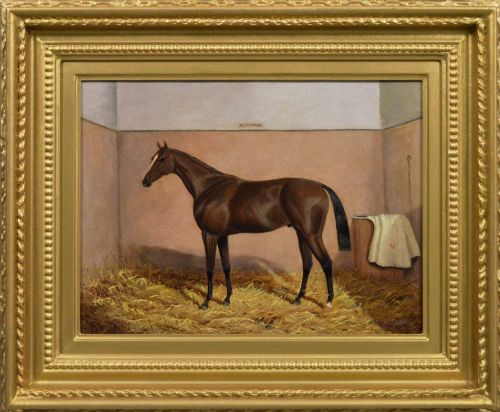
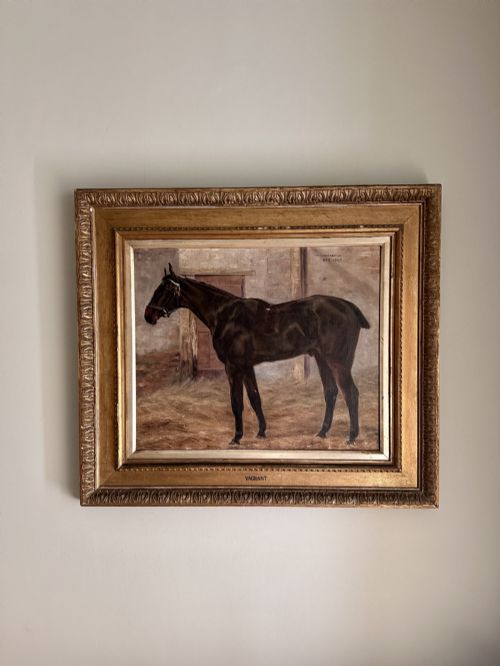
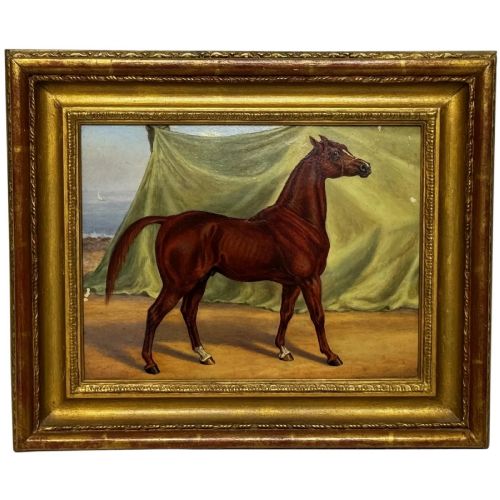
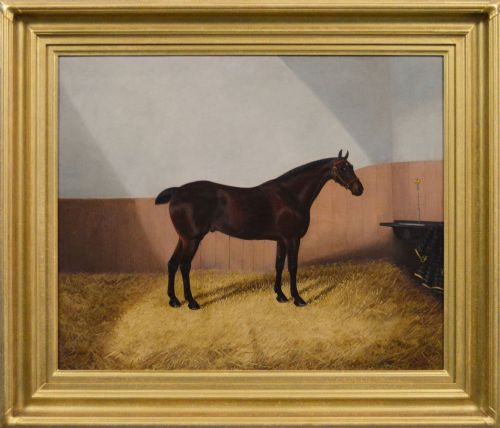
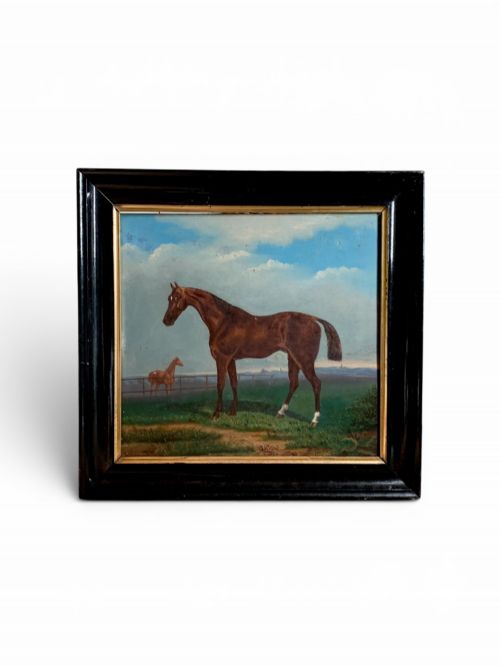
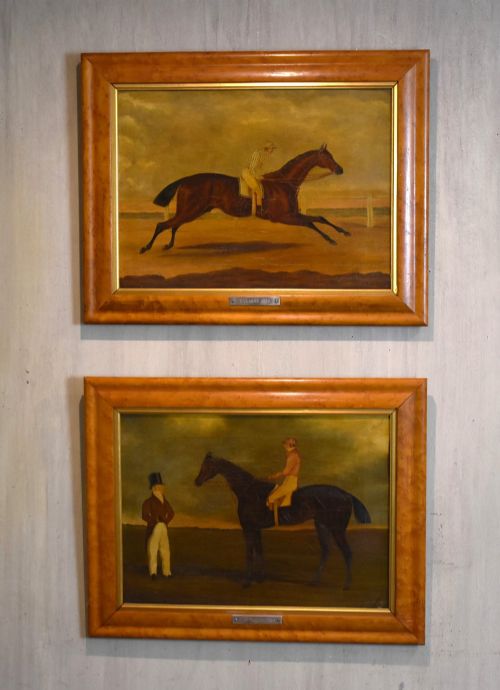
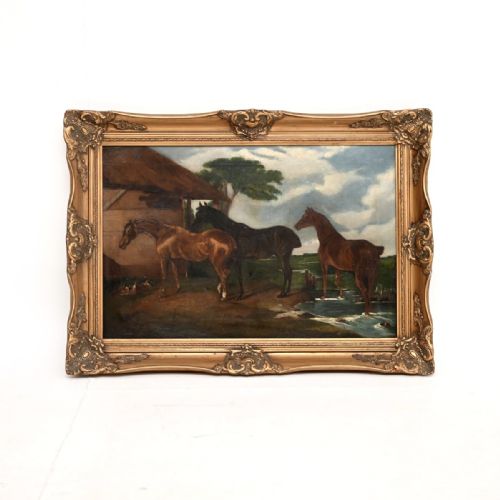
When buyers search for vintage equine artwork, they encounter a range of depictions including individual portraits of named racehorses, stable scenes, and rural working horses in landscapes. The selections span centuries from Georgian studies to mid-twentieth-century watercolours and gouache paintings.
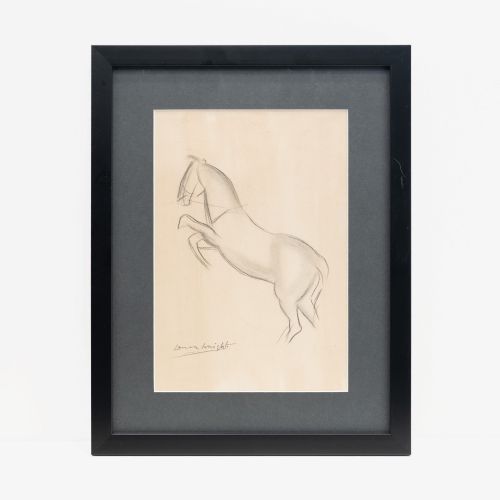
The most common items on this page are oil paintings on canvas or panel, alongside framed pastels and watercolours on paper. These pieces range from intimate sketches to large framed portraits of hunters, shires, and thoroughbreds.
Origins vary from British Victorian sporting art to French school panels and works depicting international subjects such as stables in India and races in Colombo. Each piece captures a specific era's relationship with horses, whether agricultural labour or the racecourse.
What varies in quality
Anatomical precision and the handling of light separate standard depictions from exceptional works. The finest pieces capture the distinct bone structure, tension, and personality of a specific animal rather than relying on generic equine proportions.
The depth of the background context also influences the calibre of the artwork. Master practitioners integrate the horse naturally into a convincing landscape, stable interior, or racing environment with confident brushwork and balanced composition.
Surviving works record diverse subjects ranging from working shire horses in agricultural fields to champion thoroughbreds on the racecourse.
Henry Barraud·Albert Clark·Fred Fitzpatrick·Dame Laura Knight·John Frederick Herring Snr·John Rattenbury Skeaping·George E Sharpe·Eugene Joseph Verboeckhoven·Benjamin Cam Norton·Alfred Moginie Bryant·Arthur Winter Shaw·Abraham Cooper RA·Charles Bilger Spalding RA·Ernest Higgins Rigg·Edward Lloyd
The Vintage Equine Artwork Glossary
- Equine art
- Depictions of horses across various media including painting, drawing, and printmaking. This genre encompasses racing scenes, agricultural work, and individual animal portraits.
- Giltwood
- Wood carved and coated with gold leaf or a gold-coloured finish. This material is commonly found on traditional frames enclosing nineteenth-century oil paintings.
- Pastel on paper
- A dry medium using powdered pigment pressed into sticks and applied to paper sheets. It creates a soft, velvety texture suited to capturing the soft coats of horses.
- Provenance
- The documented history of ownership and origin for an artwork. A recorded provenance connects a specific painting to notable estates, galleries, or historical collections.
Vintage Equine Artwork: Frequently Asked Questions
How do I hang a large oil painting?
Large framed oils require secure fixings into wall studs or solid masonry using appropriate brackets to support the substantial weight of the canvas and wooden frame. Position the centre of the artwork at eye level to achieve visual balance in the room.
Keep these pieces away from direct sunlight and strong heat sources such as radiators to protect the canvas and oil paint from cracking or warping over time.
What is the difference between a pastel and an oil painting?
Pastels utilise dry pigment sticks applied to paper and require glass protection to prevent the loose particles from smudging. Oil paintings use pigment suspended in drying oil on canvas or wood panels, presenting a durable surface that does not require glazing.
Oils generally offer deeper colour saturation and visible brush texture, whereas pastels produce a softer finish with a matte appearance.
How do I care for antique watercolours?
Watercolours on paper are sensitive to light and should be displayed away from direct daylight to prevent fading of the pigments. Ensure the framing uses acid-free mounts to protect the paper from yellowing and chemical degradation.
Maintain stable humidity levels in the room to prevent moisture damage and mould growth behind the glass.
Can I identify a racehorse portrait?
Many racehorse portraits include inscriptions on the canvas, stretcher, or frame detailing the horse name, owner, and sometimes the race or jockey. Accomplished sporting artists often recorded specific famous thoroughbreds commissioned by owners and trainers.
Look for distinctive racing colours worn by jockeys or specific trophies mentioned in the title or provenance records.