


Vintage Equestrian Picture
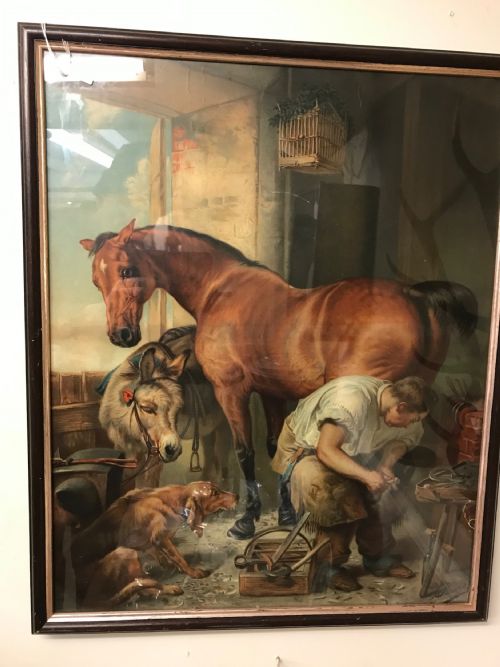
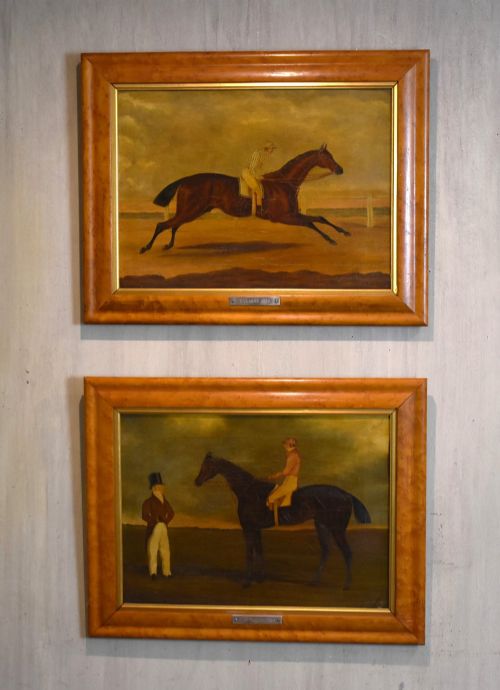
A vintage equestrian picture brings the raw power and enduring grace of the stables, the hunting field and the racetrack straight onto your wall.
Vintage Equestrian Picture
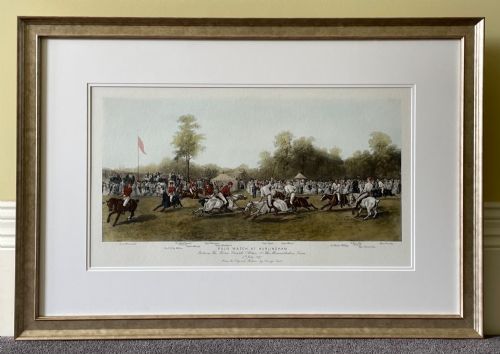
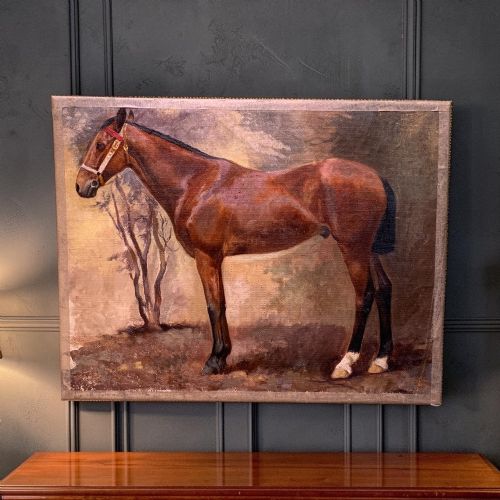
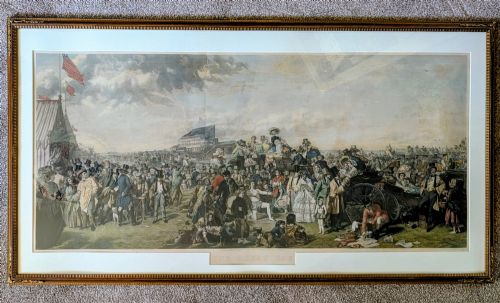
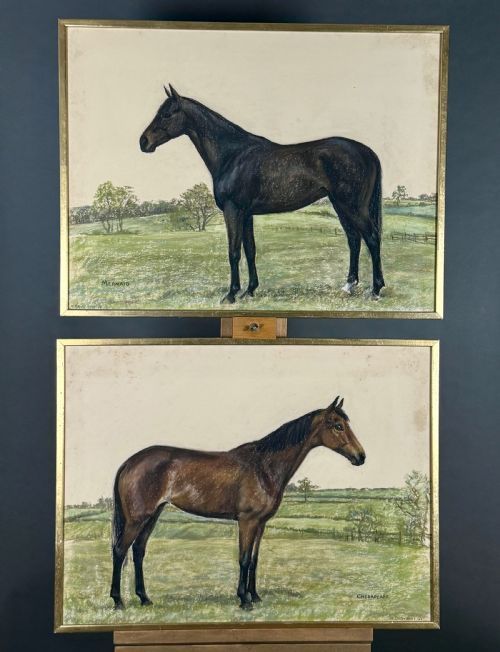
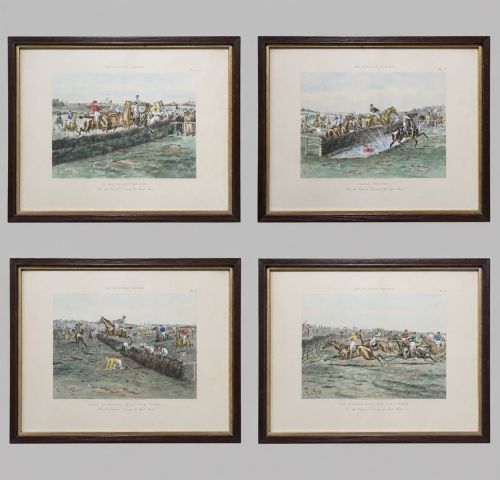
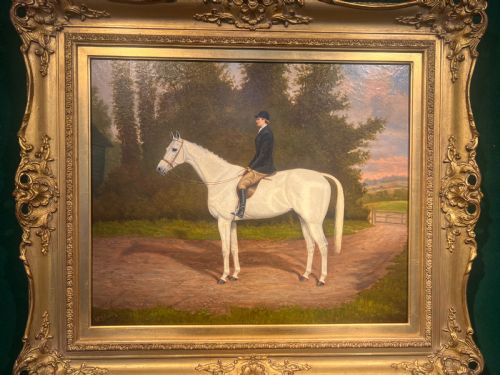
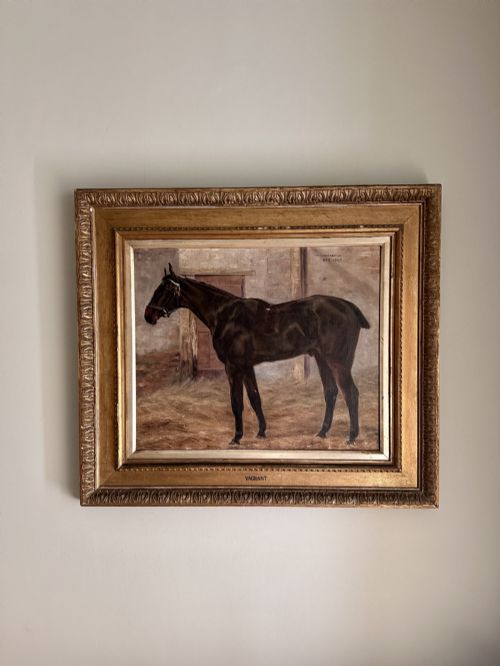
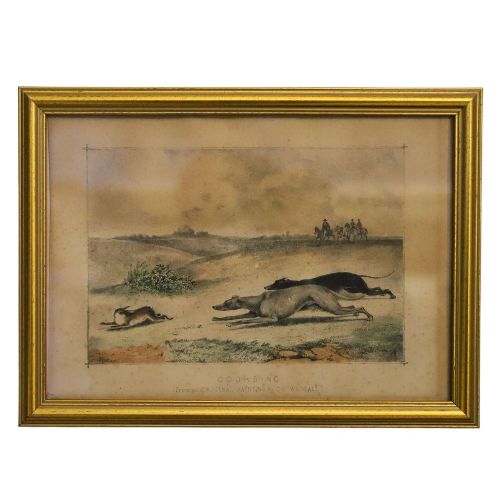
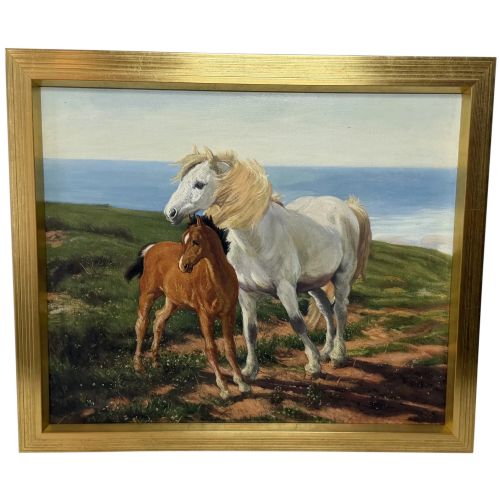
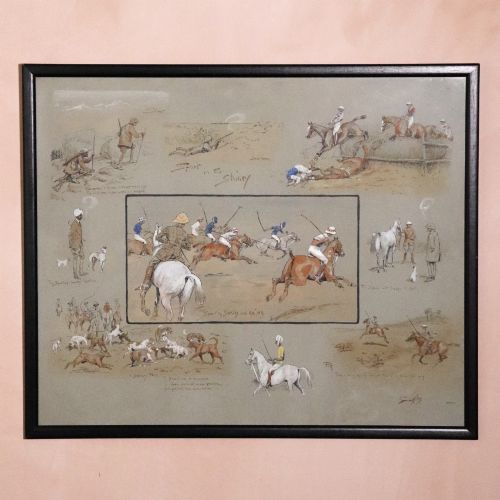
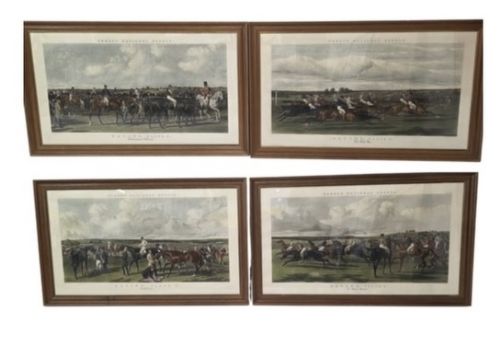
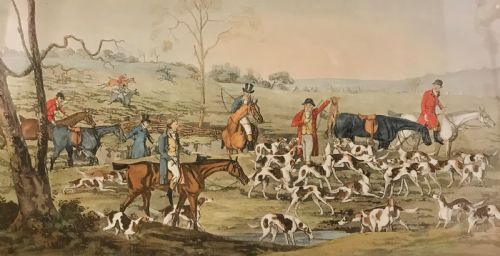
A vintage equestrian picture encompasses everything from detailed nineteenth century lithographs and hand coloured engravings of racing to oils on canvas and pastel studies of hunters, ponies and thoroughbreds. You will encounter framed prints, wall art and original paintings spanning the Victorian and Edwardian eras through to the mid twentieth century.
The subjects range from iconic racehorses and hunting scenes to quiet stable portraits and polo matches. Most pieces lean heavily into British sporting art traditions, reflecting a deep historical fascination with equine form and field sports.
Materials and methods
The works rely heavily on traditional supports such as paper, canvas, card and occasionally wood panels, housed within original wood and gilt frames. Painters utilised oil paint, gouache, watercolour, ink and pastel, while reproductive works were captured through lithography, engraving and aquatint.
Many of the framed prints and engravings feature hand colouring applied after the initial printing process to heighten the vibrancy of the jockeys' silks and the landscape. Framing often incorporates period timber and glass to protect the delicate papers and pigments underneath.
Materials represented include delicate paper, oil on canvas, gilt wood frames, and porcelain wall plaques.
Evaluating craftsmanship
Quality rests primarily on the anatomical accuracy of the horse and the vitality of the composition, distinguishing masterly draughtsmanship from stiff or generic studio output. Artists who truly understood equine musculature and movement captured a convincing sense of energy and weight.
The integrity of the materials also dictates standing, with original signed oils and scarce period prints carrying greater artistic weight than later reproductions. Preservation of the paper, canvas and pigment without heavy restoration ensures the visual impact remains intact.
William Powell Frith·George Finch Mason·C. H. Weigall·Edwin Henry Landseer·John Frederick Herring Snr·Herman S Melville·Alfred Munnings·John Rattenbury Skeaping·Cecil Charles Windsor Aldin·Charles Walter Simpson·John Frederick Herring Jnr·Basil Nightingale·William Williams·Abraham Cooper·Edward Lloyd of Ellesmere·Michael Lyne
The Vintage Equestrian Picture Glossary
- Lithograph
- A planographic printmaking process using a stone or metal plate to create detailed ink impressions on paper. This method allowed artists to produce subtle tonal shifts ideal for nineteenth century sporting scenes.
- Aquatint
- A variant of etching that produces broad tonal areas resembling watercolour washes. It was frequently employed to recreate atmospheric hunting and racing prints.
- Gouache
- An opaque water-based paint that dries to a matte finish with rich, dense colour saturation. Artists utilised it to bring sharp highlights to horse racing and rodeo drawings.
- Pastel
- A dry medium consisting of powdered pigment and a binder, applied directly to paper or coloured board. It yields soft, velvety textures that suit the gentle coat of a grey mare or bay hunter.
- Eglomise
- A decorative technique where gold or silver leaf is applied to the reverse side of glass and then engraved. This creates a mirrored, reflective border often seen on specific period frames.
Vintage Equestrian Picture: Frequently Asked Questions
How do I date an antique horse painting?
Dating relies heavily on costume, framing styles, and the specific breed types depicted in the artwork. Victorian and Edwardian works often bear distinct signatures, gallery labels, or stretcher marks on the reverse.
Examining the type of paper, canvas preparation, and pigments used provides further clues to narrow down the decade of creation.
Where should I hang a sporting picture?
These pieces traditionally suit studies, libraries, hallways, or reception rooms where traditional wood furniture and rich wall colours complement the subject matter. They also anchor mid-century modern interiors when paired with clean architectural lines.
Keep them away from direct sunlight and damp walls to protect the delicate watercolours, pastels, and exposed paper edges.
Are hunting prints originals or reproductions?
Many nineteenth-century hunting and racing images were published as prints after famous oil paintings by artists like Alken or Herring. While these prints are period multiples rather than unique painted canvases, early impressions carry significant collector interest.
Checking for plate marks, publisher stamps, and hand-tinted ink helps distinguish original antique prints from modern photographic copies.
What is the difference between an oil study and a finished painting?
An oil study was typically painted quickly outdoors or in the stable to capture the immediate posture and light on a horse before a larger commission. These studies often display looser brushwork and a more experimental palette.
Finished paintings feature tighter detail, carefully blended backgrounds, and a higher degree of polish intended for formal exhibition.