

Vintage Equestrian Country Artwork
Vintage equestrian country artwork captures the enduring partnership between horses, hounds and rural life through centuries of painting and printmaking.
Vintage Equestrian Country Artwork
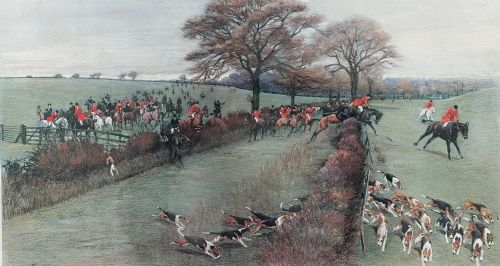
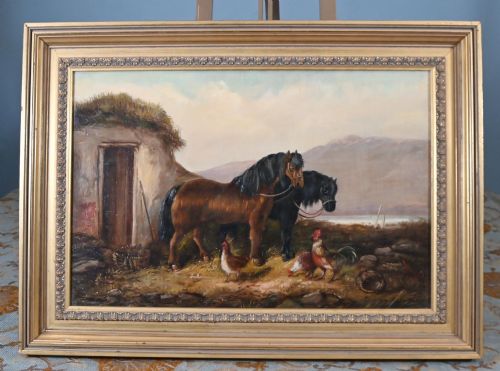
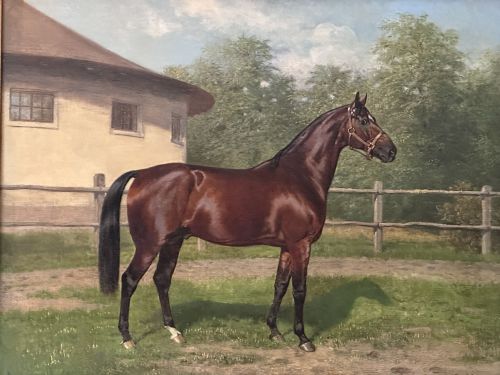
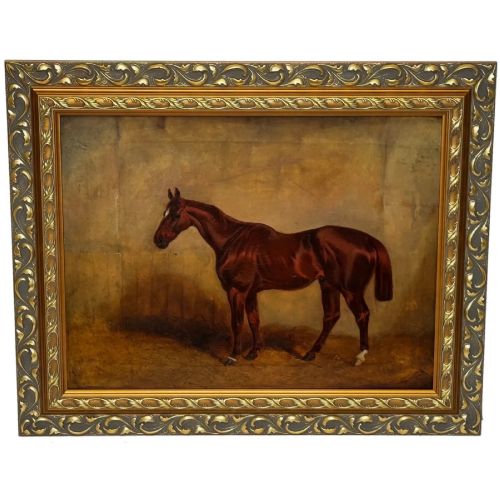
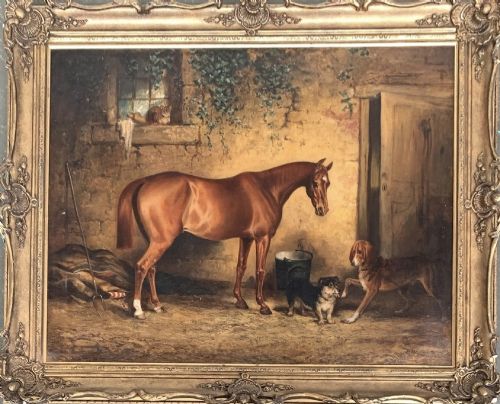
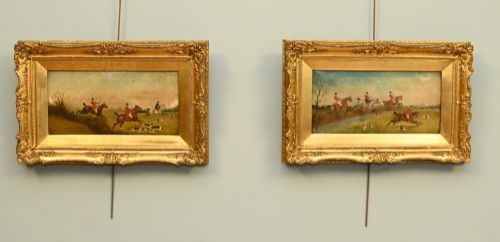
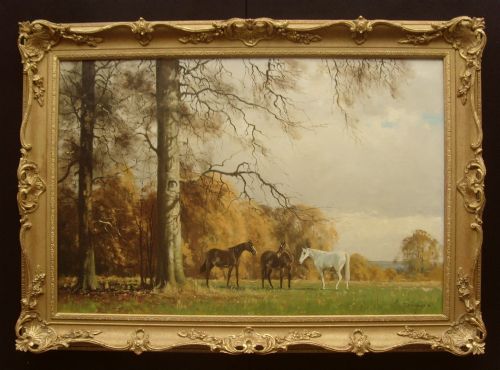
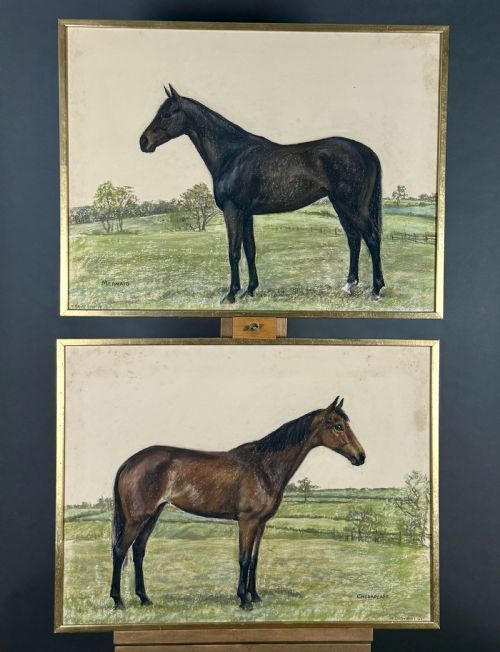
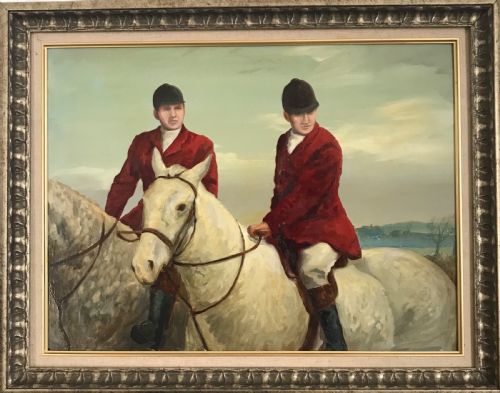
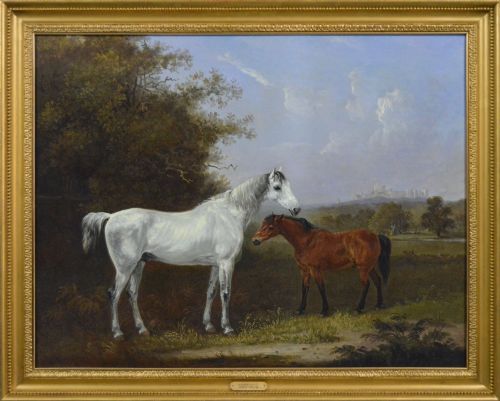
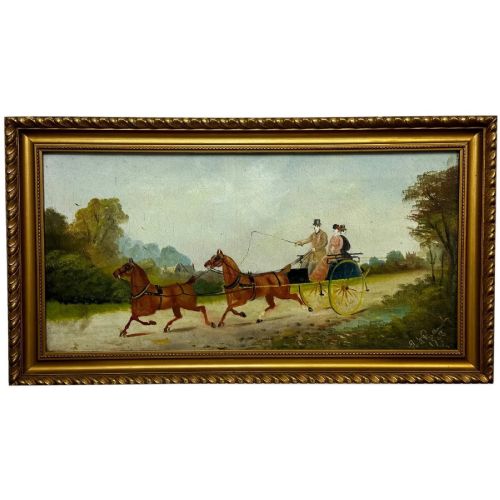
Vintage equestrian country artwork encompasses oil paintings, watercolours, pastels, and framed prints celebrating horses and rural sporting traditions. These pieces reflect historical British and French rural life, focusing on subjects like fox hunting, stable portraits, and country landscapes. Buyers looking for vintage equestrian country artwork will find significant representation from the nineteenth and early twentieth centuries.
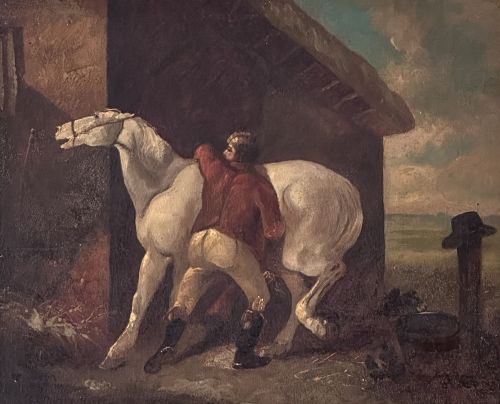
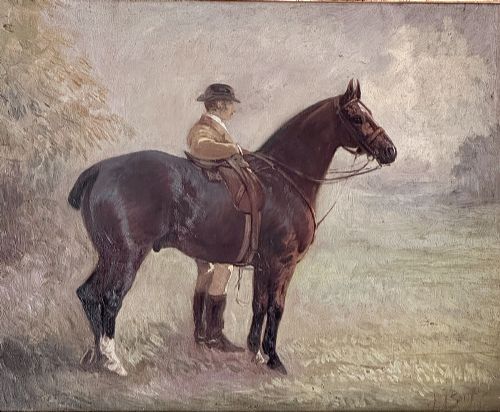
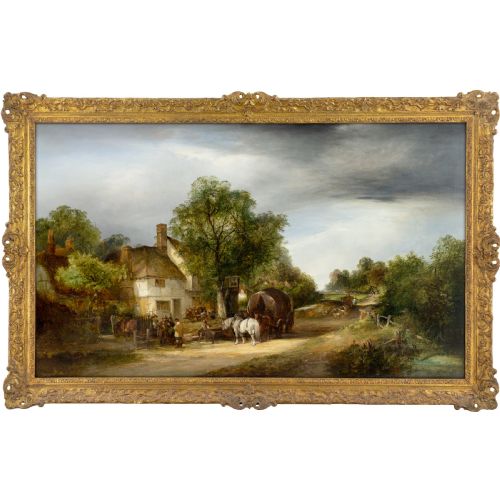
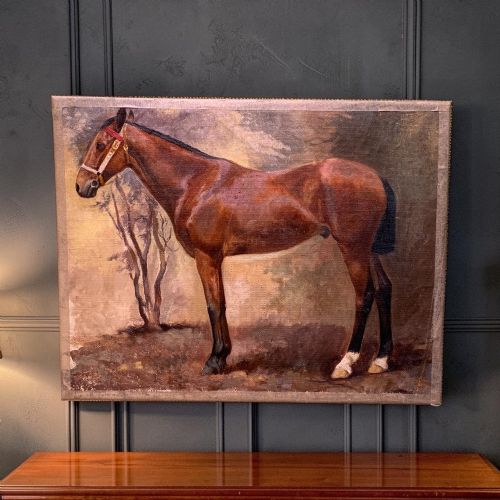
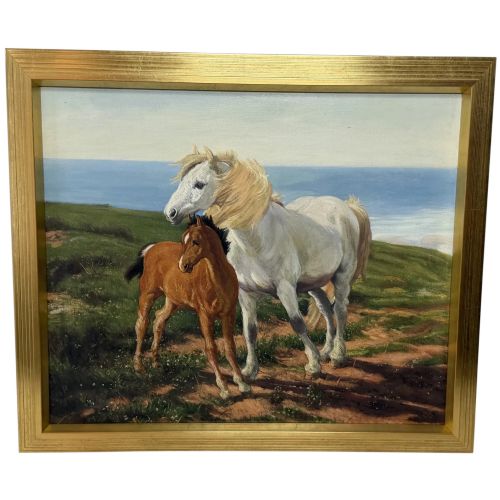
The subjects range from intimate portraits of individual racehorses and farm ponies to sweeping depictions of hunt meets and carriage processions. Many works capture specific moments in the countryside, such as horses resting near country inns or grazing in meadow estates. These creations serve as historical documents of rural heritage and sporting culture.
How They Were Made
Artists working within this genre primarily utilised oil paint on canvas, wood panel, or paper to achieve rich depth and texture in animal coats and landscapes. Watercolours and pastels on paper provide lighter, immediate studies of horses and field sports. Lithographs and hand-coloured engravings offered a wider distribution of popular sporting scenes during the Victorian era.
Framing often involved giltwood or gesso frames that complemented the traditional palette of the paintings. The integration of pencil and chalk also appears in preparatory drawings and finished sketches of hounds and horses.
Vintage Equestrian Country Artwork Retail Price Guide 2026
Typical asking prices for vintage equestrian country artwork among the pieces listed under this phrase on Sellingantiques today, from the lower quarter to the upper quarter. They describe what is for sale here now, not the wider market.
Several canvases manage to capture horses wearing expressions of profound mild annoyance while standing near country inns.
What Varies in Quality
The anatomical accuracy and vitality of the horse portrayal largely distinguish accomplished works from standard decorative pieces. Master hands capture muscle tension, equine expression, and light on the coat with precise brushwork. Background execution also matters, as detailed pastoral landscapes elevate a simple portrait into a cohesive scene.
The preservation of the original medium, whether oil on canvas or delicate paper, influences the visual impact of the artwork. Works retaining their authentic period framing and clear artist attribution command stronger recognition among collectors.
Henry Barraud·Edmund Bristow·Edwin Henry Landseer·John Frederick Herring Snr·Michael Lyne
The Vintage Equestrian Country Artwork Glossary
- Lithograph
- A printmaking technique based on the immiscibility of oil and water, utilised to reproduce detailed sporting scenes. These prints often captured popular subjects for domestic interiors.
- Giltwood
- Wood carved and covered with a thin layer of gold leaf, commonly used for traditional picture frames. This finish enhances the warmth of oil paintings.
- Aquatint
- A variant of etched printmaking that produces tonal areas resembling watercolour washes. It was frequently used for sporting prints and rural illustrations.
- Panel
- A flat piece of wood used as a rigid support for oil paintings before canvas became standard. Panels offer a smooth surface for fine detail work.
Vintage Equestrian Country Artwork: Frequently Asked Questions
How do I care for antique oil paintings?
Keep paintings away from direct sunlight and dramatic temperature fluctuations to protect the canvas and paint layers. Dust gently with a soft, dry brush without applying moisture or cleaning solutions.
Consult a professional conservator if the surface requires deeper cleaning or stabilisation. Proper framing helps shield the artwork from environmental damage.
What subjects are common in sporting art?
Fox hunting scenes, racehorse portraits, and stableyard studies dominate the visual record of this genre. Artists also recorded carriage processions, coaching days, and rural farm life.
These subjects reflect the central role of horses in nineteenth-century transport, sport, and agriculture.
How can I date an equestrian painting?
Examine the materials, stretcher frames, and canvas types, as manufacturing standards shifted over the decades. Clothing styles, tack design, and architectural details in the background also offer clues to the period.
Signatures, dates inscribed on the reverse, and historical records of the named subjects help narrow the timeline.
Where should I hang these artworks?
These pieces suit traditional studies, living rooms, and hallways with stable ambient conditions. Pairing them with wooden furniture and neutral walls complements their rural subject matter.
Ensure the hanging location avoids dampness and excessive heat sources such as fireplaces.