
Vintage Equestrian Art Print
A vintage equestrian art print brings the movement and character of horses, riders, and racing into a room through historic engraving and lithography.
Vintage Equestrian Art Print
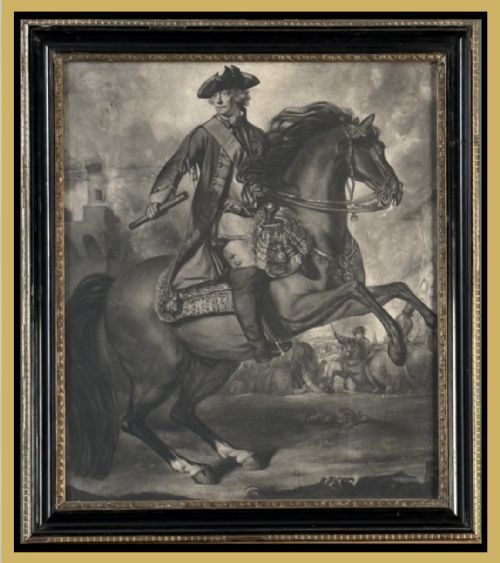
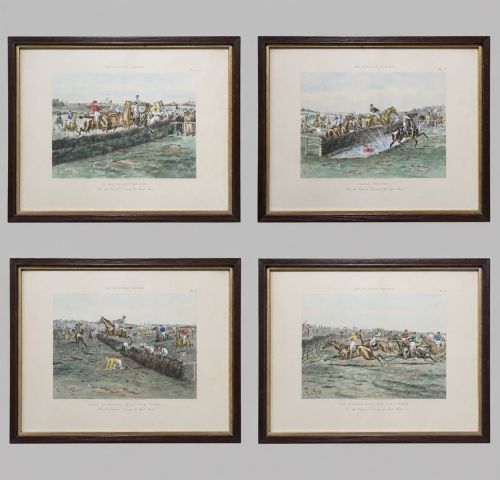
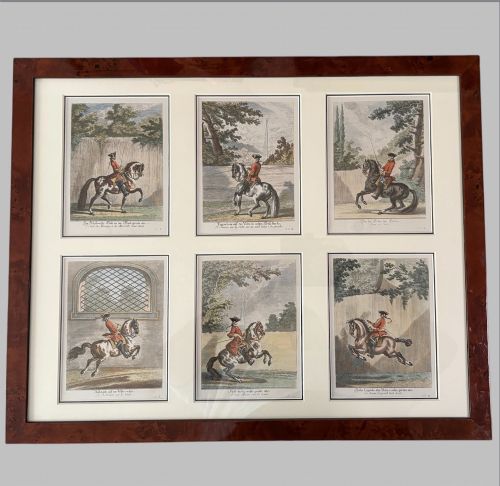
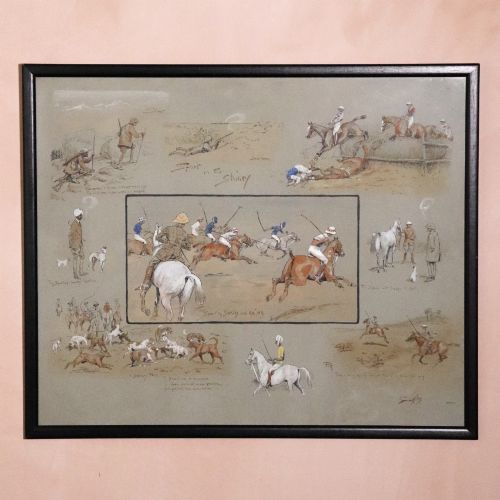
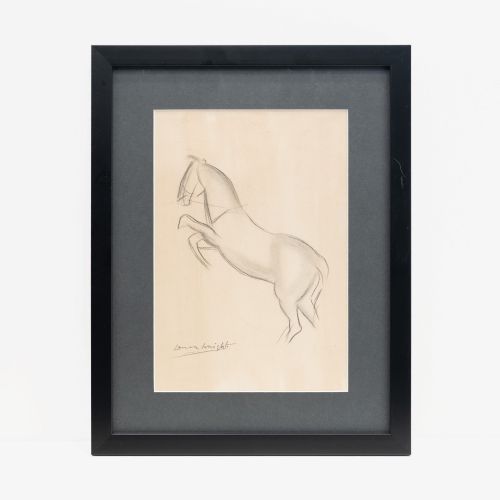
A vintage equestrian art print encompasses historic works depicting horses, racing, hunting, polo, and sporting scenes across multiple centuries. Buyers examine framed prints, lithographs, engravings, and watercolour paintings originating from Georgian, Victorian, and mid-century periods.
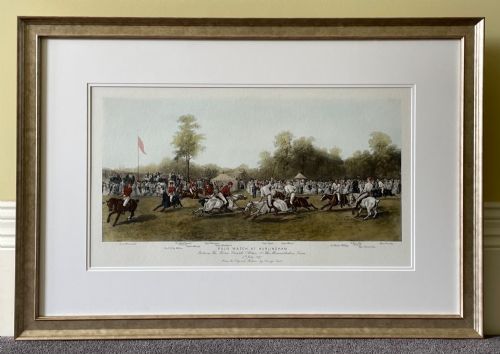
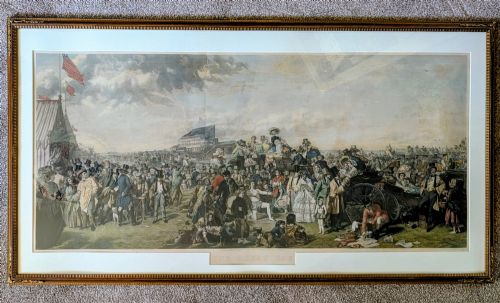
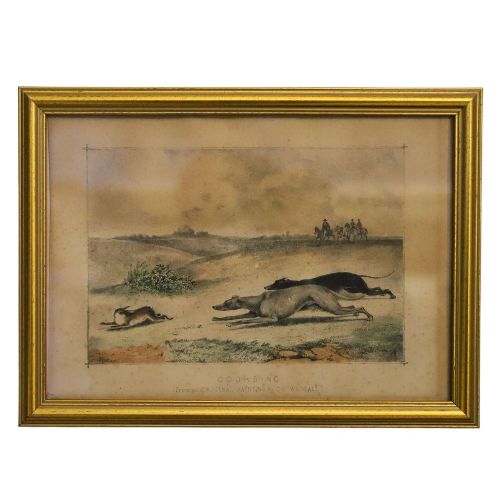
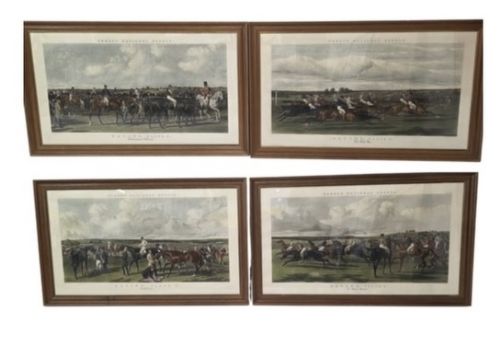
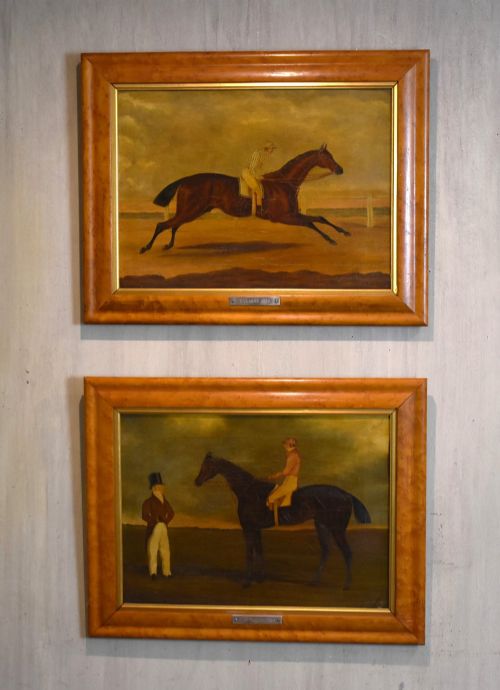
The most common examples on this page are 19th-century lithographs and engravings capturing British sporting art, polo matches, and horse racing scenes. These pieces frequently arrive in period frames constructed from wood, gilt, or glass.
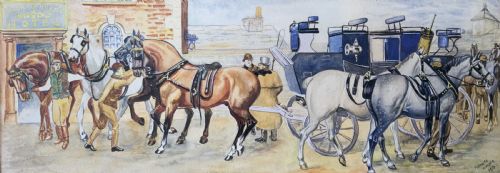
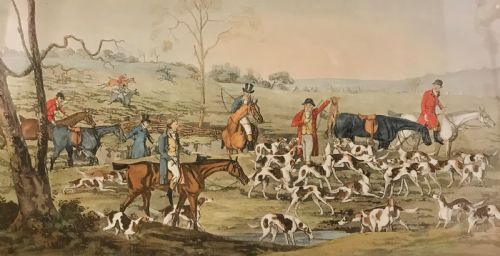
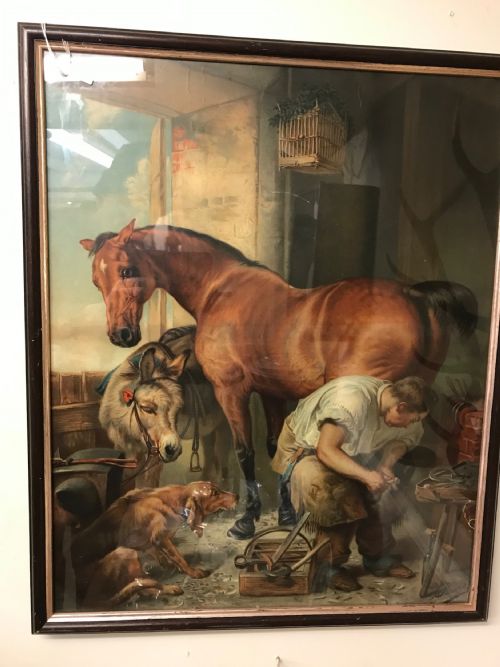
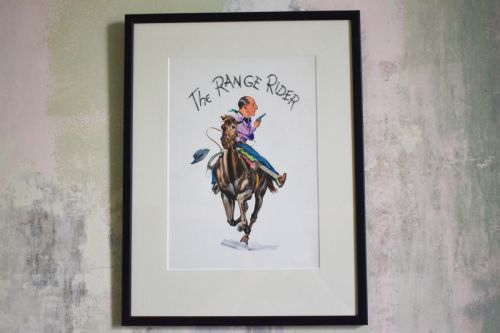
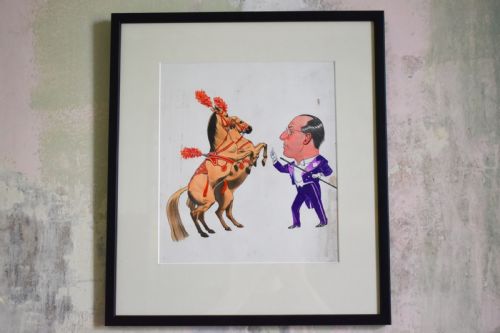
Subjects range from individual racehorse portraits and coaching watercolours to animated hunting scenes and humorous cartoons. The selection spans formal studies by named artists and anonymous publishing house prints.
Materials and production methods
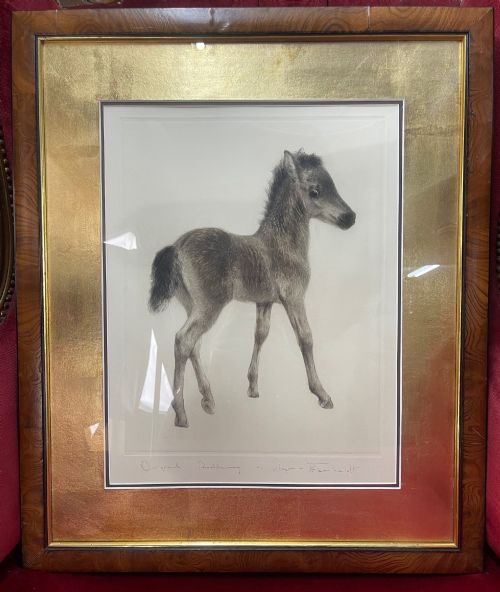
Makers utilised traditional paper supports alongside ink, watercolour, and occasionally gold leaf or gilt wood frames. Printmakers employed copper engraving, lithography, chromolithography, and drypoint techniques to transfer detailed drawings.
Hand colouring frequently applied vibrant pigments to monochrome engraved lines, enhancing the visual depth of hunting and racing compositions. Glass protection and wooden framing preserved these delicate paper works from environmental moisture.
Several horses depicted in these historic prints achieved legendary status on the racetrack before entering the artist's studio.
Distinguishing quality across the range
Quality rests upon the crispness of the original impression and the precision of any hand-applied watercolour pigments. Sharp lines in copper engravings and clean registration in lithographs separate superior works from routine reproductions.
The skill of the artist or engraver dictates the anatomical accuracy and energy of the horses and riders depicted. Original drypoints and signed watercolours by established practitioners command greater regard than mass-produced decorative plates.
Edward Fisher·Sir Joshua Reynolds·Kurt Meyer-Eberhardt·William Powell Frith·George Finch Mason·C. H. Weigall·Ridinger·Aiken·Edwin Henry Landseer·Dame Laura Knight·John Frederick Herring Snr·John Rattenbury Skeaping·Anne Goldthwaite·Gabriel Dauchot·Abraham Cooper·Alken·Alfred Wheeler·John 'Mad Jack' Mytton
The Vintage Equestrian Art Print Glossary
- Lithography
- A planographic printing process using a stone or metal plate to transfer ink onto paper. This technique enabled detailed tonal reproduction for nineteenth-century sporting scenes.
- Aquatint
- A variant of etched printmaking that produces areas of tone rather than simple lines. It creates watercolour-like washes suited to atmospheric hunting and racing prints.
- Chromolithography
- A colour lithographic technique using multiple stones to build up rich hues. It produced vibrant Victorian double-page plates.
- Drypoint
- A printmaking needle method scratching directly into metal to raise a burr that holds ink. This process yields soft, velvety lines found in artist-signed works.
- Eglomise
- Gilding applied to the rear face of glass to create a reflective background. It frames historic portraits and racing subjects with a decorative border.
Vintage Equestrian Art Print: Frequently Asked Questions
How should I hang my framed prints?
Hang these framed works away from direct sunlight to protect the paper and watercolour pigments from fading over time.
Maintain stable indoor humidity levels to prevent warping in the antique wooden frames.
What subjects are most common?
Horse racing, fox hunting, polo matches, and individual portraits of famous racehorses dominate the subjects.
Sporting scenes capture the dynamism of horses in motion across various historic eras.
Are these works original antique pieces?
The selection includes original 18th-century engravings, 19th-century lithographs, and mid-century paintings created by period artists.
Each listing specifies the production technique and estimated period of origin.
How do I identify different print periods?
Examine the paper quality, printing technique, and framing style alongside any visible publisher inscriptions or signatures.
Georgian and Victorian pieces often display distinct plate marks and hand-coloured details absent in later reproductions.