


Antique Horse Riding Art
Antique horse riding art captures the speed and form of the equestrian world through centuries of painting, engraving, and sculpture.
Antique Horse Riding Art
When you search for antique horse riding art, you encounter a specialised selection of framed prints, oil paintings, and decorative sculptures that celebrate equestrian subjects. These pieces span from the Georgian period through the Victorian era and into the early twentieth century.
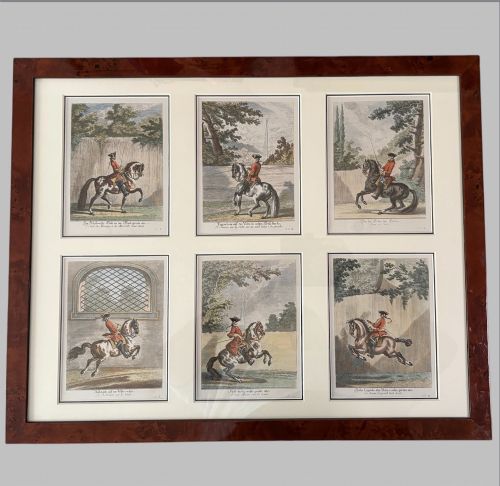
The objects on this page range from copper engravings and watercolour hunt scenes to oil paintings of famous riders and hounds. You will frequently find works attributed to notable sporting artists alongside anonymous folk art figures.
Many of these works document British sporting traditions, including hunt scenes, steeplechases, and leisurely park rides in London. Others record the artistry of French school painters and fairground carvers working in the early decades of the twentieth century.
Materials and Methods
Artists and makers utilised traditional media such as oil paint, watercolour, and ink on paper or canvas. Hand colouring often added vibrancy to copper engravings and printed works.
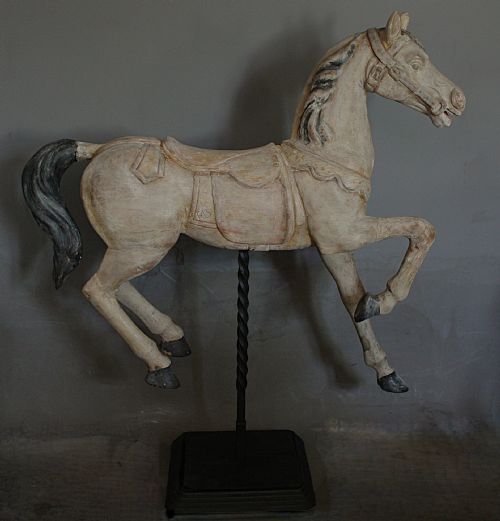
Sculptural pieces and fairground figures were shaped from wood and iron, employing carving and metalworking techniques suited to decorative objects.
Horses gallop forever across these walls, refusing to drop the half crown.
Assessing Quality and Execution
Quality in these works rests upon the precision of the draughtsmanship and the artist's ability to render the anatomy and motion of the horse. The handling of light and atmosphere distinguishes a master oil painting from a standard decorative print.
The condition of the paper, canvas, or carved wood surface also influences the standing of a piece. Original frames and clear signatures by known equestrian artists elevate the character of the work.
Ridinger·Basil Nightingale·John Sanderson-Wells·William J Hodgson
The Antique Horse Riding Art Glossary
- Copper engraving
- A printmaking technique where an image is cut into a copper plate with a burin. Ink is then pressed into the grooves and transferred to paper under pressure.
- Watercolour
- A painting method where pigment is suspended in a water-based solution, typically applied to paper to create translucent washes of colour.
- Gilt
- A thin layer of gold leaf or gold paint applied to surface details on frames or sculptures. It provides a bright decorative accent to the finished piece.
- Folk art
- Items created by traditional artisans or self-taught makers outside the academic mainstream. These pieces often display charming local characteristics rather than formal academic training.
Antique Horse Riding Art: Frequently Asked Questions
What periods do these pieces come from?
The works span multiple eras, beginning in the Georgian period with eighteenth-century engravings. You will also find Victorian pieces, alongside items from the early twentieth century.
Each period brings distinct printing and painting styles that reflect the fashion of the time.
How were hunting scenes depicted?
Artists captured hunting scenes through detailed oil paintings, monochrome watercolours, and sets of framed engravings. These works often show hounds, huntsmen, and horses crossing open countryside.
Makers recorded both specific named horses and general sporting gatherings.
Are these works signed by artists?
Some pieces feature signatures or attributions to known sporting artists and illustrators. Others remain unsigned, representing anonymous popular printmakers or folk art carvers.
A signature often connects a painting directly to a recognised practitioner of British or French sporting art.
How do I display framed prints at home?
Framed prints and watercolours require protection from direct sunlight to prevent fading of the paper and pigments. Traditional frames complement the historical nature of these equestrian subjects.
Hanging them at eye level in studies, hallways, or living spaces highlights their detailed compositions.