




Vintage Entryway Console Table
A vintage entryway console table sits narrow and purposeful against a hallway wall, offering a surface for letters and keys.
Vintage Entryway Console Table
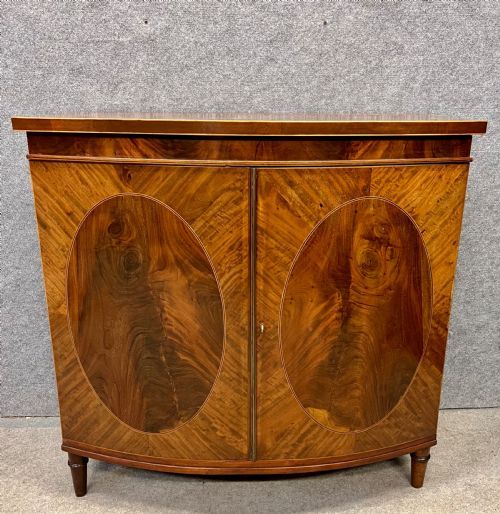
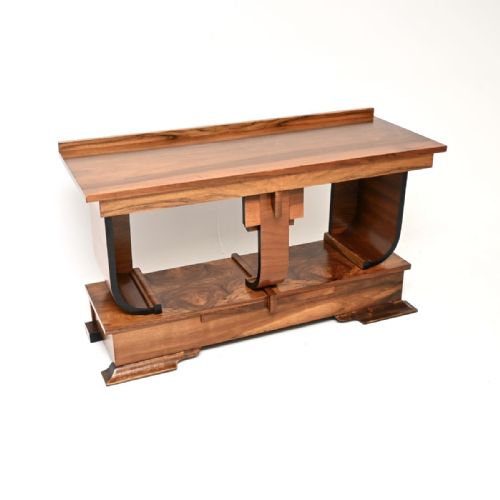
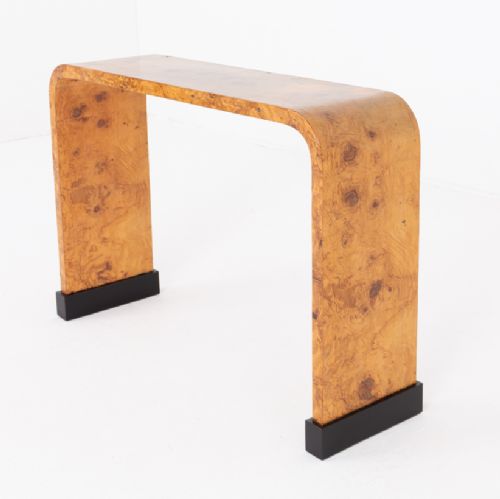
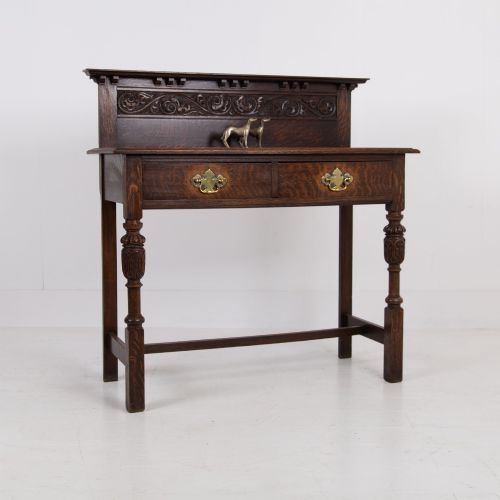
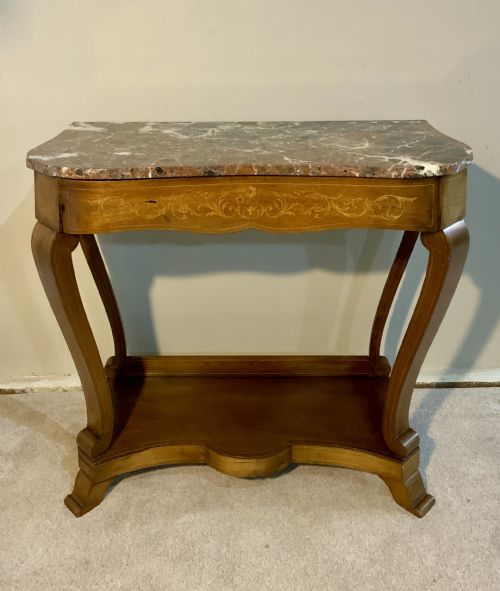
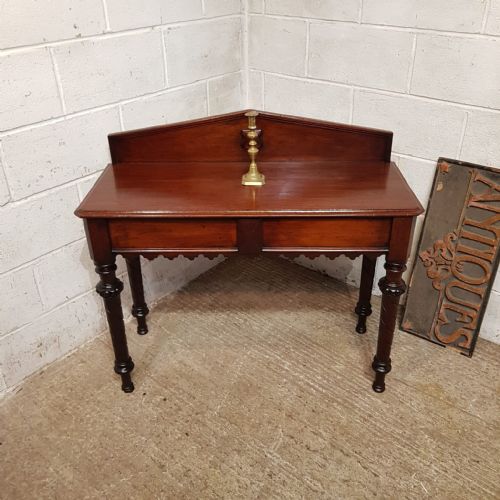
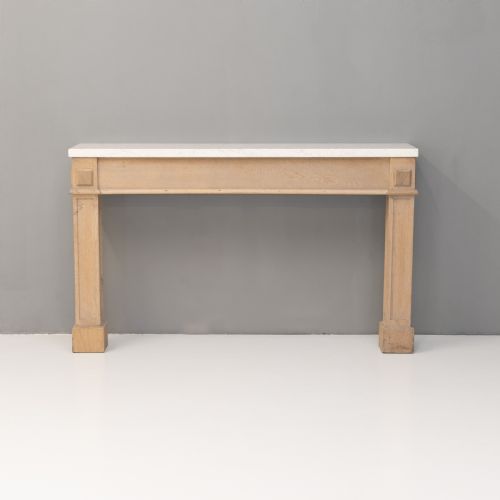
A vintage entryway console table bridges several forms including side tables, hall tables, cabinets, hall stands, and trestle tables designed to fit shallow spaces. You will find pieces spanning the eighteenth, nineteenth, and twentieth centuries, reflecting diverse periods such as Georgian, Victorian, Edwardian, Art Deco, and the early twentieth century.
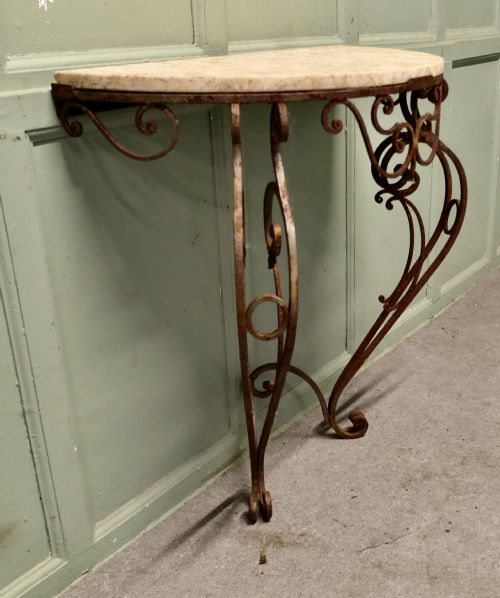
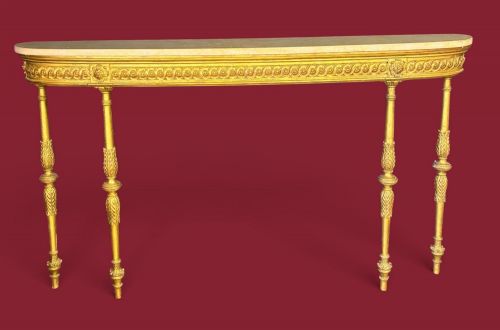
French regional influences dominate many examples, appearing in French Chateau, French Country, and Empire styles alongside English iterations like Jacobean Revival and Neoclassical. These tables range from demi-lune shapes designed to hug walls to rectangular side tables and elaborate giltwood console tables with mirrors.
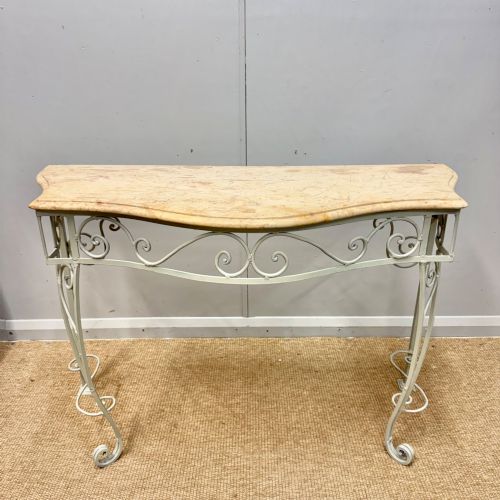
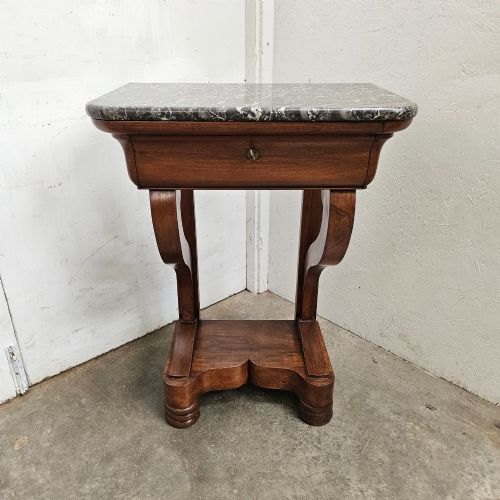
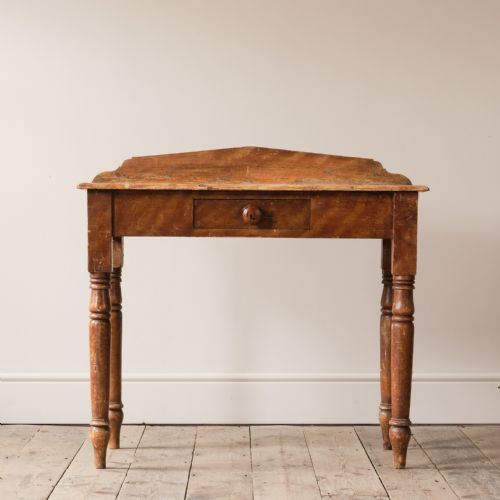
The materials vary widely across the selection, featuring timbers such as oak, mahogany, walnut, pine, sycamore, elm, and painted wood, frequently paired with heavy marble tops, wrought iron, brass, and giltwood. Such variety ensures a table suits both formal reception rooms and casual country house interiors.
Materials and construction methods
Makers utilised solid hardwoods like oak, mahogany, and walnut alongside softer pine and painted wood, often applying veneers such as burr walnut or satinwood to key surfaces. Ironwork and brass appeared in structural elements and decorative mounts, particularly on French pieces.
Stone tops, notably fossil marble and standard marble, required skilled masonry to fit heavy slabs precisely onto wooden or iron frames. Carving, gilding, and original paint finishes were applied by hand to achieve the ornate details seen in Baroque, Neoclassical, and French carved gilt-wood examples.
Some tables come with matching mirrors to ensure you catch one last glimpse of your hat before stepping out.
Assessing quality in construction and finish
Quality rests heavily on the integrity of the materials and the execution of the woodwork, from crisp hand-carving on gilt-wood frames to the secure mounting of heavy marble slabs. Superior pieces maintain their original timber patination and paint finishes without losing structural rigidity in slender legs and joints.
The sophistication of the design dictates distinction, separating simple vernacular oak hall tables from elaborately inlaid demi-lune sideboards and carved serpentine tables. Harmony between the base materials, such as wrought iron paired with marble or brass accents, defines the most successful examples.
The Vintage Entryway Console Table Glossary
- Demi-lune
- Half-moon shape. This curve allows a console table to stand flat against a wall while projecting minimally into a narrow hallway.
- Console table
- A table fixed to a wall or freestanding with front legs. It is traditionally used in entrance halls and reception rooms.
- Giltwood
- Wood covered with a thin layer of gold leaf. This technique creates a brilliant decorative surface on Neoclassical and baroque frames.
- Fossil marble
- Limestone containing distinct fossilised remains. It provides a heavily patterned, durable stone top for formal tables.
Vintage Entryway Console Table: Frequently Asked Questions
Where should I place a console table?
These narrow tables suit entrance halls, narrow corridors, and passageways where floor space is limited. Their shallow depth allows them to sit flush against a wall without obstructing movement.
They also function effectively in reception rooms beneath mirrors or paintings, providing a neat surface for lamps and decorative objects.
How do I care for a marble top?
Marble surfaces require gentle cleaning with a damp cloth and mild soap to protect the stone from staining and acid etching. Avoid harsh chemical cleaners that can dull the polished finish over time.
Using coasters and placemats helps prevent moisture rings from glasses and flower vases placed on the table.
Are these tables sturdy enough for daily use?
Most console tables are built with specific wall-fixing designs or rely on substantial frames to support heavy marble tops safely. Properly maintained joints and solid timber construction ensure they handle everyday items like keys and post easily.
Heavier pieces featuring wrought iron or dense hardwoods offer exceptional stability in busy hallways.
How do I identify the period of a table?
Period identification relies on stylistic cues such as the geometric lines of Art Deco, the ornate carving of Victorian pieces, or the neoclassical symmetry of earlier centuries. Timber selection and construction methods also point towards specific eras like the Edwardian period or the nineteenth century.
Comparing the decorative motifs with documented furniture styles helps narrow down the manufacturing date.