

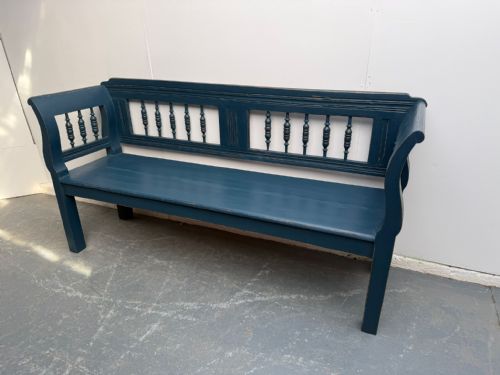


Vintage Entry Bench
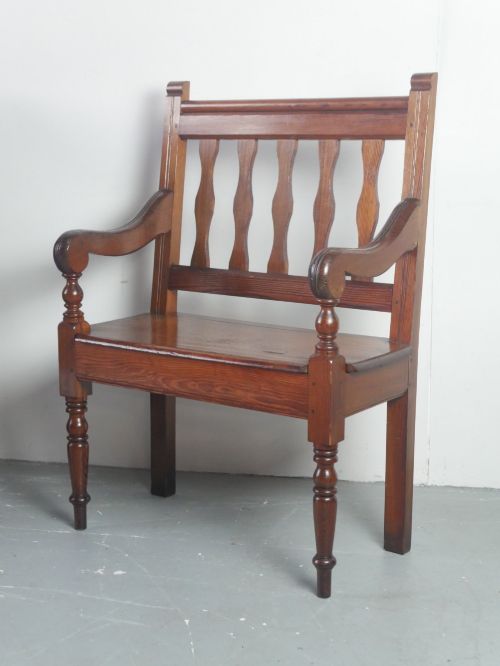
A vintage entry bench provides a practical seat and storage in a hallway, shaped by the styles of the nineteenth and twentieth centuries.
Vintage Entry Bench
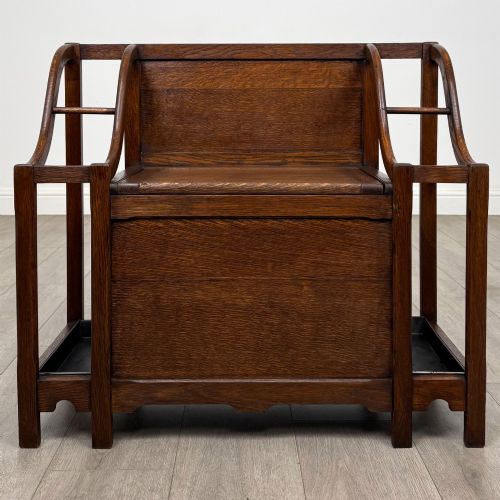
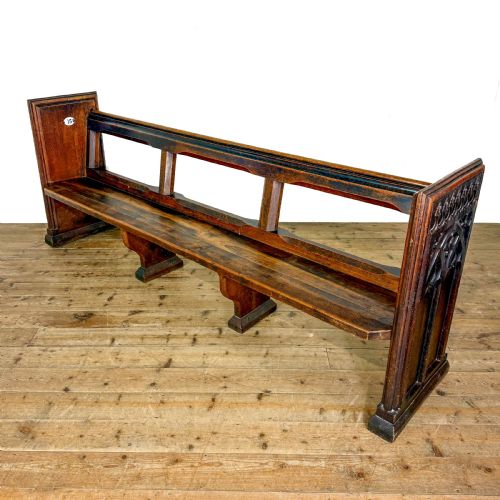
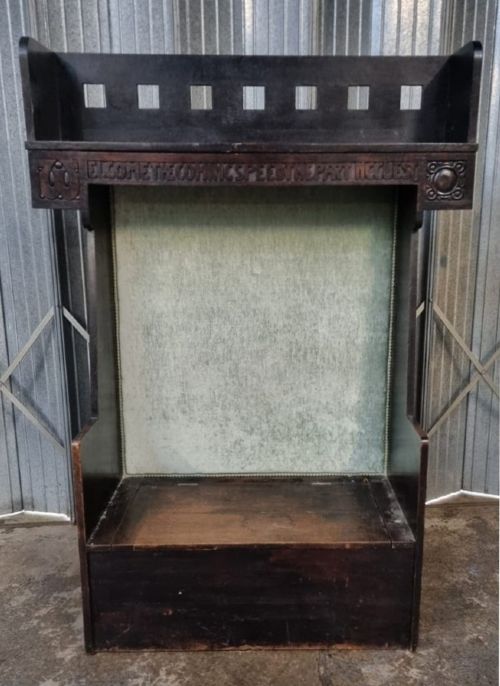
A vintage entry bench serves as a functional seating piece for a hallway or boot room, often incorporating compartments for storage or umbrella stands. These items span periods from the Georgian era through to the 1920s, reflecting diverse regional workshops across Europe and Britain.
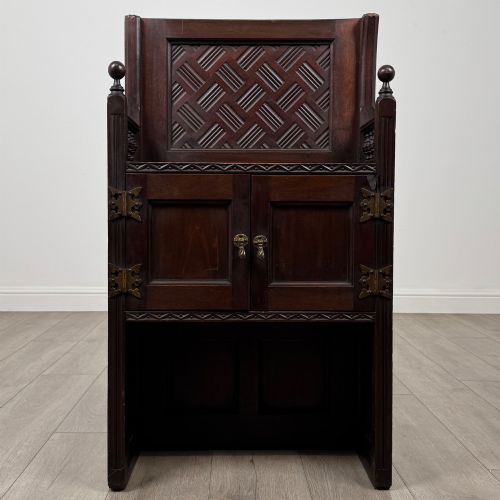
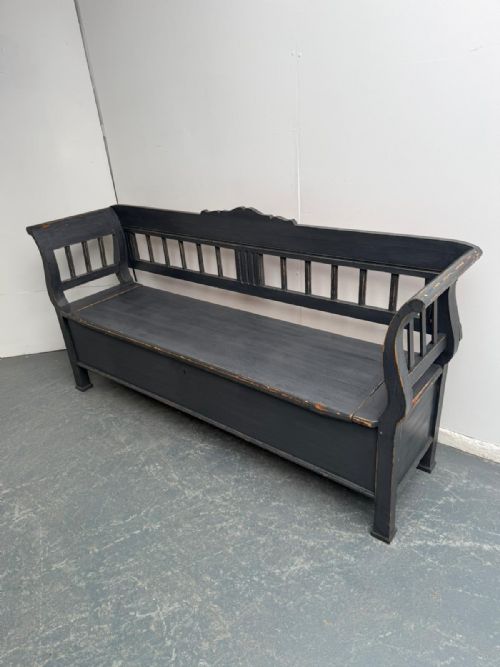
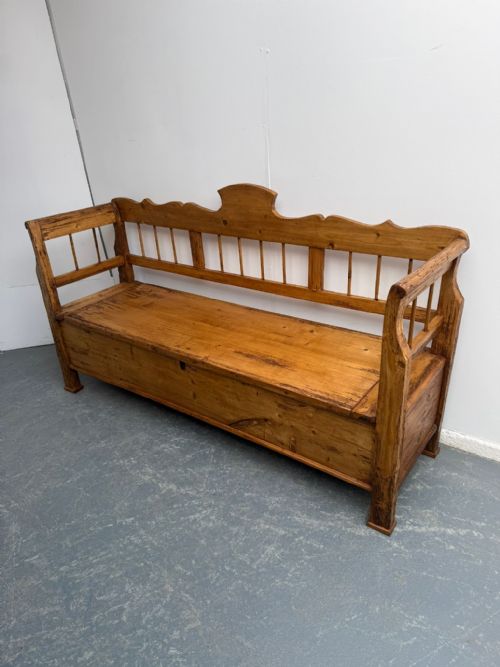
The selection on this page relies heavily on utilitarian forms such as pine box settles, church pews, oak hall seats, and Arts and Crafts settles. Buyers frequently encounter pieces constructed in solid pine, sometimes with original painted finishes, or carved oak displaying revival styles.
Originating from domestic, ecclesiastical, and tavern settings, these benches offer robust construction suited to heavy daily use in narrow spaces. Their dimensions vary from compact single seats to large three-seater storage settles.
How they were made
Construction relies primarily on solid timbers such as pine, oak, mahogany, and walnut, joined using traditional methods like mortise and tenon. Carved details on oak examples demonstrate hand-chiselled decoration, particularly within Arts and Crafts and Jacobean Revival pieces.
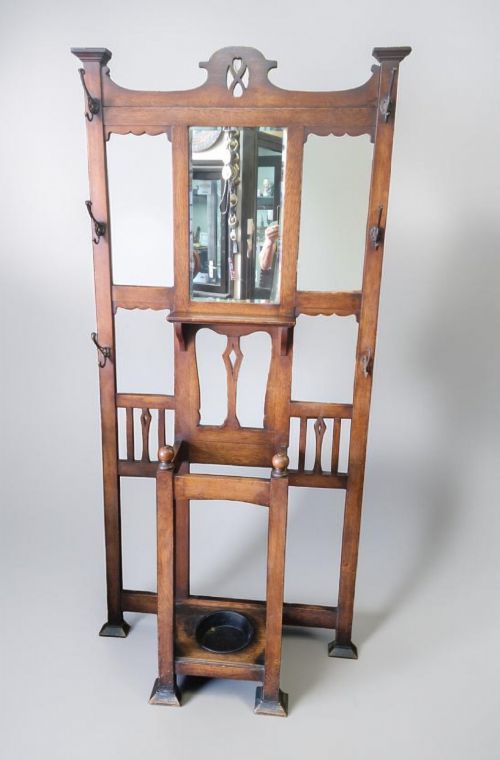
Painted finishes appear frequently on pine benches from regional traditions, utilising layered pigments that age through natural wear. Iron and metal hardware, including hinges and hat hooks, secure the structural elements on hall stands and box settles.
Listings feature items from the Georgian era, Victorian period, and Edwardian years, constructed in pine, oak, mahogany, and walnut.
What varies in quality
Quality rests in the integrity of the timber and the preservation of original surfaces, such as early painted or waxed finishes. Pieces retaining their original hardware, uncompromised storage boxes, and unaltered structural proportions command greater regard.
The refinement of hand-carved ornamentation distinguishes standard utilitarian pews from sophisticated country house seating influenced by the Arts and Crafts movement or specific revival styles.
Shapland and Petter·Liberty
The Vintage Entry Bench Glossary
- Box settle
- A wooden bench featuring a high back, armrests, and a hinged seat concealing a storage compartment underneath. This form kept draughts away and held household belongings.
- Monks bench
- A convertible piece of furniture designed to function as a bench with a solid back that folded down to create a table top.
- Church pew
- A long wooden bench traditionally utilised for seating in ecclesiastical buildings, commonly constructed from solid pine or oak.
- Hall stand
- A combined piece of furniture incorporating a bench or seat alongside vertical panels fitted with hooks for hats and coats, often including a stick or umbrella well.
Vintage Entry Bench: Frequently Asked Questions
How do I choose the right size bench for a narrow hallway?
Measure the available floor space carefully, accounting for the clearance needed to open any integrated storage boxes or doors on nearby furniture. Compact hall seats or shallow pews fit restricted circulation areas without blocking doorways.
Consider the height of the backrest or any attached hat and coat hooks so the piece does not overwhelm low ceilings or light switches.
Were these benches originally made for hallways?
Many items designed as pews, settles, or tavern benches originated in churches, public houses, or farmhouses rather than domestic entrance halls. Their relocation to hallways stems from their practical narrow profiles and useful storage capabilities.
Purpose-built hall stands and specific oak hall seats emerged later in the nineteenth century as dedicated furniture for receiving visitors at the front of a house.
How should I care for an old painted pine bench?
Maintain painted surfaces by dusting gently with a dry cloth and avoiding harsh chemical cleaners that strip historical pigment. Wax can be applied sparingly to unpainted timber sections to nourish the dry wood.
Keep the bench away from direct heat sources such as radiators to prevent the old pine from splitting or warping over time.