


Vintage English Pottery Figures
These vintage english pottery figures bring the character of nineteenth century parlours and twentieth century mantelpieces directly into your home.
Vintage English Pottery Figures
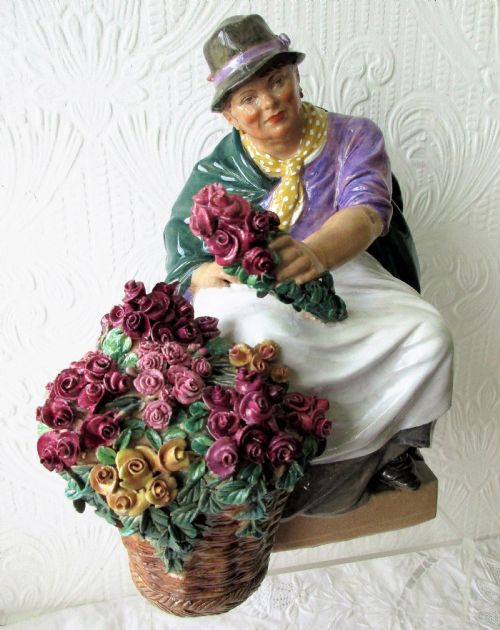
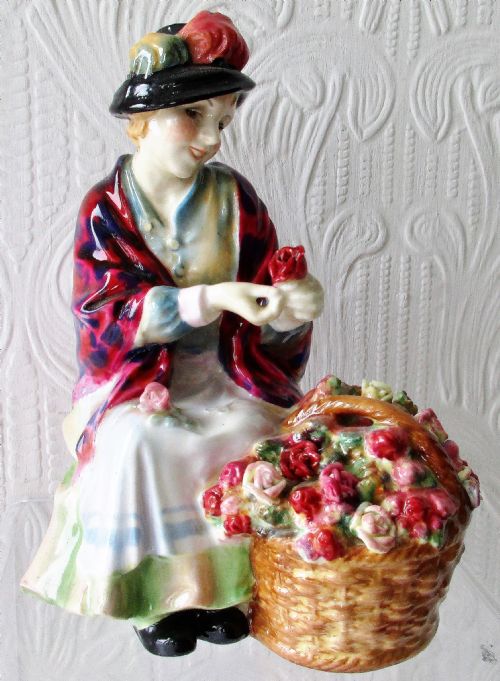
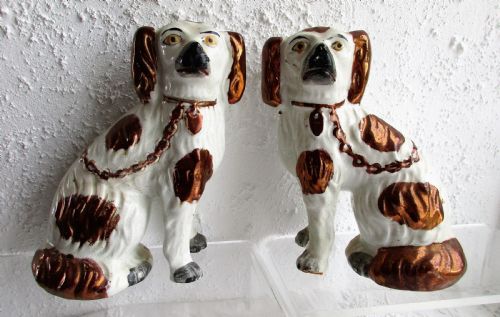
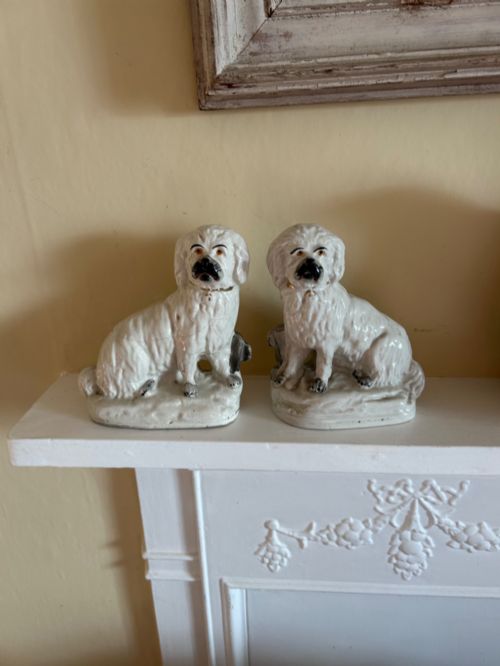
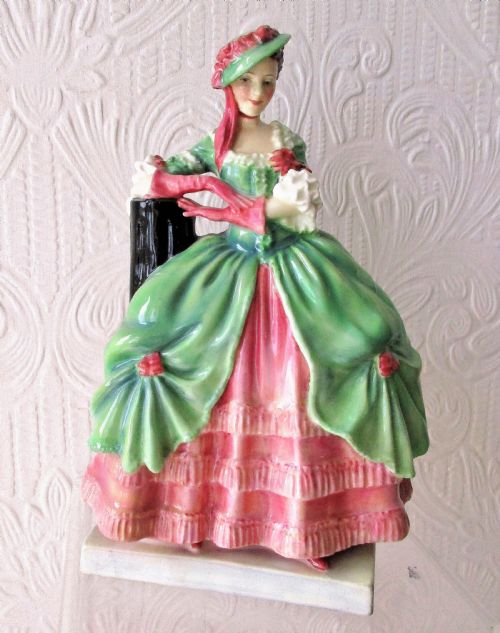
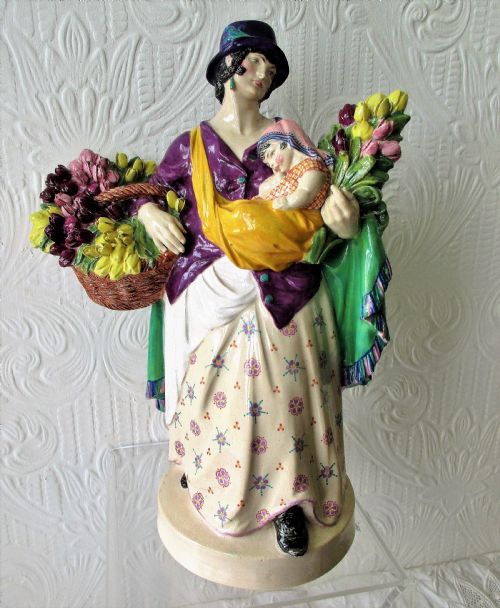
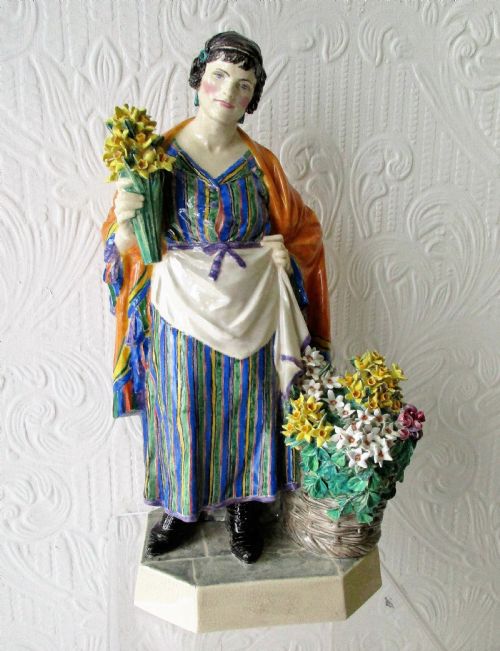
When you search for vintage english pottery figures, you encounter a diverse array of earthenware and porcelain objects spanning the Victorian era through the early twentieth century. The selection ranges from robust Staffordshire flatback figures and spaniel pairs to studio pottery figurines by makers such as Charles Vyse.
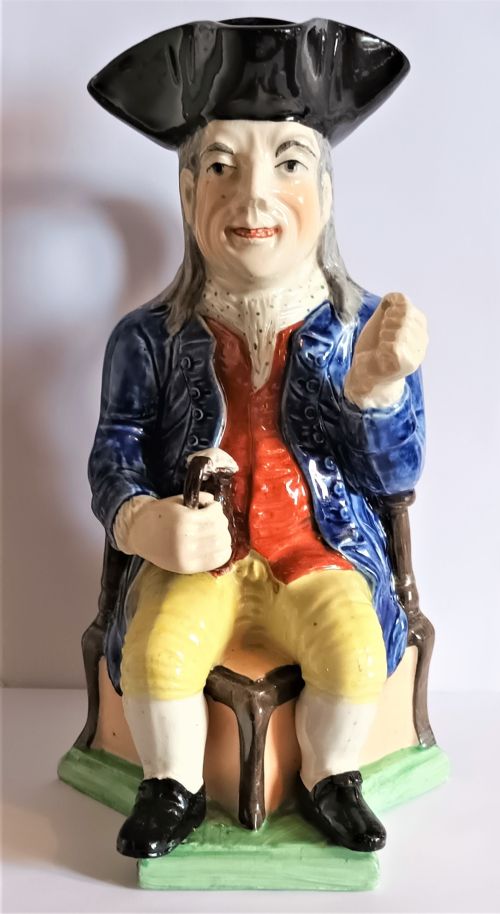
You will frequently find decorative groupings, Toby jugs, and animal models including greyhounds, lions, and poodles intended for mantelpiece display. The forms extend to practical items such as candlesticks, tobacco jars, and bookends modelled in ceramic.
The origins stretch from early nineteenth century pearlware pieces up to Art Deco designs from the nineteen thirties and forties. Victorian Staffordshire output forms the backbone of the selections on offer.
How They Were Made
The makers utilised earthenware, pearlware, and porcelain bodies, shaping them through moulding and hand modelling before firing. Surface decoration relied upon lead glazes and hand painted enamel colours, sometimes accented with gilt highlights.
Studio potters applied individual modelled details and distinct enamel palettes to their figures, while nineteenth century factories produced moulded flatbacks and mantel ornaments in large quantities for domestic display.
What Varies in Quality
Modelling depth and sculptural presence differentiate robust pairs of animals or portrait figures from simpler mass produced counterparts.
Charles Vyse·Royal Doulton
The Vintage English Pottery Figures Glossary
- Flatback
- A figure moulded with a finished front and a plain, unglazed or partially glazed flat rear designed to stand against a wall.
- Pearlware
- A refined earthenware developed in the late eighteenth century featuring a subtle bluish glaze that pooled in recesses.
- Toby Jug
- A pottery jug modelled in the form of a seated stout person, usually holding a mug or a jug of beer.
- Lead Glaze
- A glossy coating containing lead oxide applied to ceramics to create a waterproof and lustrous finish.
Vintage English Pottery Figures: Frequently Asked Questions
What are Staffordshire flatbacks?
Staffordshire flatbacks are ceramic figures manufactured in the nineteenth century with decorated fronts and plain backs for placement on mantelpieces.
They often depicted royalty, theatrical performers, animals, or historical events for domestic decoration.
How were comforter spaniels displayed?
Comforter spaniels were typically produced as symmetrical pairs to sit at either end of a fireplace mantel.
Victorian households placed them facing inward toward one another to watch over the hearth.
What is the difference between earthenware and porcelain?
Earthenware is a porous, opaque pottery body fired at lower temperatures and finished with an opaque glaze.
Porcelain is a denser, vitrified ceramic material that can exhibit translucency when held to the light.
How do I date a pottery figure?
Dating relies upon identifying the ceramic body, glaze characteristics, and stylistic conventions associated with periods like the Victorian era or Art Deco.
Maker marks, registration numbers, and known artist signatures also assist in establishing a production decade.