
Vintage Enamel Dial Clock
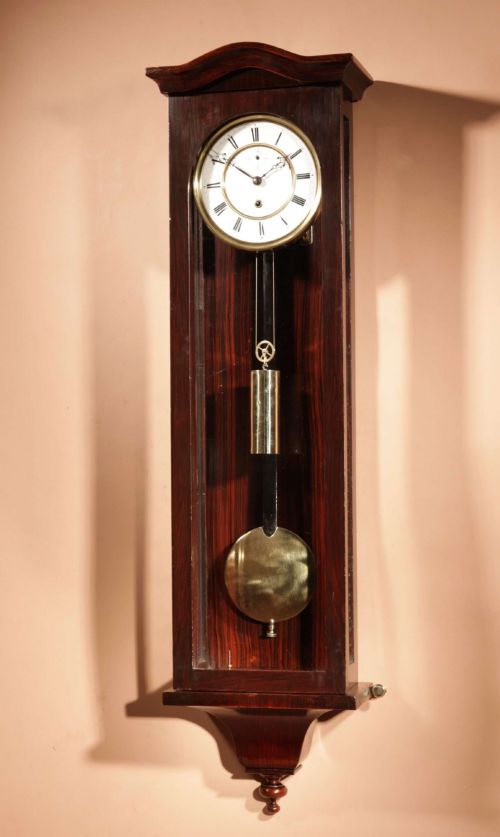
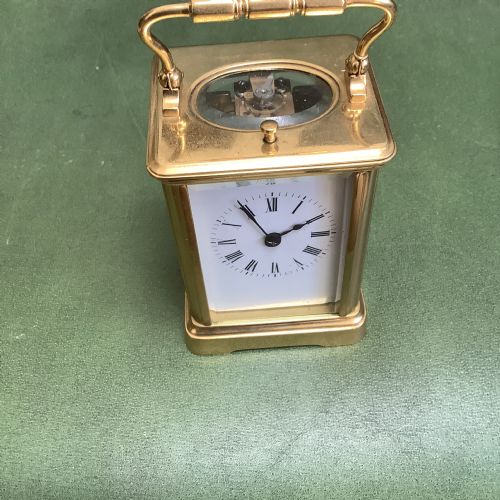
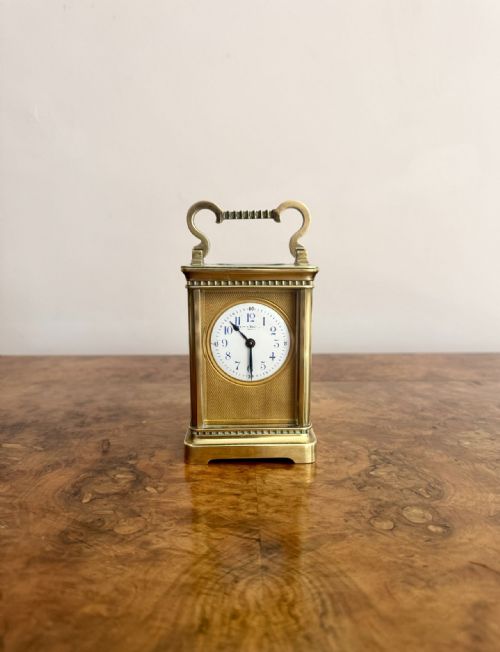
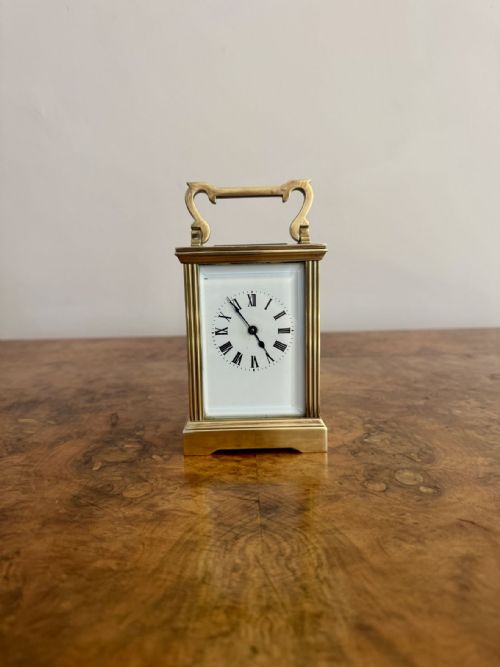
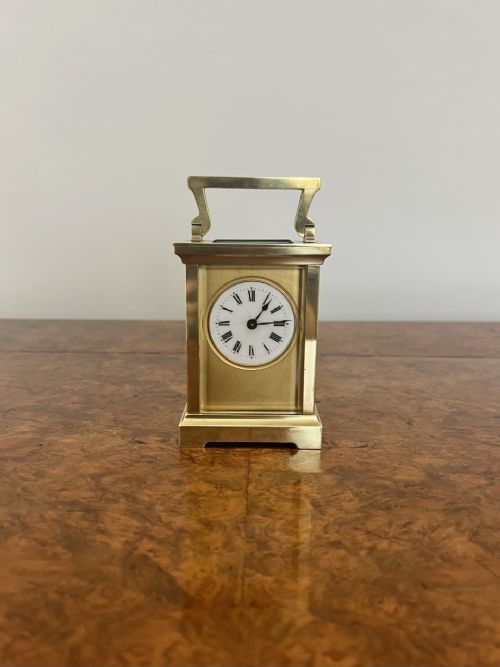
A vintage enamel dial clock brings mechanical precision and clear white faces into a room, most often found here as a portable carriage clock or a wall regulator.
Vintage Enamel Dial Clock
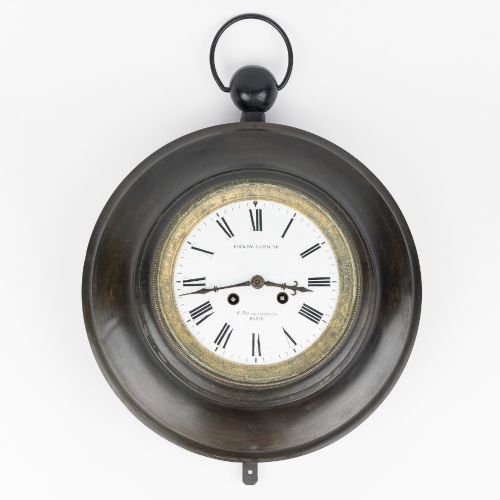
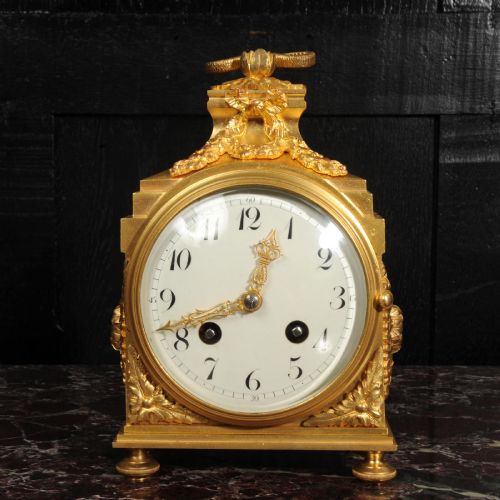
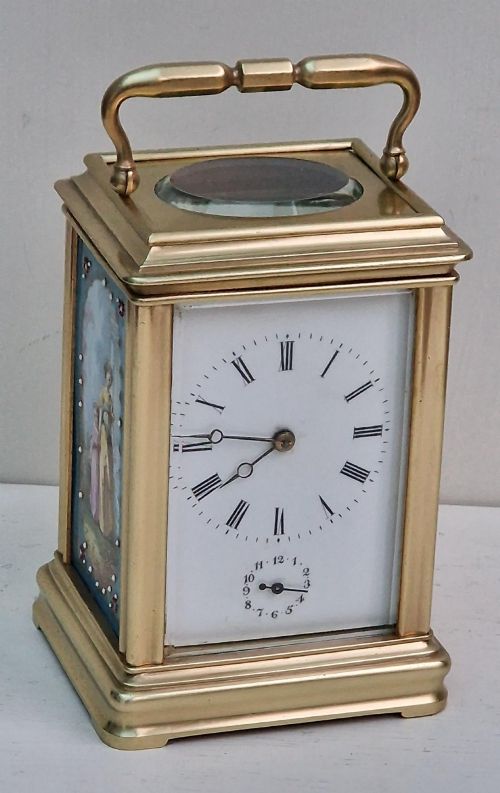
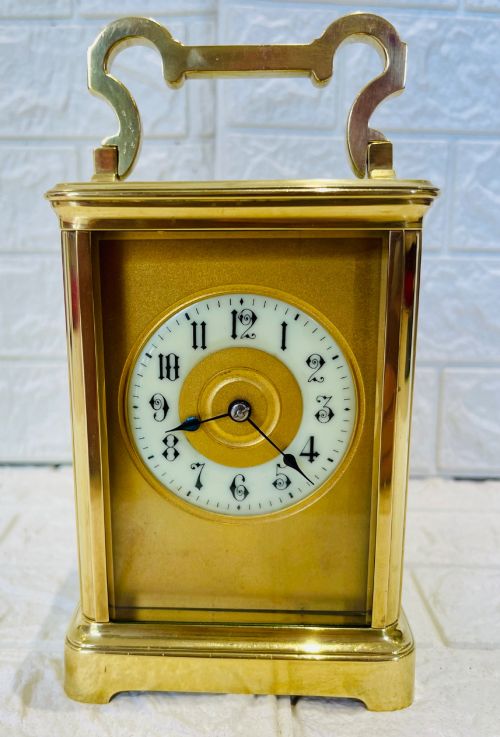
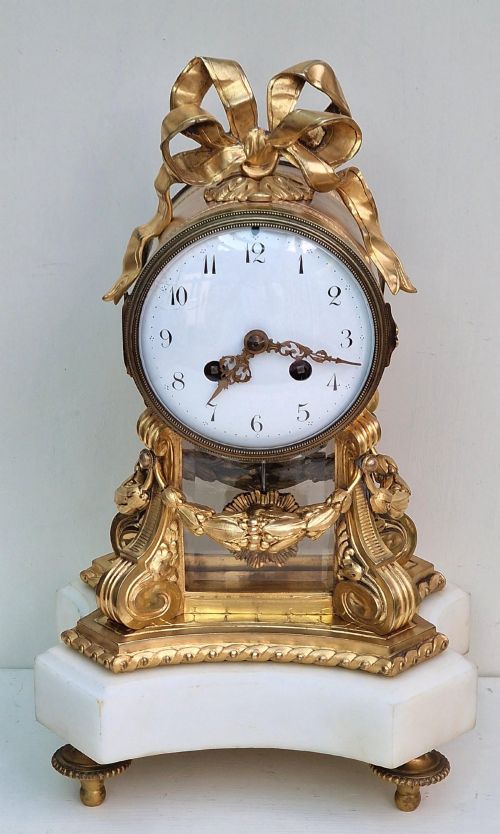
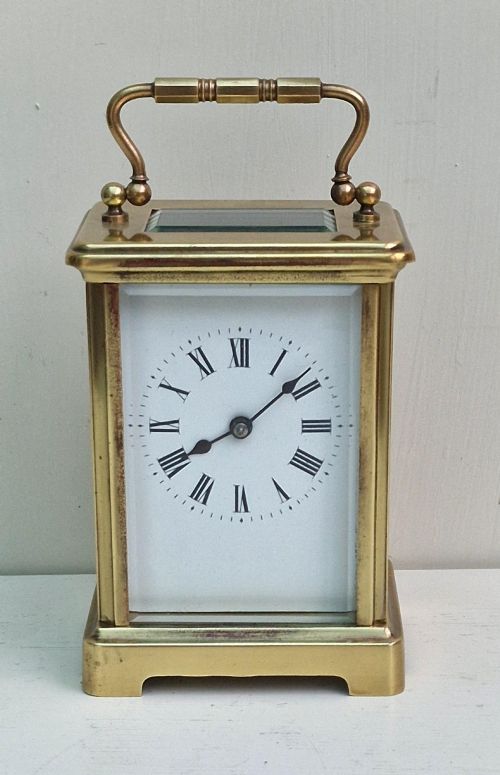
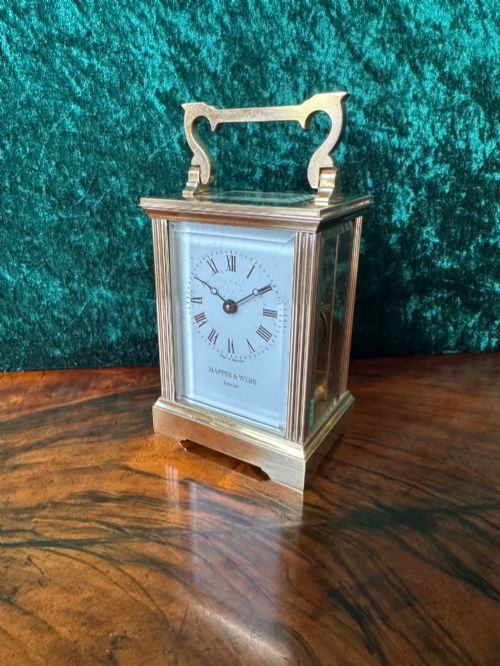
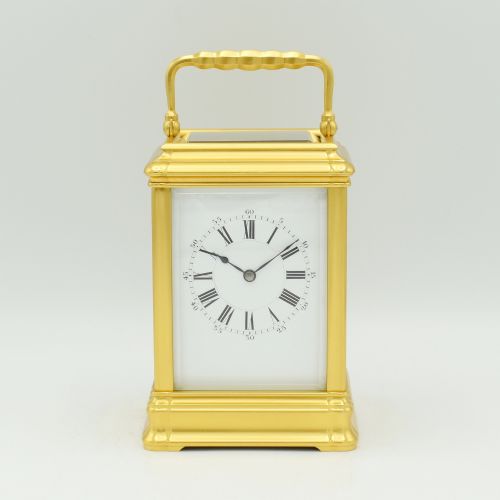
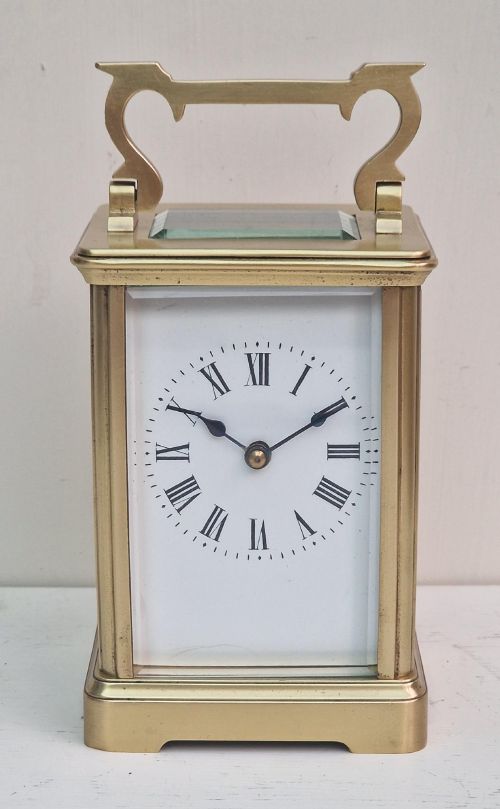
A vintage enamel dial clock is primarily encountered on this page in the form of French carriage clocks and wall clocks originating from the nineteenth and early twentieth centuries. These timepieces range from miniature examples to large goliath pocket watches and monumental mantel clocks housed in brass, ormolu, or mahogany cases.
The periods represented stretch from the Victorian era and the eighteen-eighties through Edwardian times up to the mid-twentieth century. Buyers searching for a vintage enamel dial clock will find that carriage clocks dominate the selection, frequently paired with bevelled glass panels and gilt brass framing.
Materials and construction
Cases utilise cast brass, gilt bronze, ormolu, and mahogany, often glazed with heavy bevelled glass to display the mechanical movement within. Dial faces are constructed from fired white enamel, providing a smooth, durable surface for painted Roman or Arabic numerals.
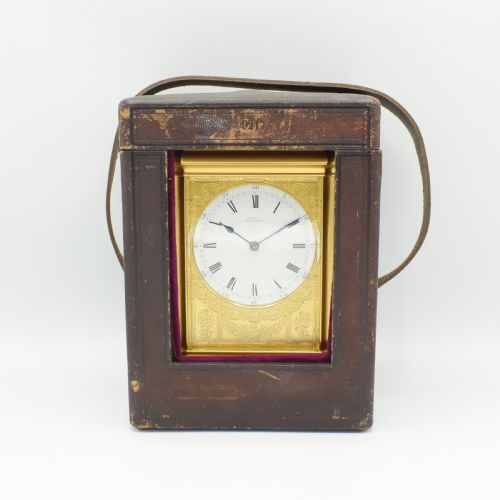
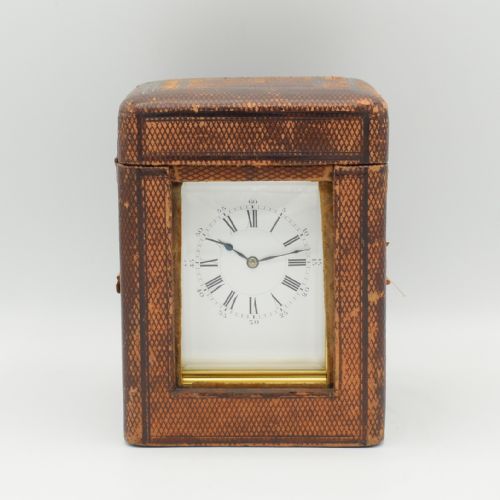
Movements are built with intricate brass gear trains, escapements, and springs, sometimes incorporating repeating complications or alarm mechanisms. Travel cases in leather frequently accompanied portable carriage clocks to protect the brass and glass exterior during journeys.
Listings span the Victorian era, Edwardian period, and mid-twentieth century, featuring brass, mahogany, and glass materials across wall and carriage clock formats.
Evaluating craftsmanship
Quality rests in the crispness of the gilt brass casting, the depth of engraving on the case, and the clarity of the fired enamel dial. Plain brass housings differ significantly from fully engraved gilt brass cases or those incorporating porcelain panels and marble bases.
The sophistication of the internal movement dictates distinction, moving from standard time-only mechanisms up to eight-day repeat striking and bell-striking complications. Complete sets retaining their original fitted travel cases represent the upper tier of surviving examples.
Henri Jacot·Mappin and Web·T Martin and Co·Pickford of London·Latshea and Sons Edinburgh
The Vintage Enamel Dial Clock Glossary
- Carriage clock
- A portable spring-driven timepiece designed for travelling during the nineteenth century. These clocks typically feature a rectangular brass case with glass panels.
- Gorge case
- A distinct carriage clock case style characterised by moulded stepped cornices at the top and base. It represents a refined French framing technique.
- Enamel dial
- A metal disc coated with fused glass powder fired at high temperatures to create a white, glossy face. Numerals are painted onto this durable surface.
- Goliath watch
- An oversized pocket watch, often measuring significantly larger than standard pocket watches. They frequently sat inside leather travelling stands or velvet-lined cases.
- Pendule d'officier
- A specific French military style of table or carriage clock dating from the nineteenth century. They often feature robust swinging handles and distinct dial layouts.
Vintage Enamel Dial Clock: Frequently Asked Questions
How do I wind a carriage clock?
Winding requires a dedicated key inserted into the arbours located on the backplate of the movement. Care must be taken not to overwind the mainspring.
Most eight-day movements require weekly attention, while smaller or simpler models may need more frequent winding to maintain accurate timekeeping.
What is a repeating carriage clock?
A repeating carriage clock sounds the last hour and quarters on demand when a small button on top of the case is pressed. This mechanism allowed owners to check the time in darkness.
Such complications add considerable mechanical complexity to the interior brass gear train.
Are travel cases original?
Many carriage clocks retain their original leather-covered wooden travel cases, lined with velvet or silk. These protect the delicate bevelled glass and gilt brass exterior.
Finding a clock with its matching case preserves the historical integrity of the piece.
How are Victorian clocks dated?
Dating relies on stylistic markers of the case, maker marks stamped on the movement backplate, and serial numbers. Victorian pieces often span from the eighteen-eighties to the turn of the century.
French makers frequently stamped their trademarks inside an oval or rectangle on the brass mechanism.