



Vintage Enamel Charm
These vintage enamel charm pieces are miniature wearable stories in metal and glass, prized by collectors for their intricate colour and historic whimsy.
Vintage Enamel Charm
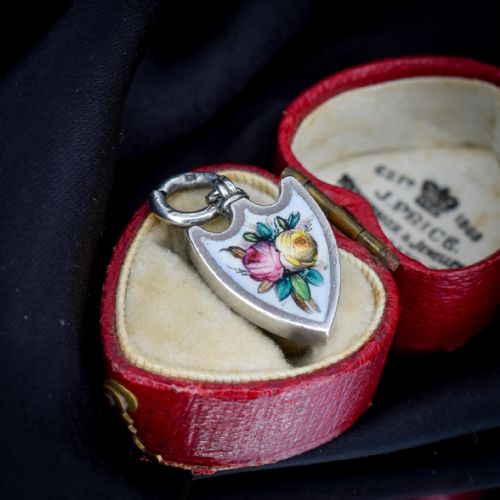
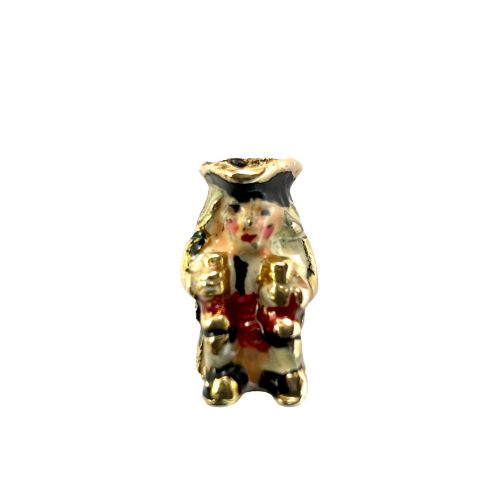
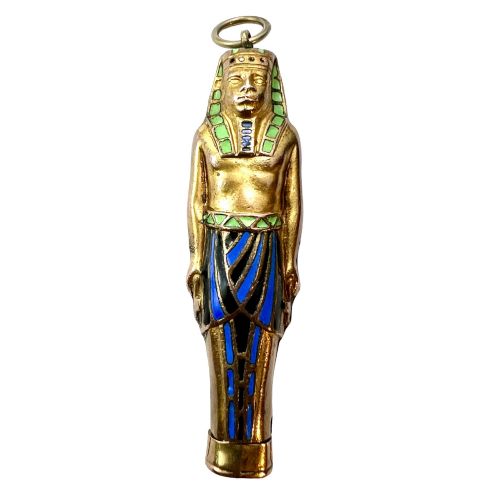
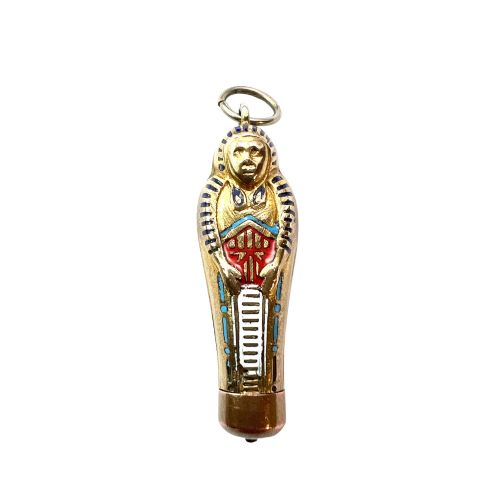
A vintage enamel charm is a small decorative pendant or fob designed to be suspended from a bracelet or chain, capturing miniature narratives in coloured glass. When searching for a vintage enamel charm, buyers encounter diverse forms ranging from realistic novelty objects like Toby jugs and opening briefcases to religious medals and geometric motifs.
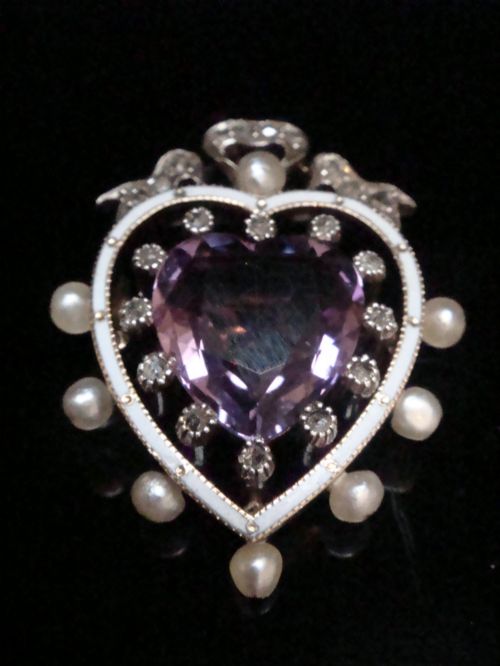
The pieces appearing on this page span several eras, crossing the Edwardian period, the 1920s Art Deco movement, and mid-century designs. Most examples combine precious metals such as gold or silver with glossy vitreous glass fused to the surface.
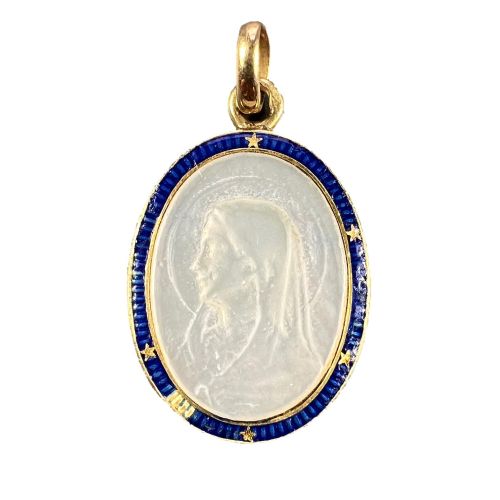
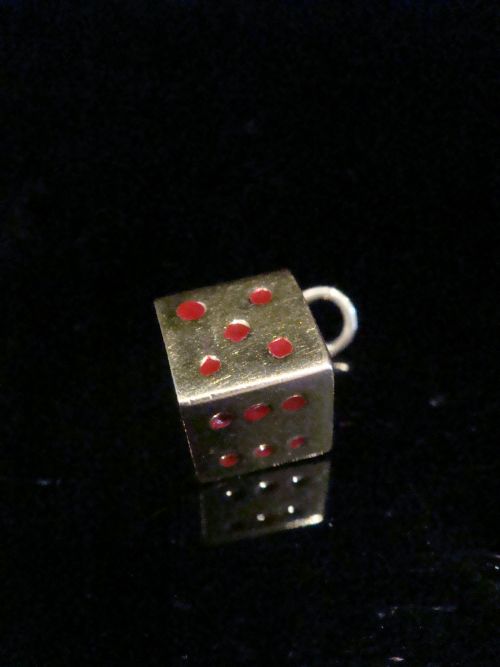
Novelty items and devotional pieces dominate the selection, often taking the shape of animals, playing cards, architectural window panes, or opening compartments. These miniature sculptures offer a tangible connection to personal pastimes, travels, and beliefs from the nineteenth and twentieth centuries.
Materials and construction methods
Craftsmen built these charms using a foundation of silver, gilt metal, or various carats of yellow gold, shaping them into solid pendants or articulated novelties. Vitreous enamel, made from powdered glass fused under high heat, provides the vibrant colour fields across the metal surfaces.
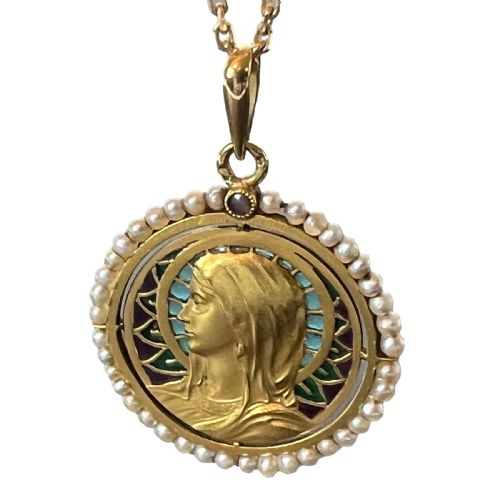
Specialised techniques such as guilloche engraving lay down precise geometric patterns beneath translucent enamel, while plique-a-jour suspends the coloured glass without a backing metal to let light pass directly through. Details are frequently enhanced with seed pearls, diamonds, turquoise, or mother of pearl set directly into the metalwork.
Vintage Enamel Charm Retail Price Guide 2026
Typical asking prices for vintage enamel charm among the pieces listed under this phrase on Sellingantiques today, from the lower quarter to the upper quarter. They describe what is for sale here now, not the wider market.
Periods represented on this page range from the 18th century through the Edwardian era to the mid-twentieth century.
Distinctions in craftsmanship and design
The calibre of a piece rests heavily on the fineness of the enamel work and the complexity of the metal fabrication. Superior examples display smooth, evenly fired glass surfaces free from interruption, alongside crisp hand-engraving and secure stone settings.
Articulated elements and intricate novelty mechanisms demonstrate higher workshop skill, separating simple stamped charms from miniature works of engineering. The choice of base material also dictates quality, with heavier gold weights and translucent plique-a-jour techniques indicating superior execution.
The Vintage Enamel Charm Glossary
- Guilloche
- An ornamental technique in which a very precise, intricate pattern is mechanically engraved into an underlying metal surface. This creates a shimmering textured background visible beneath translucent enamel.
- Plique-a-jour
- An enamelling technique resembling miniature stained glass where the enamel is applied within a wire framework without a backing. Light passes freely through the translucent coloured cells.
- Vitreous enamel
- A material made by fusing powdered glass to a metallic substrate by firing at high temperatures. The resulting glass coating provides durable and permanent colour.
- Fob
- A short strap, ribbon, or chain attached to a pocket watch, often adorned with a small decorative seal or charm. Many surviving fobs are now worn as pendants.
- Cloisonne
- An ancient technique where metal strips are soldered to a base to form compartments, which are then filled with enamel paste and fired.
Vintage Enamel Charm: Frequently Asked Questions
How do I wear these charms?
These pieces are typically suspended from heavy link charm bracelets or delicate neck chains depending on their scale. Their small format allows them to be worn singly as focal pendants or grouped together.
Heavier novelty pieces and opening charms function well as standalone items on shorter neck chains. Lighter medals and flat charms sit comfortably alongside others on a wrist bracelet.
What periods do these pieces represent?
The selection spans from the late eighteenth century through the Edwardian era and into the mid-twentieth century. Art Deco and Art Nouveau styles appear frequently alongside 1950s novelty designs.
Earlier items often feature hand-painted religious iconography or Georgian-style seals, while later twentieth-century examples lean towards humorous everyday objects and games.
Are all charms made of solid gold?
Metal standards vary widely across the inventory, ranging from silver and gilt metal to nine-carat and eighteen-carat yellow gold. Hallmarks and metal tests indicate the specific composition of each item.
Enamel is the unifying material across these diverse metal foundations, providing the distinct colour surfaces regardless of the underlying precious metal purity.
What is a novelty charm?
A novelty charm depicts a recognizable everyday object, animal, or miniature mechanical device rather than a standard geometric or religious medal. Examples include opening briefcases, propelling pencils, and playing cards.
These functional miniatures often feature moving parts or hidden compartments that open to reveal secondary details inside the metal casing.