
Vintage 9ct Gold Charm
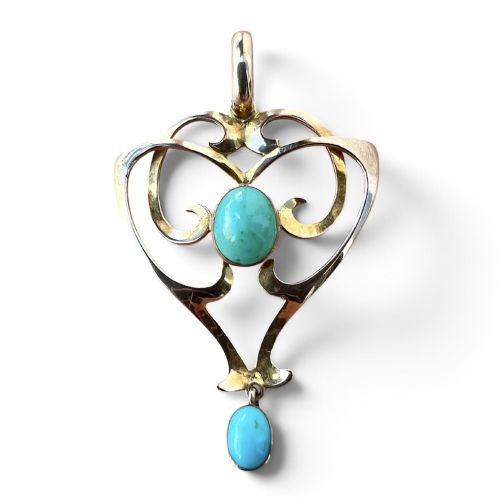
A vintage 9ct gold charm offers a tangible record of personal history, rendered in the warm tones of yellow and rose gold.
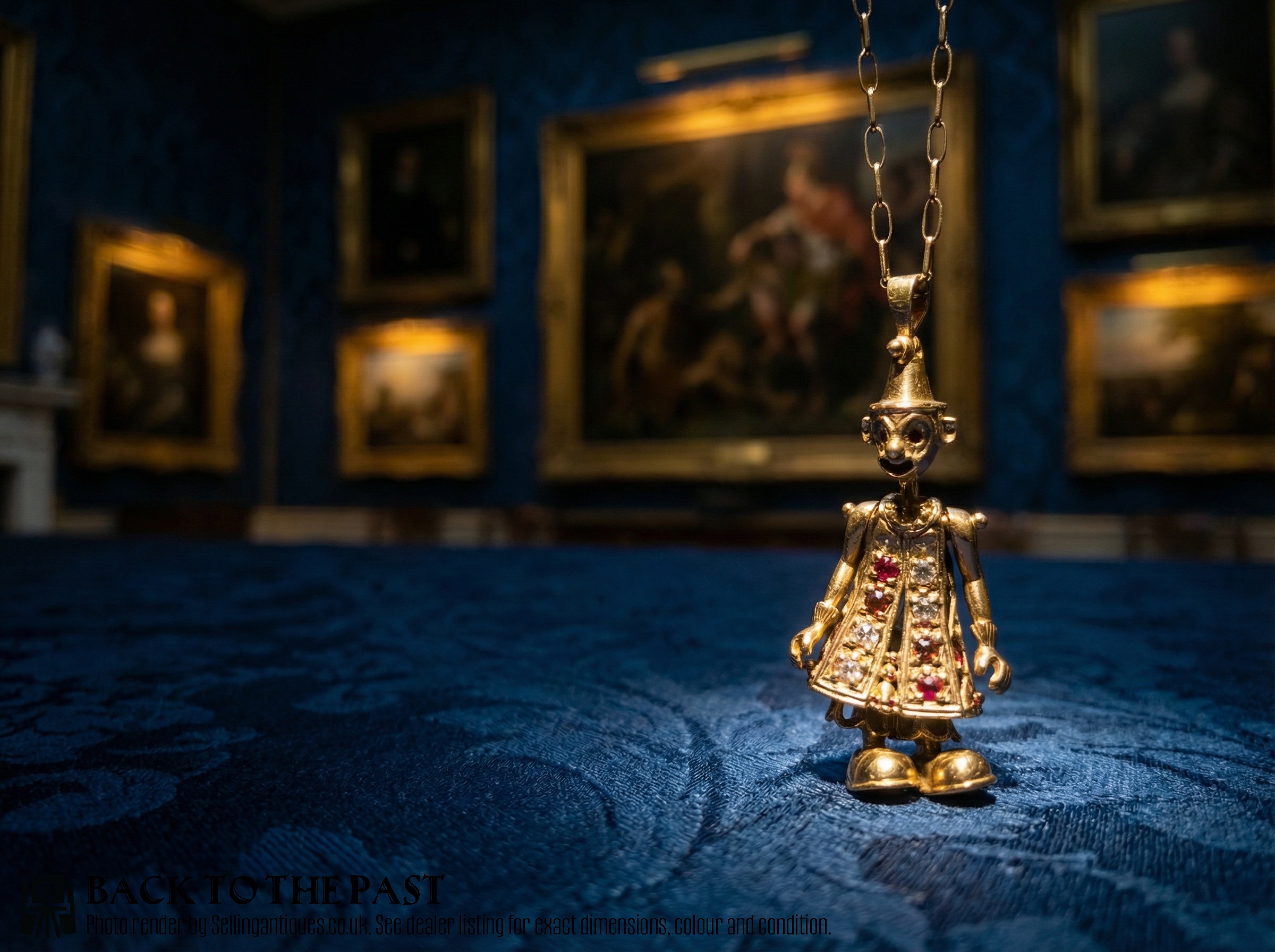
Vintage 9ct Gold Charm
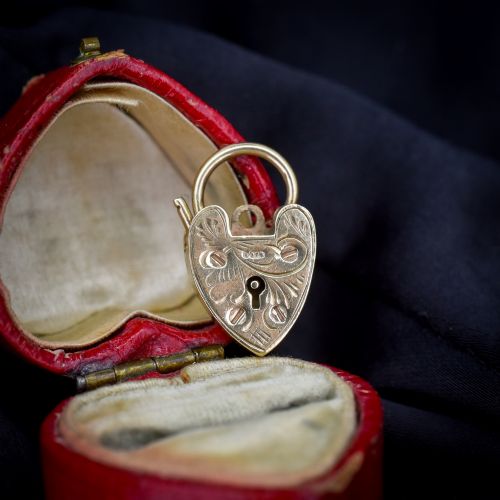
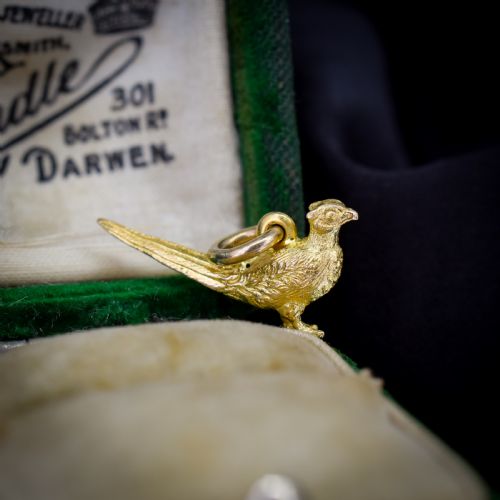
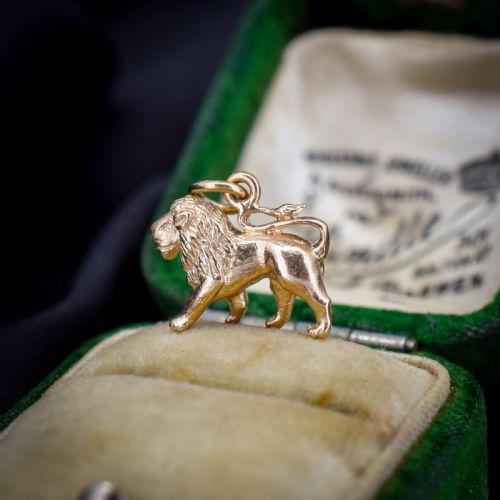
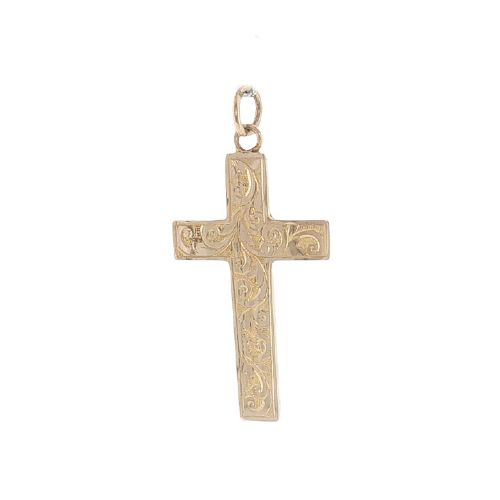
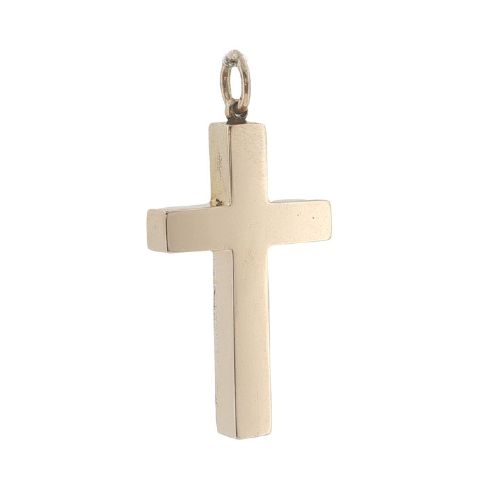
A vintage 9ct gold charm encompasses miniature figural subjects, mechanical opening designs and commemorative symbols designed to dangle from bracelets or chains. Collectors searching this phrase encounter a rich variety of forms, from realistic animals and musical instruments to spinning fobs and engraved padlocks.
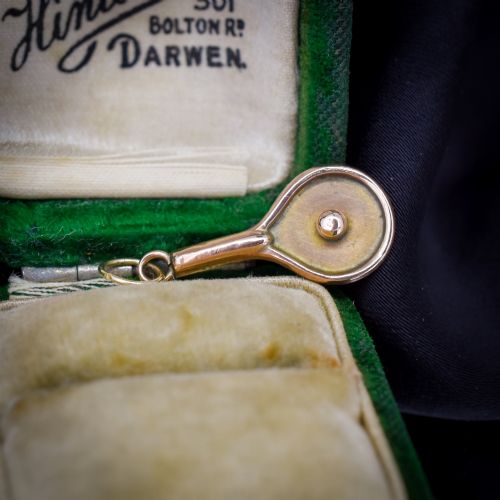
The pieces span multiple decades, drawing heavily from Victorian, Edwardian and mid-century periods. Animal figures, sports equipment and novelty items reflect the social pursuits and personal milestones of their original owners.
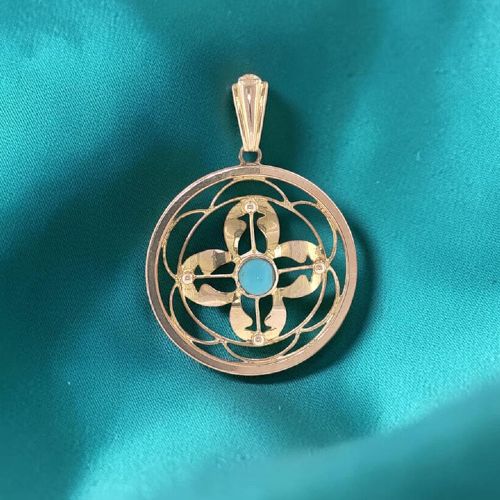
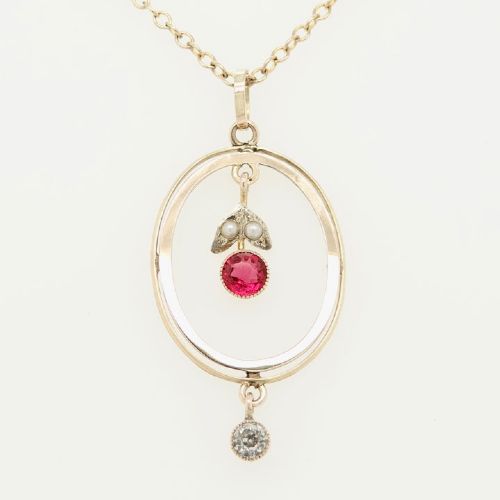
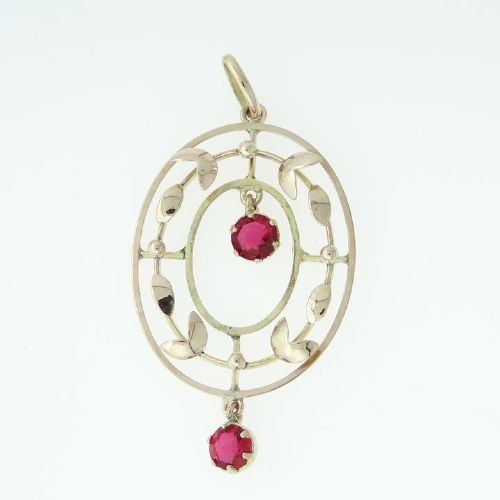
While many listings feature charms designed for bracelets, others function as pendants or slide elements on chains. The enduring appeal lies in the intricate detail achieved within a diminutive scale.
Materials and construction
The primary metal across the selection is 9ct gold, appearing in yellow, rose and standard variations. This alloy provided durability for daily wear while maintaining a bright metallic lustre.
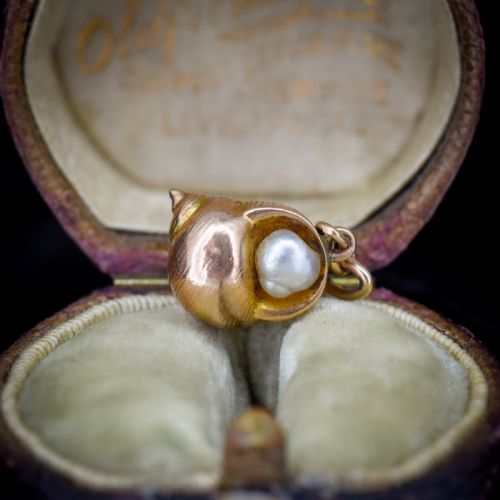
Many pieces incorporate gemstones such as turquoise, seed pearls, bloodstone, diamonds, garnets and synthetic stones like paste and simulated ruby. Enamel work occasionally adds colour to figural subjects such as Toby jugs and miniature briefcases.
Manufacturing techniques combine casting with hand engraving and delicate bezel or prong stone settings. Opening mechanisms and spinning elements reveal precise miniature engineering executed by period workshops.
Vintage 9ct Gold Charm Retail Price Guide 2026
Typical asking prices for vintage 9ct gold charm among the pieces listed under this phrase on Sellingantiques today, from the lower quarter to the upper quarter. They describe what is for sale here now, not the wider market.
Listings feature items spanning from the Victorian era through the 1960s, incorporating yellow and rose 9ct gold alongside bloodstone, turquoise, and seed pearls.
Factors that distinguish quality
The complexity of construction elevates certain pieces above standard mass-produced items. Charms with functional moving parts, such as opening compartments or spinning centres, demonstrate advanced goldsmithing skill.
The integration of stones also dictates standard. Well-matched natural gems securely set into balanced compositions outshine simpler designs with glued or poorly aligned pastes.
Deakin & Francis
The Vintage 9ct Gold Charm Glossary
- 9ct Gold
- An alloy containing thirty-seven point five percent pure gold combined with base metals such as copper and silver to increase durability. This standard was widely adopted for British jewellery production across the Victorian era and beyond.
- Padlock Charm
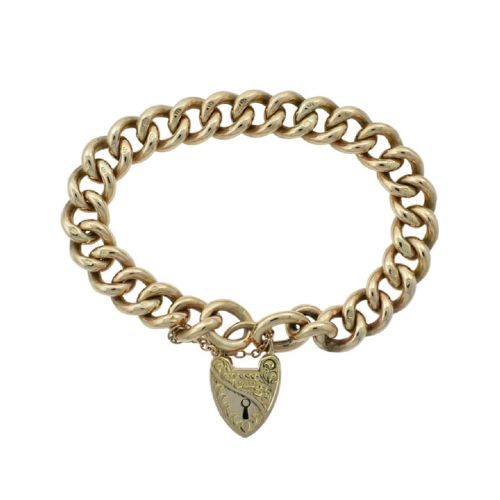
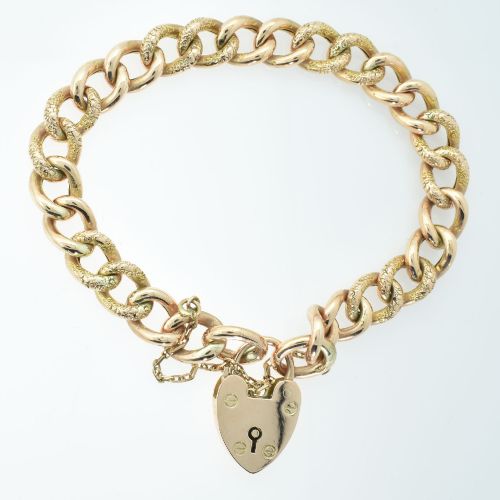
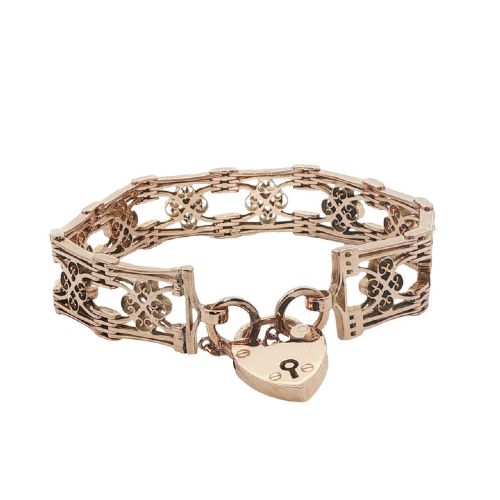
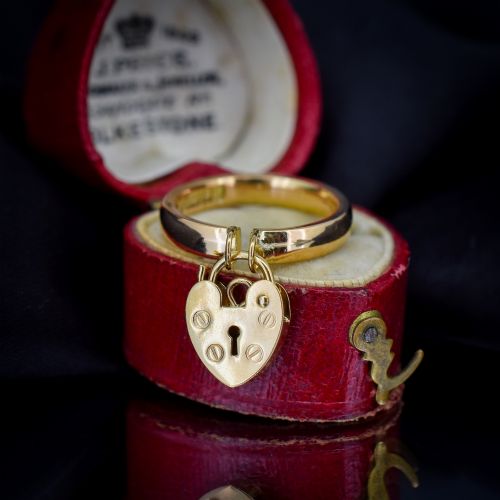
- A secure fastening device styled as a miniature padlock, frequently used as a decorative clasp or pendant drop on bracelets. They often feature intricate hand engraving or enamel decoration.
- Spinning Fob
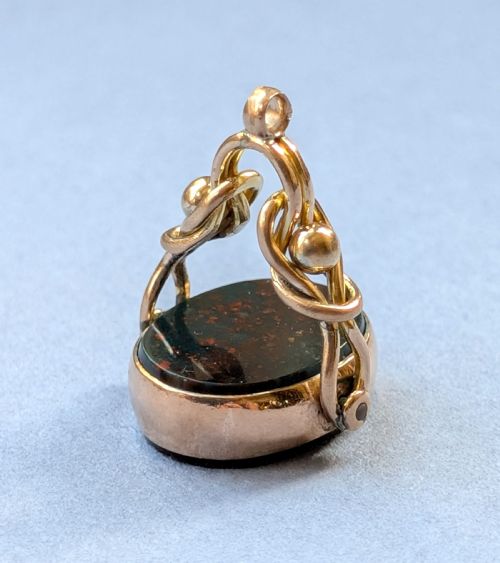
- A double-sided pendant or charm mounted on a central swivel axis allowing the wearer to rotate the focal stone or engraved face. They typically house hardstones like bloodstone or polished agate.
- Seed Pearl
- A very small natural or cultured pearl, often utilised in Victorian and Edwardian clusters or floral motifs. Their delicate scale requires precise multi-prong setting techniques.
- Paste
- Hand-cut glass or lead crystal used to simulate precious gemstones in historic jewellery. High-grade antique paste exhibits sharp facets and substantial weight.
Vintage 9ct Gold Charm: Frequently Asked Questions
How do I care for vintage 9ct gold charms?
Clean your items gently using warm soapy water and a soft cloth to remove everyday oils and dust. Avoid harsh chemical dips, particularly if the piece contains softer gemstones or seed pearls.
Store each charm individually in a fabric pouch to prevent scratching against other jewellery. Check jump rings and attachment loops periodically to ensure secure suspension from your bracelet or chain.
Can I wear them on a bracelet every day?
Yes, nine-carat gold provides the durability necessary for daily wear without bending easily. Ensure any charm with an opening mechanism or swivel joint is checked occasionally by a jeweller.
Heavy daily wear on charm bracelets can cause jump rings to thin over time. Soldering closed the suspension rings prevents accidental loss during active movement.
How do I date a vintage gold charm?
Examine the piece for official hallmarks stamped by British assay offices such as Birmingham or London. These stamps often include date letters and fineness marks indicating the exact year of manufacture.
Stylistic cues such as Edwardian filigree work, Victorian sentimental motifs, or mid-century modernist animal forms also help establish the era. When hallmarks are absent, comparative style analysis provides a reliable chronological frame.
What is the difference between a charm and a pendant?
Charms are traditionally smaller items designed to hang from a charm bracelet, featuring a small jump ring for attachment. Pendants are generally larger, intended to serve as the central focal point suspended from a neck chain.
Many antique pieces cross between categories, functioning equally well on heavy link bracelets or light neck chains depending on the scale of the suspension loop.