




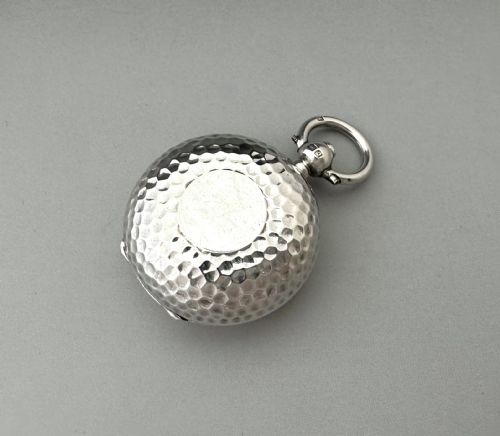


Gold Watch Fob Pendant
These gold watch fob pendants are miniature items designed for waistcoats, combining engraving, turning stones and heraldry in small scale.

Gold Watch Fob Pendant
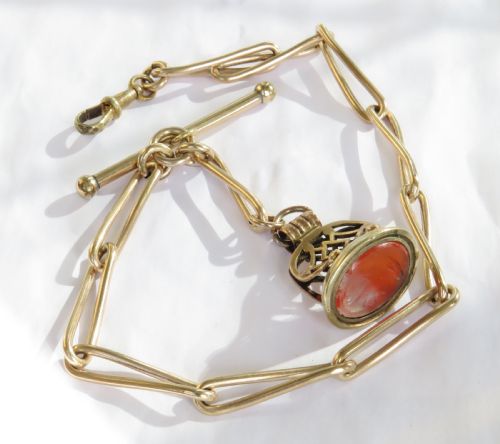
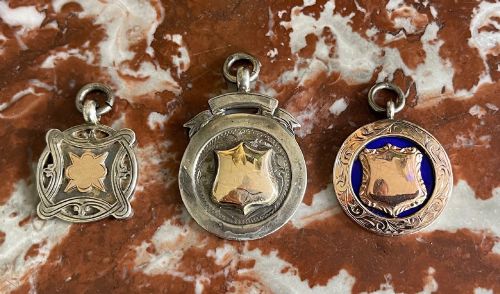
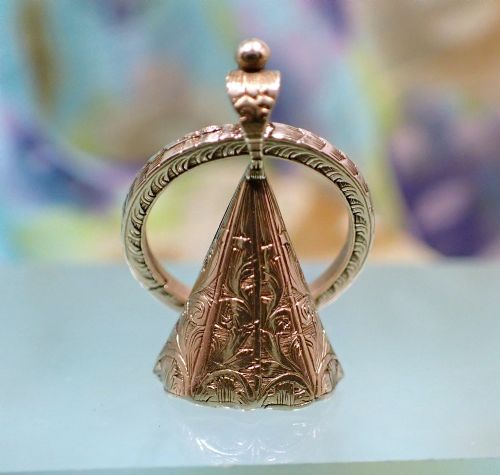
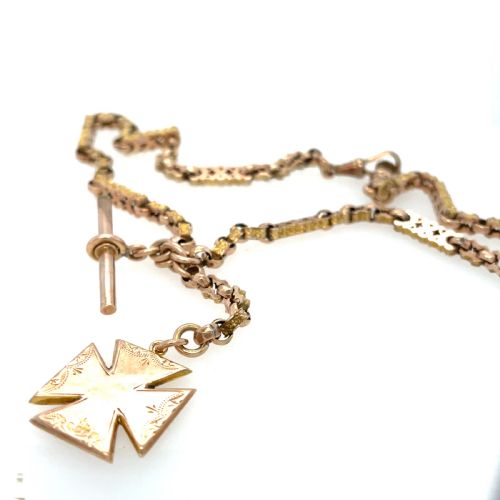
A gold watch fob pendant sits on a pocket watch chain, bringing together seals, charms and spinning stones from the Georgian, Victorian and Edwardian periods. These pieces include swivel seals, watch keys and engraved medals that originally hung from Albert chains.
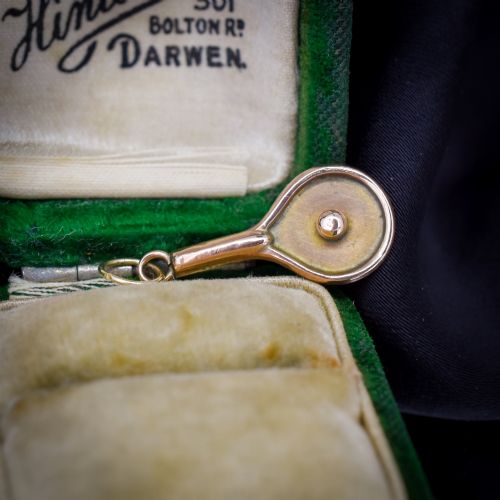
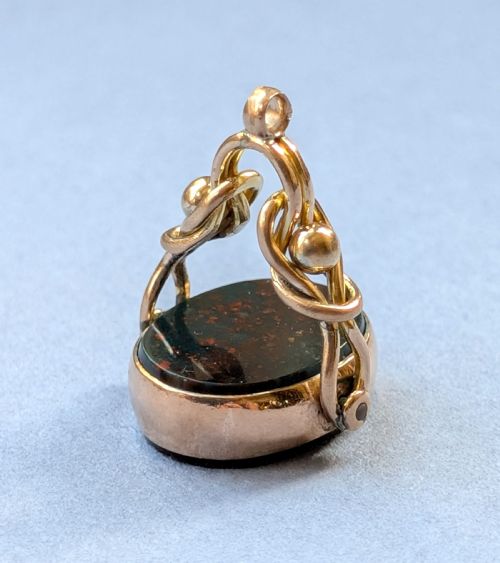
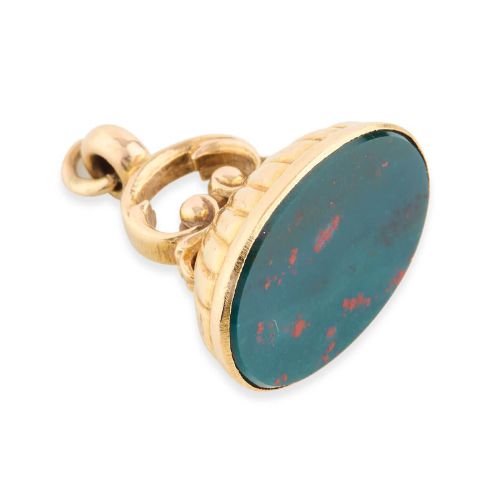
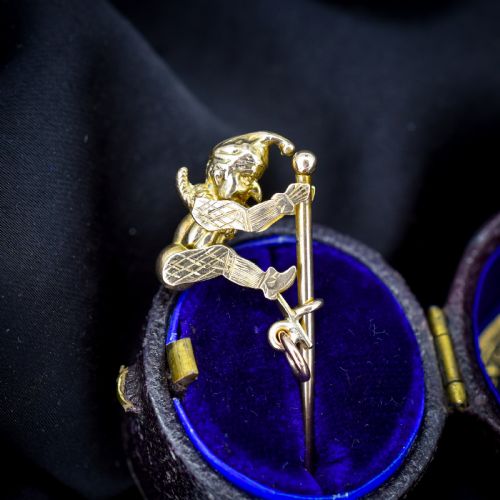
The version most often met on this page is the 9ct gold spinning fob set with carnelian or bloodstone, often dating from the Victorian era. Alongside these are mounted stones, animal novelties and heraldic seals in yellow and rose gold.
Materials and construction
Metals span 9ct, 15ct and 18ct gold alongside rose gold alloys, gilt metal and silver. These mountings enclose hardstones such as carnelian, bloodstone, agate, chalcedony, sardonyx, citrine and amethyst.
Stones are hand-carved with intaglios, heraldic crests or initials, then mounted into swivel frames, bezels or key stems using traditional goldsmithing techniques.
Materials recorded across the inventory include carnelian, bloodstone, chalcedony, sardonyx, citrine, amethyst, enamel and glass.
Distinctions in quality
Quality rests upon the crispness of the stone engraving and the weight of the gold mount. Hand-cut intaglios and deep armorial seals show finer line work than mass-produced pieces.
The complexity of the metalwork, from ornate floral chasing to smooth revolving mechanisms, separates standard production from superior examples.
The Gold Watch Fob Pendant Glossary
- Fob seal
- A small pendant featuring an engraved matrix at the base, used historically for pressing into sealing wax. This surface often displays initials, crests or classical figures.
- Spinning fob
- A pendant mounted on a central axis that rotates to display two or three different hardstones or engraved faces. This mechanism allows the wearer to alternate between stones.
- Watch key
- A small winding key for pocket watches, frequently fashioned into an ornate pendant shape. Many incorporate hardstones or enamel decoration on the handle.
- Intaglio
- A design carved into the surface of a gemstone so that the impression appears in relief when stamped into wax. This technique requires steady skill to achieve miniature detail.
- Albert chain
- A pocket watch chain worn across a waistcoat, named after Prince Albert. It typically carries a T-bar at one end and a fob pendant suspended from the centre.
Gold Watch Fob Pendant: Frequently Asked Questions
How were gold watch fob pendants used?
These pieces hung from pocket watch chains attached to waistcoats, serving as practical seals for letters or decorative charms. Gentlemen used the engraved matrix on the base to press into hot sealing wax on correspondence.
Over time they evolved into purely decorative ornaments, displaying family crests, society memberships or personal initials as symbols of status.
How do I wear a fob pendant today?
A fob pendant can be suspended from a short chain around the neck or attached to a traditional waistcoat chain. The small scale makes them suitable for everyday wear on modern chains.
Spinning fobs offer versatility, allowing the wearer to change the exposed stone depending on clothing or preference.
How can I tell the period of a fob?
Georgian and early Victorian fobs often feature heavy yellow gold mounts with broad, hand-cut carnelian or bloodstone matrices. The mountings tend to be robust and hand-fashioned.
Late Victorian and Edwardian examples frequently utilise 9ct rose gold, intricate floral chasing and lighter, swivel-mounted gemstones with crisper machine-assisted detailing.
What stones are typically found in these fobs?
Carnelian and bloodstone are the most common stones encountered in these pieces, valued for their deep red and green tones. They provided a durable surface for engraving.
Other examples incorporate chalcedony, sardonyx, citrine, amethyst and banded agate, sometimes carved into intaglios or faceted drops.