


Gold Bracelet Charm
A gold bracelet charm carries the miniature story of a personal collection, swinging from curb links and gate chains across decades of sentiment.
Gold Bracelet Charm
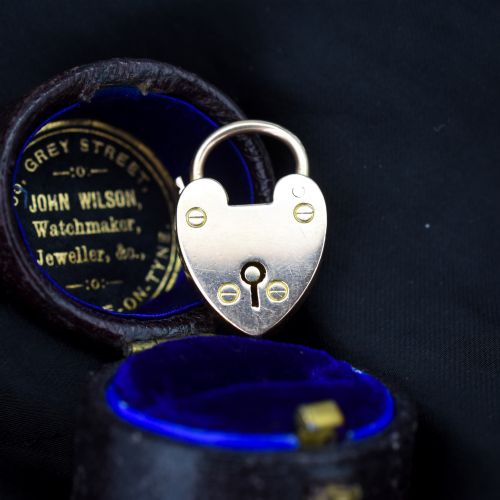
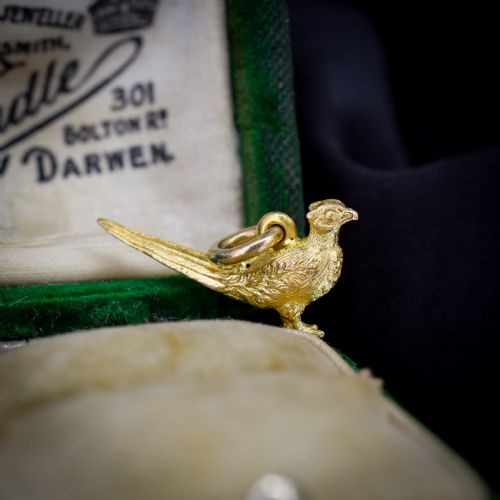
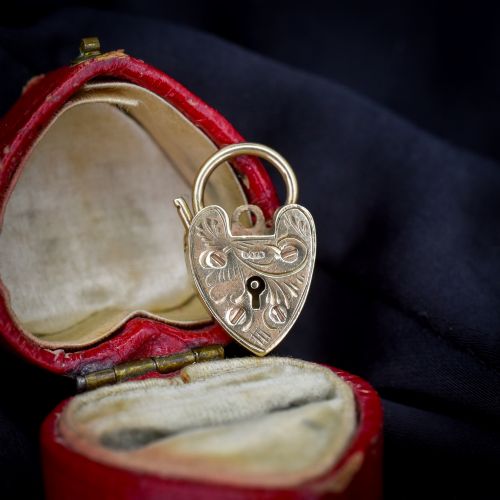
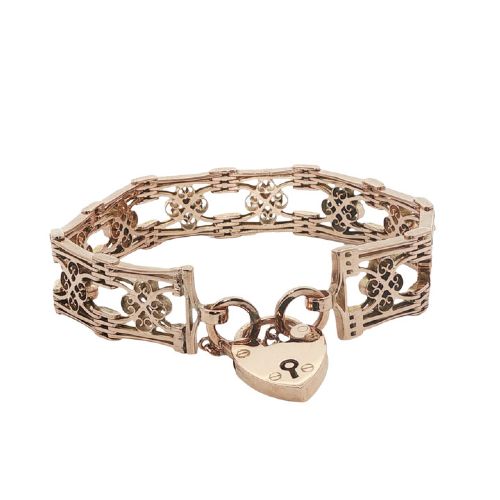
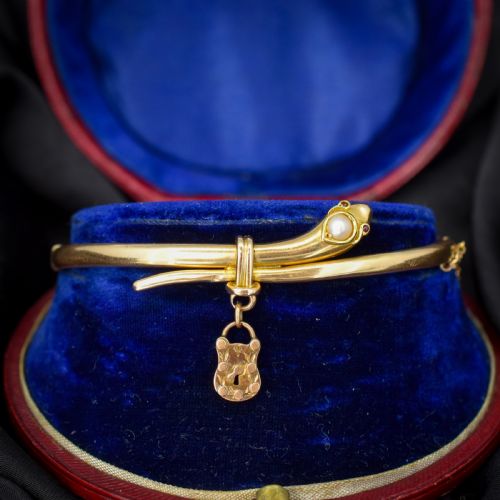
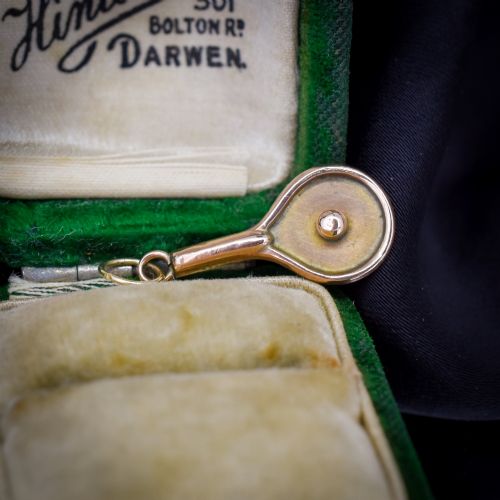
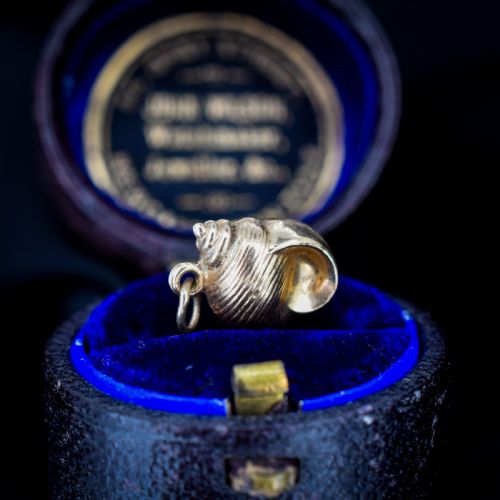
A gold bracelet charm search centres on small, detailed pendants designed to dangle from link bracelets, gate bracelets, and curb chains. These pieces range from Victorian padlock clasps and fob seals to mid-century enamel animals, sporting items, and figurative keepsakes.
The selections span the nineteenth century through the Edwardian era into the mid-century decades, including vintage 1960s designs. Buyers most frequently encounter 9ct yellow and rose gold items alongside higher 15ct and 18ct gold pieces.
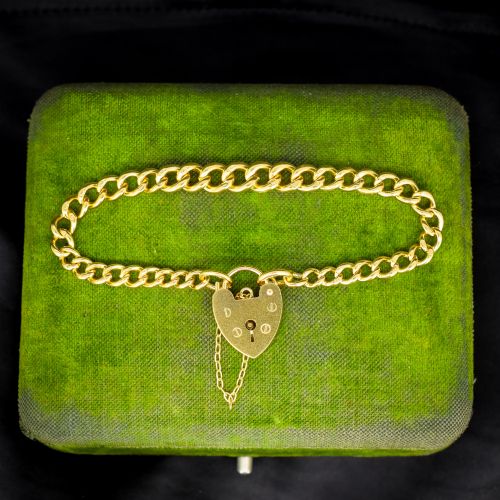
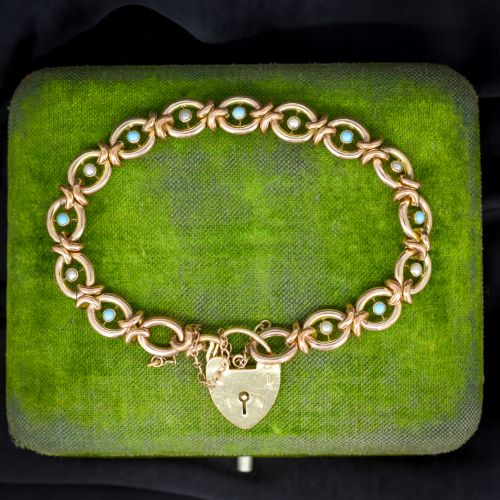
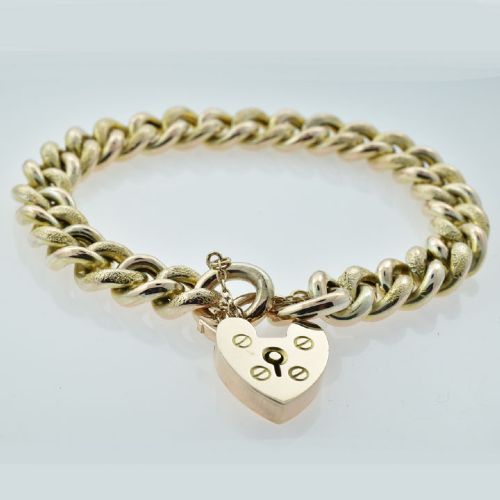
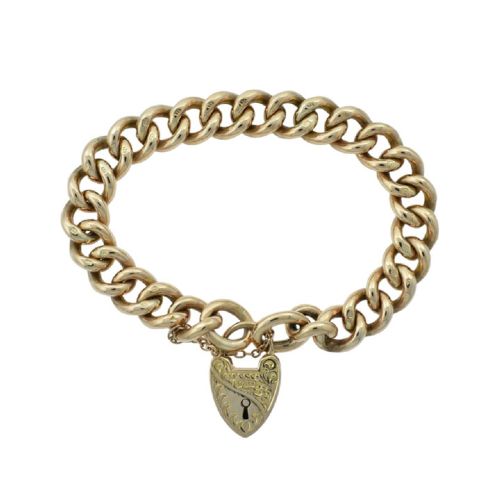
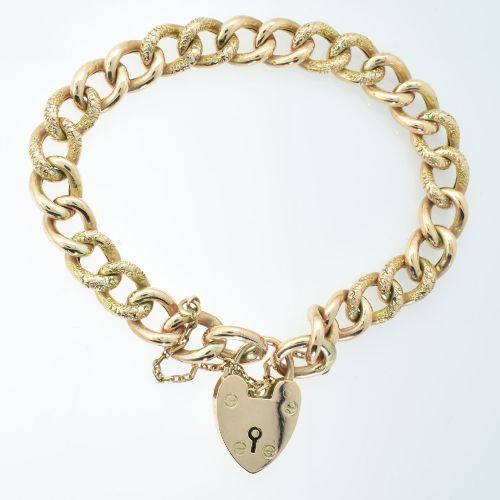
Many items combine the charm pendant with a matching chain, such as half-engraved curb link bracelets secured with heart padlocks. Others appear as individual charms ready to attach to an existing split ring or bracelet link.
Materials and construction methods
Makers shaped these miniature objects primarily in 9ct, 15ct, and 18ct gold, utilising both yellow and rose hues. Workmanship often incorporates hand engraving, pierced metalwork, and hollow or solid casting to create realistic animal, object, and heart forms.
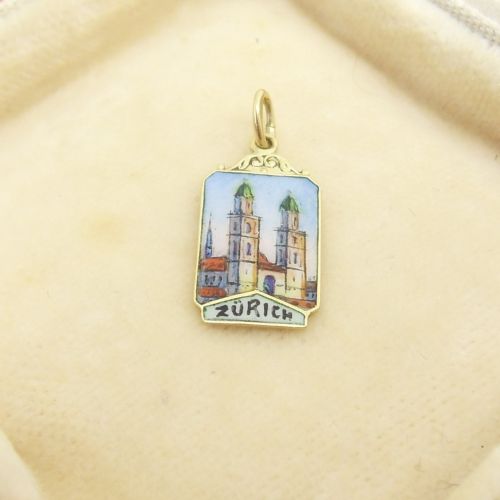
Colour arrives through applied enamel on pieces like cottages, dice, and Toby jugs, while gemstones such as diamonds, rubies, pearls, carnelian, and bloodstone add accent detail. Padlocks and opening lockets frequently feature functional hinges, snap clasps, and secure internal springs.
Gold Bracelet Charm Retail Price Guide 2026
Typical asking prices for gold bracelet charm among the pieces listed under this phrase on Sellingantiques today, from the lower quarter to the upper quarter. They describe what is for sale here now, not the wider market.
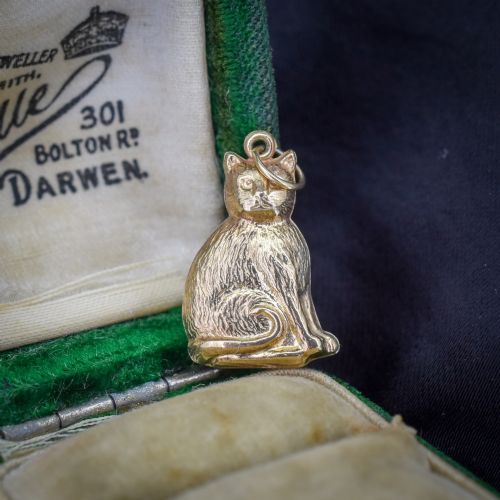
Miniature enameled Toby jugs, Beefeaters, and playful cats swing quietly from historical chains.
Distinctions in craftsmanship and preservation
Superior examples display crisp, deep hand engraving that remains sharp across the surface of a padlock or charm body. Finer pieces maintain structural integrity in tiny hinges, moving parts, and secure jump rings without thinning or distortion from wear.
The depth and application of enamel separate standard production from superior work, alongside the quality and matching of set pearls and gemstones. Hallmarks and date stamps provide clear provenance, while heavier gauge gold links and substantial clasps indicate a higher grade of manufacture.
The Gold Bracelet Charm Glossary
- Padlock charm
- A heart-shaped or rectangular clasp functioning as a bracelet closure while acting as a decorative pendant. These often feature hand engraving, gemstone settings, or opening mechanisms.
- Curb link
- A chain style composed of uniform, flattened links that lie flat against the wrist. This form provides the standard heavy foundation for traditional charm collections.
- Fob seal
- A small desk seal used historically for stamping hot wax, often mounted as a charm on Victorian bracelets. They frequently incorporate stones like carnelian or bloodstone.
- Split ring
- A double-coiled circular ring functioning like a miniature key ring to hold charms securely. They allow items to be added or removed without soldering.
- Gate bracelet
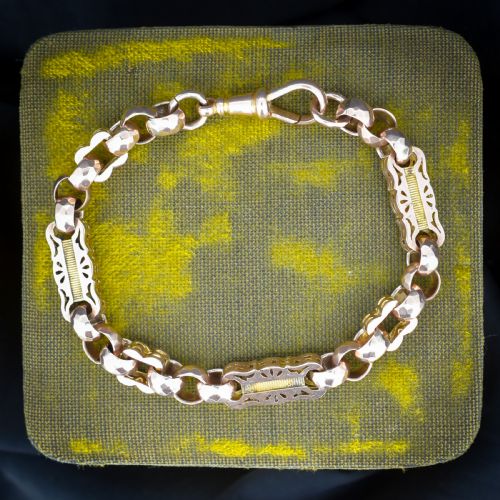
- A wide, flexible bracelet constructed from parallel bars linked together, typically finished with a heart padlock. This distinct Victorian design remains a favourite for charm grouping.
Gold Bracelet Charm: Frequently Asked Questions
How do I attach a charm to my bracelet?
Charms usually attach using a jump ring, split ring, or a small swivel clasp that hooks directly onto a chain link. Jewellers can solder closed jump rings for permanent placement, though split rings allow flexibility.
Selecting a sturdy attachment method ensures the charm stays secure during daily wear on a moving bracelet.
What is a heart padlock bracelet?
A heart padlock bracelet uses a spring-loaded padlock shaped like a heart to secure the ends of a curb or gate link bracelet together. These padlocks often double as decorative charms themselves and frequently bear period hallmarks.
They represent a defining feature of Victorian and Edwardian wristwear, symbolising security and affection.
How can I date my gold charm?
Dating relies on official hallmarks, maker's marks, and stamped registration or patent numbers found on the reverse or loop of the piece. Assay office marks from cities like Birmingham or Chester indicate specific operating years.
Stylistic cues, such as the bright enamels of the mid-century or the heavy hand engraving of the late Victorian era, also narrow down the period.
Are these charms solid gold?
Gold bracelet charms from these periods typically consist of solid 9ct, 15ct, or 18ct gold rather than plated base metal. Some hollow-formed pieces utilise lightweight construction to prevent the bracelet from becoming too heavy on the wrist.
Checking the hallmark stamp confirms the exact gold purity standard of each individual item.