
Vintage Jewellery Charm
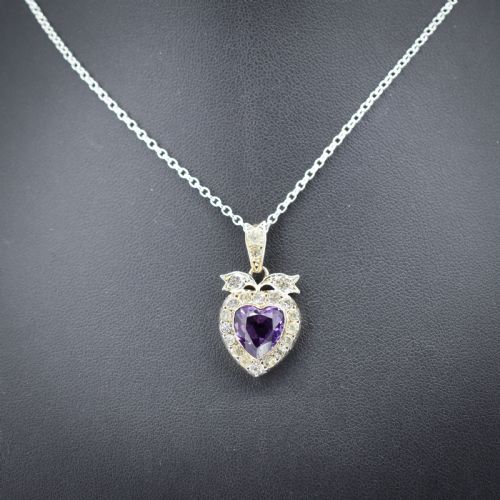
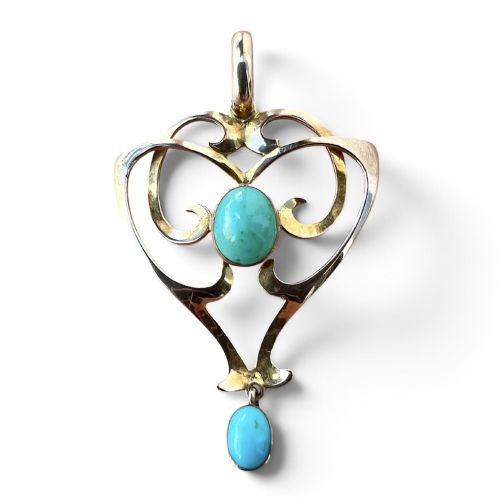
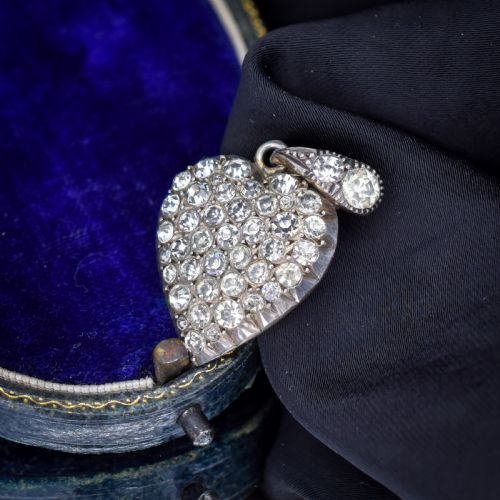
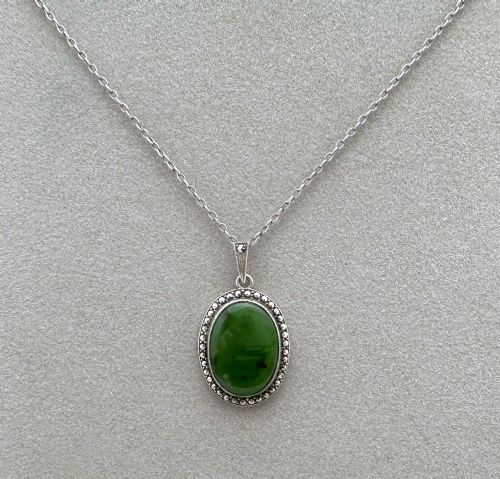
These vintage jewellery charm pieces are mid-century miniatures in gold and silver that collectors buy to wear or suspend from bracelets.
What vintage jewellery charm pieces are
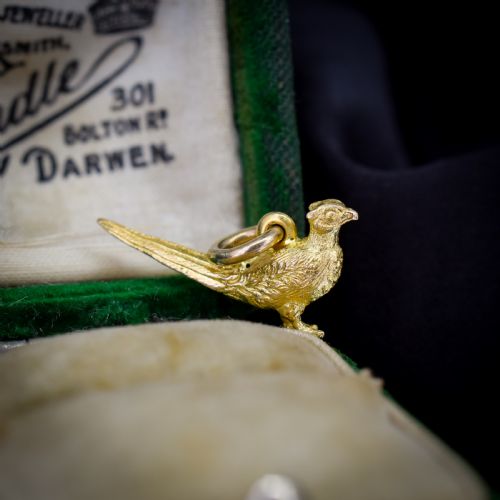
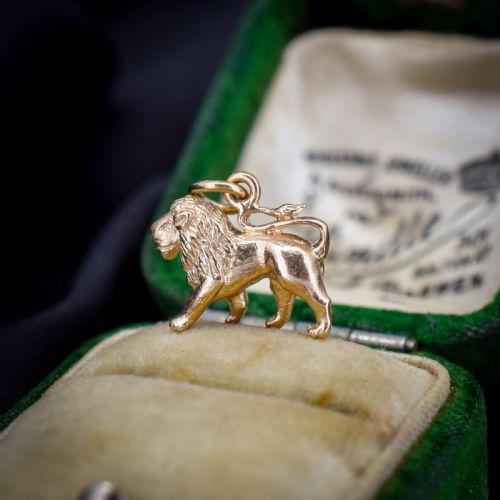
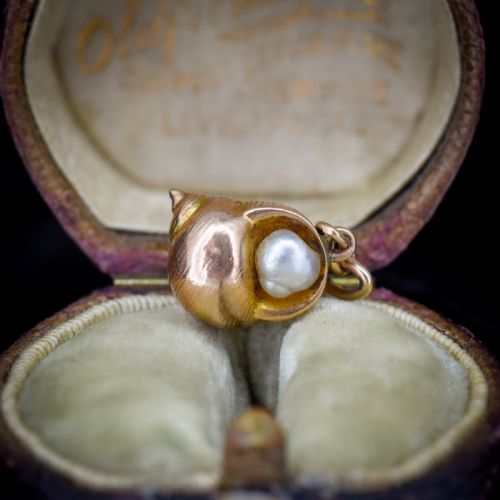
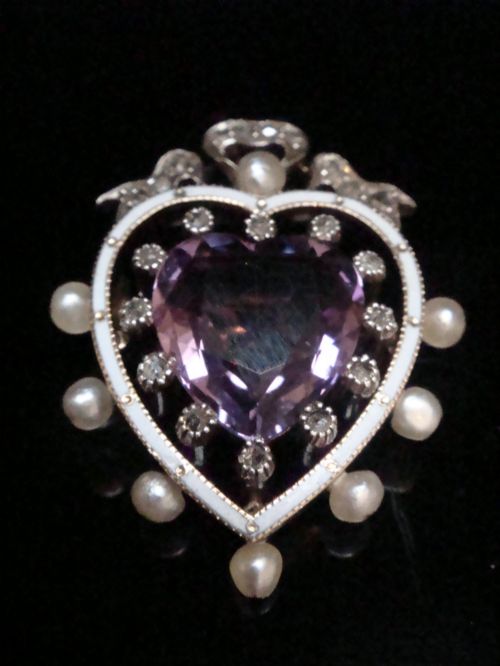
When you search for vintage jewellery charm, you are looking at small figural and functional objects from the mid-century period. The pieces on this page span the nineteen-fifties and nineteen-sixties, capturing a post-war appetite for wearable novelty and sentiment.
Originating predominantly from British workshops in the mid-twentieth century, these items reflect the era's hallmark practices. They survive either as standalone pendants or as modular elements intended for charm bracelets.
How vintage jewellery charm pieces were made
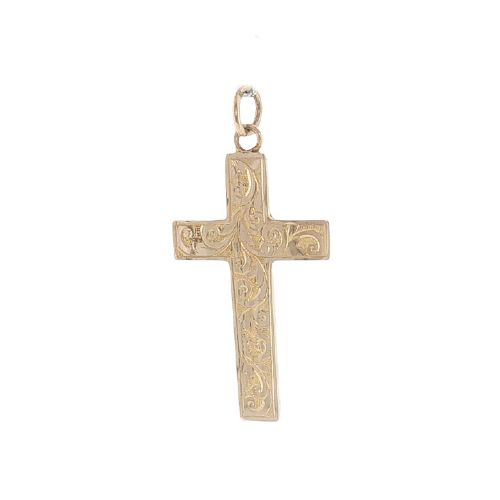
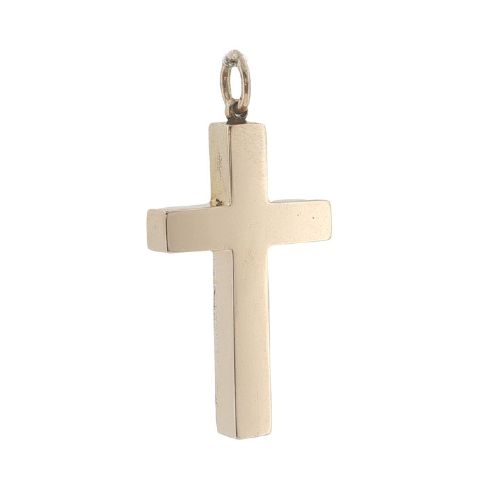
Makers utilised traditional casting and hand-engraving techniques to shape precious metals into distinct miniature forms. Sterling silver and nine-carat yellow gold served as the primary media for these detailed constructions.
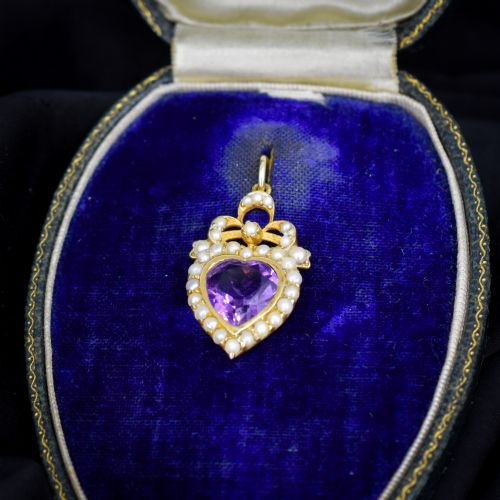
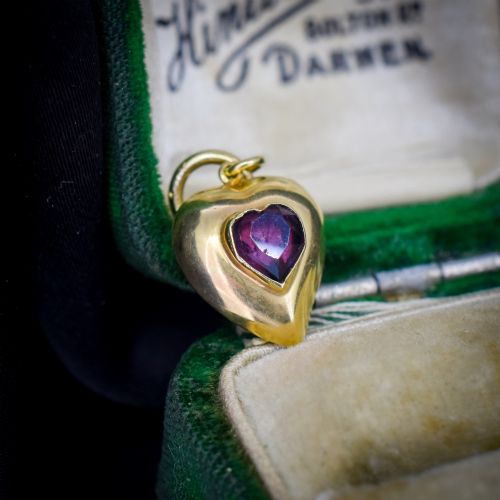
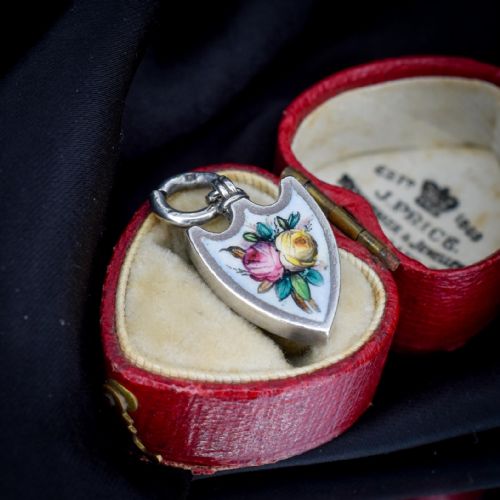
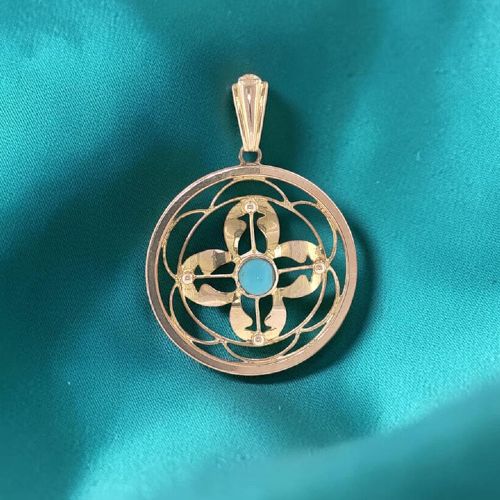
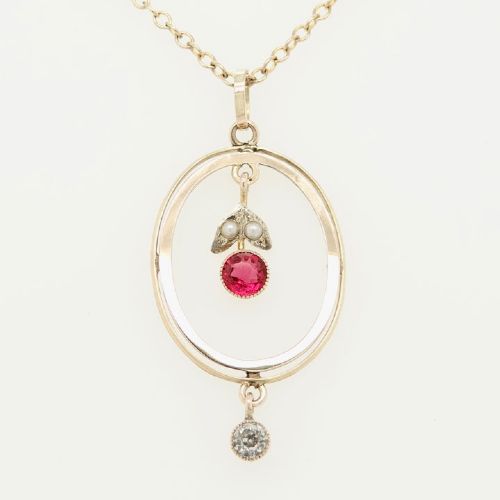
Surface ornamentation involved hand-finishing, delicate engraving, and occasionally the application of enamel or glass. Hallmarks stamped directly into the metal recorded the assay office, such as Chester, alongside the production year.
The site's listings for this phrase span the nineteen-fifties and nineteen-sixties, featuring nine-carat gold, sterling silver, enamel, and glass materials.
What varies in quality
Material choice also drives the division, with heavier nine-carat gold examples commanding greater presence than lighter sterling silver equivalents. The presence of specific regional hallmarks adds historical weight to the finer specimens.
The Vintage Jewellery Charm Glossary
- Hallmark
- An official stamp applied to precious metals indicating the standard of purity, the assay office, and the year of manufacture. Chester acts as one such recorded location on mid-century items.
- Padlock charm
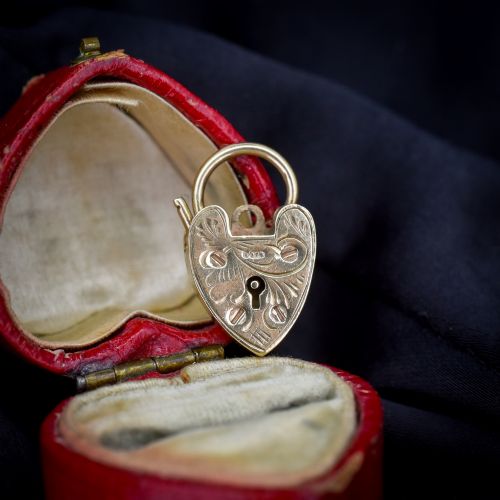
- A miniature functional lock design, often engraved, worn as a pendant or bracelet fastening. These typically feature a hinged shackle and a secure clasp mechanism.
- Novelty charm
- A small decorative item shaped to resemble an everyday object or animal, such as a stork or mantle clock. These pieces often incorporate moving parts or humorous details.
- Sterling silver
- A silver alloy containing ninety-two point five percent pure silver by mass, chosen for durability in small-scale jewellery. It remains a standard material across mid-century British charms.
Frequently Asked Questions
How do I wear a vintage charm?
These pieces generally attach to a traditional link bracelet via a small jump ring or split ring. They also function well as solitary pendants suspended from a fine metal chain.
Ensure any suspension ring is securely closed to prevent loss during daily wear. Combining silver and gold items depends on personal preference, though matching metal tones creates a cohesive appearance.
What metals are used in these charms?
The pieces utilise nine-carat yellow gold and sterling silver exclusively. These precious metals provided the necessary durability and malleability for detailed miniature sculpting.
Enamel and glass elements occasionally appear as secondary decorative materials. Hallmarks stamped into the metal confirm the exact composition and origin.
How do I date a vintage charm?
Dating relies primarily on official hallmarks stamped into the metal by British assay offices. These marks often include specific letters or symbols corresponding to the year of production.
Stylistic indicators, such as the mid-century aesthetic seen in nineteen-fifties and nineteen-sixties designs, also help narrow the timeframe. Comparing the form to documented manufacturing periods confirms the era.
Are these charms marked by makers?
Many pieces feature maker's marks alongside standard assay office hallmarks. These compressed initials or symbols identify the workshop responsible for the casting.
While some items only display metal purity and date stamps, maker-signed pieces offer a clearer connection to mid-century British jewellery production.