

Vintage Silver Charm
A vintage silver charm carries small stories in metal, gathering miniature forms from everyday life.
Vintage Silver Charm
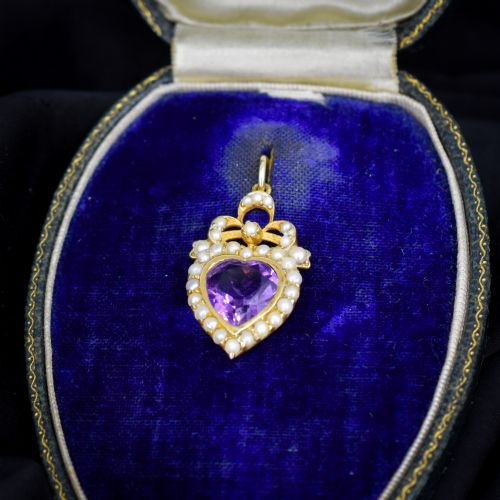
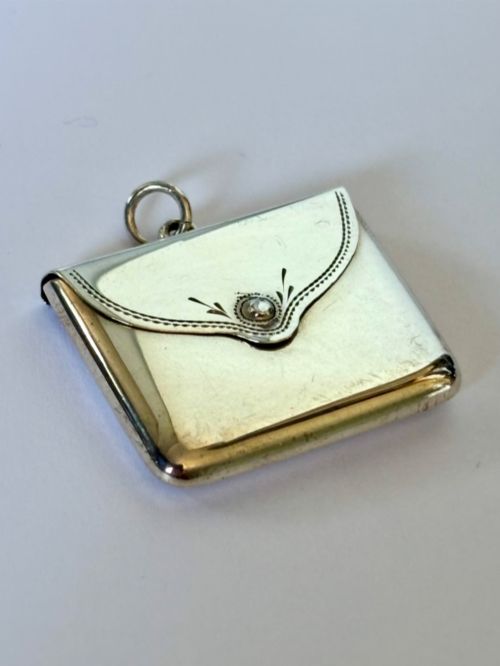
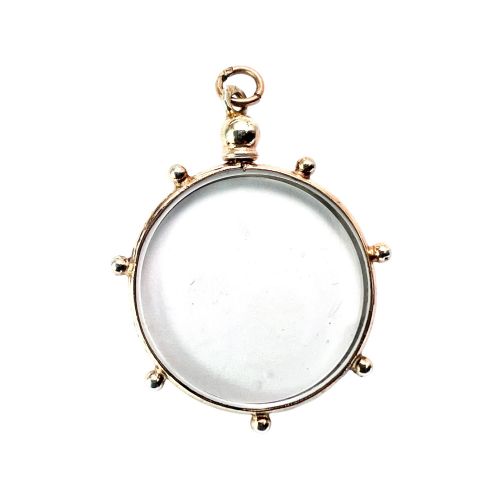
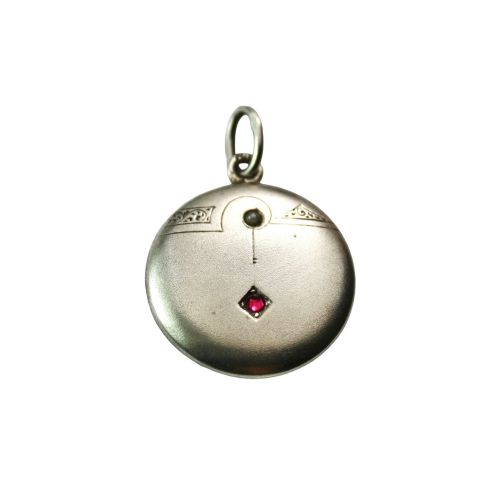
When searching for a vintage silver charm, collectors look at small wearable objects that commemorate interests, events, or travel. The selection spans periods from the Victorian era through the mid-twentieth century, capturing domestic animals, mechanical novelties, and symbolic shapes.
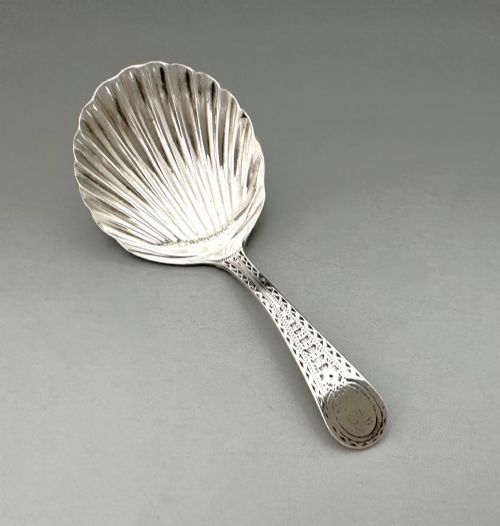
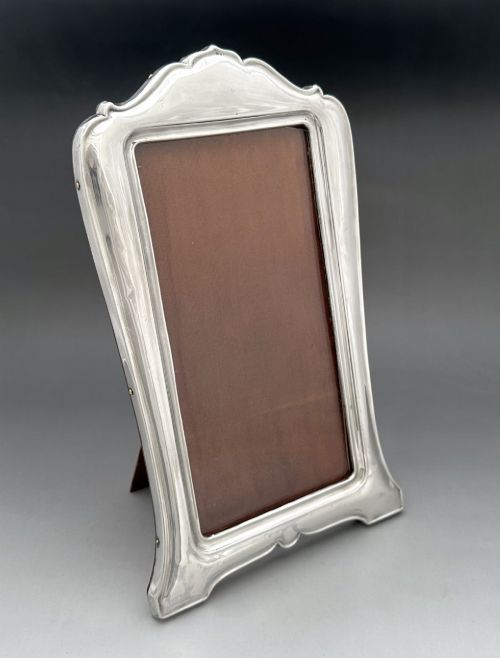
The pieces appearing most frequently take the form of small pendants, lockets, and figurative miniatures designed to suspend from bracelets or necklaces. Alongside these, related small silver items such as stamp cases, photo frames, and medals share the same decorative impulse.
Origins stretch across British workshops and continental makers, reflecting diverse stylistic movements including Edwardian elegance, Art Deco geometry, and Art Nouveau floral curves. Each item serves as a portable archive of personal sentiment and small-scale metalwork.
How they were made
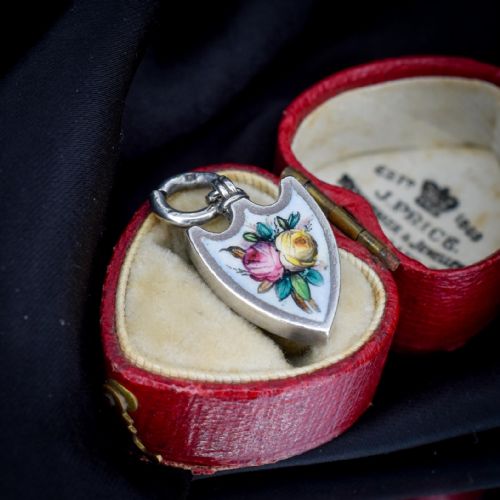
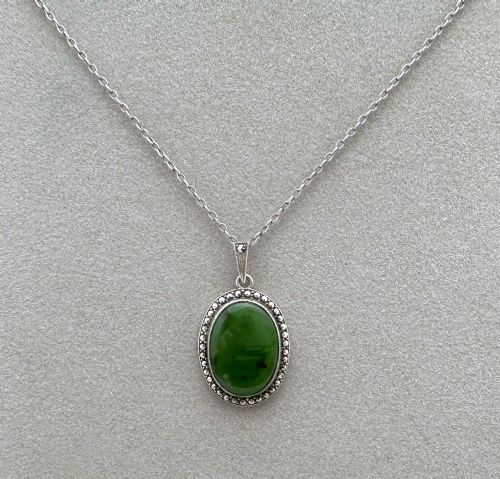
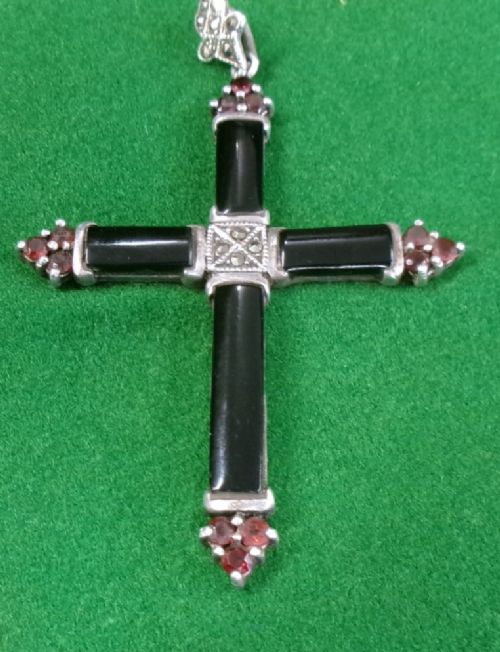
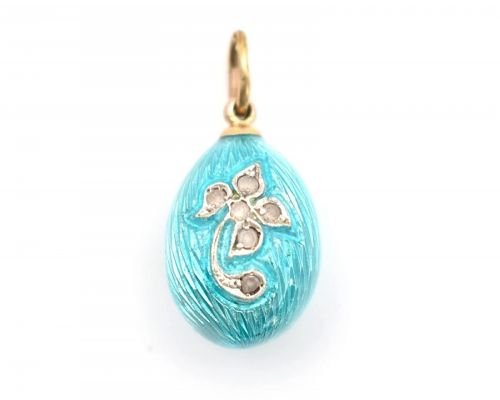
Maker's hands shaped these items primarily from silver and sterling silver, frequently employing casting and stamping techniques to achieve crisp detail on a miniature scale. Artisans added visual depth through applied enamel, niello inlay, and marcasite stones.
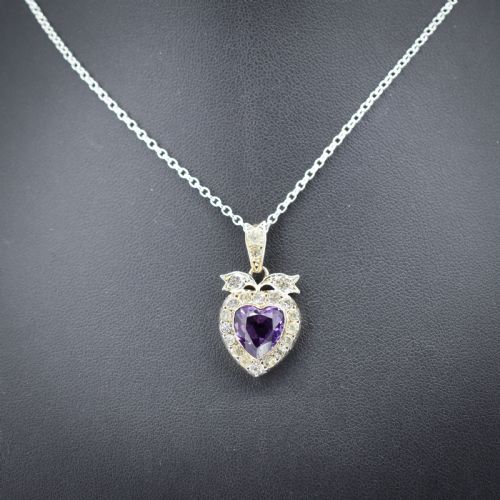
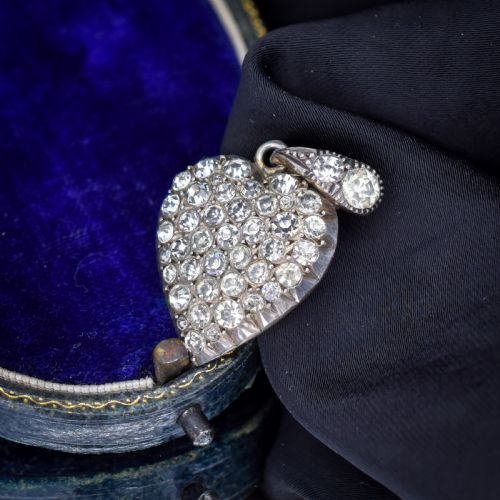
Gemstones such as paste, pearls, amethysts, and turquoise appear flush-set or mounted in bezels to accent the precious metal framework. Structural joints, screw-top lids, and split rings required precise bench work to ensure the miniature components functioned smoothly.
Among the miniature silver items, a tiny enamelled sarcophagus held a secret pencil for an Edwardian writer.
What varies in quality
The distinction between ordinary production and superior craftsmanship lies in the crispness of the chasing and the precision of the miniature elements. High-grade examples maintain clean lines on tiny figures and secure settings for enamel or stones without messy solder bleed.
Makers who invested time in hand-engraving and substantial gauge silver produced items that retain their structural integrity through decades of wear. The integration of functional parts, such as moving hinges on novelty cases or secure clasps, separates better workshops from mass output.
Crisford and Norris·W and G Neal·Albert Ernest Jenkins·Knoll and Pregizer
The Vintage Silver Charm Glossary
- Sterling silver
- An alloy containing a high proportion of pure silver combined with other metals to increase durability. This standard metal forms the body of most listed charms and pendants.
- Marcasite
- Small, faceted pyrite stones set closely together to create a sparkling, dark metallic border. These stones catch the light with a subtle glitter distinct from cut diamonds.
- Enamel
- A glassy substance melted onto the surface of metal through high-heat firing to add permanent colour. It appears in floral motifs, shield designs, and miniature pictorial scenes.
- Paste
- Hand-cut and polished glass designed to imitate precious gemstones in antique jewellery. It offers bright colour and refractive sparkle without using natural stones.
- Niello
- A black metallic alloy used as an inlay on engraved silver surfaces to highlight decorative patterns. The dark background makes intricate line work stand out clearly.
Vintage Silver Charm: Frequently Asked Questions
How were these silver items used?
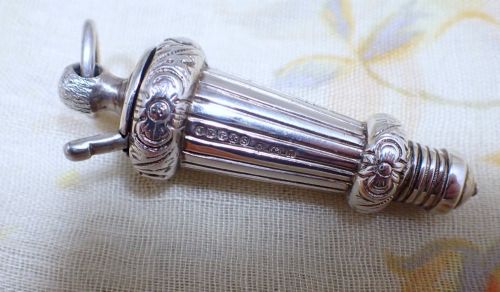
People wore these items suspended from chatelaines, link bracelets, or neck chains as personal talismans or decorative accessories. Some miniature forms served practical functions as stamp cases, whistles, or propelling pencils.
Owners collected them to mark travels, achievements, or significant life events over time.
How should I clean vintage silver?
Cleaning requires a soft microfiber cloth and mild soapy water to remove surface dust without stripping patination. Avoid harsh chemical dips that can damage enamel work, marcasite settings, or delicate stone inlays.
Store pieces separately in dry conditions to prevent scratching between moving metal parts.
How can I tell the period?
Dating relies on hallmarks stamped into the metal, stylistic cues, and the construction methods used for hinges and loops. Edwardian pieces often feature delicate filigree, while Art Deco items display geometric lines.
Maker's marks help narrow down the exact decade of manufacture when combined with hallmarking records.