

Antique Style Charm
An antique style charm brings together small decorative objects and personal ornaments spanning centuries of craftsmanship.
Antique Style Charm
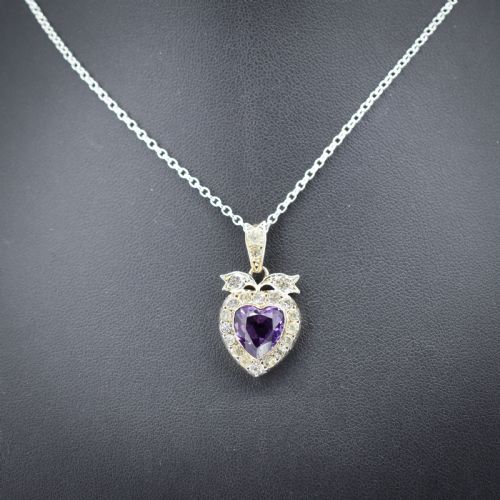
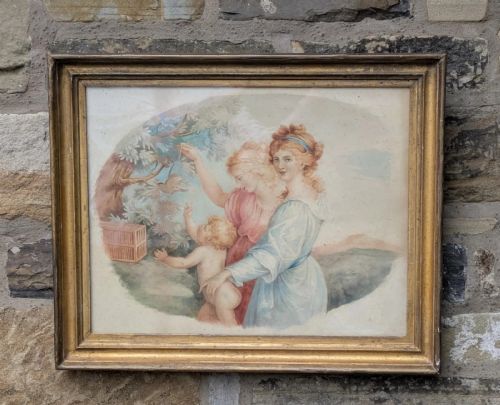
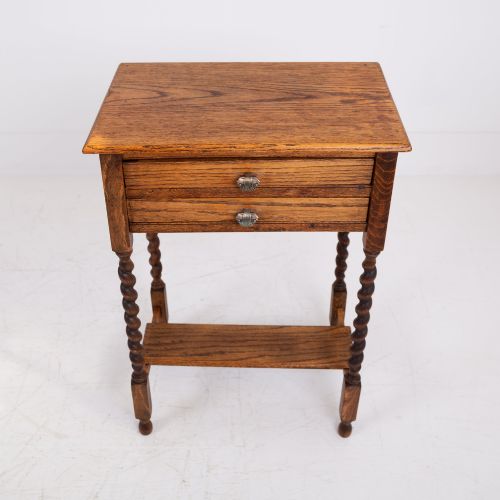
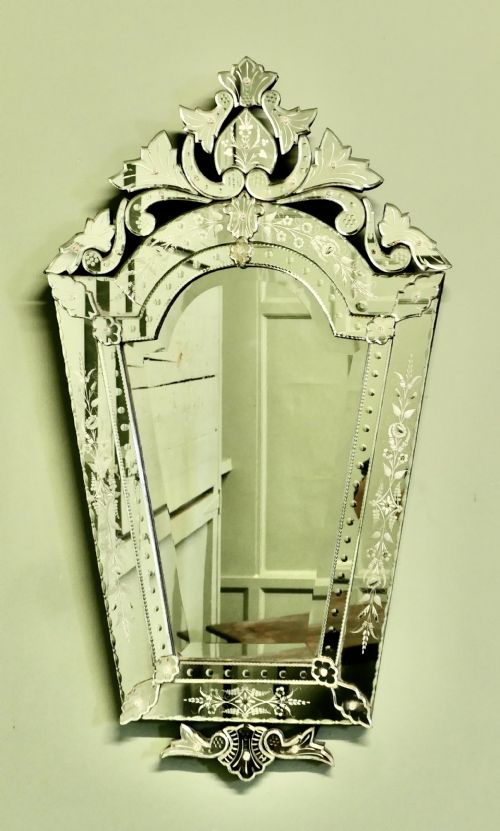
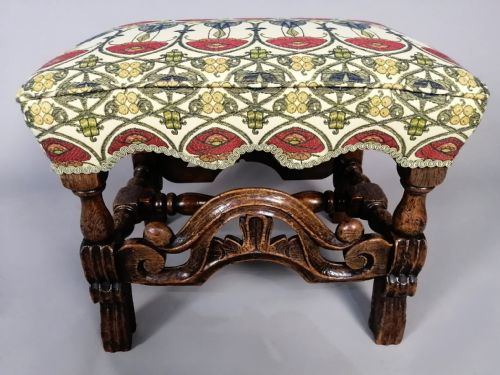
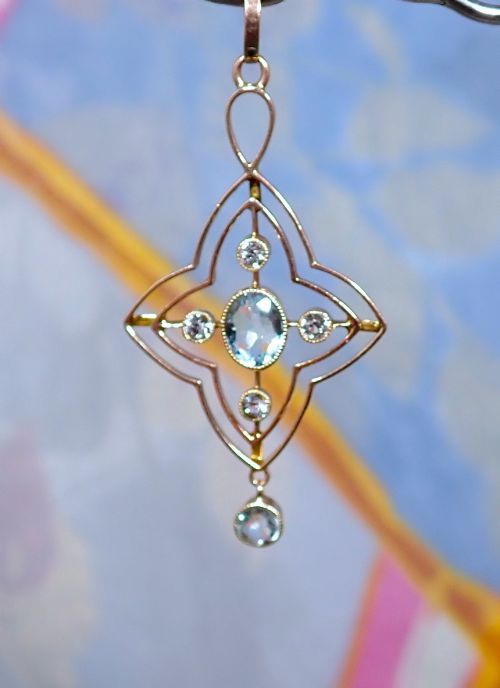
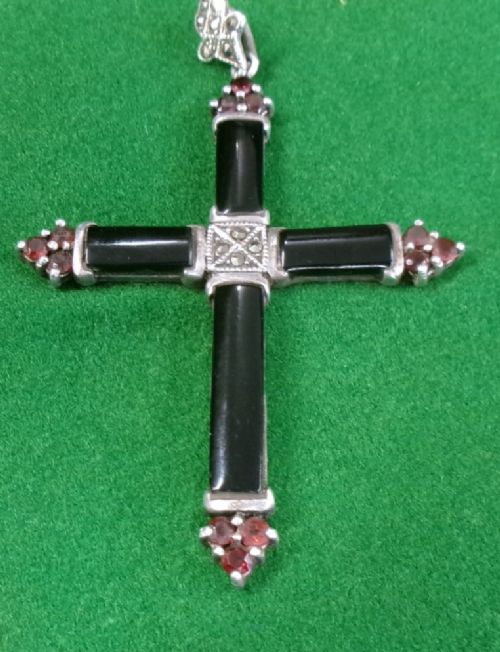
When you search for antique style charm, you encounter a varied assortment of personal ornaments, decorative items and small furnishings drawn from the eighteenth century to the mid twentieth century. The selection ranges from gold and silver pendants set with gemstones to carved wood brackets, photo frames, and small tables.
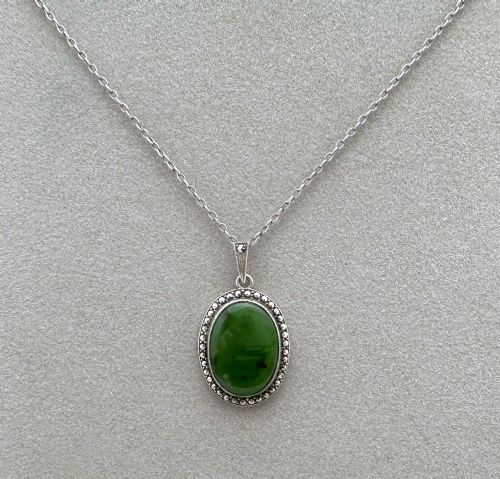
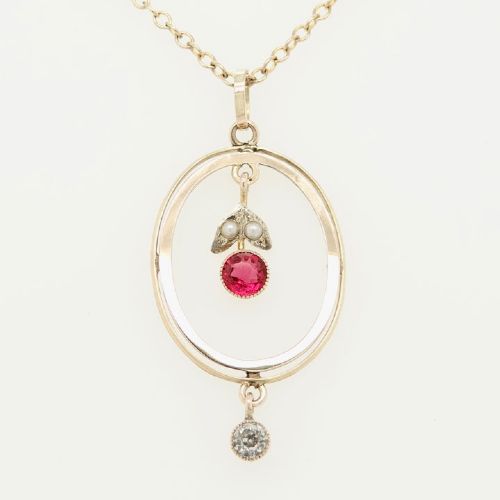
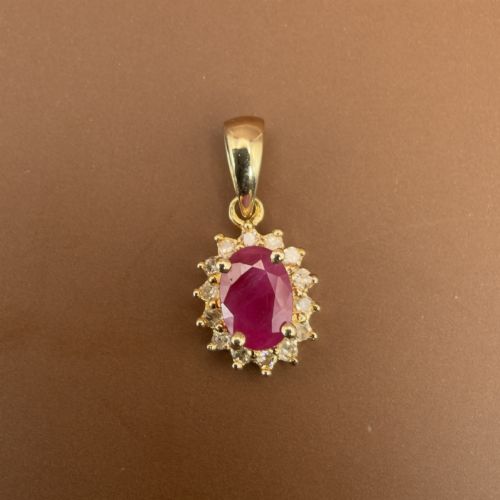
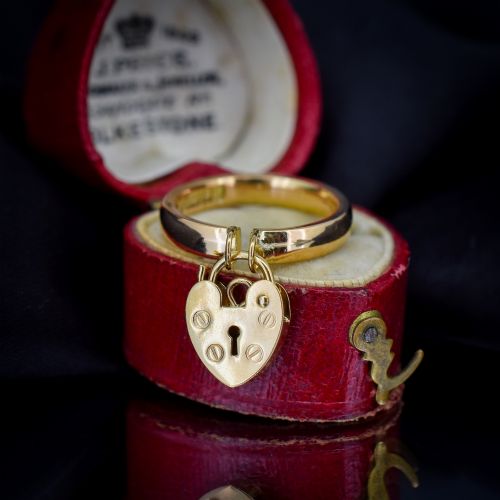
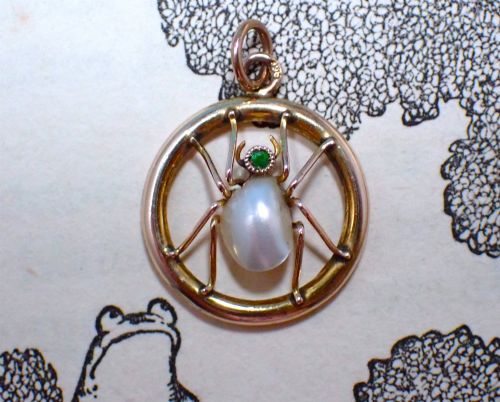
You are most likely to meet jewellery forms on this page, particularly pendants and lockets incorporating 9ct gold, silver, pearls, diamonds, and coloured stones alongside distinct regional objects like enamel eggs and carved figures.
Materials and construction methods
The pieces utilise traditional precious metals including 9ct yellow gold, sterling silver, and occasionally higher karat gold, shaped into detailed mountings for pendants, rings, and lockets. Stones such as rubies, emeralds, diamonds, amethysts, and paste are handset into these metal frameworks.
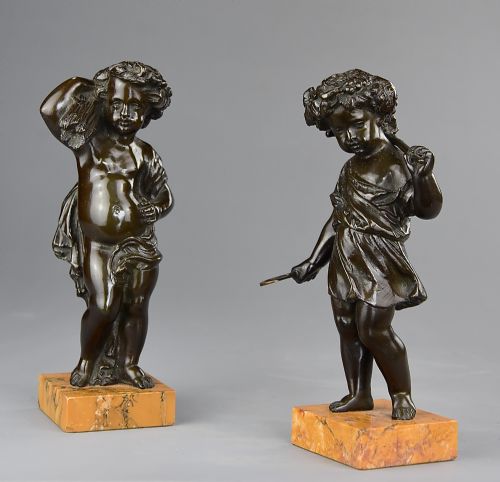
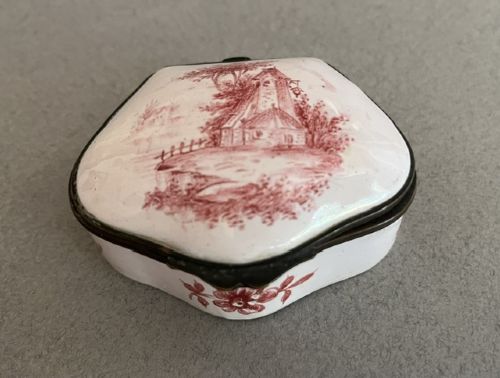
Woodwork and decorative items demonstrate period carpentry and casting techniques, combining solid oak for side tables and chests with carved details, bronze for allegorical figures, and enamel applied to silver or gold surfaces.
Several items depict animals, including Chinese cloisonné quails and Mandarin ducks.
Distinctions in execution and material
The standard of execution varies across items, distinguishing mass production from meticulous artisan work in the crispness of chased metal, the symmetry of stone settings, and the depth of hand carved wood details.
Material composition plays a primary role, separating solid precious metals and natural gems from plated bases and paste stones, while the preservation of original enamel and surface patination determines the integrity of each piece.
Makuzu Kozan II·Plichta Pottery
The Antique Style Charm Glossary
- Pendant
- A decorative object designed to hang from a necklace or chain. These items range from simple gemstone clusters to intricate lockets and enamel eggs.
- Paste
- Hand-cut lead glass utilised as a substitute for gemstones in historic jewellery. It reflects light brightly and appears frequently in Georgian and Victorian pieces.
- Okimono
- A Japanese statuette designed for display in a household interior. They are often carved from ivory, wood, or ceramic.
- Cloisonné
- An ancient technique for decorating metalwork objects with coloured glass paste separated by strips of metal. It produces vibrant patterns across surfaces.
- Carnelian
- A brownish-red variety of the mineral quartz, commonly utilised for signet rings and swivel fobs. It takes a high polish and has a smooth texture.
Antique Style Charm: Frequently Asked Questions
What periods do these pieces date from?
The items span from the eighteenth century through the nineteenth century and into the mid twentieth century, encompassing periods such as Georgian, Victorian, Edwardian, and Art Deco.
Specific dates within listings reflect either the exact year of manufacture or the stylistic era in which the object was produced.
How do I care for gold and silver jewellery?
Precious metals and gemstone items require gentle cleaning with soft cloths and lukewarm water without harsh chemical submersions. Storing pieces separately prevents scratching between harder diamonds and softer pearls or enamel.
Items containing organic materials like pearls benefit from avoiding direct contact with perfumes and cosmetics.
What is the difference between a pendant and a charm?
Charms traditionally attach to a movable bracelet link and are smaller in scale, whereas pendants typically suspend from fixed chains worn around the neck. Many items combine both functions as pendant charms.
Historical pieces often blur these definitions depending on how previous owners chose to wear them.
How can I identify Art Deco pieces?
Art Deco items, emerging around the 1920s and 1930s, feature geometric lines, symmetrical patterns, and modern material pairings like silver and jade. They stand apart from the organic, flowing floral motifs of the preceding Edwardian and Victorian eras.
Clean angles and streamlined silhouettes define this twentieth-century aesthetic.