


Enamelled Gold Pendant
When you handle an enamelled gold pendant, you touch a small world of fused glass and precious metal designed to hang close to the heart.
Enamelled Gold Pendant
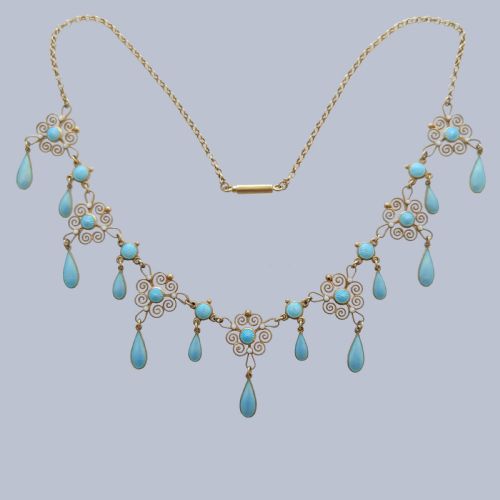
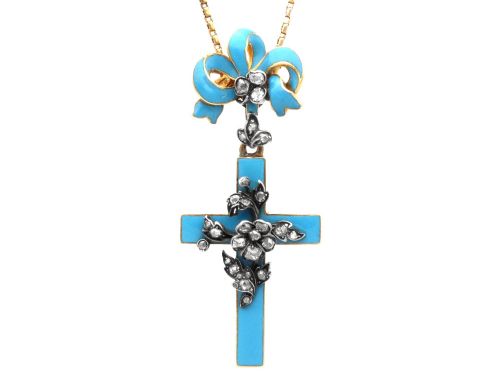
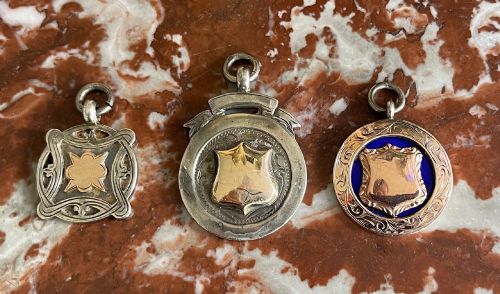
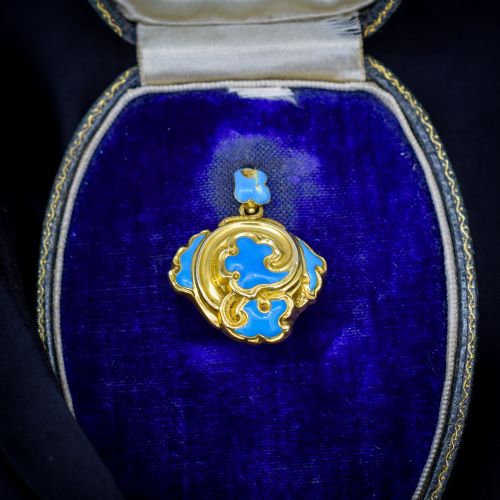
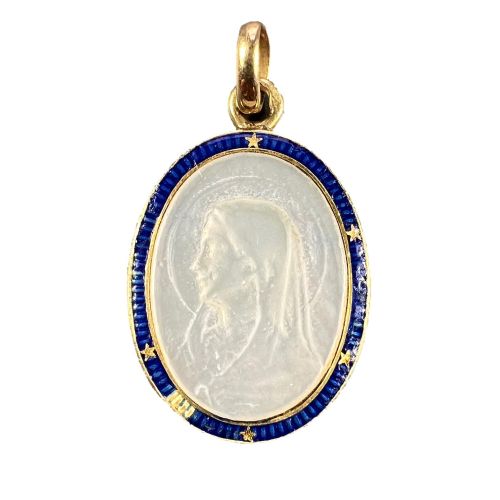
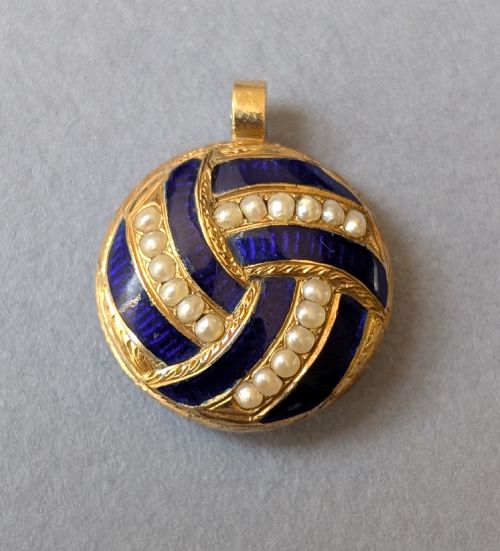
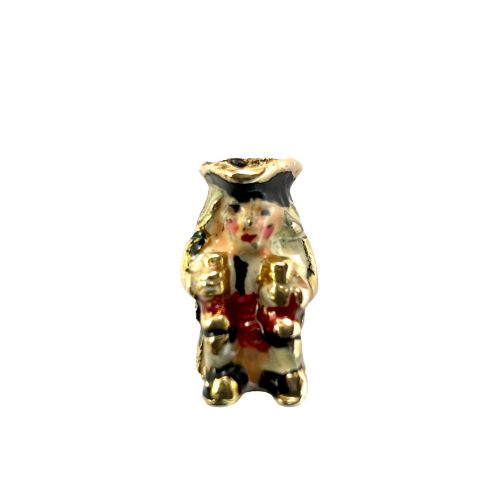
An enamelled gold pendant combines vitreous glass work with a precious metal body, taking forms from mourning lockets and geometric lockets to devotional medallions and whimsical charms. You will frequently encounter Victorian and Edwardian examples alongside French and Viennese pieces that span the eighteenth to the mid-twentieth centuries.
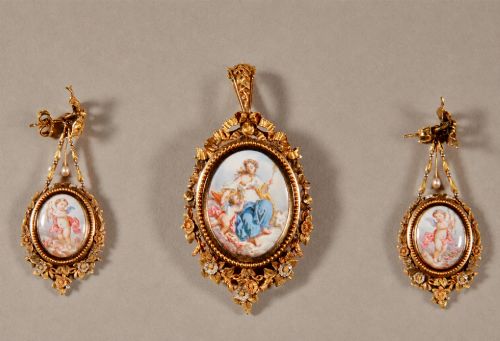
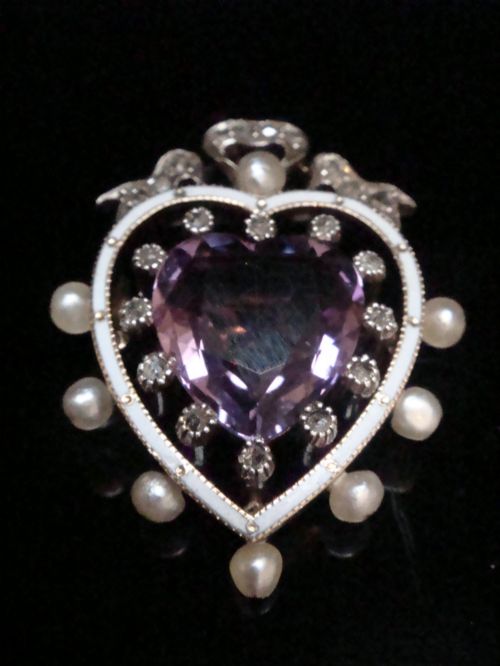
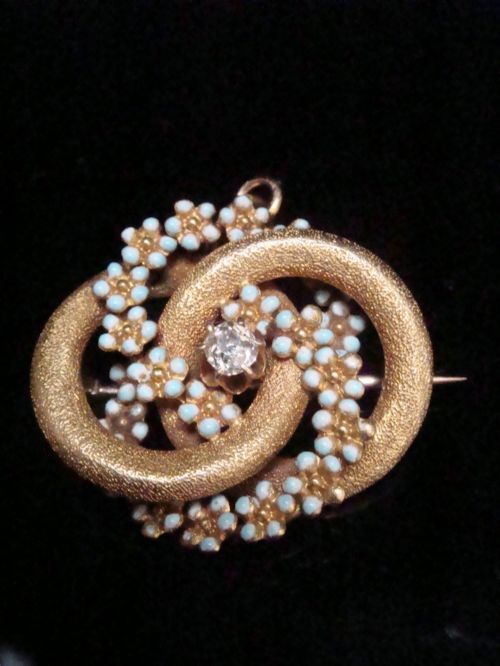
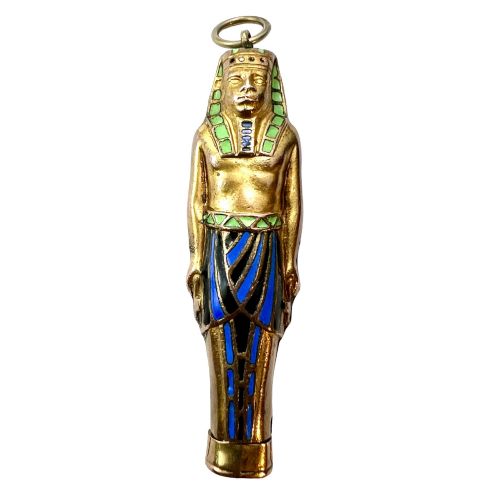
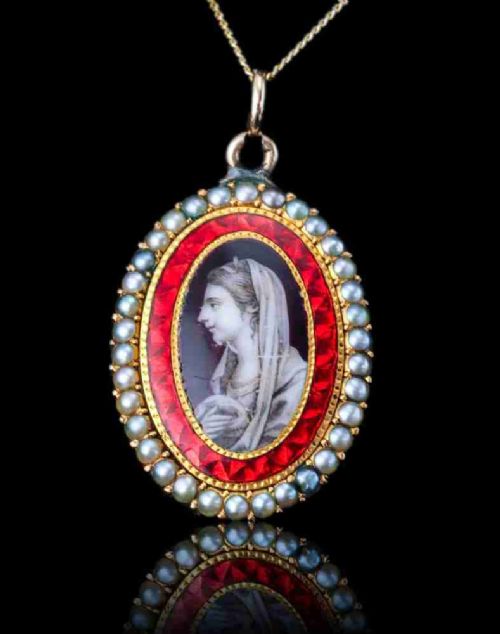
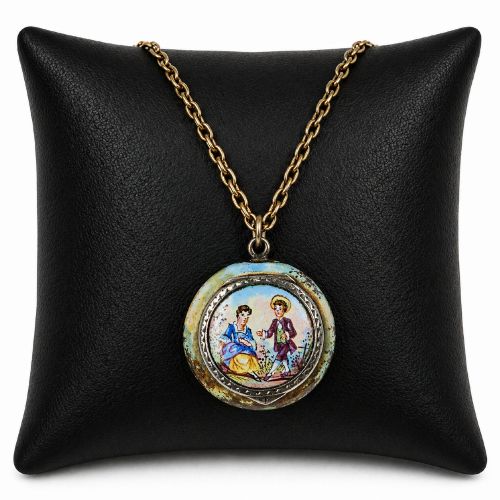
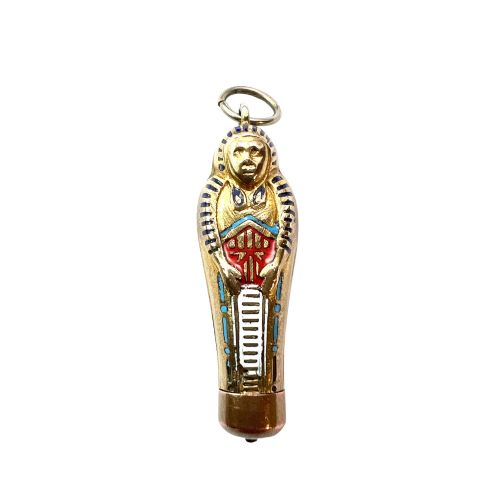
The objects on this page range from portrait miniatures and sepia paintings under glass to structural motifs like snakes, hearts, crosses, and Egyptian sarcophagi. Many pieces double as brooches or incorporate functional elements such as small propelling pencils or double-sided compartments.
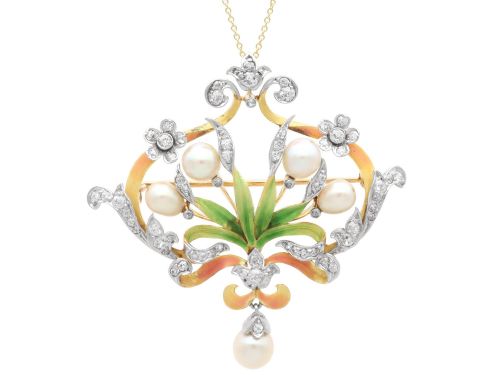
The styles shift across periods, moving from Georgian portraiture and Victorian mourning symbolism to the translucent stained-glass effects of Art Nouveau plique-à-jour and the crisp geometry of later decades. Each variation reflects the prevailing taste for coloured glass decoration mounted in solid gold frames.
Materials and construction methods
Makers formed the body of each piece using yellow gold of various purities, most commonly nine, fifteen, or eighteen carat, as well as silver gilt in certain continental workshops. They fused powdered glass to the metal surface through intense kiln firing to create smooth, durable colour.
Techniques varied from opaque blue and red enamel work to guilloché, where intricate patterns were engraved beneath translucent layers of glass. Plique-à-jour enamel was applied without a backing metal base, producing stained-glass windows that let light pass directly through the coloured sections.
Enamelled Gold Pendant Retail Price Guide 2026
Typical asking prices for enamelled gold pendant among the pieces listed under this phrase on Sellingantiques today, from the lower quarter to the upper quarter. They describe what is for sale here now, not the wider market.
Some tiny enamel charms double as functional propelling pencils shaped like Egyptian sarcophagi.
Assessing craftsmanship and condition
Quality rests in the precision of the metalwork and the stability of the glass fusion, where superior examples display even thickness and secure gem settings. The crispness of hand-painted details or engine-turned guilloché patterns separates standard production from exceptional artistry.
The preservation of the glass surface dictates the integrity of the piece, as fine craftsmanship ensures minimal loss or stress fracturing around the gold borders. The integration of supporting stones like diamonds, seed pearls, and garnets should display clean claw or bezel work that complements the enamel rather than crowds it.
Henry Bone ARA·Christian Friedrich Zincke·Marius Hammer
The Enamelled Gold Pendant Glossary
- Guilloché
- A decorative technique involving precise mechanical engraving on metal beneath a translucent layer of enamel. This method creates repeating geometric patterns that catch the light from beneath the glass surface.
- Plique-à-jour
- An enamelling technique where the glass is fired in open wire cells without a backing metal support. The resulting effect resembles miniature stained glass that is translucent to light.
- Mourning jewellery
- Pieces created to commemorate a deceased person, frequently incorporating dark enamel, hair work, or sepia portraits. These items served as tangible reminders of personal loss during the Georgian and Victorian eras.
- Holbeinesque
- A nineteenth-century revival style drawing on sixteenth-century German and English court jewellery designs. These pieces typically feature heavy gold work set with pearls, garnets, and enamel drops.
- Seed pearls
- Tiny natural or cultured pearls used widely as delicate accents in Victorian and Edwardian jewellery. They are typically half-drilled and secured with tiny pegs onto the gold framework.
Enamelled Gold Pendant: Frequently Asked Questions
What periods do these pendants come from?
The pieces span from the eighteenth century through the Victorian, Edwardian, and Art Deco eras into the mid-twentieth century.
Most items you encounter date from the nineteenth and early twentieth centuries, reflecting changing decorative tastes across European workshops.
How do I care for enamelled gold jewellery?
Glass enamel can chip or crack if struck hard against hard surfaces or exposed to sudden temperature shifts.
Store each pendant separately in a soft pouch and clean it gently with a dry or slightly damp cloth without harsh chemical dips.
What is the difference between champlevé and plique-à-jour?
Champlevé involves carving or casting depressions in the metal to hold the glass paste before firing.
Plique-à-jour leaves open frames so light passes through the transparent enamel without any metal backing behind it.
Can these pendants double as brooches?
Many historical examples were built with a dual purpose, featuring a folding bail alongside a pin and catch on the reverse.
This allowed the owner to wear the piece either suspended from a chain or pinned directly to a garment.