


Vintage Empire Chair
A vintage empire chair brings classical proportion and presence to a room through architectural timber frames and tailored upholstery.
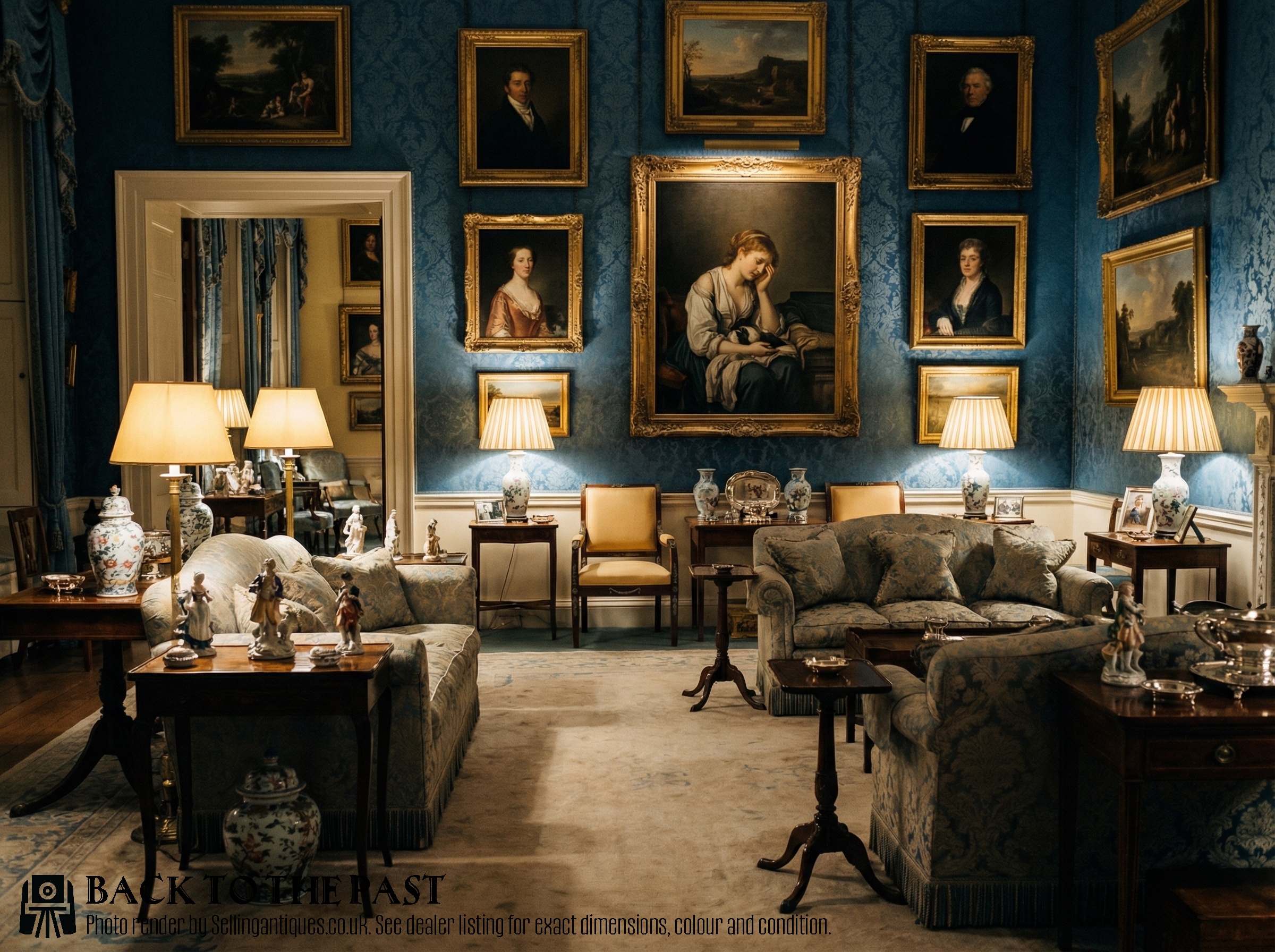
Vintage Empire Chair
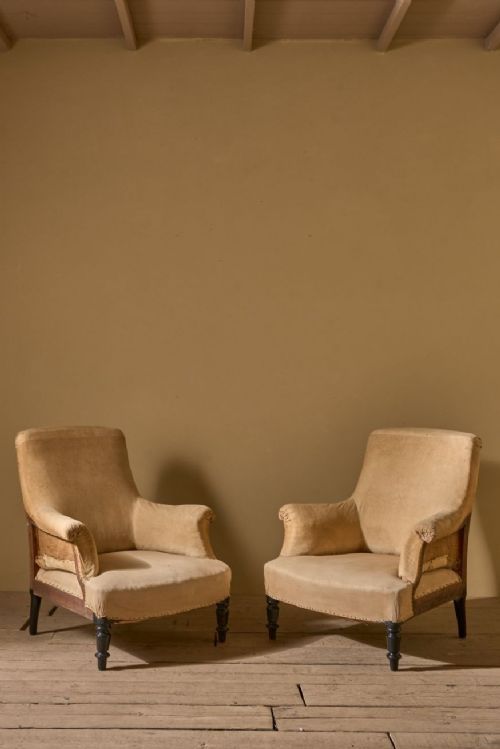
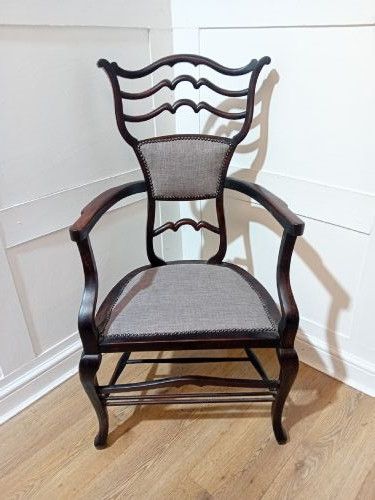
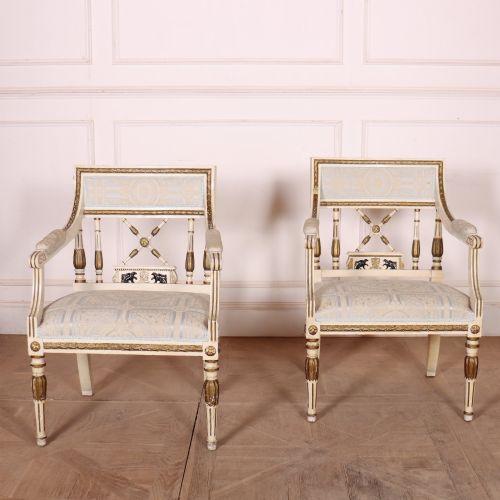
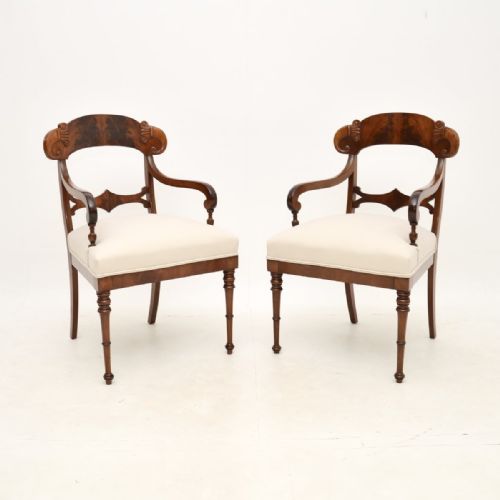
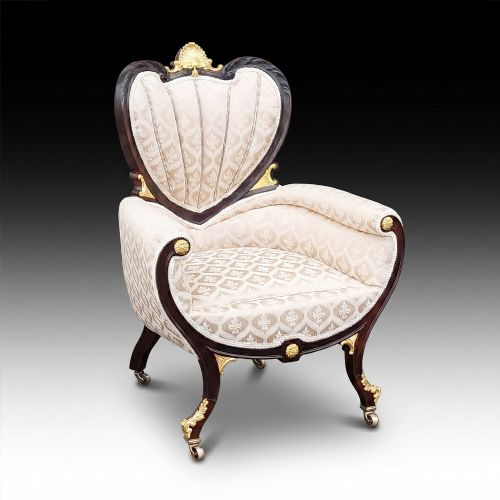
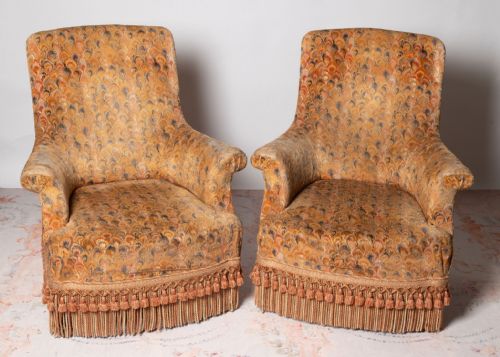
A vintage empire chair covers seating shaped by classical revival periods, from nineteenth century French workshops to later Edwardian revivals. Buyers encounter armchairs, side chairs, and stools drawing on French Empire, Napoleon III, and Swedish Neoclassical vocabularies.
The core forms include open armchairs, library seating, and folding campaign chairs built during the nineteenth and early twentieth centuries. Mahogany and walnut provide the primary timber structures, often enriched with gilt bronze mounts or painted details.
Materials and construction methods
Carpenters constructed these frames from dense hardwoods like mahogany, walnut, elm, and beech, frequently employing solid timbers alongside fine veneers. Gilt bronze mounts, brass details, and giltwood finishes accentuate the classical lines of the timber frames.
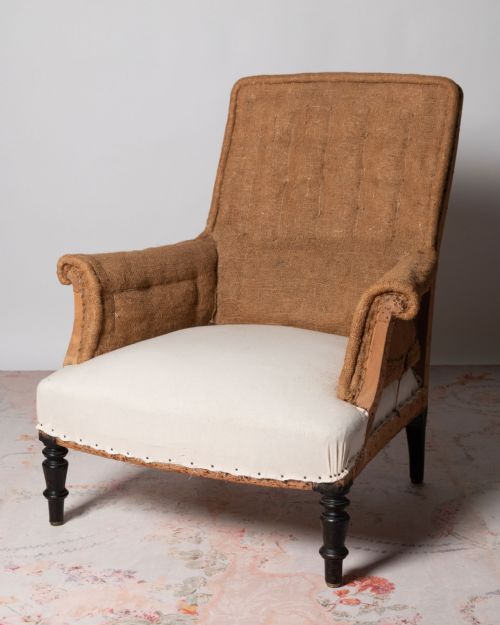
Upholstery forms an integral part of the construction, with many examples retaining or requiring fabric, velvet, and leather coverings over sprung or padded seats. Structural joinery relies on traditional cabinet-making techniques suited to supporting substantial armchairs and side chairs.
An adjustable screw-top piano stool allows a nineteenth-century musician to spin into the correct height for playing.
Distinctions in craftsmanship
The refinement of carved decoration and the precision of the timber frame set finer examples apart from simpler production. Crisp cast bronze mounts and tightly executed joinery indicate superior workshop standards during the manufacturing process.
The integrity of the original wood grain and the choice of primary materials, such as solid mahogany or elm rather than secondary alternatives, dictate the standing of a piece. Well-balanced proportions and harmonious classical lines separate masterwork seating from standard revival items.
The Vintage Empire Chair Glossary
- Fauteuil
- An open-armed upholstered armchair with an exposed wooden frame. These chairs typically feature padded armrests and a wide seat designed for formal reception rooms.
- Gilt bronze
- Copper alloy treated with a gold amalgam to produce a bright metallic finish. Mounts cast in this material decorate the prominent structural points of nineteenth century seating.
- Curule
- An ancient Roman stool shape characterised by intersecting curved legs forming an X-form. Nineteenth century makers revived this ancient form for decorative stools and occasional seating.
- Bergere
- An enclosed upholstered armchair with solid wooden sides and a padded back. This French seating style often incorporates exposed polished wood frames around cushioned elements.
Vintage Empire Chair: Frequently Asked Questions
How do I identify a true empire chair?
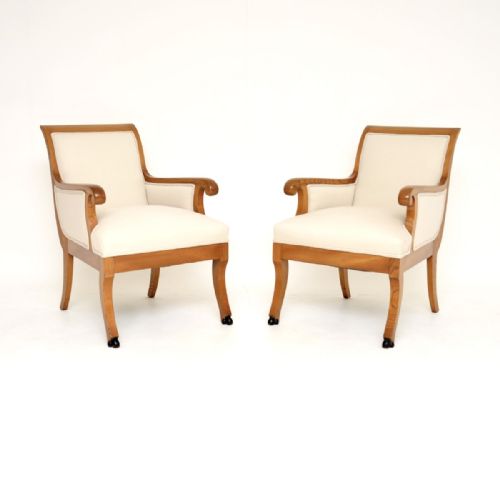
Authentic pieces display classical architectural motifs, such as column supports, symmetrical scroll arms, and sabre legs derived from ancient Greek and Roman designs. Timbers like mahogany and walnut form the structural foundation of these formal seats.
Examination of the joinery and material weight helps distinguish nineteenth-century examples from later twentieth-century revivals. Regional traits, such as Swedish neoclassical restraint or French gilt bronze embellishments, further clarify the origin of the chair.
Can I use these chairs in a modern room?
The architectural lines and restrained ornamentation of these classical seats allow them to sit comfortably alongside contemporary furniture. Placing an armchair or side chair in a study or hallway introduces strong focal points and historical contrast.
Selecting neutral or bold fabric coverings during reupholstery bridges historical frames with modern interior palettes. The sturdy construction of mahogany and walnut ensures daily utility in residential spaces.
What is the difference between French and Swedish styles?
French designs from the empire and Napoleon III periods favour rich gilt bronze mounts, dark mahogany timbers, and opulent upholstery fabrics. These pieces project formal grandeur through dramatic silhouettes and elaborate decorative details.
Swedish neoclassical and empire variants tend towards lighter elm or mahogany timbers, cleaner lines, and painted surfaces. This Scandinavian approach emphasises geometric clarity and architectural simplicity over heavy ornamentation.
How should I care for antique wood and fabric?
Maintain timber frames by dusting regularly with a soft cloth and applying appropriate beeswax sparingly to nourish the polished mahogany or walnut surface. Keep chairs away from direct heat sources and strong sunlight to prevent timber splitting and fabric fading.
Protect delicate upholstery materials through gentle vacuuming with a low-suction attachment designed for textiles. Professional conservation ensures structural stability remains intact for historical seating.