







Vintage Embroidered Picture
A vintage embroidered picture brings hand-stitched character and tactile depth to a wall, offering centuries of domestic artistry.
Vintage Embroidered Picture
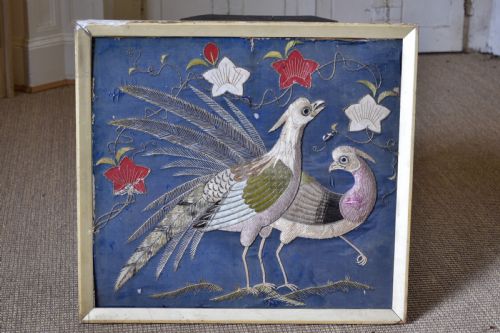
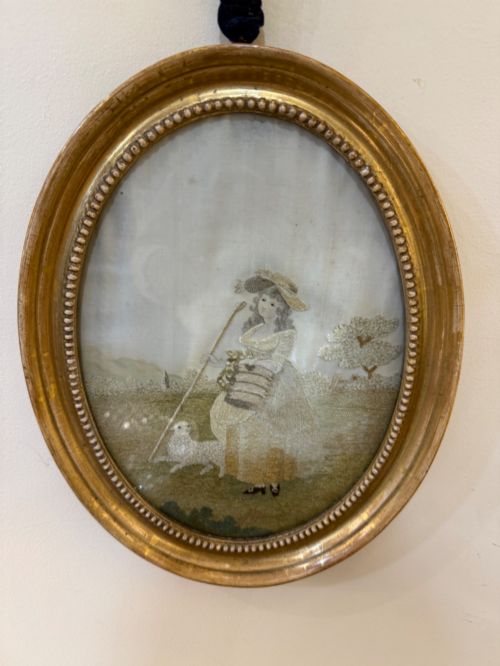
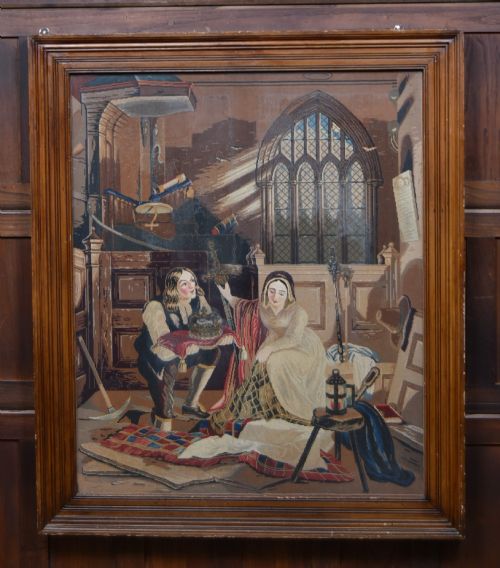
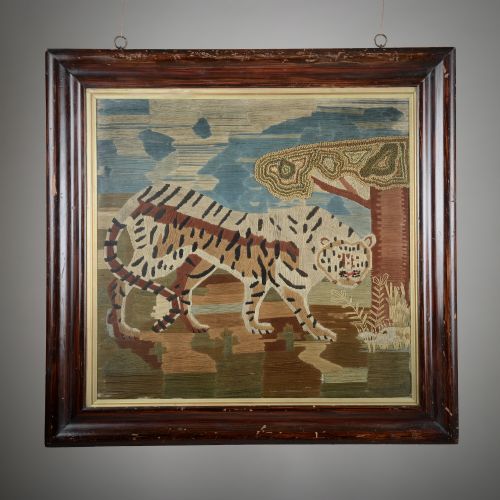
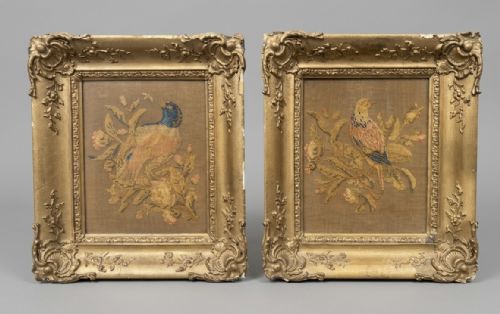
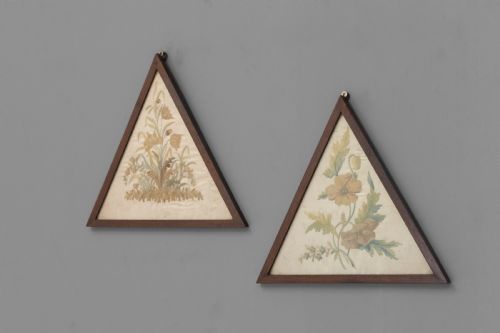
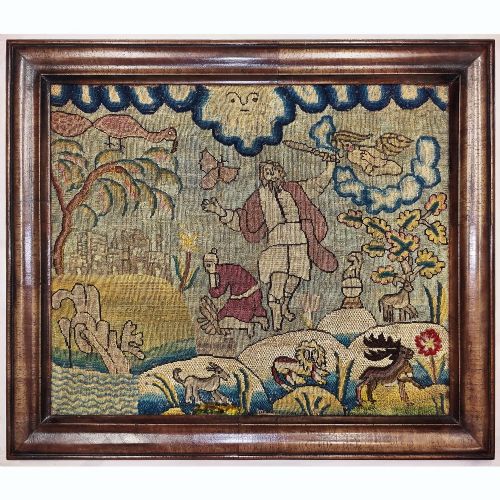
When you search for a vintage embroidered picture, you encounter a diverse range of fabric artworks spanning multiple centuries, from 17th-century fragments to 20th-century samplers. The selections on this page most frequently present 19th-century needlework, featuring subjects like birds, animals, historical figures, and floral arrangements housed in traditional frames.
The format varies widely from wall art and textile panels to detailed needlework samplers and framed beadwork. You find pieces representing distinct styles such as Georgian, Victorian, Chinoiserie, Gothic Revival, and English Country House, reflecting the shifting domestic tastes of past makers.
Materials and construction methods
These works rely on textiles such as silk, wool, linen, and canvas as the foundation for the stitches. Makers employed fine needlework techniques, including crewel work, gros-point, and Berlin wool work, to build up textured imagery.
Finished embroideries were frequently mounted behind glass and housed in wooden or gilt wood frames to protect the delicate threads from dust and environmental wear.
Listings feature works spanning the 17th, 18th, 19th, and 20th centuries, utilising silk, wool, linen, canvas, and glass.
Elements of distinction and refinement
Quality rests in the precision and complexity of the needlework, where finer stitches create greater detail and tonal nuance within the depicted scene. The choice of materials also signals distinction, particularly where lustrous silk threads or intricate beadwork are utilised.
Preservation of the fabric and the retention of original framing elements, such as period gilt wood, elevate a piece. The clarity of the design and the sophistication of the composition separate simpler folk works from more accomplished studio or professional executions.
The Vintage Embroidered Picture Glossary
- Sampler
- A piece of needlework produced as a demonstration or test of skill in various stitches, frequently displaying alphabets, numerals, and decorative motifs.
- Gros-point
- A type of needlepoint embroidery worked on canvas with a coarser wool yarn, creating a sturdy and textured surface.
- Berlin wool work
- A style of charted needlepoint worked in brightly coloured wool on canvas, highly popular during the 19th century.
- Crewel work
- Embroidery executed with wool yarn on a linen or cotton twill fabric, traditionally using a variety of traditional stitching techniques.
- Chinoiserie
- A European artistic style reflecting Chinese motifs and techniques, often interpreted in decorative arts and textiles.
Vintage Embroidered Picture: Frequently Asked Questions
How should I hang a vintage embroidered picture?
Protect the textile by mounting it away from direct sunlight and sources of heat, which can fade wool and silk threads over time. Use stable wall fixings suited to the weight of the traditional wooden or gilt frame.
Ensure the room maintains a stable humidity level to prevent the fabric support and wooden elements from degrading in storage or display.
How do I date an embroidered picture?
Examine the style of the stitching, the materials used, and the framing to gather clues about the period of manufacture. Samplers often include explicit dates and the maker's age or name worked directly into the fabric.
Compare the aesthetic conventions, such as Victorian folk art motifs or Georgian design elements, with known historical textile patterns to narrow down the timeframe.
What is the difference between a sampler and a tapestry?
A sampler functions as a display of varied stitches and alphabets, often created by younger makers to practice technique. A tapestry or needlework picture depicts a specific pictorial scene, such as a landscape, portrait, or animal.
Samplers prioritise lettering and geometric or botanical bands, while pictorial embroideries focus on narrative representation using gros-point or silk.
Are these embroideries framed behind glass?
Many surviving pieces are preserved behind glass to shield the delicate natural fibres from atmospheric dust and handling damage. This protective barrier is standard for historical textiles displayed on walls.
When inspecting a piece, check whether the glazing appears contemporary or historical, as re-framing is common to ensure better conservation.