
Vintage Drop Leaf Side Table
A vintage drop leaf side table offers practical folding flaps that transform compact furniture into useful surface space.
Vintage Drop Leaf Side Table
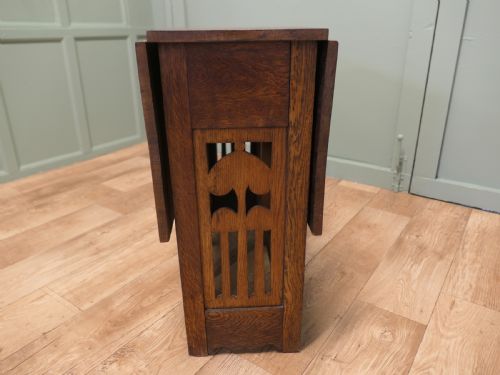
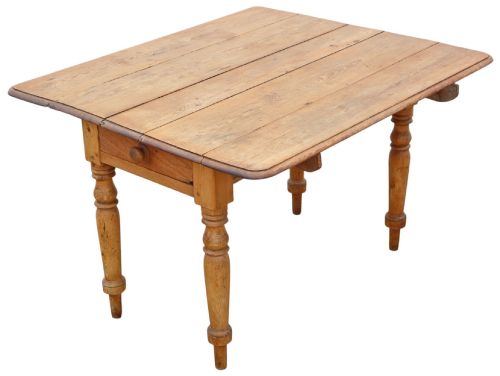
A vintage drop leaf side table brings folding flexibility to compact spaces through hinged flaps supported by swing legs or brackets. Buyers find these useful as occasional surfaces, bedside stands, or smaller dining spots.
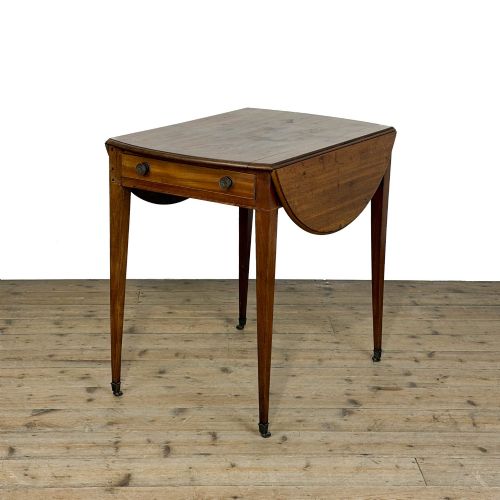
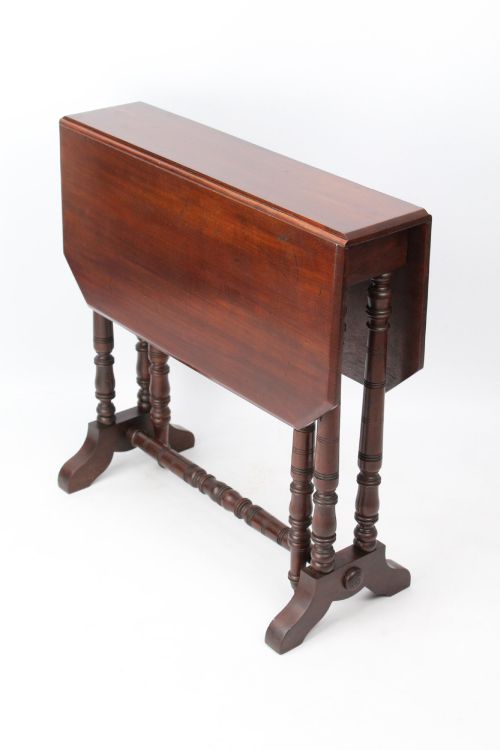
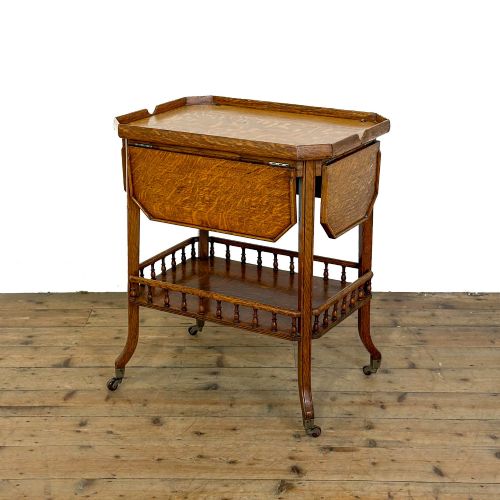
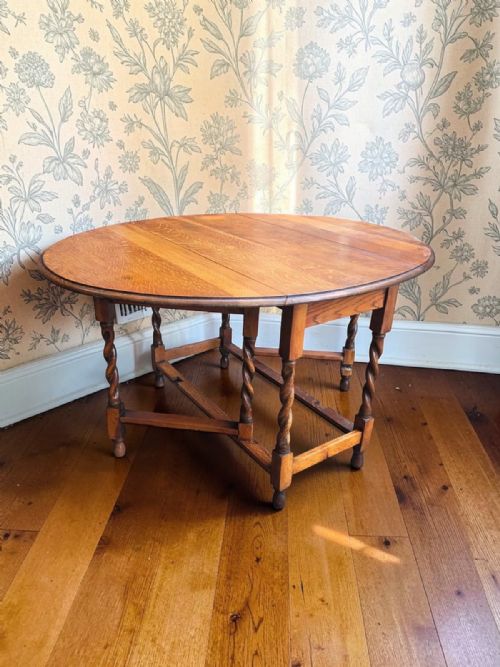
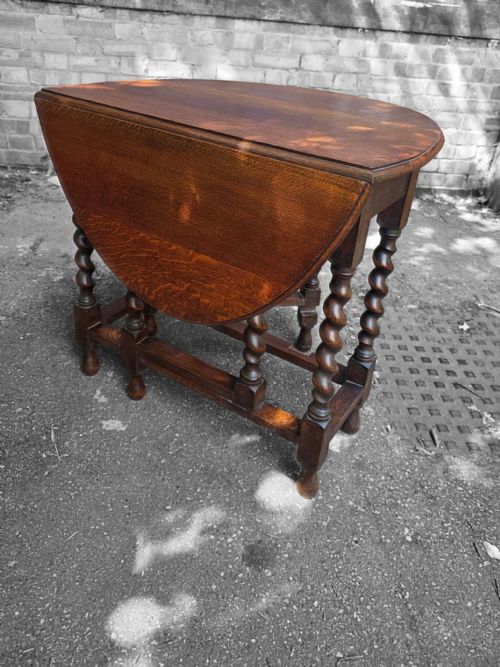
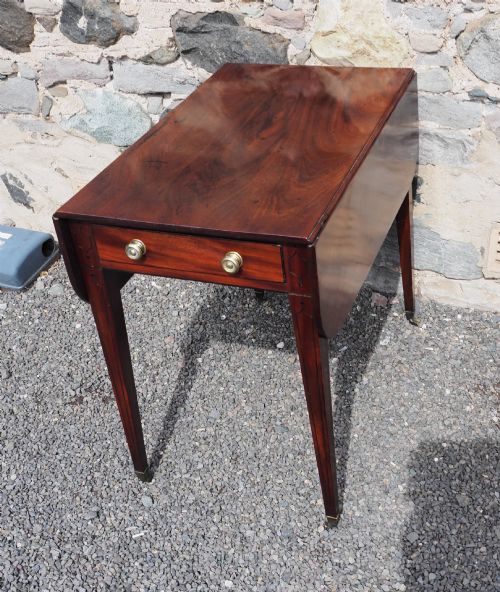
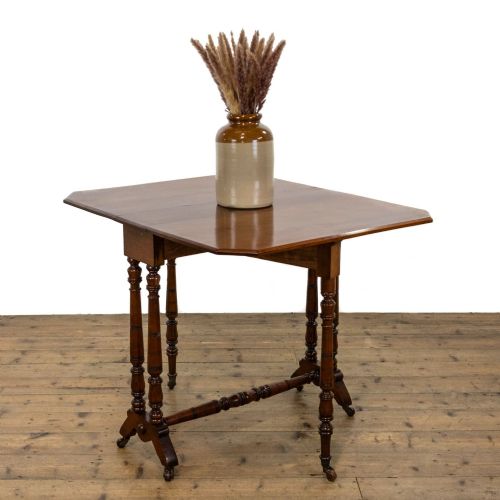
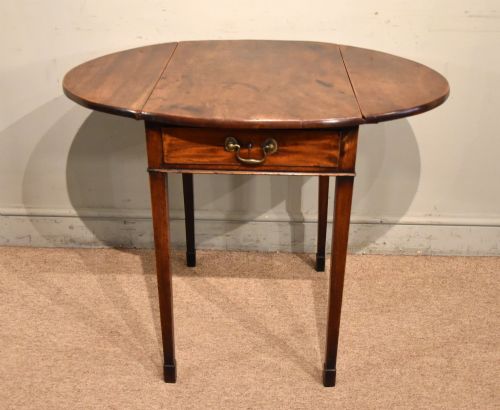
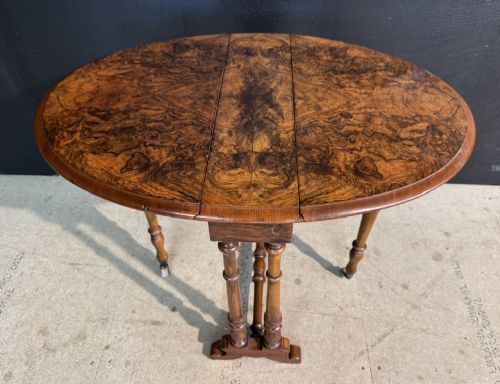
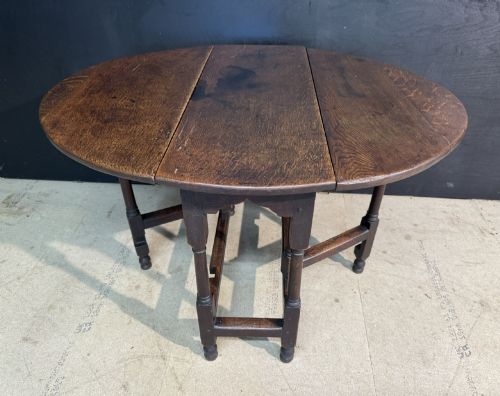
The selections span centuries, incorporating forms such as Pembroke tables with drawers, gateleg designs with turned supports, and narrow Sutherland tables. Oak and mahogany dominate, supplemented by walnut, rosewood, and pine.
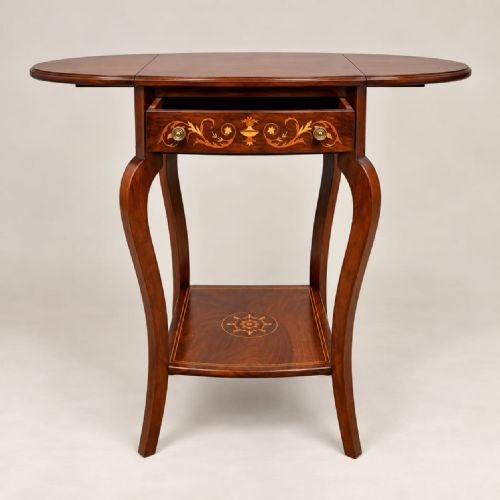
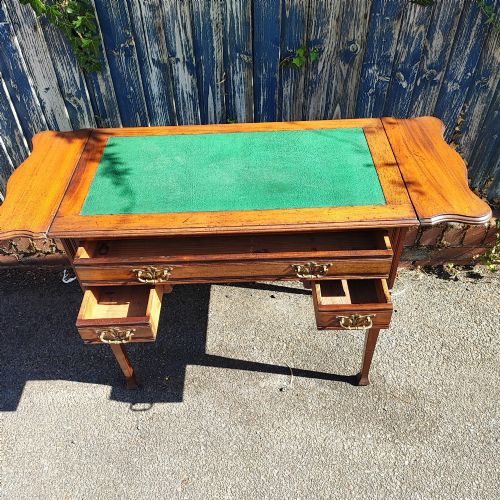
Earlier examples reach back to the seventeenth century in heavy oak, while later Victorian and Edwardian pieces utilise lighter timbers and refined inlays. The range also includes specialised pieces like writing tables, library tables, and kitchen preparation surfaces.
Factors separating quality tiers
Quality rests upon the integrity of the hinge mechanisms and the stability of the folding leaves when extended. Superior examples maintain tight joints in the swing legs without excessive wobble or sagging.
Material selection and surface preservation dictate the upper tier, where figured grain, original patination, and careful timber matching elevate standard utilitarian items into finer decorative furnishings.
Listings feature timbers including mahogany, oak, walnut, rosewood, and pine across periods spanning the seventeenth century to the early twentieth.
The Vintage Drop Leaf Side Table Glossary
- Drop leaf
- A table with a fixed centre section and hinged flaps that fold down when not in use. These flaps allow the furniture footprint to adapt quickly to smaller rooms.
- Gateleg
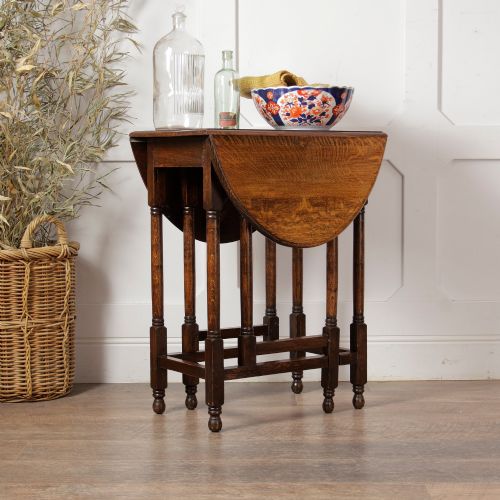
- A table featuring swing legs that pull outward like a gate to support the drop leaves. This construction provides robust weight distribution beneath extended flaps.
- Pembroke
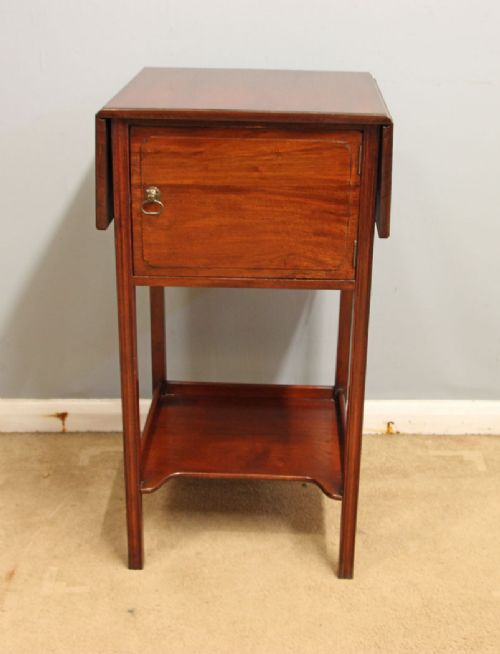
- A rectangular table design featuring two side flaps and typically one or two small drawers. It gained popularity during the eighteenth century for versatile placement.
- Sutherland
- A particularly narrow table style with unusually slender drop leaves and narrow folding legs. When closed, it occupies minimal floor space.
- Barley twist
- A decorative turning technique resembling a twisted rope, commonly found on seventeenth-century and revival table legs. It adds sculptural texture to structural supports.
Vintage Drop Leaf Side Table: Frequently Asked Questions
How do I use a drop leaf table in a small room?
Keep both leaves folded down against a wall to use the piece as a narrow console or side surface. Simply lift one or both flaps and swing out the support leg whenever extra tabletop area is required.
This adaptability makes them suitable for hallways, bedrooms, or compact living spaces where permanent large furniture overwhelms the room.
What is the difference between a gateleg and a Pembroke table?
A gateleg table relies on hinged support legs that swing outward from the central frame to hold up large folding leaves. They often feature multiple turned legs and substantial timber construction.
Pembroke tables generally have smaller drop leaves supported by hinged brackets rather than swinging gate legs, and they frequently incorporate functional drawers beneath the top.
How can I tell an older oak table from a revival piece?
Examine the construction marks, timber grain, and joinery methods visible underneath the tabletop and around the hinges. Seventeenth-century and early eighteenth-century pieces often display hand-split boards, pegged joints, and deep natural patination.
Revival pieces from the later periods tend to use more uniform machine-sawn timber and standardised modern hardware while imitating earlier historical styles.
Are these tables sturdy enough for daily dining?
Many solid oak and mahogany versions were built for heavy daily use as dining or kitchen furniture. Checking the stability of the swing joints and hinges ensures the extended leaves will bear weight safely.
Lighter occasional or Sutherland tables suit display and reading better than heavy dining duties.