


Vintage Dog Etching
These vintage dog etching works bring character and fine canine study straight to your walls.
Vintage Dog Etching
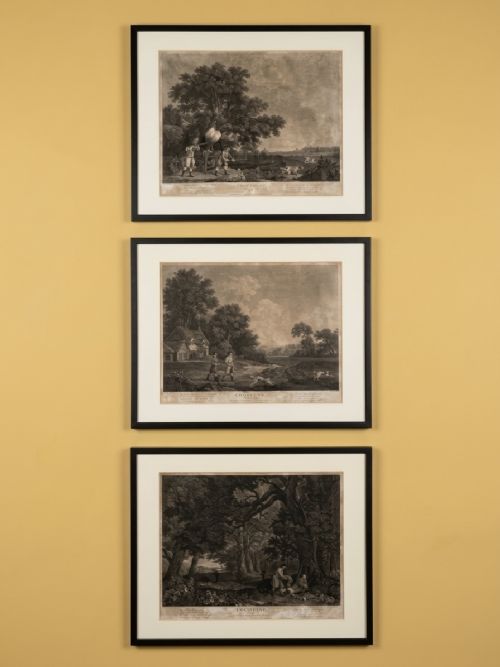
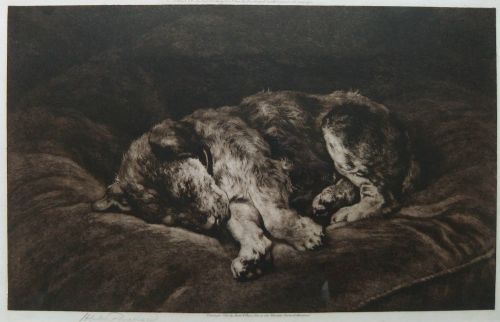
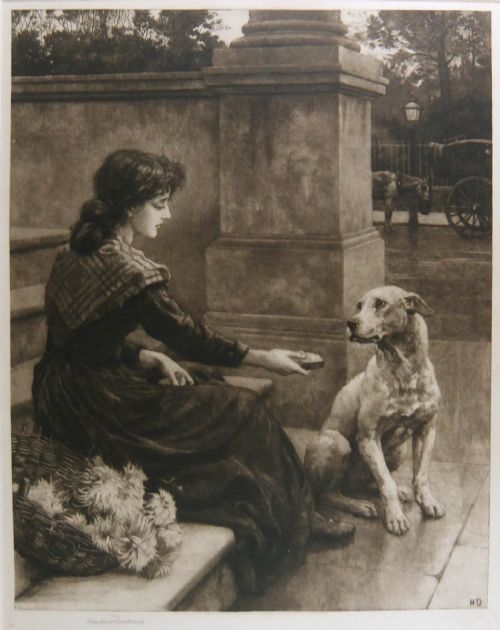
When you search for vintage dog etching, you encounter framed works on paper capturing canine subjects through inked lines. These pieces capture dogs with notable realism across the Victorian and Edwardian eras.
The selection here includes original drypoint etchings and framed prints dating from the nineteenth century into the early twentieth century. Subjects range from individual spaniels and terriers to named bulldogs.
You also find related domestic items carrying canine or hunting themes, such as ruby glass oil peg lamps from the nineteenth century. These objects sit within English Country House and early twentieth-century realism styles.
How they were made
Makers produced these works using ink applied to paper through etching and drypoint techniques, often mounted behind glass within wooden frames. The process allows for fine line work that captures the texture of canine coats.
Alternative pieces utilise moulded ruby glass and brass fittings, particularly in domestic lighting decorated with hunting themes. These materials reflect the decorative standards of nineteenth-century workshops.
One nineteenth-century engraving immortalises a celebrated bull bitch named Lucy, out of old Patch.
What varies in quality
The distinction between standard examples and superior works lies in the crispness of the impression and the presence of artist signatures. Stronger prints show clear plate marks and deep ink saturation that define the subject.
Framing materials and overall preservation also set pieces apart, as well-kept paper and original wood frames maintain the historical integrity of the artwork.
Herbert Dicksee·Blockey
The Vintage Dog Etching Glossary
- Drypoint
- An intaglio printmaking technique where an artist scratches an image directly onto a metal plate with a hard steel needle. This method produces soft, velvety lines due to the burr raised on the metal.
- Etching
- A process where acid bites lines into a metal plate that has been covered with a protective ground. The plate is then inked and printed onto paper.
- Plate mark
- The impression left on paper by the edge of a printing plate during the pressing process. Its presence confirms the use of an intaglio printing method.
- Ruby glass
- A deep red coloured glass created by adding gold chloride to the molten glass mixture. It was popular for nineteenth-century decorative items and oil lamps.
Vintage Dog Etching: Frequently Asked Questions
What is a drypoint etching?
A drypoint etching is a print made by scratching directly into a metal plate without using acid. The process creates distinct, rich lines on paper.
Artists favoured this method for its ability to produce expressive textures, particularly when rendering animal fur.
How old are these prints?
The pieces span from the nineteenth century through the early twentieth century. Most dated works originate from around nineteen ten and nineteen twenty.
Victorian examples often depict named subjects with detailed provenance notes inscribed on the paper.
How should I frame an etching?
Etchings require protection behind glass and acid-free mounts to prevent paper degradation. Proper framing preserves the delicate ink lines and paper quality over time.
Keep framed works away from direct sunlight to protect the paper and ink from fading.
What subjects appear in these works?
The subjects focus heavily on canine portraits, including spaniels, Scottish terriers, and bulldogs. Many pieces capture specific named dogs with distinct personalities.
Selected items also incorporate broader hunting themes within decorative glass objects.