



Antique Canine Wall Art
Antique canine wall art brings character and history into a room through painted and printed portraits of dogs.
Antique Canine Wall Art
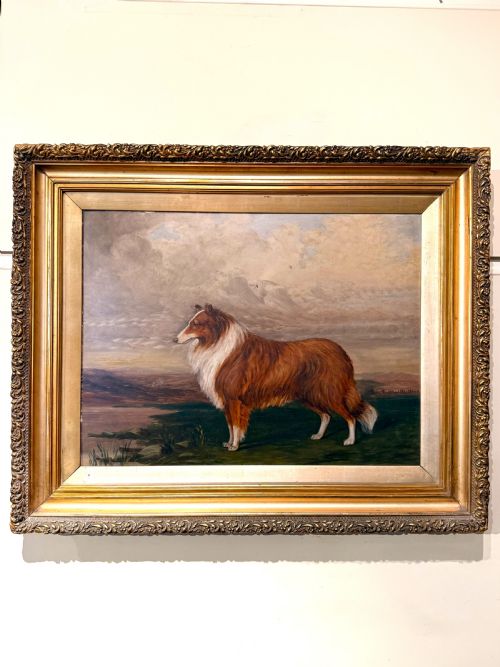
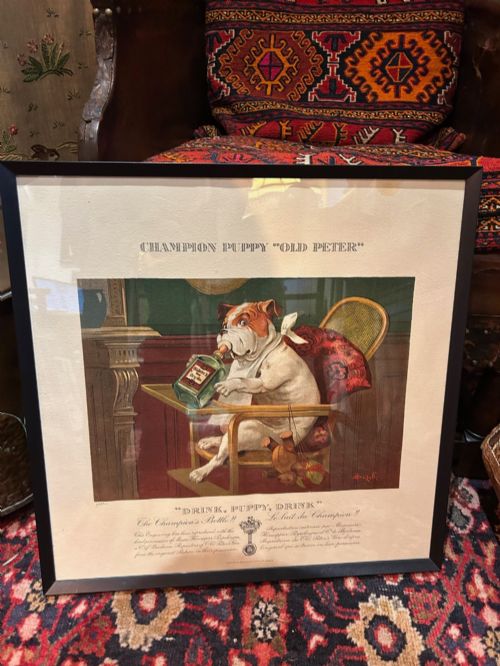
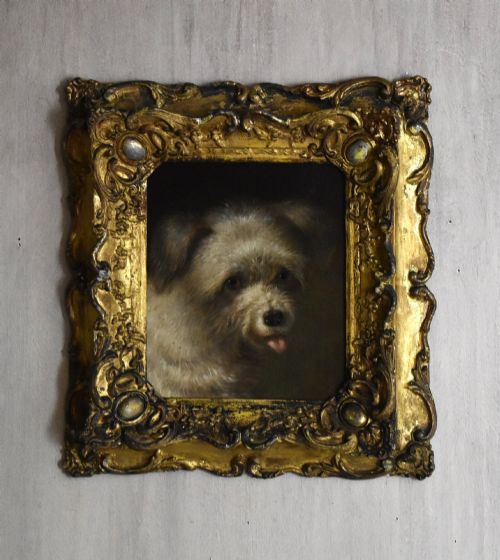
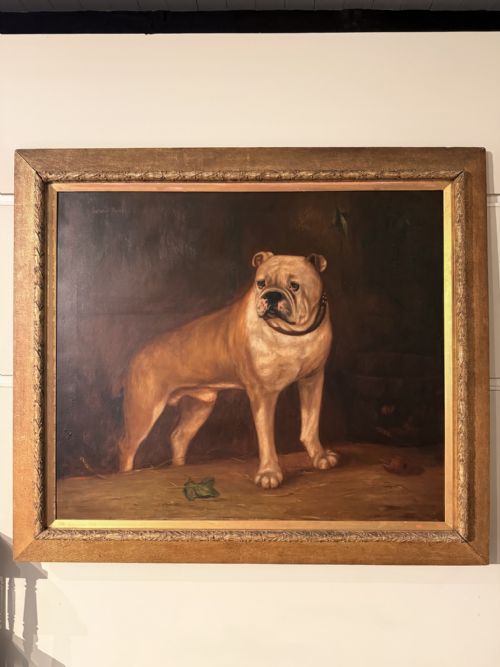
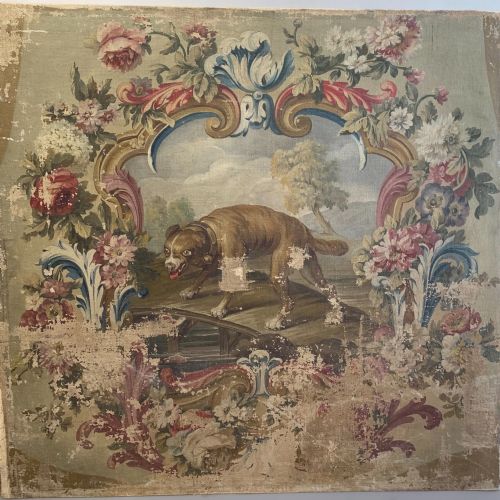
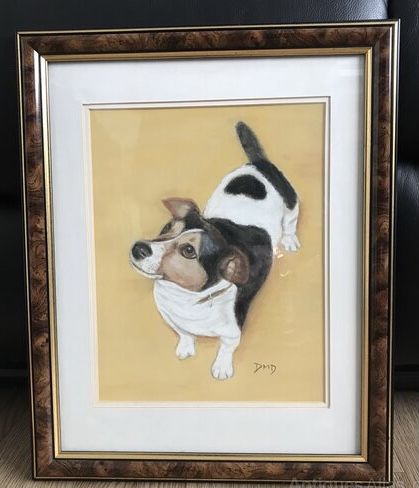
Antique canine wall art encompasses framed paintings, prints, and etchings dedicated to dog portraits and sporting scenes. These pieces capture individual pets, working gundogs, and prized hounds in oil, watercolour, and ink.
The Victorian period and the early twentieth century dominate the selection, offering everything from intimate terrier studies to grand mastiff canvases. Works span oil on canvas, paper, and board, often retained in their original frames.
Buyers encounter both detailed individual character studies and broader sporting art compositions reflecting nineteenth and twentieth-century canine culture.
How they were made
Makers utilised oil paint on canvas, board, and panel to build rich textures in coats and expressions. Artists also worked in watercolour and employed ink, pencil, and silhouette techniques on paper.
Printmakers created editions through etching, drypoint, and engraving processes to reproduce detailed animal scenes. Gilt frames often completed these works, complementing the palette of the imagery within.
What varies in quality
The handling of anatomy and the expression in the dog's eye separate accomplished works from routine decorative pictures. Master artists capture bone structure and coat texture with distinct conviction.
Condition of the medium and the retention of the original period frame influence the integrity of the piece. Stronger examples maintain the original brushwork or clean plate marks without intrusive restoration.
Marcellin Auzolle·Martin Theodore Ward·John Sargent Noble·Herbert Dicksee·Augustin Edouart·Valentine Thomas Garland·Sir Edwin Landseer·Tom Carr·John Emms·Henry Frederick Lucas-Lucas·Samuel John Carter
The Antique Canine Wall Art Glossary
- Etching
- A printmaking process where acid bites lines into a metal plate to hold ink. Artists draw through a protective ground to create fine, detailed lines.
- Drypoint
- A printmaking technique where an artist scratches directly into a metal plate with a sharp needle. This produces a rich, velvety burr along the printed line.
- Gilt
- Covered in a thin layer of gold leaf or gold paint. This finish frequently adorns the wooden frames surrounding Victorian and Edwardian works.
- Sporting Art
- Depictions of rural sports, hunting dogs, and working animals. This genre records the animals central to field sports and estate life.
Antique Canine Wall Art: Frequently Asked Questions
How do I date an antique dog painting?
Examine the canvas preparation, stretcher construction, and style of the gilt frame alongside any signatures. Clothing in background portraits or handwritten inscriptions on the reverse often narrow down the decade.
Material choices like board versus early canvas also help anchor the piece to the nineteenth or twentieth century.
What is the difference between an etching and an engraving?
Etchings rely on acid to bite lines into the metal plate, producing softer, freer strokes. Engravings involve direct cutting into the metal with a burin, resulting in crisp, precise lines.
Both techniques were widely used for reproducing dog portraits before modern photography.
How should I hang canine art at home?
Pair smaller framed etchings and silhouettes together on a study wall to create a traditional grouping. Large oil paintings of hounds or gun dogs command attention as solo focal points above a mantelpiece.
Keep pieces away from direct sunlight to protect oil paint and paper from fading.
Who were the notable dog artists of the nineteenth century?
Sir Edwin Landseer set the standard for canine portraiture, influencing generations of painters who captured both prized mastiffs and working terriers. Artists like John Emms specialised in lively terrier studies.
Etchers such as Herbert Dicksee later brought expressive dog portraits to wider audiences through print.