
Vintage Document Storage Chest
A vintage document storage chest organises papers with period gravity, ranging from oak filing cabinets to leather deed boxes.
Vintage Document Storage Chest
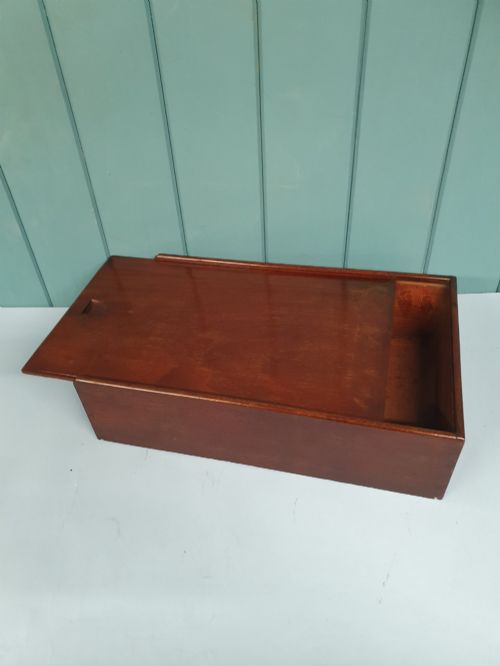
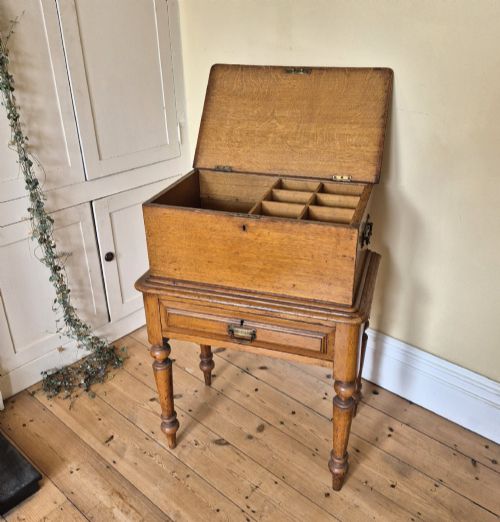
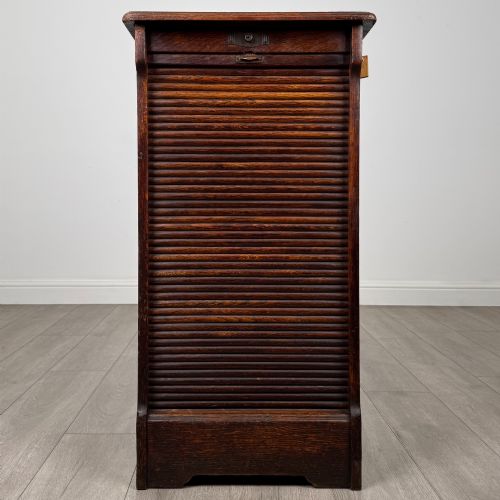
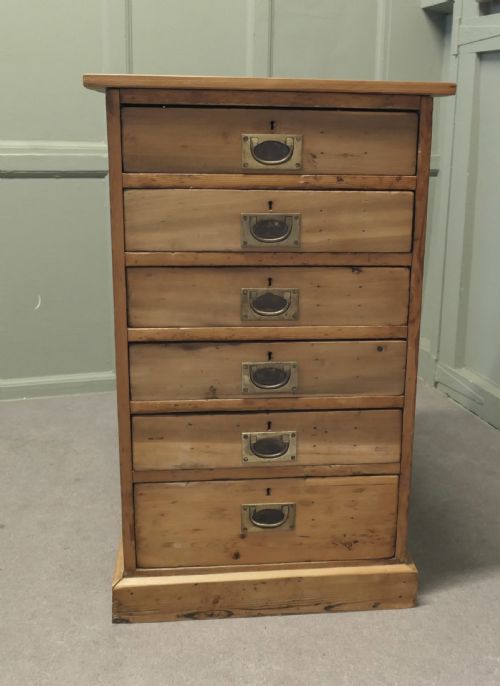
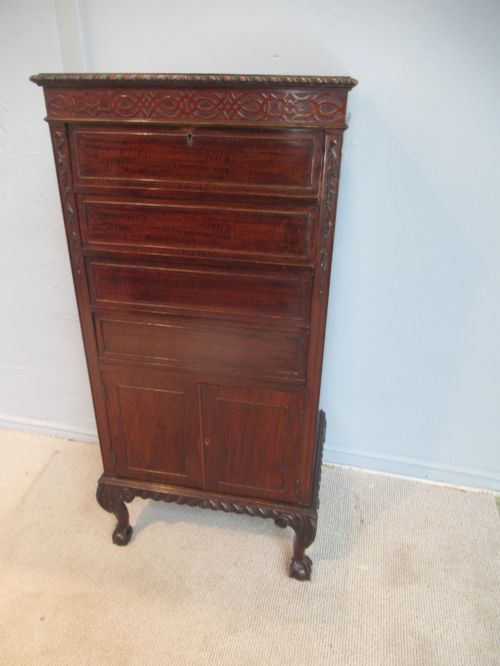
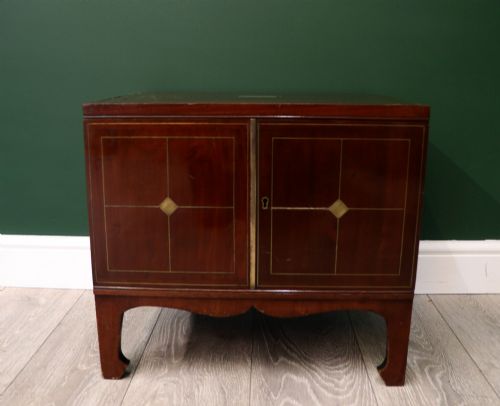
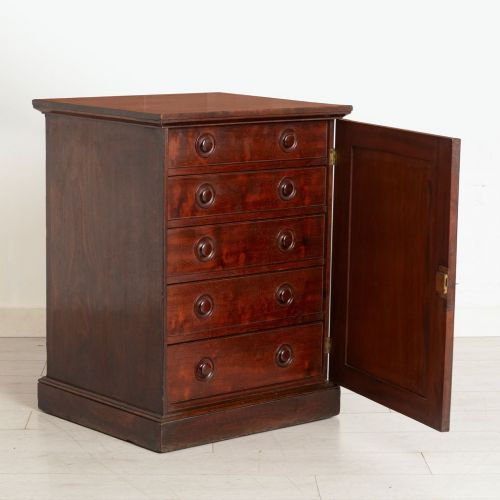
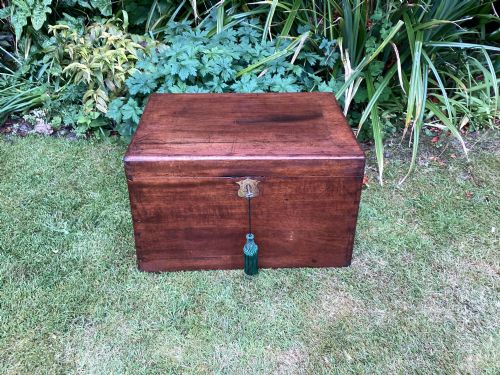
A vintage document storage chest encompasses various organisational forms, from 18th century mahogany deed boxes to Edwardian oak filing cabinets and multi-drawer office furniture. Buyers searching this phrase encounter practical desktop cases, tambour front units, and substantial banks of drawers designed to hold papers securely.
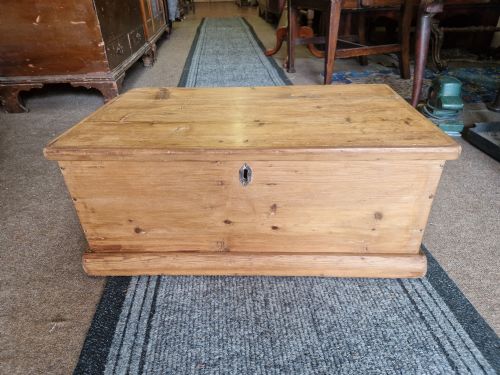
The selection leans heavily toward early 20th century and Victorian examples, including campaign style collectors' cabinets, pine strongboxes, and specialised railway or industrial filing solutions. Pieces originate from diverse domestic and commercial workshops across Britain, Scandinavia, and continental Europe.
Materials and construction
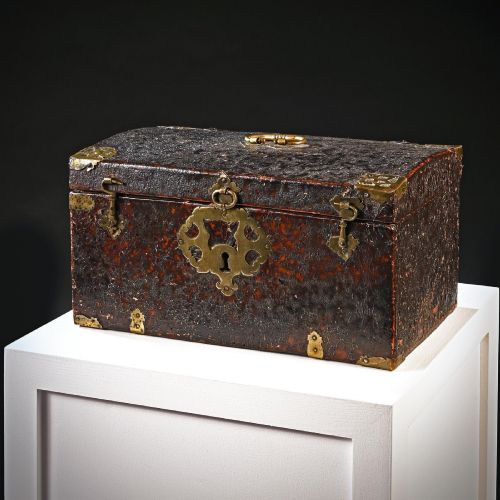
Carpenters utilised solid timbers like oak, mahogany, pine, and elm, frequently joining panels with dovetails to withstand heavy daily use in offices and studies. Strongboxes and travelling chests integrated iron banding, brass corners, and locks for security during transit.
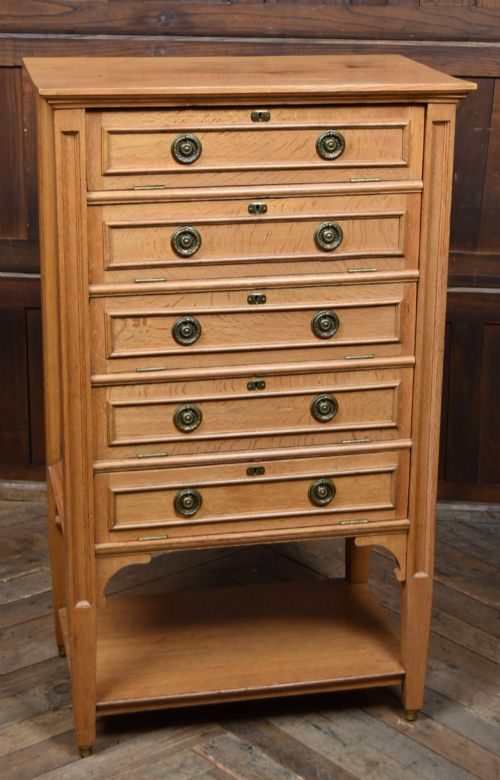
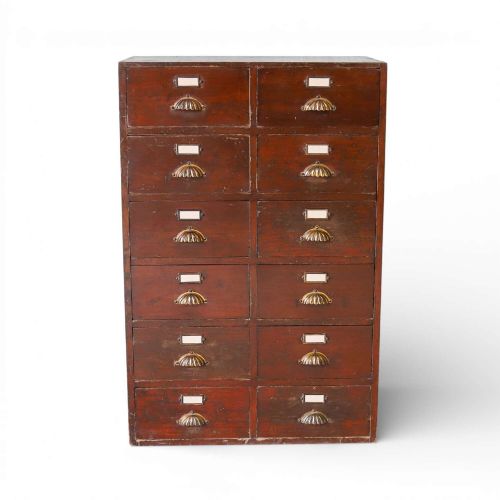
Surface finishes rely on natural grain polishes, tooled leather inserts, and occasionally hand-painted folk art motifs. Drawers often retain original brass shell pulls and label holders suited for categorising documents.
The inventory spans the seventeenth, eighteenth, nineteenth, and twentieth centuries, incorporating Georgian, Victorian, and Edwardian eras.
Build and mechanism
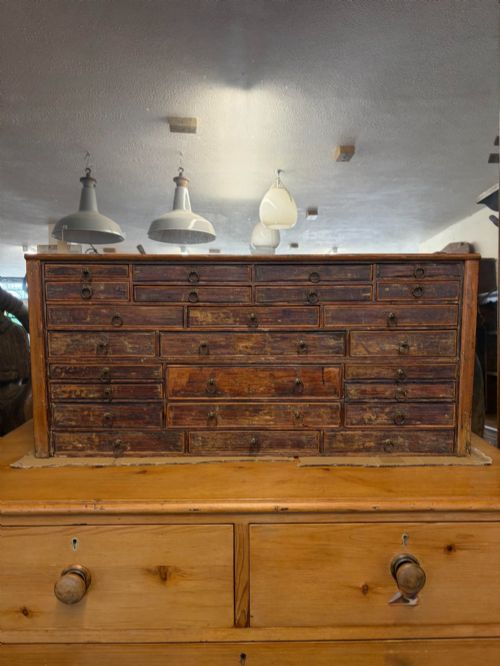
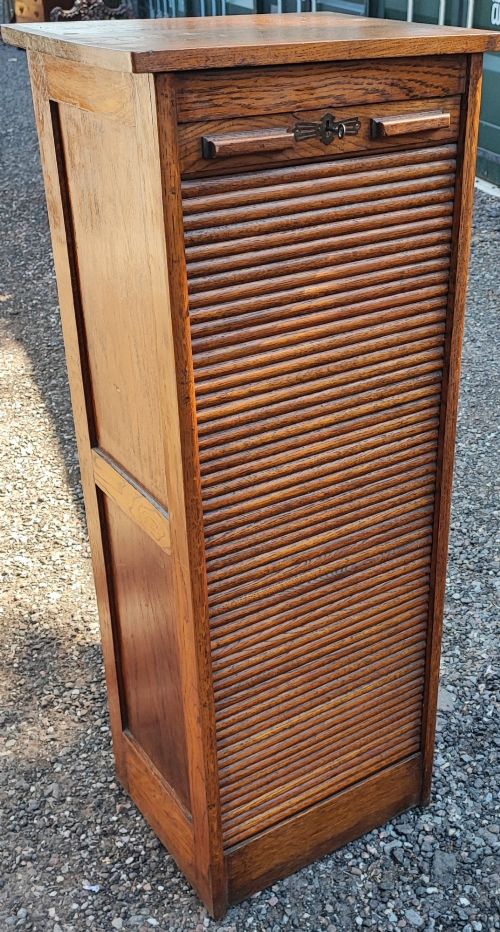
Superior quality shows in the smooth operation of specialised mechanisms, such as tambour shutters that glide around tracks or banks of twenty-five drawers fitting precisely within their housing. Hardware selection separates standard utility pieces from finer examples, with heavy cast brass handles and intact locking mechanisms adding substance.
The choice of primary timber and secondary framing dictates longevity, where dense hardwoods like mahogany and quarter-sawn oak outlast softer pine alternatives. Retaining original interior fittings, paper labels, and designated hardware marks the distinction between altered workshop furniture and preserved archive pieces.
Luxmore's of Ilfracombe·Amberg
The Vintage Document Storage Chest Glossary
- Tambour front
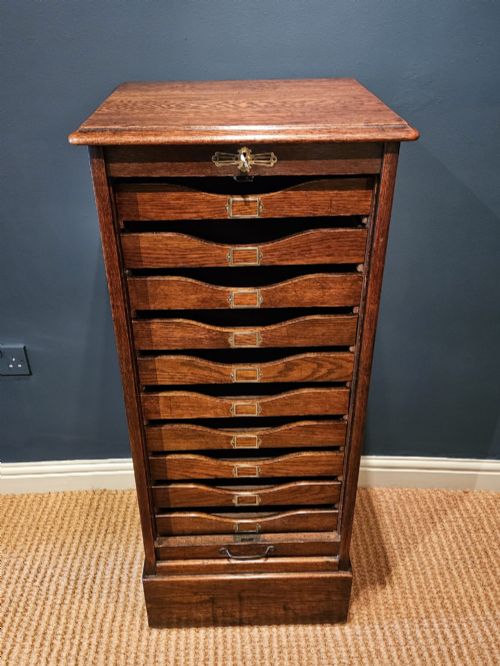
- A flexible shutter door constructed from narrow vertical strips of wood glued to a canvas backing, allowing it to slide smoothly around a curved track to conceal interior filing shelves.
- Campaign style
- Portable furniture engineered with brass corners, recessed handles, and sectional construction designed to be packed down and transported easily during military campaigns.
- Deed box
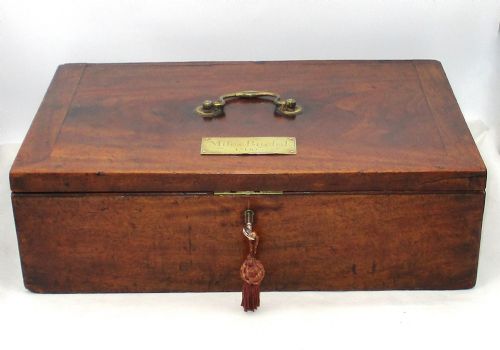
- A secure, rigid container traditionally lined or covered in leather and fitted with a strong lock, used by legal practices and estate owners for storing land titles and legal documents.
- Strongbox
- A heavy iron-bound chest fashioned from thick timber or metal, built to protect valuables and important papers from fire, theft, and rough handling.
- Shell pull
- A stamped or cast metal handle shaped like an inverted shell that incorporates a small window or slot for inserting paper labels to identify drawer contents.
Vintage Document Storage Chest: Frequently Asked Questions
How do I secure loose documents inside?
Many multi-drawer cabinets and filing units feature shallow drawers specifically sized for standard paper storage, while smaller deed and document boxes rely on internal wooden dividers.
Original brass label holders on the drawer fronts assist with sorting and identifying categories of paperwork without needing to open every compartment.
Were these made for home or office use?
Document storage chests served both domestic studies and commercial environments, depending on their scale. Compact mahogany desktop boxes and leather cases remained in private libraries for personal correspondence.
Larger oak filing cabinets, tambour units, and banks of multi-drawers originated in railway offices, solicitors' chambers, and industrial counting houses.
How do I distinguish Edwardian filing furniture?
Edwardian pieces frequently utilise quarter-sawn oak and emphasise vertical filing solutions like tambour shutters and modular drawer stacks. They often feature clean lines with minimal carved decoration compared to heavy Victorian equivalents.
Hardware from this era typically includes simple brass label holders and drop handles designed for functional office organisation.
Can I use these for modern paper sizes?
Standard drawers and plan chests accommodate modern paper sheets, though older filing cabinets may require checking specific internal dimensions. Shallow drawer banks and sectional filing units easily hold contemporary stationery and documents.
Deep strongboxes and deed boxes store folded papers rather than flat modern suspension files.