



Vintage Display Steps
Vintage display steps give objects height and order, and these timber and iron tiers bring practical rhythm to any room.
Vintage Display Steps
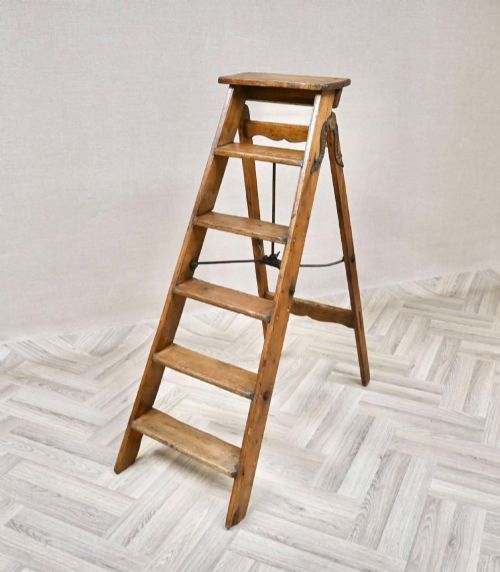
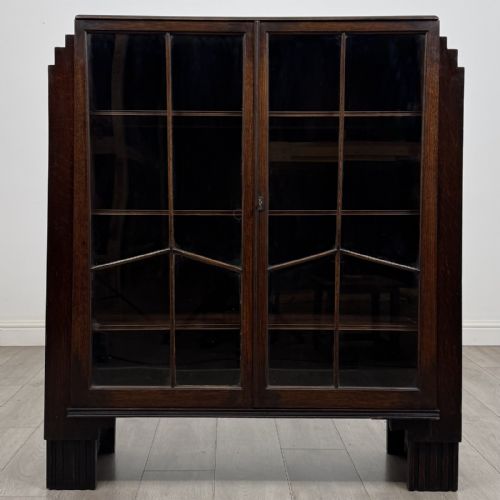
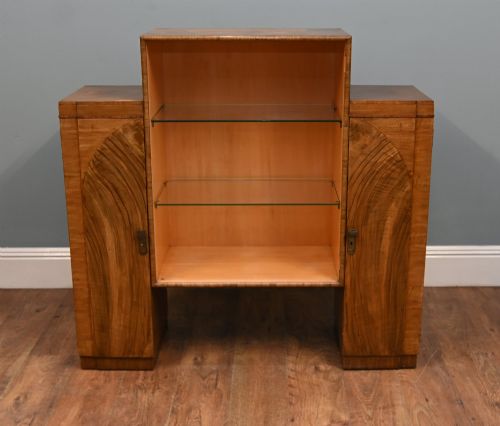
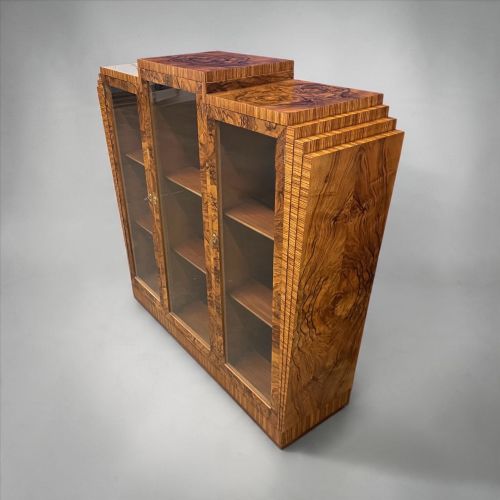
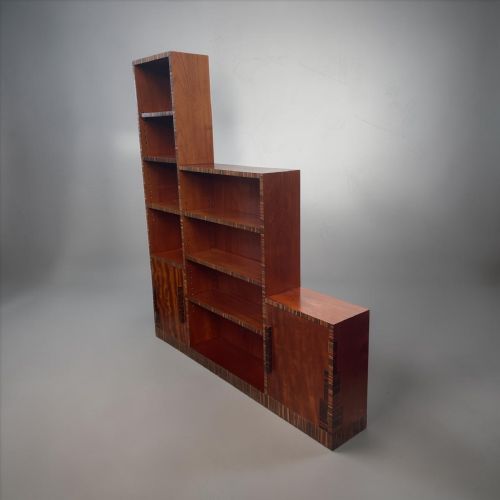
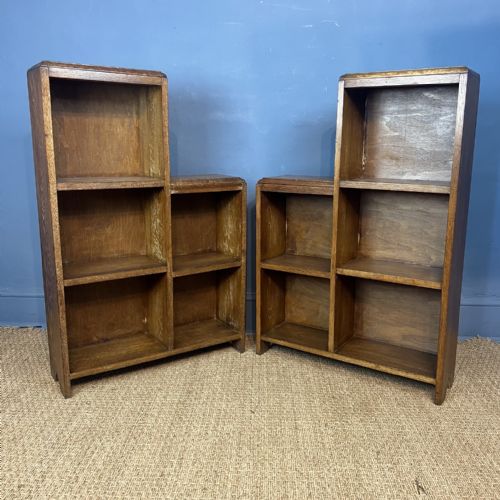
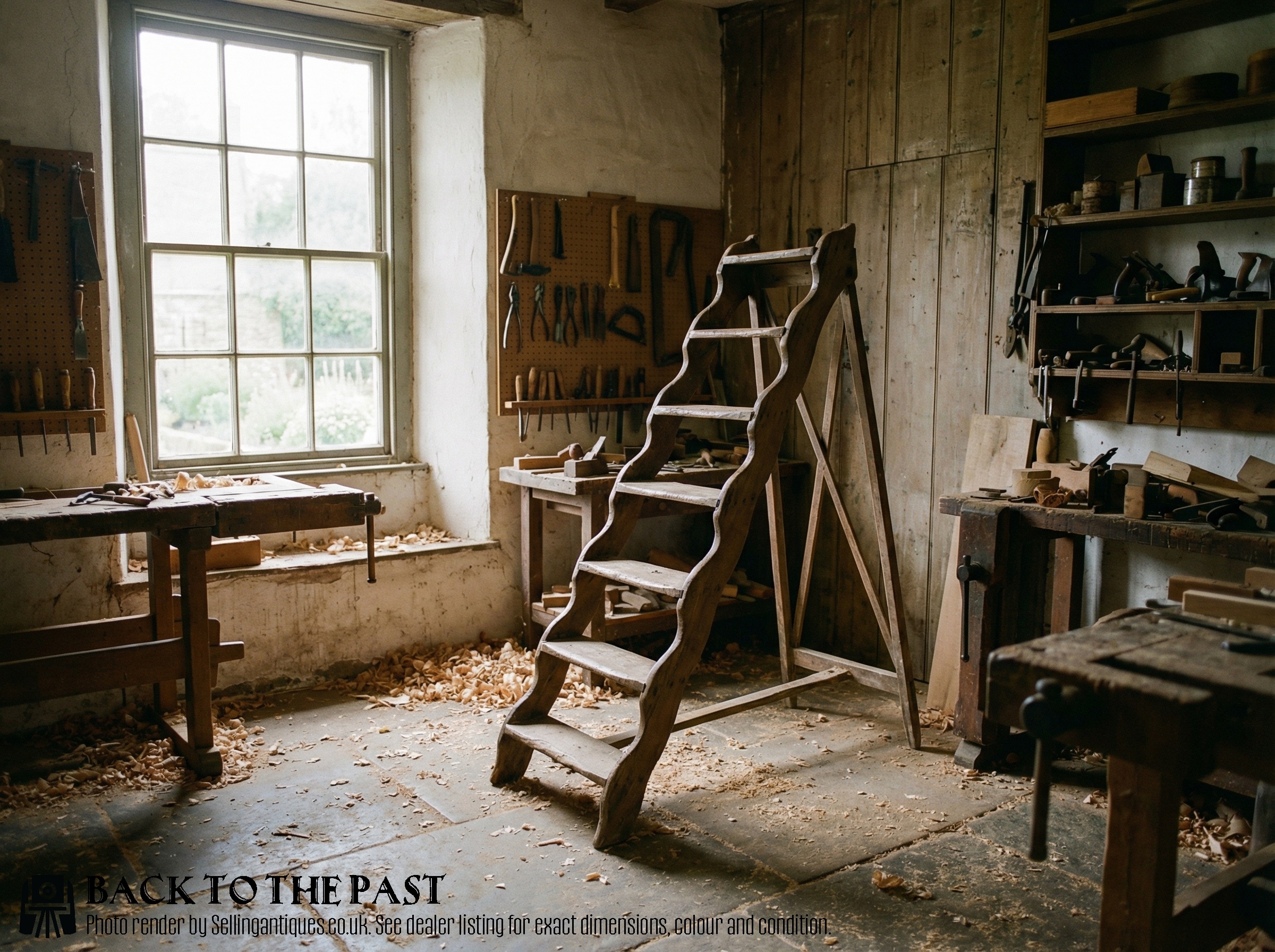
Vintage display steps cover tiered bookcases, stepped cabinets, library steps and workshop ladders adapted for showing objects. These pieces arrange collections across multiple levels, drawing the eye upwards through graduated shelves or ascending treads.
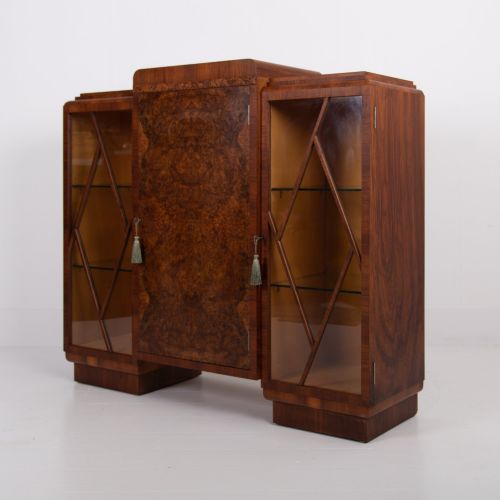
The versions most often met here are Art Deco stepped bookcases from nineteen thirty alongside Edwardian and nineteenth century pine or oak steps. They range from formal glazed cabinets and walnut shelving units down to utilitarian ash and pine stepladders.
Origins stretch from English workshops to French country origins and early twentieth century Chinese pieces. Buyers select them to anchor a corner or stage books, ceramics and small sculptures with architectural clarity.
Judging quality and character
Quality rests in the architectural proportion of the stepping and the selection of timber figures. Burr walnut veneers and clean oak lines show deliberate design ambition, whereas utilitarian pine ladders derive their appeal from honest wear and straightforward utility.
The integrity of the structural joints and the crispness of the stepped geometry dictate the success of the piece. Superior examples integrate function and form seamlessly, whether executed as a modernist bookcase or a simple painted library ladder.
Vintage Display Steps Retail Price Guide 2026
Typical asking prices for vintage display steps among the pieces listed under this phrase on Sellingantiques today, from the lower quarter to the upper quarter. They describe what is for sale here now, not the wider market.
Listings feature oak, walnut, pine, ash, hardwood, burr walnut, iron, brass and glass across periods from the nineteenth century to nineteen thirty.
Heals·Betty Joel·Hille
The Vintage Display Steps Glossary
- Stepped bookcase
- A shelving unit featuring tiers that ascend or descend in profile. This configuration creates dynamic sightlines for arranged items.
- Burr walnut
- A highly figured timber veneer harvested from walnut tree growths. It displays swirling grain patterns prized in fine cabinet work.
- Hongmu
- A dense Asian hardwood used for traditional stands and tables. The timber takes a dark, rich finish and offers exceptional structural strength.
- Epicerie steps
- French shop display shelving traditionally used for provisions. They bring a rustic, multi-tiered presence to domestic interiors.
- Art Deco
- A design style dominant around nineteen thirty characterised by streamlined geometries and modern materials. It favours stepped forms and polished surfaces.
Vintage Display Steps: Frequently Asked Questions
How do I style display steps?
Arrange objects by height, placing larger items on lower tiers and smaller pieces near the top to maintain visual balance. Leave space between objects so the stepped structure remains visible.
Mix textures such as ceramics, books and small sculptures across the shelves. Let the timber or painted finish complement the surrounding room.
Can I use library ladders indoors?
Library ladders function well as freestanding display units for books, plants and decorative objects. Ensure the base sits level on firm flooring to guarantee stability.
Check that the uprights and treads bear weight safely if you intend to climb them. Utilitarian ladders suit rustic rooms while polished timber versions fit formal studies.
What rooms suit stepped bookcases?
Stepped bookcases fit corners and open walls where standard rectangular shelving feels too heavy. Their receding profiles draw natural light through a space.
Living rooms and home offices benefit from the architectural angles of Art Deco or Edwardian tiers. They break up monotonous flat wall space effectively.
How do I date these pieces?
Dating relies on timber selection, construction methods and stylistic markers such as Art Deco geometry or Edwardian proportions. Pieces from nineteen thirty often show streamlined stepped silhouettes and polished walnut or chrome.
Nineteenth century pine and ash steps reveal hand-planed surfaces and simpler pegged joints. Compare the hardware and finish against known period examples to confirm age.