



Vintage Dinner Plate Set
A vintage dinner plate set brings character to the table, uniting centuries of craftsmanship from earthenwares to porcelain.
Vintage Dinner Plate Set
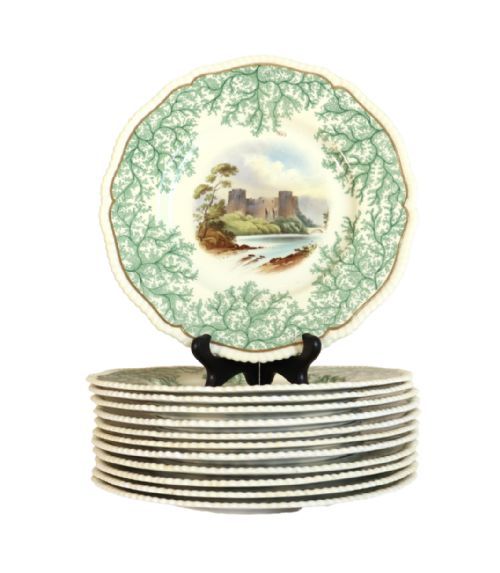
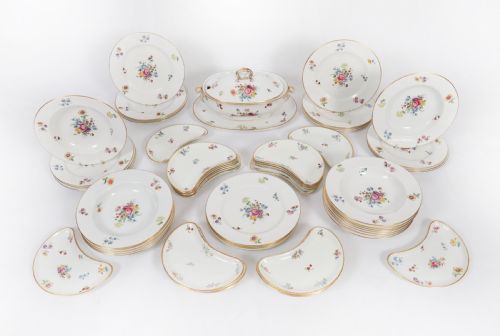
A vintage dinner plate set brings together matched or complementary table service pieces from past eras, designed for daily dining or formal presentation. When searching for a vintage dinner plate set, buyers encounter configurations ranging from compact groups of four to extensive multi-piece dinner services spanning the eighteenth, nineteenth, and early twentieth centuries.
The materials and aesthetic traditions reflect periods such as the Georgian, Victorian, Edwardian, and Art Deco eras. Many offerings incorporate notable makers, traditional patterns, and regional British or European manufactories.
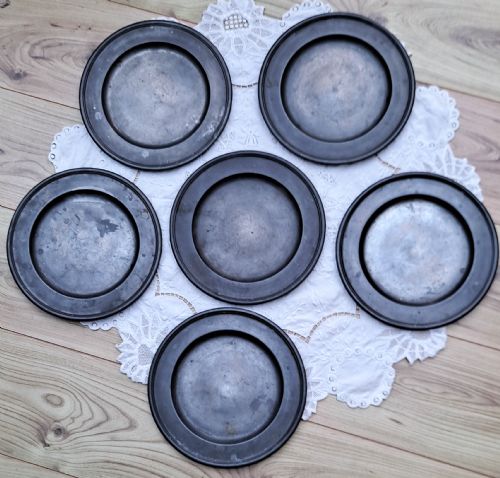
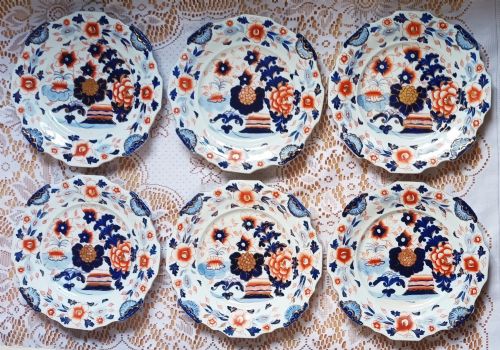
Compositions vary widely, including ironstone china, fine porcelain, earthenware, and pewter items. Some groupings focus specifically on plates and platters, while others form part of larger dinner services.
Materials and production methods
Makers utilised durable ceramic bodies such as ironstone, earthenware, and fine porcelain, often shaped through traditional moulding and throwing techniques before undergoing high-temperature kiln firing. Surface decoration involved hand-painting, transfer printing in patterns like the famous Italian design, or applying gilt accents over the glaze.
Metal items within these selections, including pewter plates and silver-plated chargers, were cast or hammered by silversmiths and pewterers using historic metalworking methods.
Materials recorded across the inventory include porcelain, ironstone, earthenware, pewter, and silver-plate.
Factors distinguishing the range
Quality rests upon the crispness of the transfer print or the dexterity of the hand-painted floral and scenic motifs applied by the pottery. The weight and refinement of the ceramic body, alongside the integrity of the glaze and any gilding, further separate standard utilitarian wares from superior artistic productions.
Provenance and the reputation of the maker, such as Spode, Copeland, Doulton, or Sevres, significantly elevate the standing of a service. The completeness and uniformity of the surviving group also dictate its desirability for a collector.
William Wright·T & H Compton·Copeland Spode·Booths·Doulton
The Vintage Dinner Plate Set Glossary
- Ironstone
- A heavy, durable type of earthenware patented in the nineteenth century to imitate Chinese porcelain. It resists chipping and formed the backbone of many practical household services.
- Transfer printing
- A decoration technique where an engraved metal plate transfers a design onto tissue paper, which is then stamped onto the unglazed or bisque ceramic. This allowed intricate scenes, such as Landmark or Italian patterns, to be reproduced consistently.
- Pewter
- A malleable metal alloy consisting primarily of tin, used historically for flatware and chargers before ceramic alternatives dominated the dining table.
- Glaze
- A glassy coating fused to the surface of ceramic wares through firing, providing a smooth, waterproof finish that protects the underlying body and painted decoration.
- Sevres
- A renowned French porcelain manufactory producing high-status decorative and table wares known for fine floral painting and rich colour palettes.
Vintage Dinner Plate Set: Frequently Asked Questions
Can I use antique plates for daily meals?
Many sturdy ironstone and ceramic pieces handle regular use well, provided they are washed by hand rather than placed in a modern dishwasher.
More delicate porcelain or heavily gilt items are better reserved for special occasions to preserve their hand-painted details and surface glaze.
What is the difference between ironstone and earthenware?
Ironstone is a specific, highly durable form of earthenware developed to withstand heavy domestic use while mimicking the appearance of oriental porcelain. It feels noticeably heavier and denser than standard soft-paste earthenware.
Both materials were widely utilised across the nineteenth century for practical dining sets.
How should I store a large dinner service?
Plates benefit from being stored upright in plate racks or stacked in small, manageable groups with felt or linen dividers between each piece. This prevents surface scratching and reduces pressure on the lowest items in the stack.
Keep them in a stable environment away from dampness and direct sunlight.