



Vintage Dinner Bell
These vintage dinner bell pieces summon household and guests with brass, bronze, and silver resonance mounted on oak, hardwood, and iron stands.
Vintage Dinner Bell
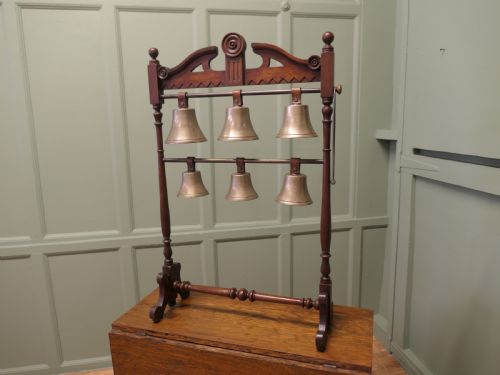
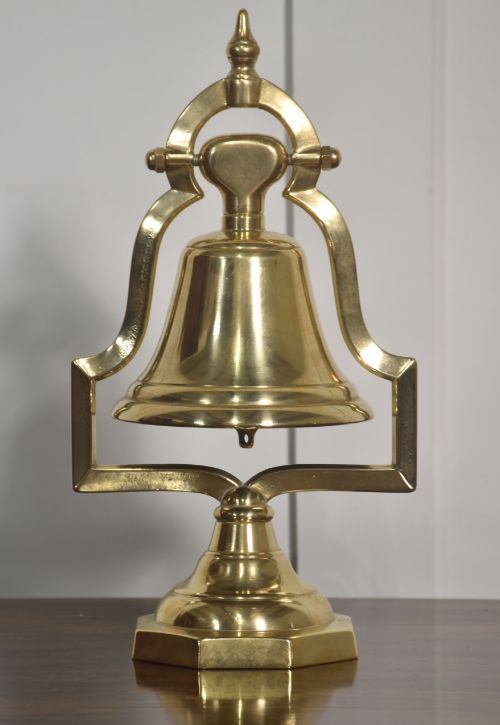
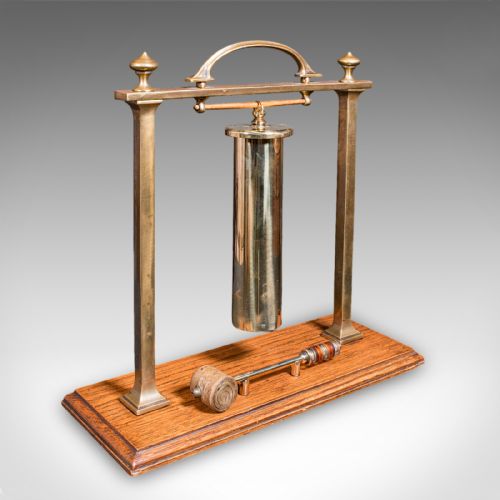
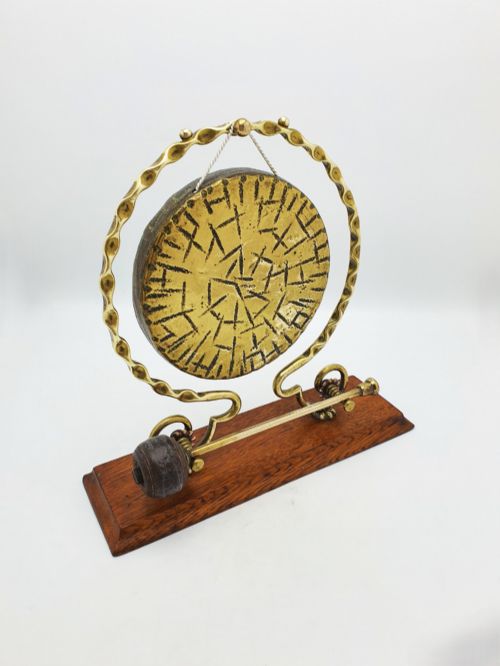
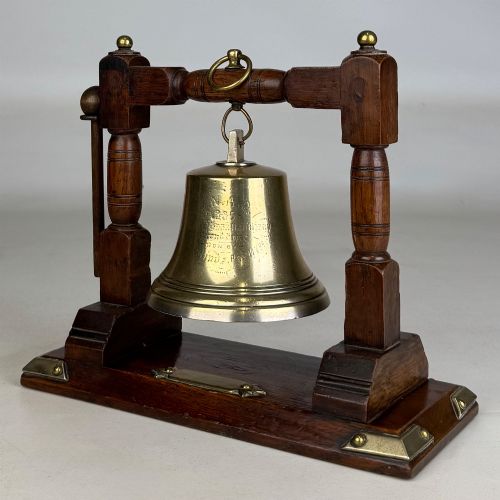
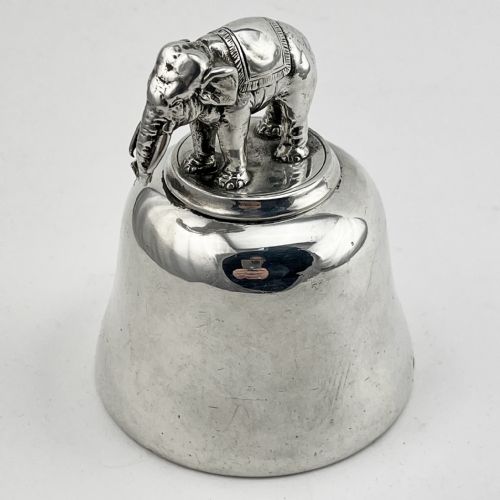
A vintage dinner bell encompasses table bells, dinner gongs, and wall chimes used historically to call households to meals or tea.
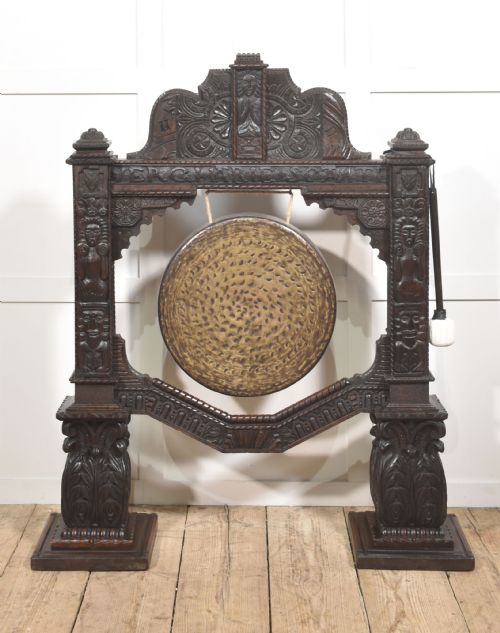
The selections on this page range from Victorian and Edwardian brass table models to larger oak-framed gongs and hanging chimes.
Buyers will find single hand-held bells alongside complex multi-strike wall chimes and tuned musical brass bells mounted on wooden racks.
How they were made
Metal components utilise brass, bronze, copper, silver, and cast iron, often shaped through hand-hammering or casting techniques.
Stands and frames incorporate carved oak, walnut, mango wood, and hardwood, frequently paired with hanging cord or rope for suspended gongs.
Listings span the nineteenth century through the Edwardian era and twentieth century, combining brass, bronze, and silver with oak and hardwood.
What varies in quality
Quality differences lie in the weight of the metal and the resonance of the tone produced by the bell or gong.
Cabinetry and framing display variation through carved detailing on oak and hardwood bases, alongside the complexity of multi-strike mechanisms.
The Vintage Dinner Bell Glossary
- Dinner Gong
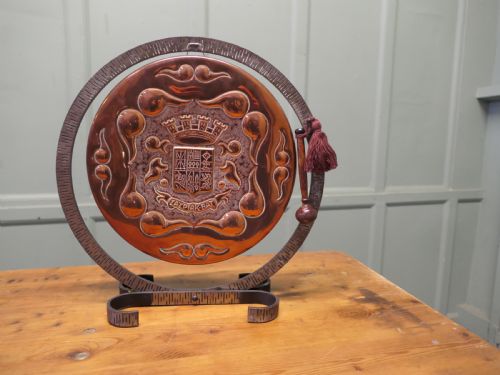
- A large suspended metal disc or plate struck with a mallet to produce a deep note. These assemblies often feature carved oak or hardwood frames.
- Table Bell
- A handheld or stand-mounted bell designed for placement on dining tables or sideboards. They utilise a clapper or plunger mechanism.
- Wall Chime
- A multi-strike mechanical bell arrangement mounted to a wall. These units often feature several tuned tubes or gongs operated by levers.
- Glockenspiel
- A set of tuned metal bars struck with mallets to play musical notes. Oak-cased examples appear within dining and entertainment contexts.
Vintage Dinner Bell: Frequently Asked Questions
How do you ring a table bell?
Handheld table bells require a simple wrist motion to swing the internal clapper against the sound bow.
Mounted models often utilise a plunger button on top or a hanging striker for the same acoustic effect.
What wood is used for stands?
Stands and frames predominantly employ oak, walnut, and mango wood, shaped through carving and turning.
These timbers provide sturdy support and resonance for suspended gongs and table-top bells.
Are gongs and bells different?
Bells typically feature a flared cup shape with an internal clapper, producing a concentrated metallic chime.
Gongs consist of flat or curved plates struck externally with a mallet to create a deeper, reverberating tone.
How are these pieces dated?
Dating relies on stylistic indicators such as Art Nouveau floral motifs, Gothic Revival framing, and Victorian or Edwardian construction methods.
Materials like sterling silver hallmarks and specific oak carving styles also help establish the period.