
Vintage Dining Table Accessories
Vintage dining table accessories bring tactile detail to a meal, from napkin rings to cruet sets.
Vintage Dining Table Accessories
Vintage dining table accessories comprise the small, functional items used to set and serve a formal meal, ranging from napkin rings and toast racks to menu holders and cruet sets. These pieces reflect the dining customs of past decades, offering both utility and ornamentation at the table.
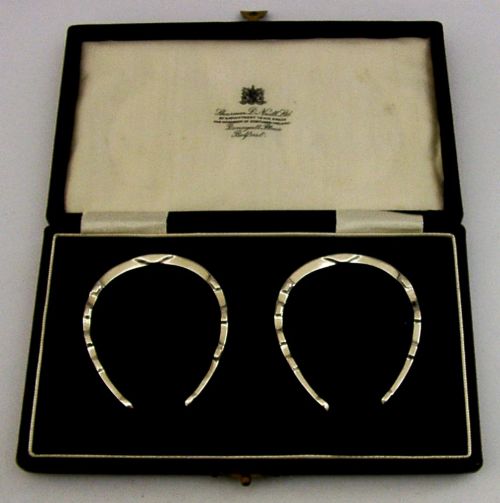
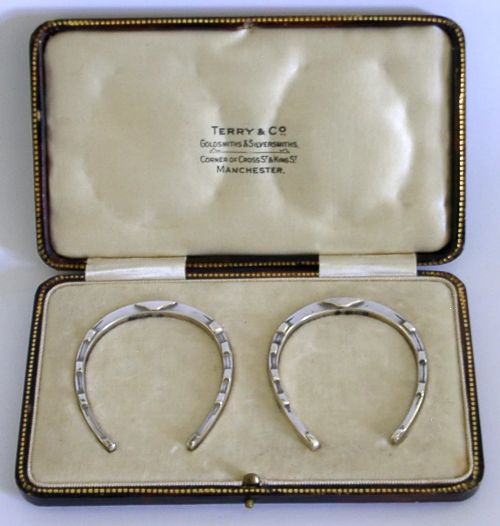
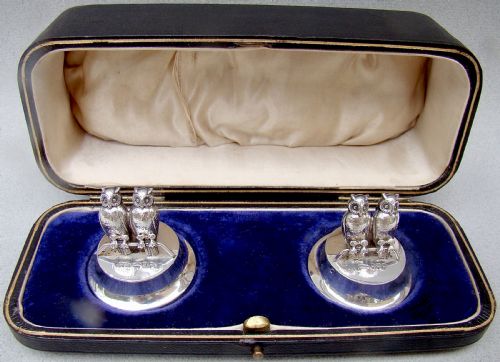
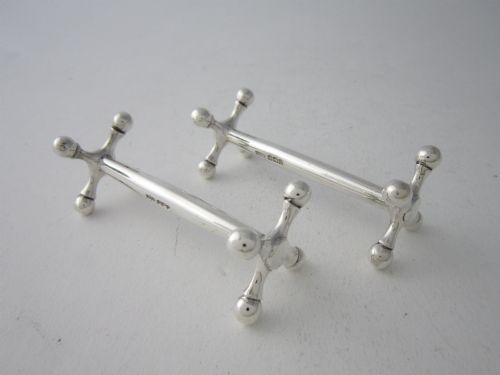
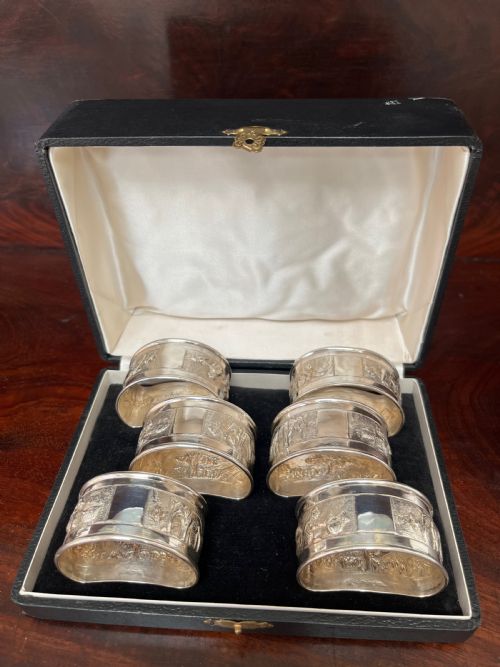
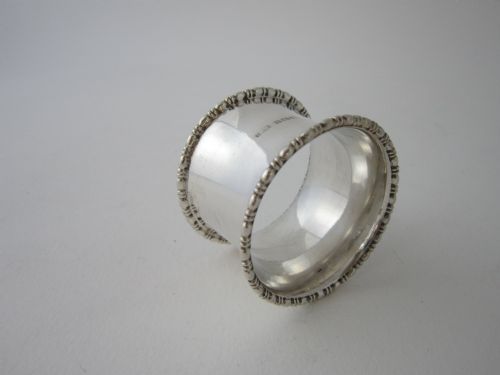
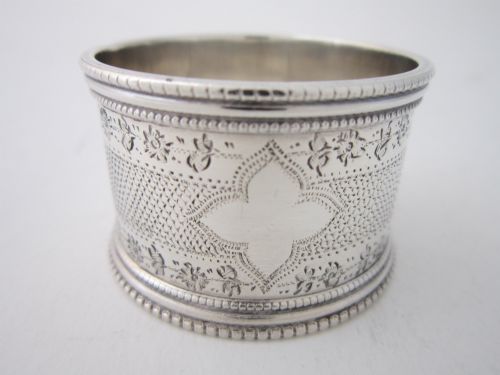
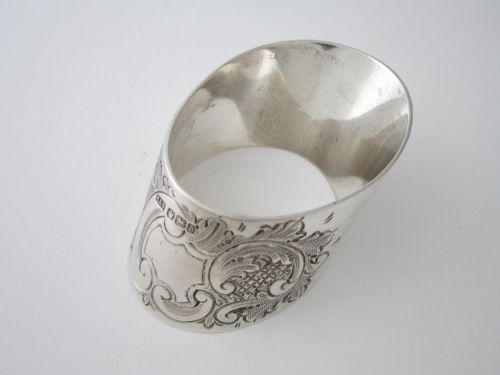
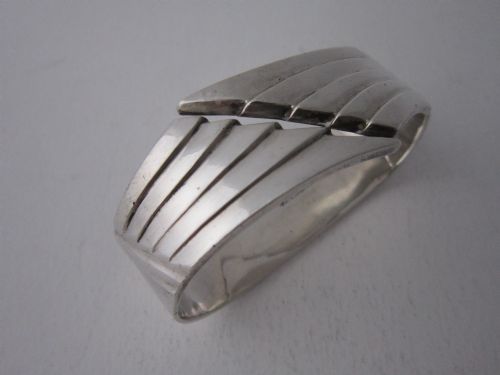
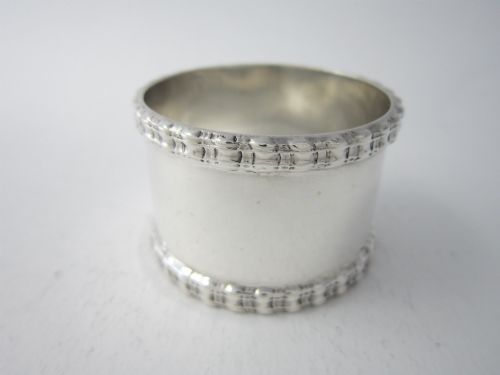
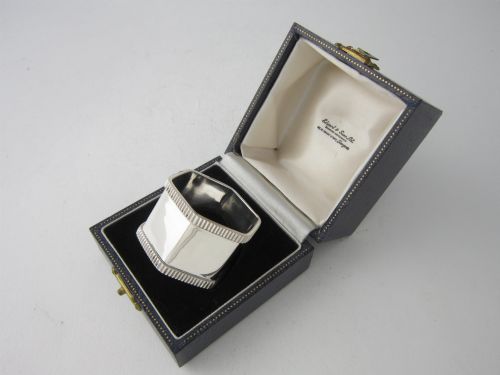
The selections available span multiple periods, with Edwardian and George V sterling silver napkin rings appearing frequently alongside Victorian silver-plated knife rests and cruet sets. Pieces often survive in fitted cases lined with silk, velvet, or leatherette, preserving their original presentation.
Materials and construction methods
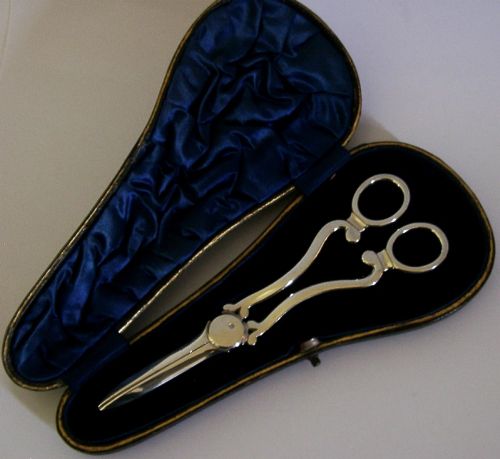
Cased sets demonstrate careful interior fitting using textiles such as silk and velvet within leatherette boxes. Individual items often carry hallmarks that record the year of manufacture, the assay office, and the silversmith's mark.
Listings feature sterling silver and silver plate alongside textiles such as silk, velvet, and leatherette across periods from the Victorian era to the mid-twentieth century.
Distinctions in craftsmanship and design
Quality rests in the crispness of the casting and the depth of the hand-engraving, particularly on figural pieces such as bird or animal menu holders and knife rests. Mass-produced items show softer contours, whereas pieces by known makers display finer articulation in feathers, fur, and floral motifs.
The survival of original fitted boxes and matching sets alters the desirability of the items. Complete sets of napkin rings or condiment cruets that retain their silk linings indicate careful preservation by previous owners.
Levi & Salaman·R. E. Stone·Orivit·Mappin & Webb·Georg Jensen
The Vintage Dining Table Accessories Glossary
- Cruet set
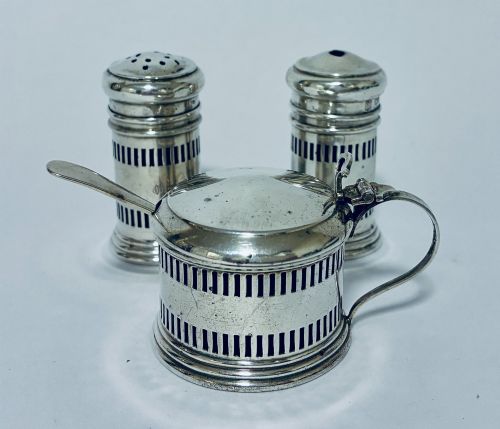
- A matched set of containers for holding condiments such as salt, pepper, mustard, and vinegar at the table. These often sit in a metal stand or frame with a central handle.
- Toast rack
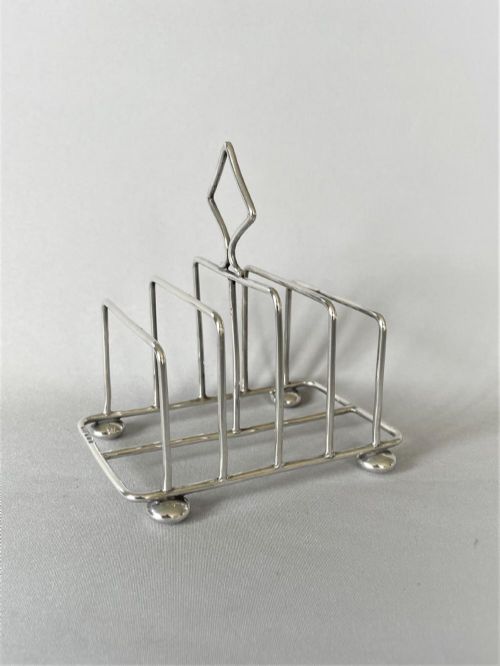
- A small metal frame with vertical dividers designed to hold slices of toast upright on the breakfast table. This keeps the toast crisp by allowing air to circulate around each piece.
- Knife rest
- A small horizontal support placed beside a plate to keep the blade of a used knife off the tablecloth between courses. They take various forms, including bars, animal figures, and architectural motifs.
- Menu holder
- A small desk-like stand used to display the menu or place cards for diners at a formal meal. They often feature figural decorations or heraldic designs.
- Hallmark
- A series of stamped marks on precious metals indicating the standard of purity, the maker, the assay office, and the year of production. These stamps provide a secure way to date British silver.
Vintage Dining Table Accessories: Frequently Asked Questions
What are vintage dining table accessories used for?
These items serve specific functions during formal meals, helping to organise condiments, hold napkins, or display menus.
Collectors utilise them today both to set a traditional dining table and to display cabinet pieces of historical silver.
How do I identify the date of a silver accessory?
British silver typically bears a series of hallmarks that include a date letter corresponding to a specific year and assay office.
Design styles, such as Art Nouveau curves or Edwardian elegance, also provide a clear indication of the period.
Why do some items come in fitted boxes?
Sets of napkin rings or cruet items were frequently retailed in custom presentation cases lined with silk or velvet.
These boxes protected the polished metal from tarnish and damage when not in use on the dining table.
Are silver plated items as old as solid silver?
Silver plating was common throughout the Victorian and Edwardian eras, appearing on robust items like knife rests and butter dishes.
Plated pieces can possess the same age and decorative detail as solid sterling silver counterparts.