
George V Silver Holder
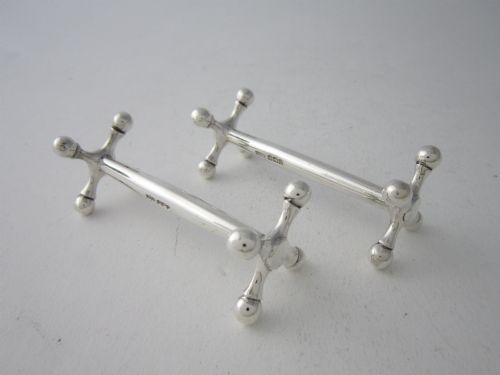
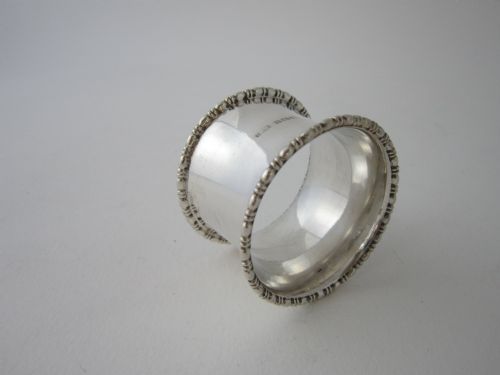
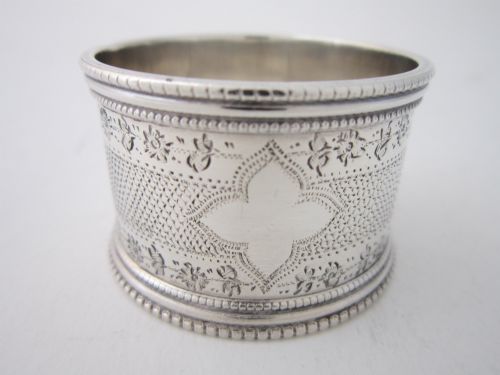
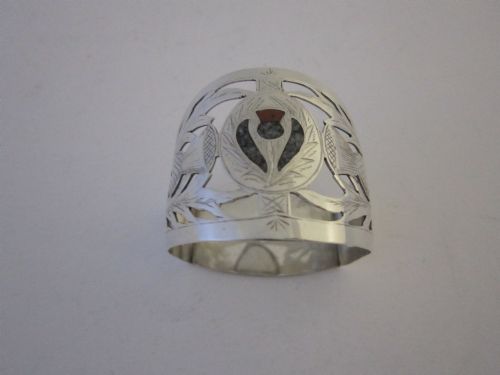
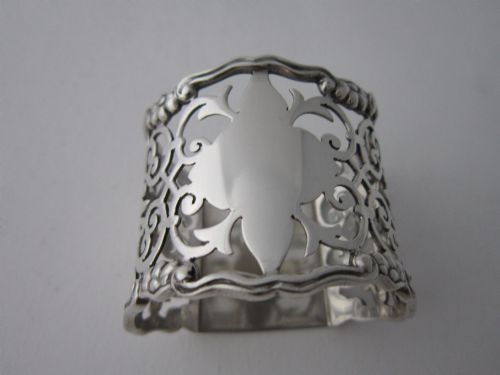
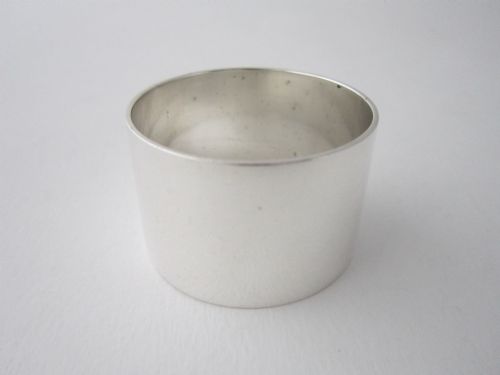
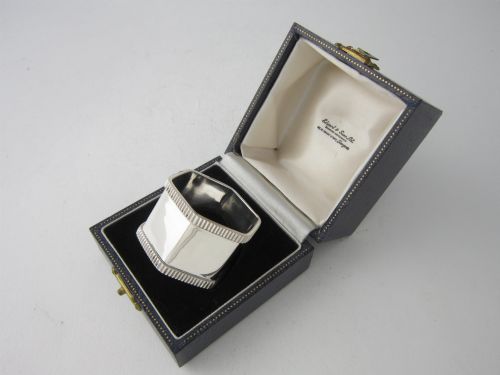
A george v silver holder collects the smaller items of a refined interior, spanning napkin rings, match strikers and stamp cases.
George V Silver Holder
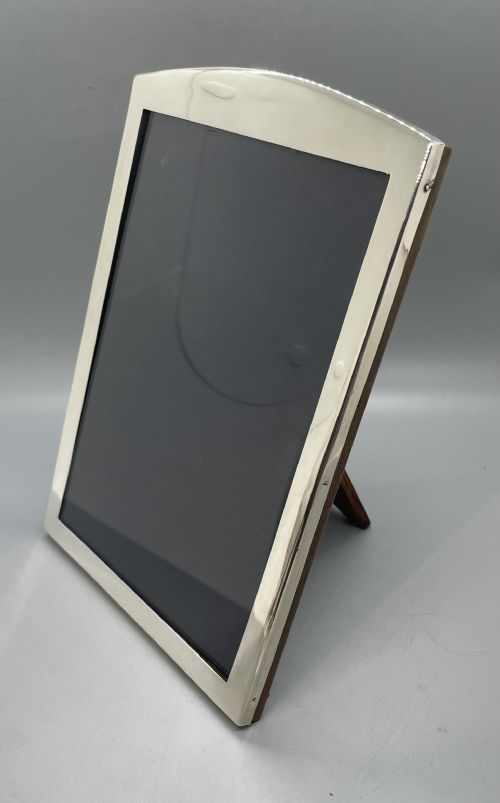
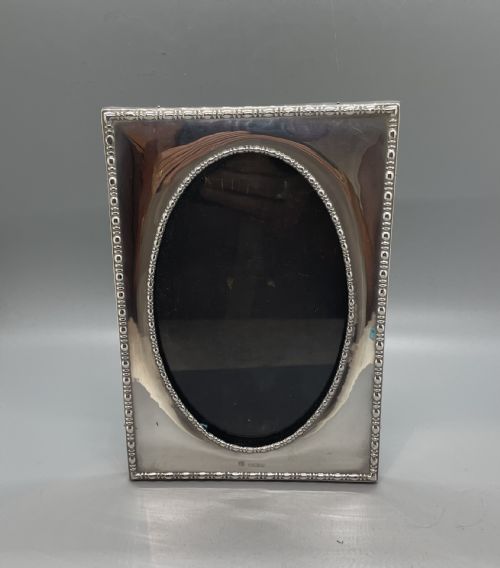
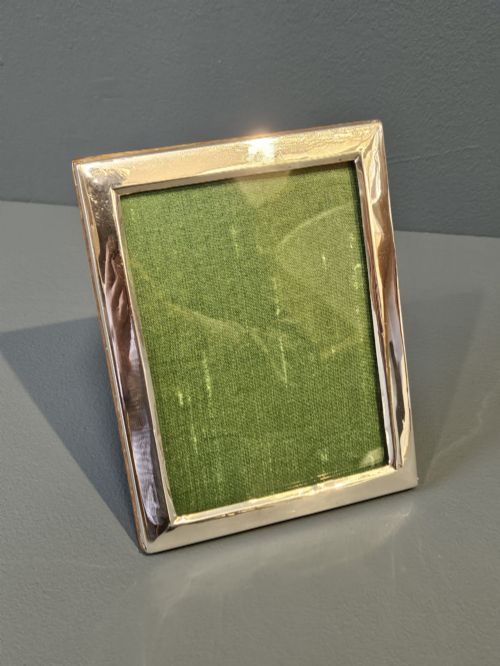
A george v silver holder encompasses a wide variety of utilitarian objects produced primarily during the early twentieth century, including picture frames, menu holders, vesta cases and toothpick boxes. These pieces reflect the formal domestic habits of the period, providing silver containment for everyday items from stamps to visiting cards.
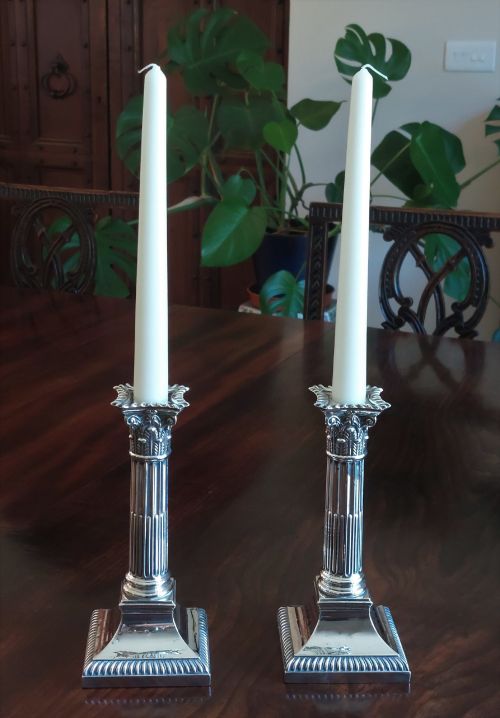
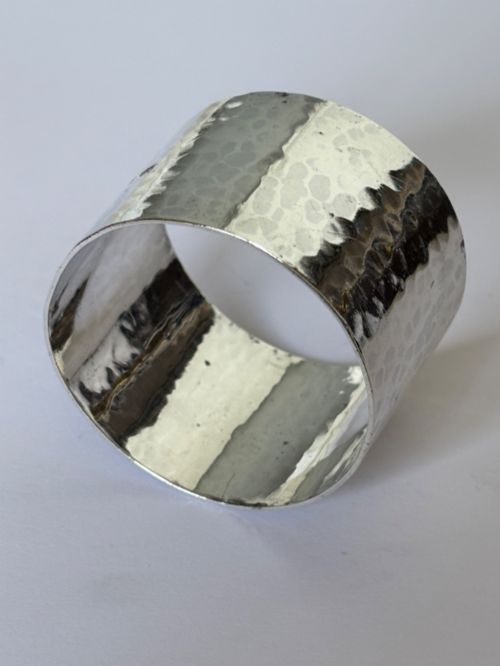
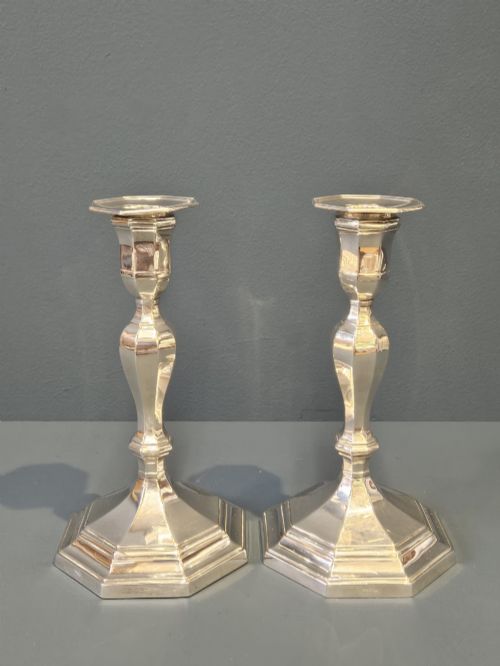
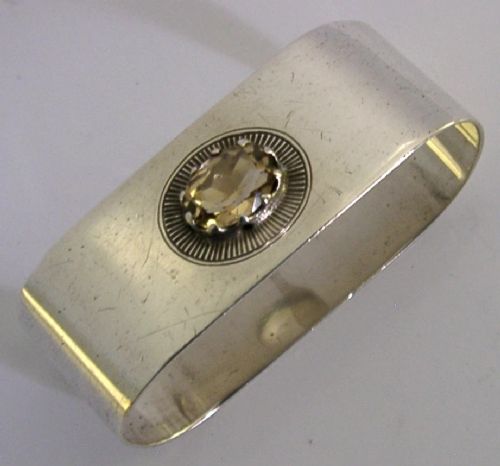
Napkin rings, matchbook boxes and candlesticks represent the most common iterations encountered on this page. Makers also turned their attention to specialised desk and dressing table accessories such as stamp cases, sovereign cases and hat pin holders.
While the majority of pieces date from the 1910s and 1920s, the selection extends to embrace earlier Georgian items as well as later examples from the 1930s. Workshops in Birmingham, Sheffield and London dominated production, utilising sterling silver alongside occasional accents of glass, agate or enamel.
Materials and Technique
Silversmiths employed sterling silver as the primary medium, shaping metal through stamping, casting and hand-hammering techniques. Workshops utilised wooden backing for picture frames and incorporated textured glass inserts for match strikers.
Surface decoration frequently involved engine-turning, repoussé work and hand engraving, occasionally supplemented by applied coloured enamel or gemstones such as citrine. Makers marked their output with standard hallmarking stamps indicating the assay office, date letter and maker's mark.
Makers from Birmingham, Sheffield, and London produced these items spanning the Georgian, Victorian, and George V periods.
Assessing the Standard
Weight and gauge of the silver distinguish substantial desk items and napkin rings from lighter domestic wares. Pieces retaining crisp, unrubbed hand engraving or deep relief work demonstrate superior initial craftsmanship.
The integration of secondary materials, such as undamaged glass inserts, intact enamel work or original velvet linings, elevates the integrity of surviving examples. Prominent maker marks from notable workshops also add distinction to individual pieces.
Albert Edward Jones·Crisford And Norris·Robert Pringle·George Unite·Sampson Mordan And Co·Mappin And Webb
The George V Silver Holder Glossary
- Hallmark
- Official stamps struck into precious metals to guarantee purity and origin. These symbols record the assay office, the maker and the year of manufacture.
- Vesta Case
- A small pocket container designed to hold matches and keep them dry. Many feature a striking surface on the base.
- Menu Holder
- A small tabletop accessory intended to display cards detailing the courses at a formal dinner. They take diverse figural and geometric forms.
- Sovereign Case
- A circular pocket container engineered to hold British gold sovereign coins securely. Spring-loaded mechanisms often release coins individually.
George V Silver Holder: Frequently Asked Questions
What was a vesta case used for?
A vesta case served as a portable pocket container for matches before the invention of safety matches in widespread quantities. Gentlemen and ladies carried them daily to protect their matches from moisture.
These small silver containers typically featured a hinged lid and a striated panel on the bottom for striking. Their survival in varied designs reflects their personal nature in Edwardian and Georgian pockets.
How do I identify a George V hallmark?
British silver hallmarks from the reign of George V display specific date letters corresponding to assay offices in cities like London, Birmingham and Sheffield. The lion passant indicates sterling standard silver.
Matching the letter punch against published assay tables reveals the exact year of manufacture. Maker marks alongside these stamps identify the specific silversmith or firm responsible.
How should I clean silver holders?
Sterling silver benefits from gentle washing with warm water and mild soap followed by drying with a soft cloth. A quality non-abrasive polish removes tarnish without wearing down engraved details.
Harsh dips strip the natural dark oxidation from recessed areas and can damage delicate enamel or glass inserts. Careful handling preserves the historical hallmarks stamped into the metal.