

Antique Sterling Place Stands
These antique sterling place stands bring character to a dining table through figural designs and silver craftsmanship.
Antique Sterling Place Stands
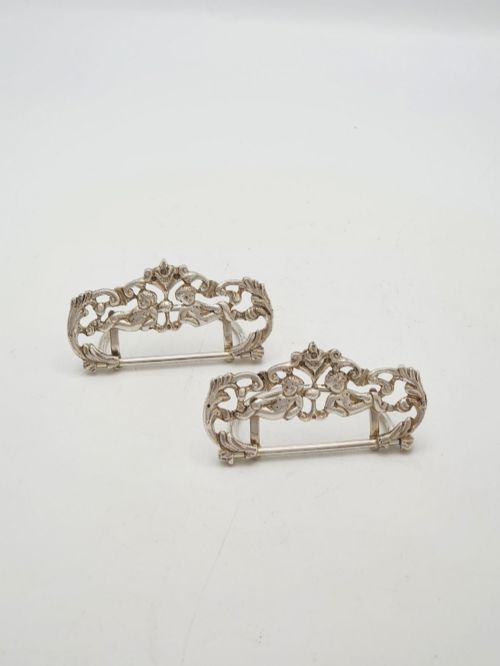
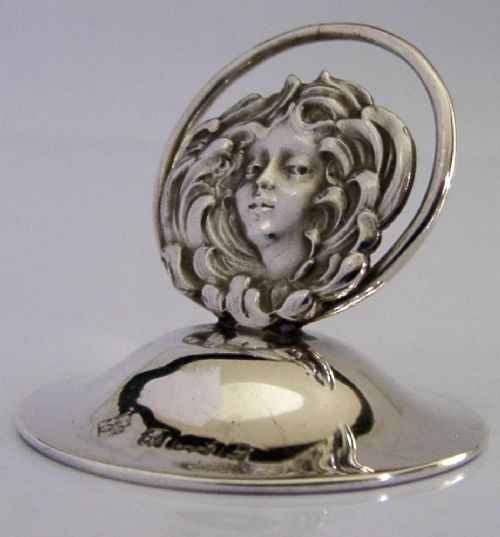
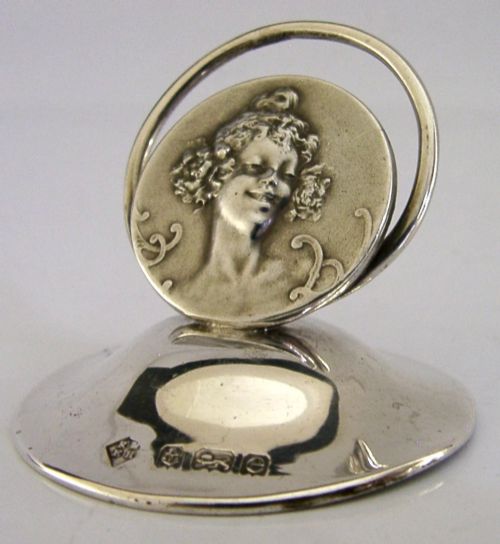
When you search for antique sterling place stands, you encounter table accessories designed to hold menu cards or place name cards during formal dining. The examples seen on this page span the Edwardian era, the 1910s, 1920s, and 1930s periods, incorporating styles from Art Nouveau and Art Deco to Victorian, George V, and George VI.
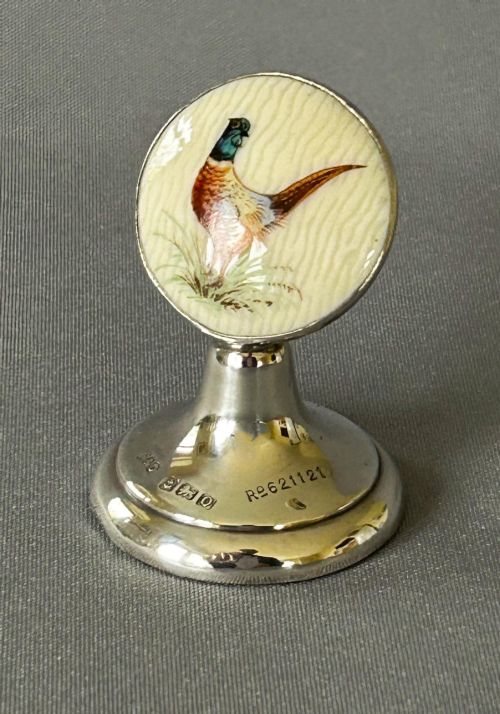
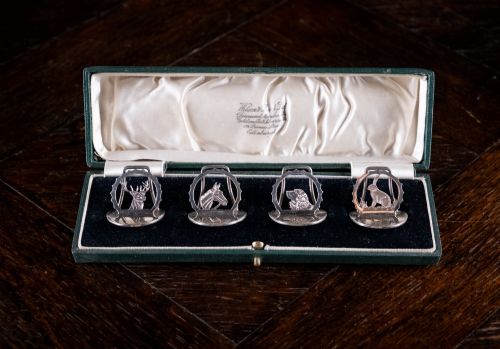
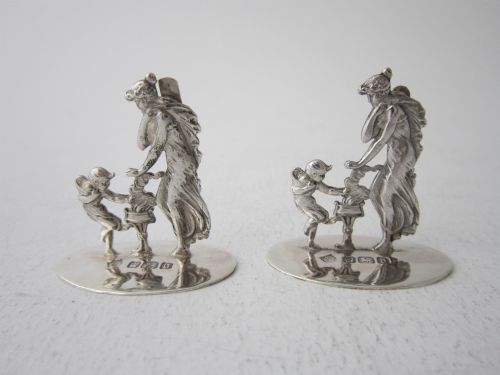
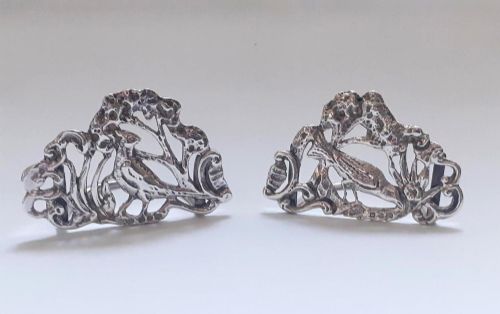
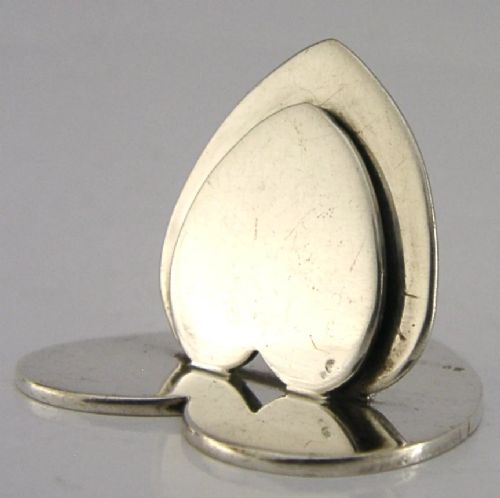
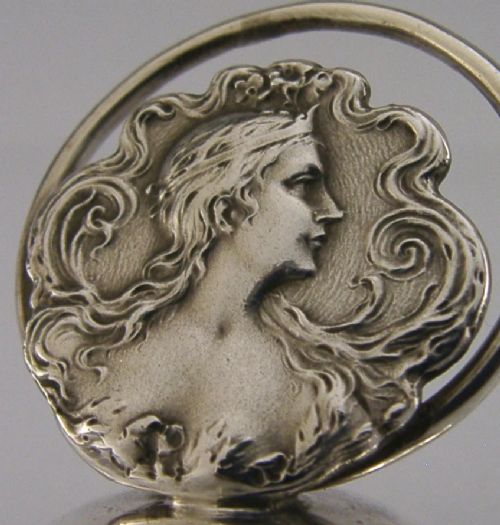
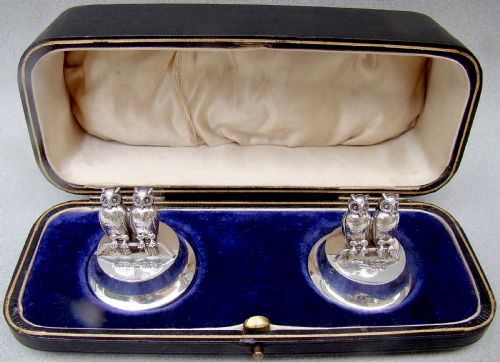
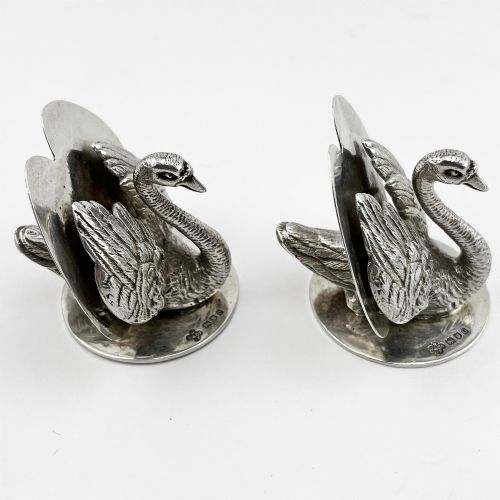
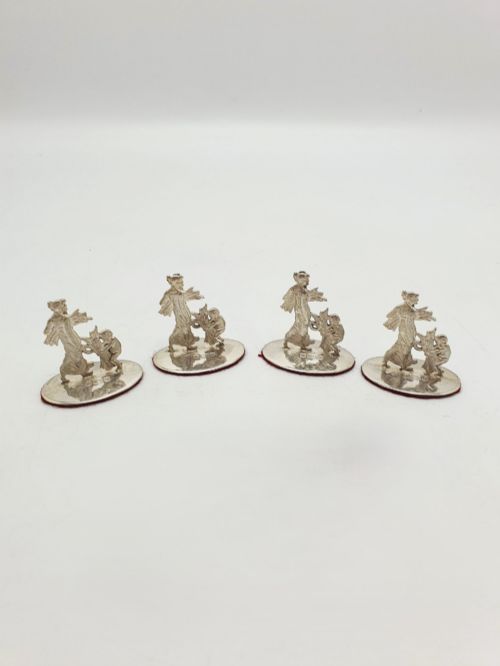
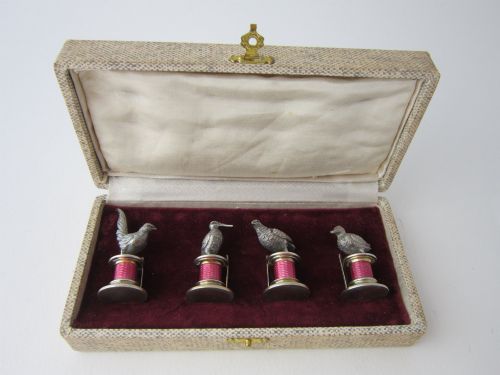
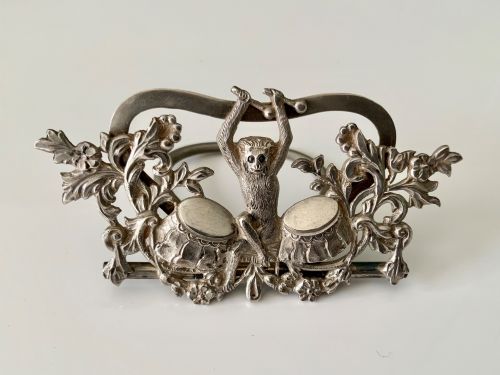
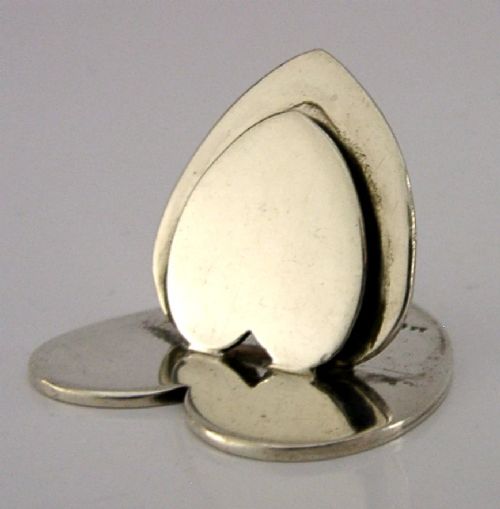
The items you meet most frequently are menu holders and place card holders made from sterling silver. These pieces often take specific forms such as animals, birds, figural subjects like maidens and literary characters, or simple geometric markers.
How they were made
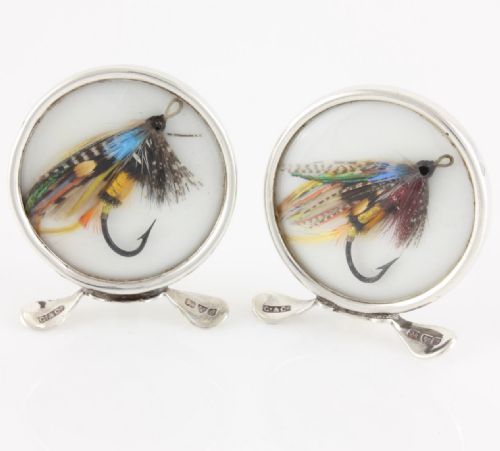
The primary material recorded across these listings is sterling silver, frequently combined with other elements like enamel, glass, silk, velvet, leather, and feathers to create detailed miniatures. Makers utilised casting and stamping techniques to shape the silver into complex animal forms, human figures, and themed subjects.
Makers finished the pieces with hallmarks struck by assay offices in locations such as Birmingham, Chester, and London to certify the silver standard. Enamelling is applied in some examples to add colour to the detailed silver surfaces.
Antique Sterling Place Stands Retail Price Guide 2026
Typical asking prices for sterling place stands among the pieces listed under this phrase on Sellingantiques today, from the lower quarter to the upper quarter. They describe what is for sale here now, not the wider market.
Listings feature sterling silver items from the Edwardian period, 1900, 1910, 1920, and 1930.
What varies in quality
The reputation of the maker and the completeness of sets, such as pairs or sets of four and twelve, also shape the character of the pieces. The crispness of the assay office hallmarks and the preservation of secondary materials like enamel further distinguish the individual items.
Levi & Salaman·A. Wilcox·Grey & Co.·Sampson Mordan·Asprey·Liberty
The Antique Sterling Place Stands Glossary
- Sterling silver
- A silver alloy containing 92.5 percent silver by mass, with other metals added for durability. This is the primary metal recorded in these listings.
- Hallmark
- An official stamp applied by an assay office to indicate the purity of the metal, the maker, and the year of production. These marks appear on British silver items.
- Menu holder
- A small desk-like or clip accessory used to display the meal options on a dining table. They share forms with place card holders.
- Place card holder
- A miniature stand designed to hold a guest's name card upright on a table. They frequently match the figural and animal designs of menu holders.
- Guilloche enamel
- A decorative technique where enamel is applied over a metal surface that has been engraved with a repetitive pattern. It appears on selected coloured pieces.
Antique Sterling Place Stands: Frequently Asked Questions
What are antique sterling place stands?
These pieces are small silver accessories designed to hold menu cards or guests' names on a dining table. They take the form of clips, stands, and figural miniatures.
They date primarily from the Edwardian period through to the 1930s, reflecting changing design styles from Art Nouveau and Art Deco to George V.
How were they used?
Hosts placed them along dining tables to inform guests of the courses or to assign specific seats. They functioned as both practical table settings and decorative ornaments.
Many were produced as matched pairs or larger sets to accommodate formal dinner parties.
How do I live with them?
You can display them on a dining table, in a cabinet, or on a mantelpiece as miniature silver sculptures. Their small scale makes them straightforward to place in various rooms.
Occasional gentle cleaning helps maintain the appearance of the silver without removing the character built over the decades.
How do I tell periods apart?
You examine the style characteristics and the assay hallmarks stamped into the silver. Edwardian and Victorian pieces often feature floral or flowing Art Nouveau lines, while items from the 1920s and 1930s show George V, George VI, or Art Deco influences.
Maker marks and date letters within the hallmarks provide exact years of manufacture for British items.