





Art Deco Table Accessories
Art deco table accessories bring sharp geometry and polished finishes to any surface, offering functional elegance that collectors prize for daily use.
Art Deco Table Accessories
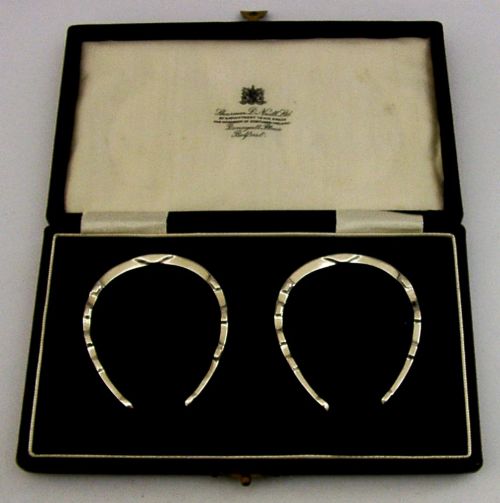
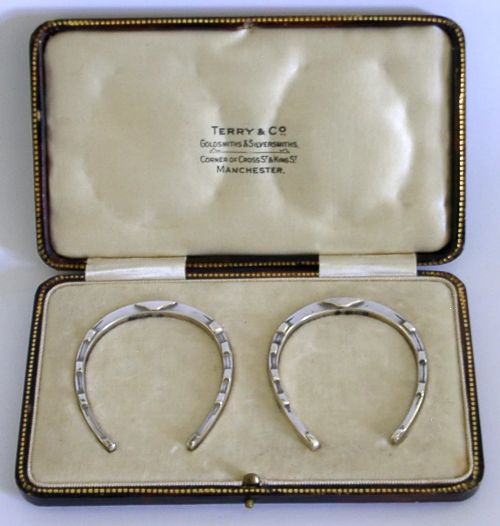
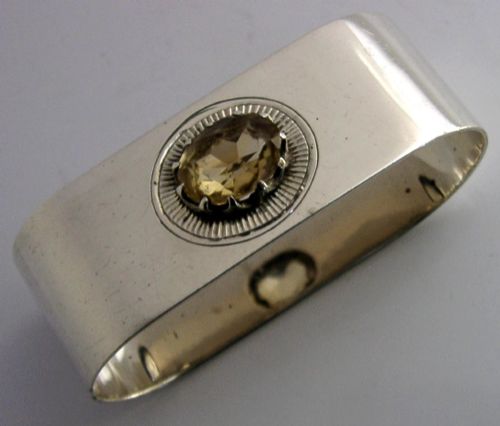
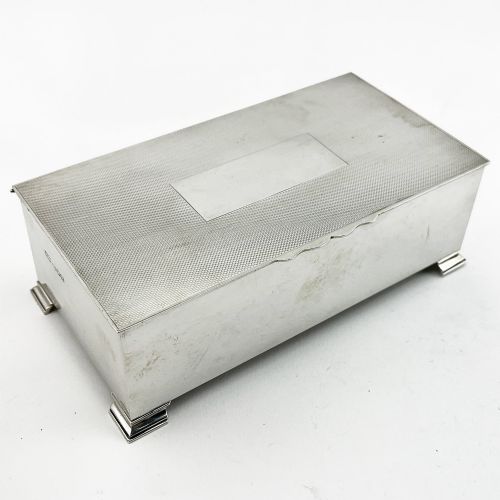
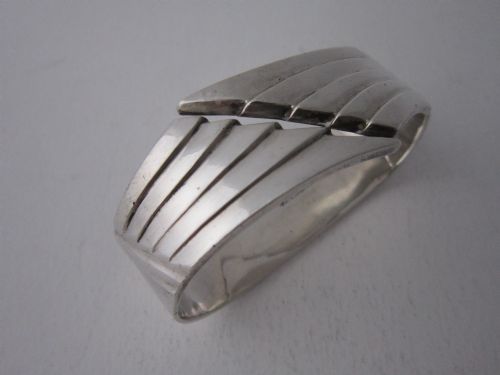
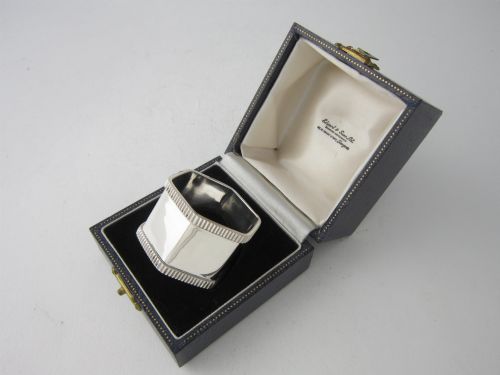
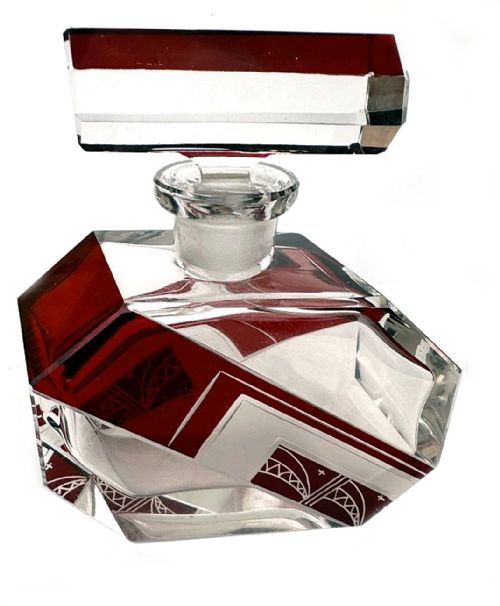
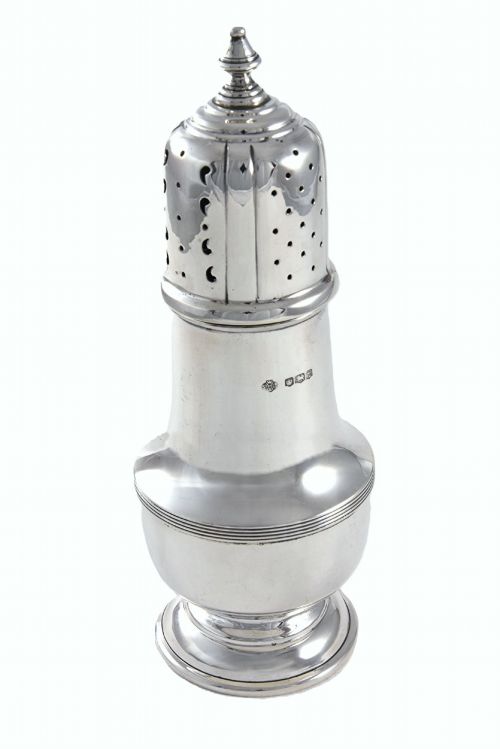
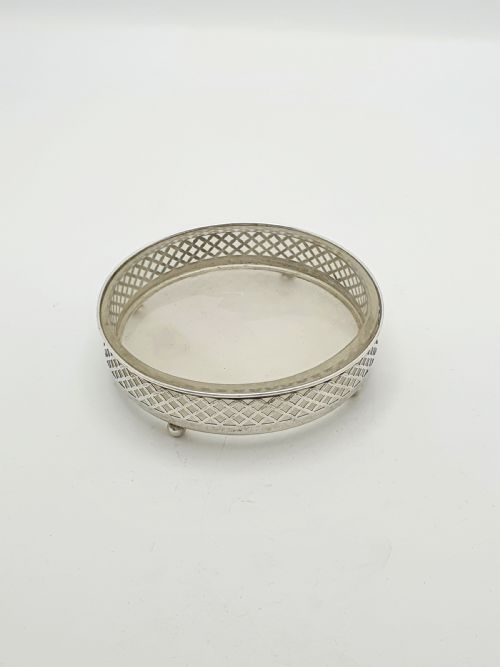
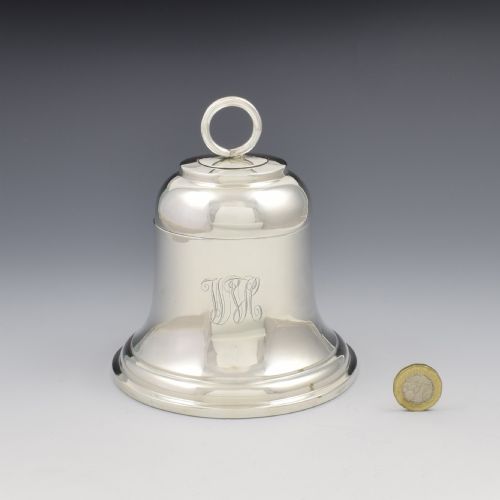
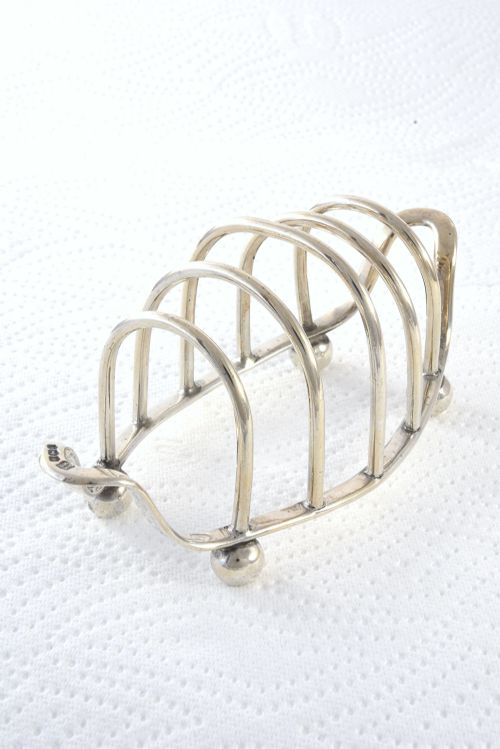
Art deco table accessories encompass a wide range of functional items designed to bring order and style to dining, dressing, and desk spaces during the early to mid-twentieth century. The selection leans heavily toward sterling silver napkin rings, glass and enamel perfume bottles, and smoking requisites like table lighters and cigarette boxes.
Most pieces date from the 1920s and 1930s, capturing the distinct modernist shift away from ornate Victorian designs toward clean lines and symmetrical patterns. Alongside silver and glass, one encounters ceramics, chrome, and occasional tactile surfaces like shagreen and velvet.
Buyers frequently encounter matched sets of napkin rings, vanity items, and desktop essentials produced by prominent silversmiths and continental glassmakers. These objects reflect the sophisticated interior culture of the period, designed to be displayed openly on tables, sideboards, and dressing tables.
What varies in quality
Quality rests upon the crispness of execution in the geometric lines, the weight of the metal, and the precision of any applied enamel or glass cutting. Finer examples maintain unbroken enamel surfaces and retain sharp hallmarks without excessive polishing wear.
The reputation of the maker plays a defining role, with pieces bearing signatures from notable designers or esteemed retailers commanding greater attention. The integrity of secondary materials, such as the intact weave of shagreen or the clarity of coloured glass, separates standard production from superior artistry.
Several table lighters take the playful form of Scottie dogs and notorious highwaymen.
Mappin & Webb·Karl Palda·Sigvard Bernadotte·Georg Jensen·Asprey & Co·René Lalique·Christofle·Hasset & Harper
The Art Deco Table Accessories Glossary
- Guilloche
- A decorative engine-turning technique that etches precise, intricate patterns into metal beneath a translucent layer of enamel. This method was widely used on compacts, mirrors, and scent bottles.
- Sterling silver
- An alloy consisting of silver and other metals, usually copper, containing 92.5 percent pure silver by mass. British pieces feature a lion passant hallmark to confirm this standard.
- Shagreen
- A type of untanned raw leather, often dyed, traditionally prepared from the skin of a shark or ray. It provides a distinct granular texture on cigarette boxes and lighters.
- Bakelite
- An early plastic made from phenol and formaldehyde, celebrated for its heat resistance and vibrant colours. It appears frequently on twentieth-century knife rests and small fittings.
- Assay office
- A body that tests the purity of precious metals and stamps them with official hallmarks. Towns like Birmingham and London operated primary offices for British silver.
Art Deco Table Accessories: Frequently Asked Questions
How do I clean vintage silver accessories?
Use a soft cloth and a gentle, non-abrasive silver polish to maintain the shine without wearing down engraved details or hallmarks.
Avoid submerging pieces with cemented components, enamel, or fabric linings in water to prevent permanent damage.
Are art deco perfume bottles safe to use?
Most vintage bottles function well for display or careful application, though internal residue from older contents may require gentle rinsing.
Check the glass daubers and atomizer mechanisms carefully before filling them to ensure proper function.
What is the difference between silver and silver plate?
Solid silver items are composed of precious metal throughout and carry standard hallmarks indicating their purity and origin.
Silver-plated pieces consist of a base metal covered by a thin outer layer of pure silver, often indicated by specific maker marks.
How can I date my art deco table accessories?
British silver pieces rely on date letters stamped alongside the assay office mark and maker's initials.
Stylistic cues, material choices like bakelite or chrome, and maker signatures help narrow down unmarked continental glass and ceramics.