




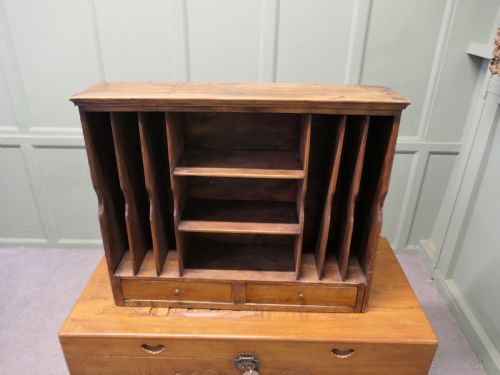


Vintage Desktop Organizer
These vintage desktop organizer pieces bring order to papers and correspondence with period character.
Vintage Desktop Organizer
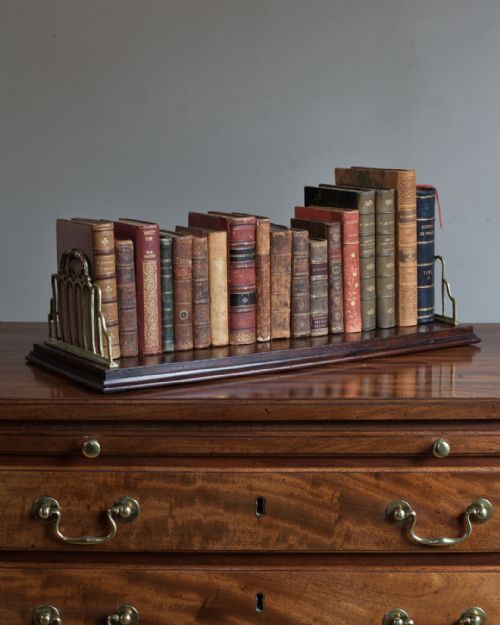
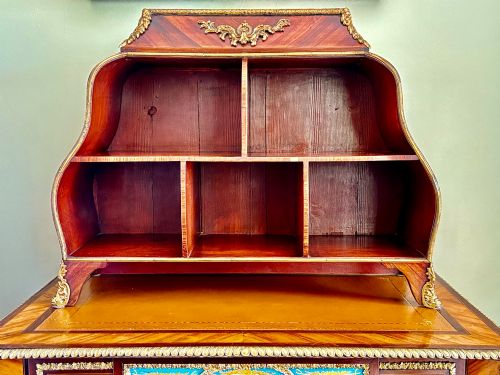
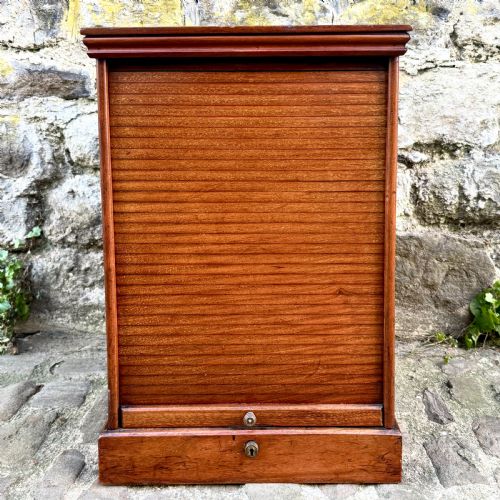
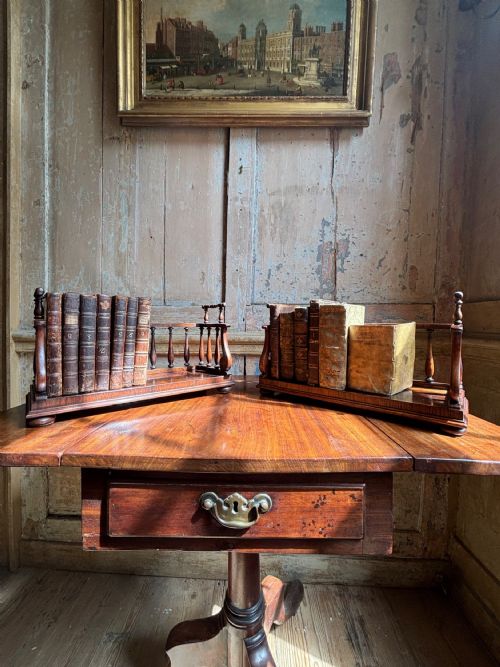
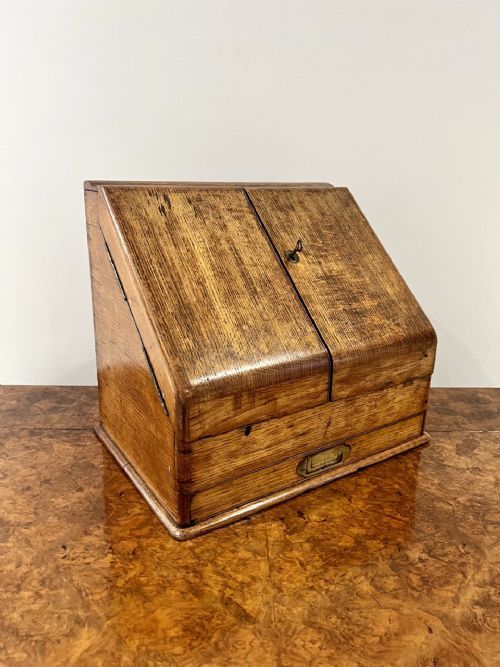
A vintage desktop organizer encompasses desk accessories, stationery cabinets, stationery boxes, filing cabinets, desk tidies, book slides, book stands, and desk organisers designed to keep workspaces tidy. Buyers encounter numerous variations ranging from utilitarian nineteenth century oak stationery boxes to elegant Edwardian letter holders and rotating bookcases.
The selection leans heavily towards sturdy timbers like oak and mahogany, often dating from the Victorian and Edwardian eras. Pieces vary from compact country house post boxes to expansive banks of drawers and tabletop cabinets equipped with brass mounts or secret compartments.
Originating from periods when correspondence required dedicated storage, these items serve modern desks just as effectively for letters, notebooks, and small supplies. The most common survivals combine practical compartments with period craftsmanship from the nineteenth and early twentieth centuries.
How they were made
Cabinet makers utilised dense hardwoods such as oak, mahogany, rosewood, and pine to construct durable desktop pieces that endure daily use. Joinery techniques varied from simple dovetailing on small drawers to elaborate marquetry and inlay work on finer Edwardian stationery cabinets.
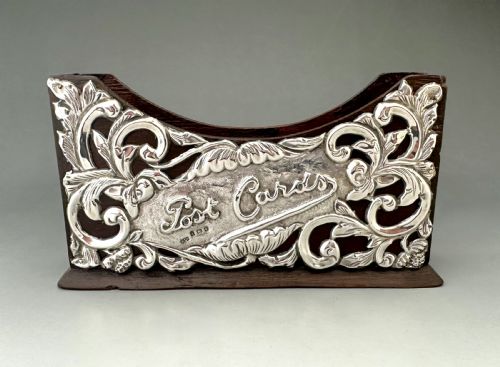
Metal fittings in brass and silver provided structural reinforcement and decorative contrast on letter boxes, sliding book racks, and drop front compartments. Papier-mâché and glass also appeared in specific decorative desk sets and display boxes of the period.
Vintage Desktop Organizer Retail Price Guide 2026
Typical asking prices for vintage desktop organizer among the pieces listed under this phrase on Sellingantiques today, from the lower quarter to the upper quarter. They describe what is for sale here now, not the wider market.
Listings feature oak, mahogany, rosewood, and brass across Victorian, Edwardian, and nineteenth century periods.
What varies in quality
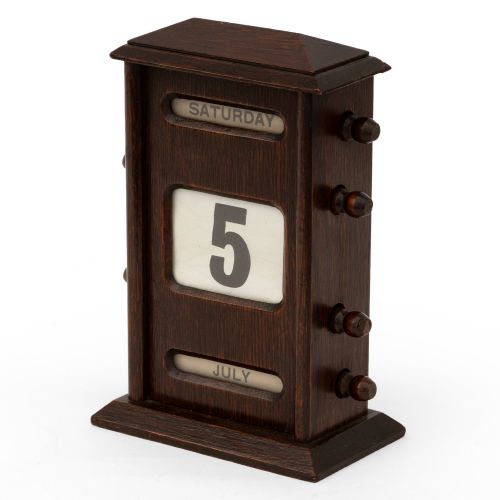
Quality rests on the integrity of the timber selection and the precision of the internal fittings, such as operating perpetual calendars and smooth sliding book stands. Pieces displaying hand cut dovetailing, substantial brass mounts, and intact keys reflect superior workshop standards.
The balance between decorative ambition and functional utility separates standard desk tidies from exceptional stationery cabinets. Finer examples exhibit considered proportions, harmonious wood grain matching, and refined inlay work rather than purely utilitarian construction.
Gillows·Amberg
The Vintage Desktop Organizer Glossary
- Stationery cabinet
- A desktop housing designed specifically to store writing paper, envelopes, and ink bottles behind doors or a fall front. These units often feature internal divisions and letter slots.
- Book slide
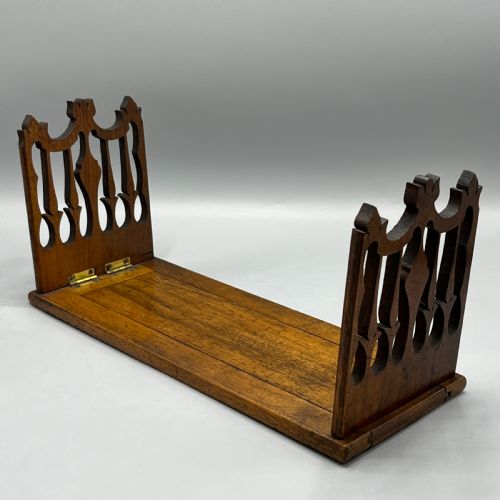
- An extendable desktop rack featuring hinged or sliding sections to hold a small row of books upright. They frequently incorporate decorative end brackets in brass or carved wood.
- Desk tidy
- A compartmentalised tray or small box used to corral loose pens, stamps, and small office ephemera. They form a simpler category distinct from enclosed cabinetry.
- Perpetual calendar
- A desk accessory with adjustable rollers, cards, or dials configured to display the date for any month of the year. Mechanisms are usually housed in framed oak or mahogany cases.
Vintage Desktop Organizer: Frequently Asked Questions
What fits inside a vintage stationery box?
These boxes accommodate standard writing paper, envelopes, and stamps within dedicated internal slots and partitions. Many also include space for pens and inkwells.
Larger models feature drop fronts or cabinet doors that open to reveal fitted ledgers and pigeonholes tailored for nineteenth century correspondence.
How do extending book slides work?
Extending book slides utilise a sliding mechanism that lengthens or shortens the base platform to hold a variable number of volumes. The end pieces remain upright to support the row.
Victorian and Edwardian versions often incorporate brass hinges or smooth wooden tracks to allow effortless adjustment.
Where were desktop cabinets used?
Victorian and Edwardian households positioned these cabinets on library tables, bureau desks, and drawing room writing surfaces. Country houses and offices relied on them to sort daily post.
Today, they serve on modern desks to organise mail, notebooks, and writing instruments while maintaining period aesthetics.
How do I identify an Edwardian piece?
Edwardian items typically date from the reign of Edward VII and feature lighter woods, delicate marquetry, or silver mounts. Their aesthetic is often less heavy than preceding Victorian designs.
Detailing like inlaid stringing and satinwood banding frequently points toward this early twentieth century period.