

Vintage Desk Seat
A vintage desk seat brings substance to a study, offering the solid timber and swivel mechanisms of earlier centuries.
Vintage Desk Seat
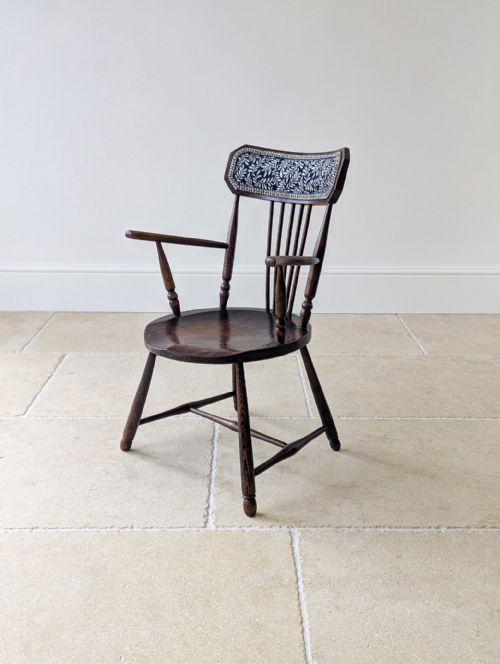
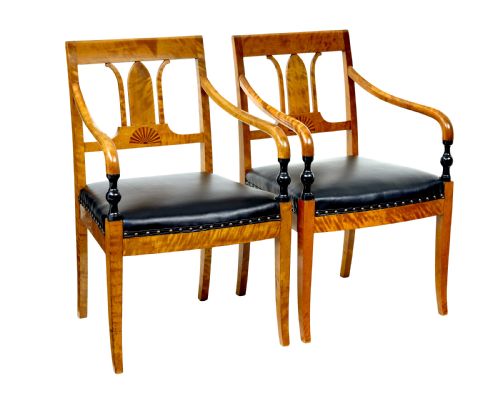
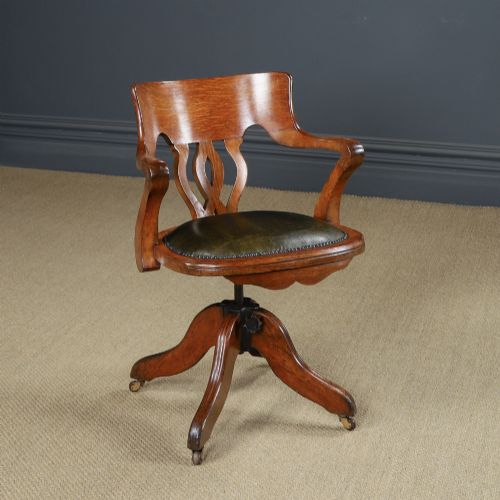
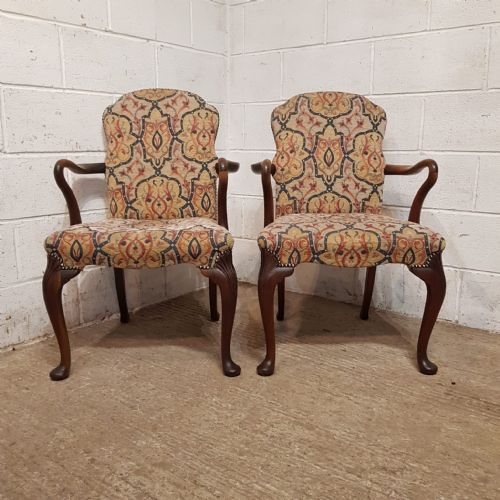
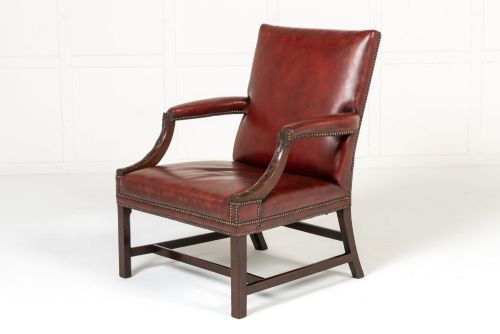
A vintage desk seat encompasses timber office chairs, revolving library seats, and writing armchairs originating from the eighteenth century to the early twentieth century. Buyers seeking a vintage desk seat will encounter sturdy oak swivel models, mahogany Gainsborough designs, and country elm windsors tailored for working at a table.
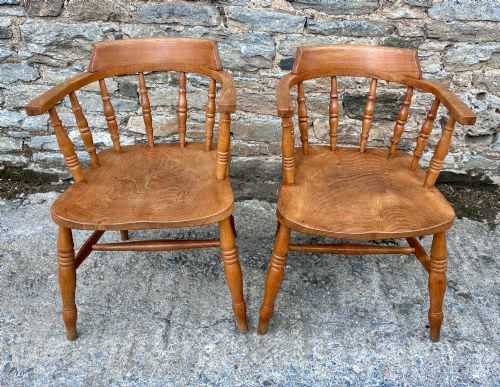
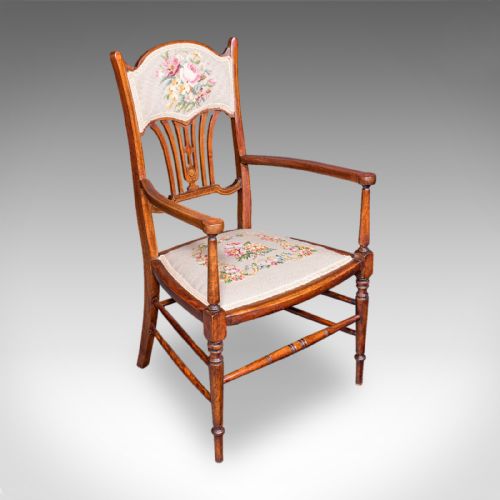
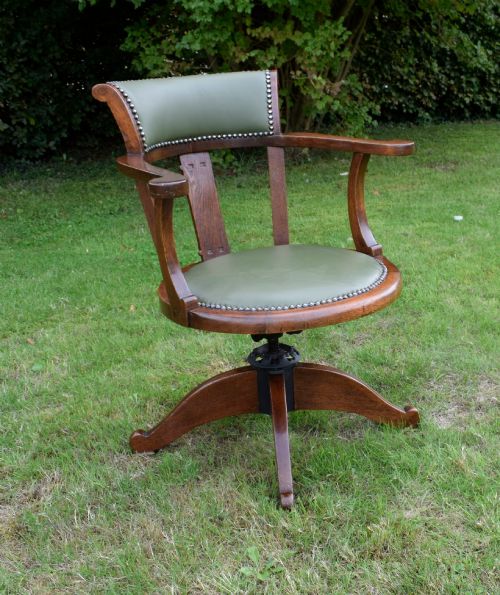
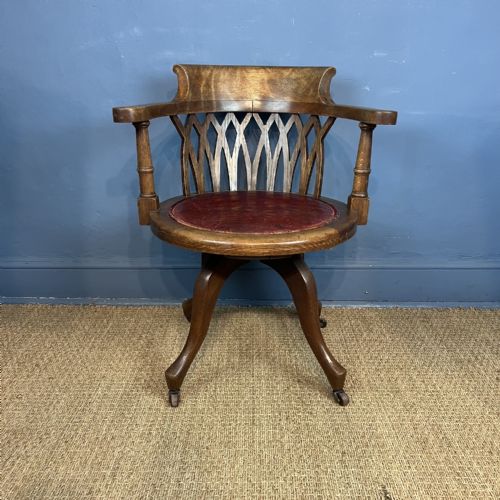
The selection ranges from simple beech captain chairs and ash stickbacks to upholstered walnut library armchairs and green leather revolving office seats. Many pieces date from the Victorian and Edwardian eras, reflecting utilitarian office needs and domestic study comfort alike.
How they were made
Cabinet makers built these seats using robust native hardwoods such as oak, elm, ash, beech, and mahogany, often pairing bentwood components with traditional joinery. Turned spindles, steam-bent hoops, and mortise and tenon frames provide structural strength for daily use.
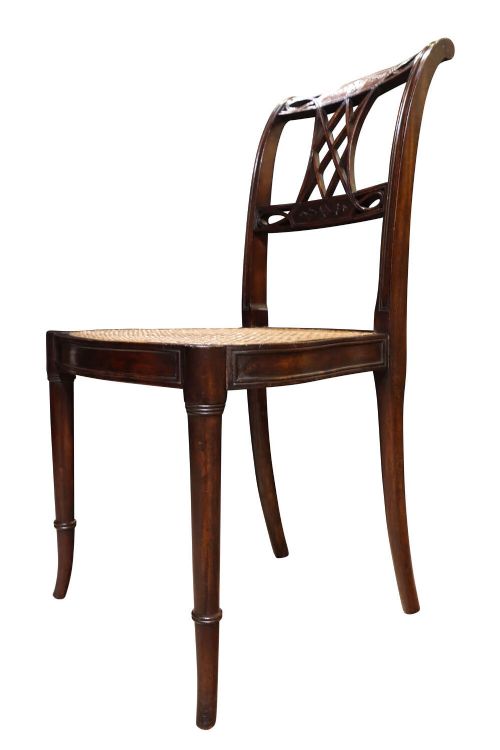
Working surfaces and seats frequently incorporate supple leather hides, woven cane panels, or padded fabric upholstery fixed with traditional tacks. Swivel models rely on cast iron mechanisms and brass spindles to permit rotation and height adjustment.
Among the seating is a jade dog of fo desk seal, proving that even paperwork needs a mythical guardian.
What varies in quality
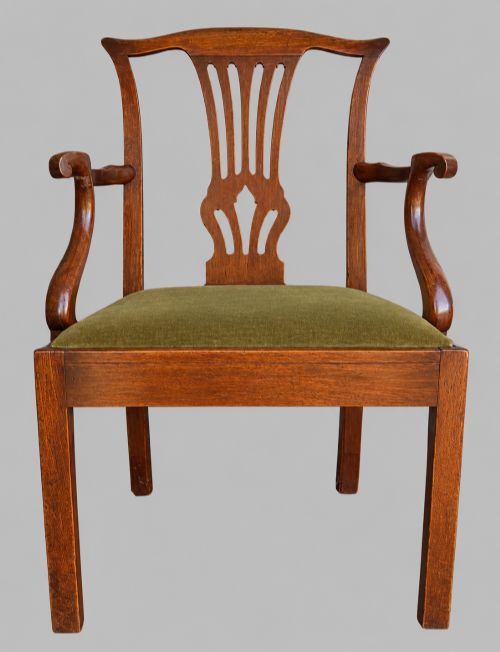
Quality rests in the selection of timber and the dexterity of the carving, distinguishing utilitarian workshop output from master cabinet work. Dense grain in mahogany or yew and deeply figured elm seats separate standard vernacular items from exceptional library examples.
The sophistication of the mechanical components also dictates the tier of the piece, particularly in revolving office chairs where original brass and iron swivel actions remain intact. Proportion and carving detail on arms, legs, and splats reveal the original ambition of the maker.
The Vintage Desk Seat Glossary
- Windsor chair
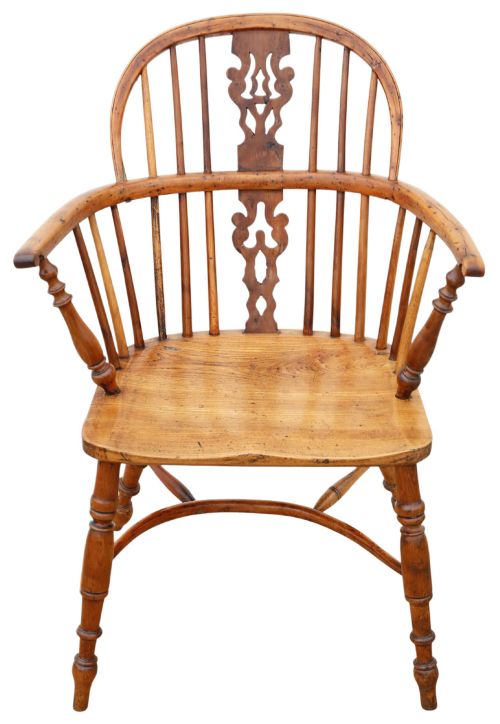
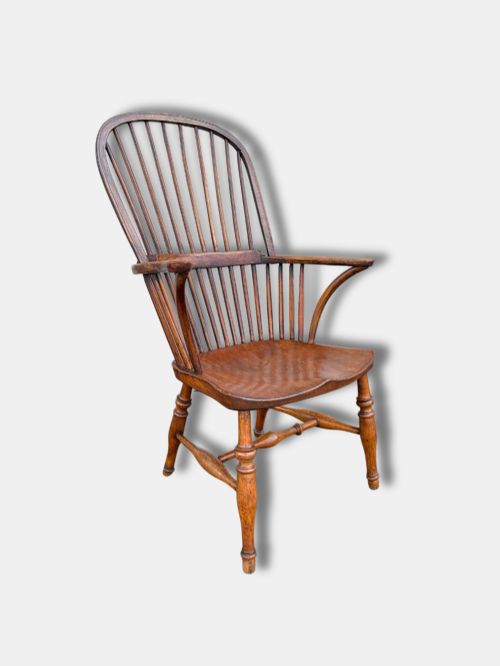
- A wooden chair constructed with a solid shaped seat into which the legs and back spindles are directly inserted. This form utilises sturdy turned parts and bentwood bows.
- Captains chair
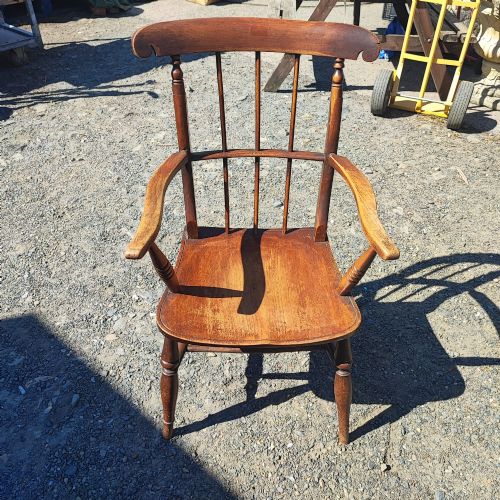
- A low-backed wooden armchair designed for comfort during long periods at a table or desk. These sturdy seats often incorporate curved back rails supported by multiple spindles.
- Cane seat
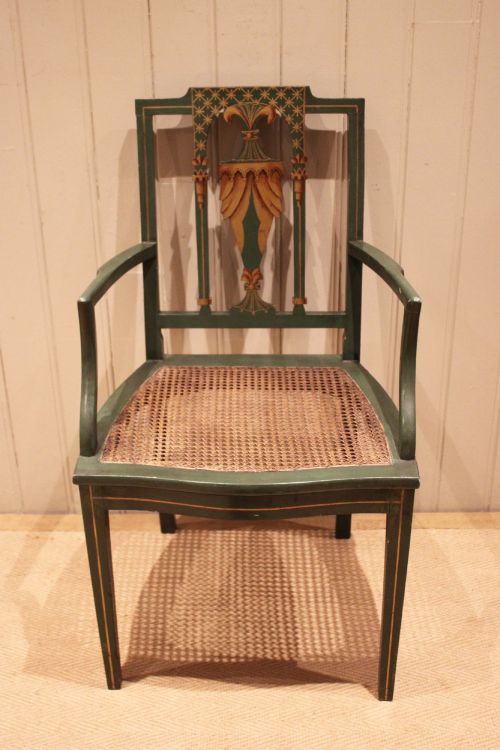
- A seating surface woven from rattan or split cane plants. This technique creates a lightweight, flexible mesh that supports the sitter.
- Revolving chair
- An office seat mounted on a central pivot mechanism allowing full rotation. These designs often include adjustable height screws and four-legged wheeled bases.
Vintage Desk Seat: Frequently Asked Questions
Are these seats comfortable for daily work?
Many of these chairs were designed for prolonged administrative tasks, featuring supportive curved backs and wide wooden or upholstered seats.
Revolving models and padded library armchairs offer ergonomic support suited to modern study environments.
How do I identify a swivel desk chair period?
Early revolving mechanisms utilise heavy cast iron and brass components paired with oak or walnut frames typical of the late nineteenth and early twentieth centuries.
Simpler wooden screw adjustments and four-legged spider bases generally indicate Edwardian or late Victorian manufacture.
What is the difference between a Windsor and a Gainsborough?
A Windsor chair relies entirely on exposed turned wood construction with a solid saddle-shaped seat and stickback support.
A Gainsborough is an upholstered armchair with padded back and armrests supported by an open wooden frame.
How should I care for leather desk seats?
Original hide leather benefits from occasional nourishment using specialised leather creams to maintain suppleness and prevent drying.
Avoiding direct sunlight and excessive heat preserves both the leather and the underlying timber frame.