


Vintage Desk Light Figure
These vintage desk light figure pieces bring sculptural form to domestic lighting, combining utility with distinct figural design.
Vintage Desk Light Figure
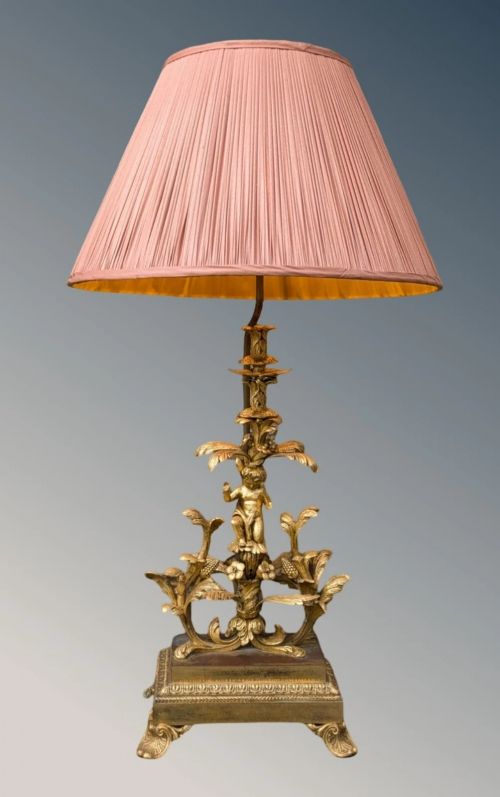
A vintage desk light figure combines figural sculpture with a functional table lamp, often taking the form of humans, animals, or mythical subjects integrated into the stand. Collectors searching for a vintage desk light figure encounter various historical interpretations ranging from Victorian brass designs to later twentieth-century interpretations.
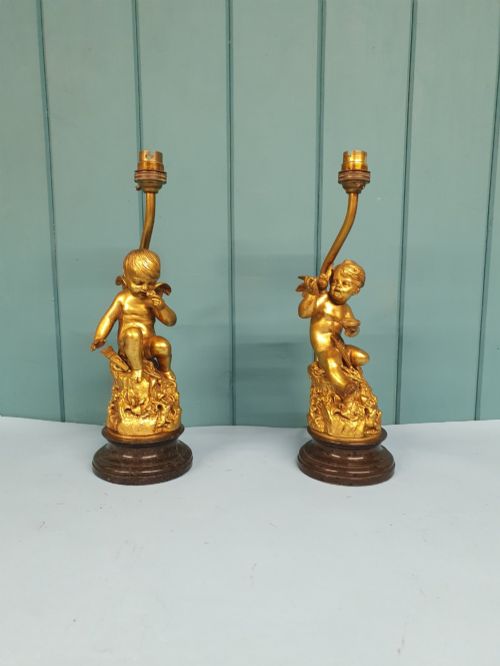
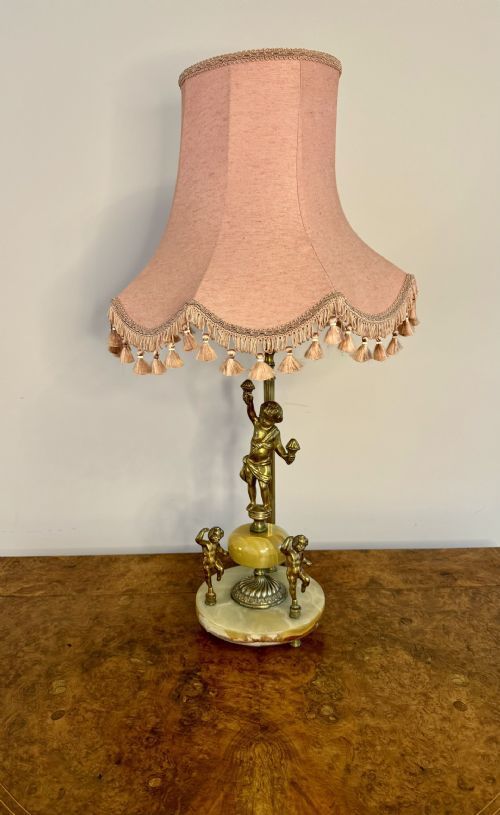
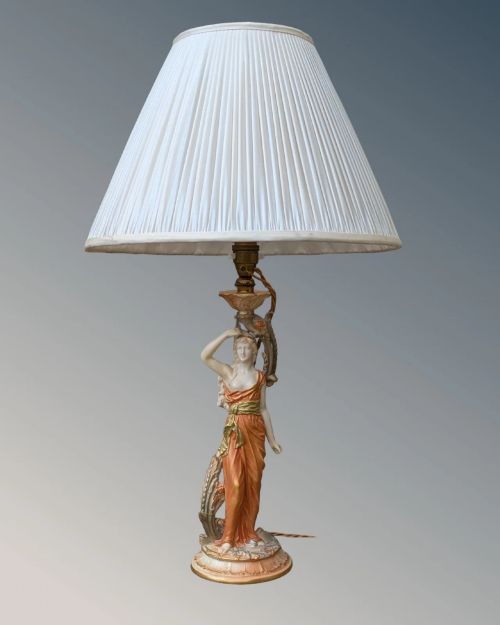
The selections on this page span several decades, featuring distinct periods such as the Victorian era, the Art Deco movement, and the early twentieth century. Common physical manifestations include bronze cherubs, porcelain ladies, and carved root wood, each serving as a decorative desk or table accessory.
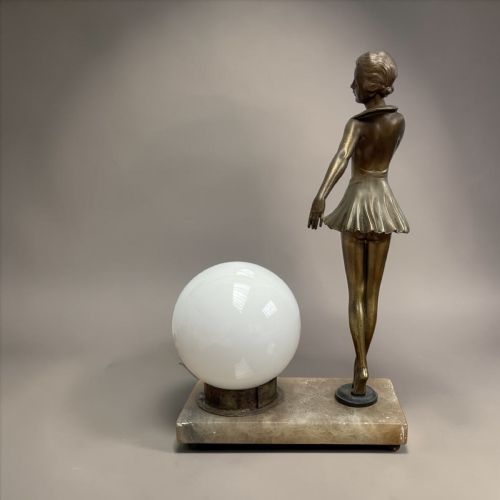
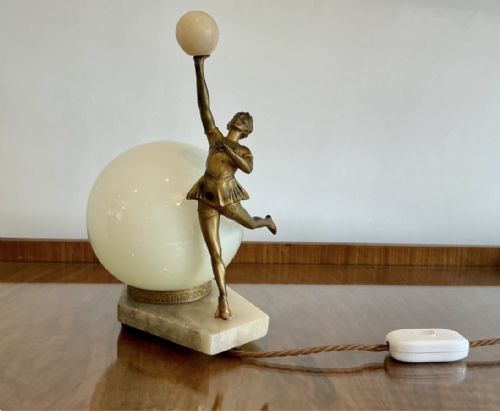
Art Deco figures featuring female nudes, athletes, and dancers appear frequently alongside classical bronze and spelter statuettes adapted for electrical fittings. These pieces draw the eye through their detailed figural composition while providing illumination for a desk or table.
Materials and construction methods
Maker construction relies heavily on cast metals such as bronze, brass, silver plate, chrome, and spelter to form the primary figural body and structural support. These metal elements are frequently paired with bases of marble, onyx, or alabaster to ensure stability.
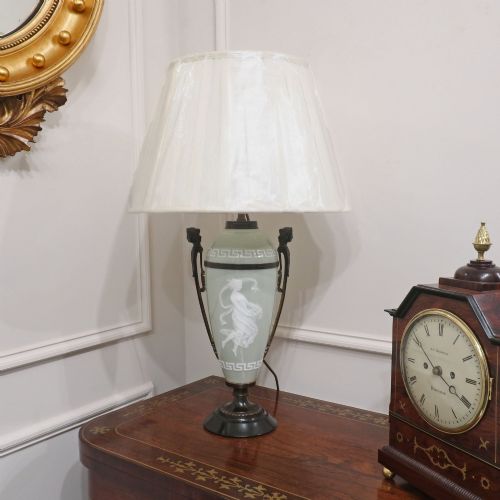
Ceramic and glass components appear through porcelain, pate sur pate, and frosted glass figures, sometimes supplied by notable factories or individual modellers. Carved organic materials like root wood introduce alternative textures to the metal and ceramic works.
Listings feature table lamps spanning the Victorian era through the Art Deco period, utilising materials such as bronze, porcelain, and root wood.
Distinctions in quality and execution
The choice of base materials and integrated components also marks the hierarchy of these objects. Heavy natural stone bases and superior porcelain painting indicate higher production standards compared to lighter base structures and plain painted finishes.
Royal Worcester·Karl Ens·Anton Buschelberger·P Sega·Baccarat
The Vintage Desk Light Figure Glossary
- Spelter
- A zinc alloy commonly used as a less expensive alternative to bronze for figural casting in nineteenth and twentieth-century decorative objects. It accepts patination and paint well to simulate heavier metals.
- Pate sur pate
- A ceramic technique where a liquid clay relief is applied layer by layer onto a contrasting body before firing. This builds up a cameo-like design.
- Alabaster
- A fine-grained mineral stone used for carved lamp bases and decorative panels. Its translucent quality allows light to pass through the material.
- Tole peinte
- Painted sheet metal used for decorative lamp components and shades. The technique involves applying enamel paint over prepared metal surfaces.
- Root wood
- Natural tree root material carved into intricate figural or scenic sculptures. It often exhibits gnarled textures utilised in oriental decorative arts.
Vintage Desk Light Figure: Frequently Asked Questions
What is a figural table lamp?
A figural table lamp integrates a sculpted human, animal, or allegorical subject directly into the vertical support of the lighting fixture. These objects merge decorative statuary with functional interior illumination.
Such pieces range from classical bronze figures to stylized Art Deco dancers mounted on stone bases. They serve as focal points on desks, sideboards, and tables.
How do I identify Art Deco lamps?
Art Deco lamps typically display streamlined geometries, stylized human forms, and modern materials such as chrome, silver plate, and frosted glass. Figures often represent dancers, athletes, or nudes posed with dynamic symmetry.
Makers from this period embraced industrial finishes alongside traditional ceramics. The resulting aesthetic emphasises clean lines and motion rather than ornate classical revival details.
Were these always electric lamps?
Many early examples began life as decorative cabinet bronze statuettes, oil lamps, or gas fittings before receiving later conversions to electricity. Metal figures and vases were routinely adapted for wiring as domestic power became common.
Original factory electrical fittings appear alongside converted sculptures in older material. Examining the base and internal wiring entry points reveals how the conversion was achieved.
How should I place one on a desk?
Positioning a figural lamp on a desk requires balancing the sculptural silhouette against workspace requirements and wiring routes. The height of the figure and shade should direct light downward onto the working surface without blinding the user.
Pairing these lamps with complementary nineteenth or twentieth-century furnishings enhances their visual presence. Ensuring a stable surface protects the heavier marble or bronze bases from accidental knocks.