
Vintage Desk Inkwell
A vintage desk inkwell brings tactile weight to correspondence, holding ink in glass, silver, or brass containers shaped across Georgian, Victorian, and Art Deco periods.
Vintage Desk Inkwell
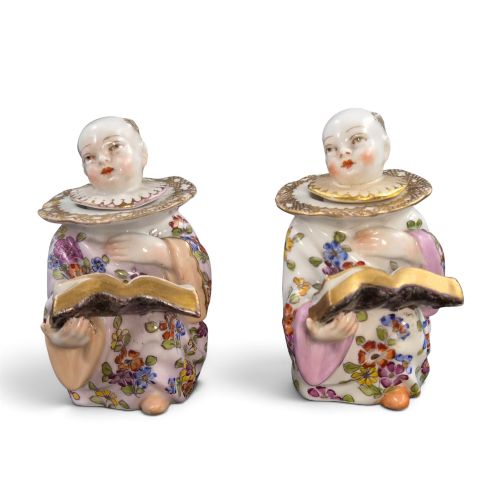
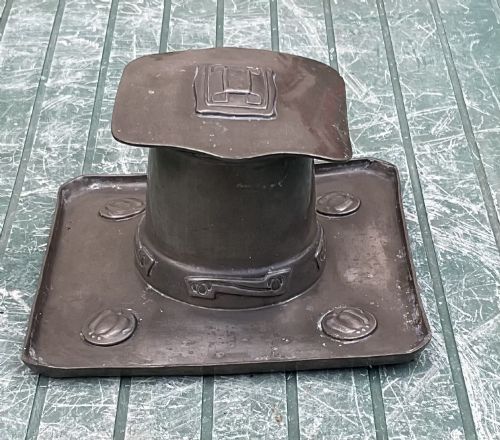
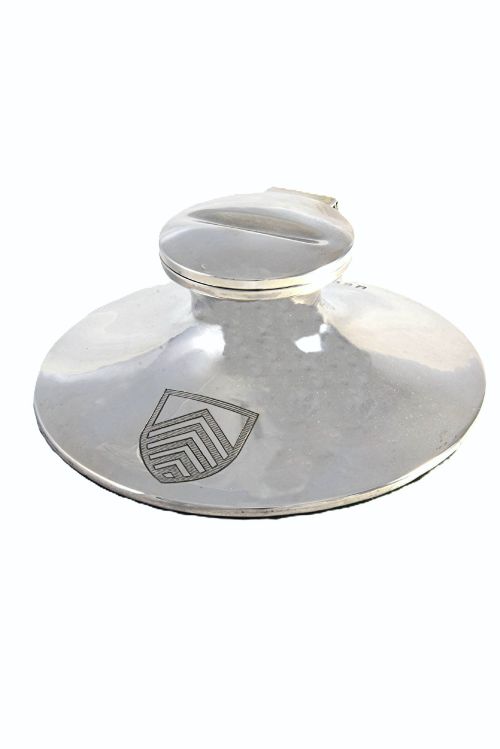
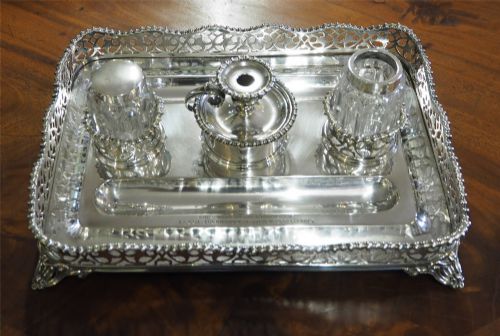
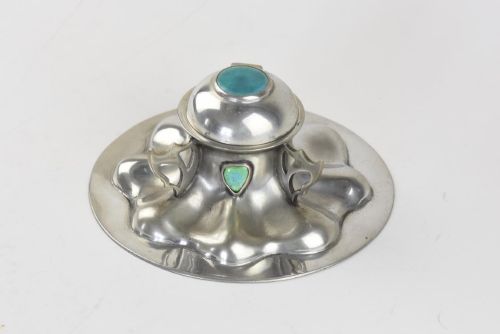
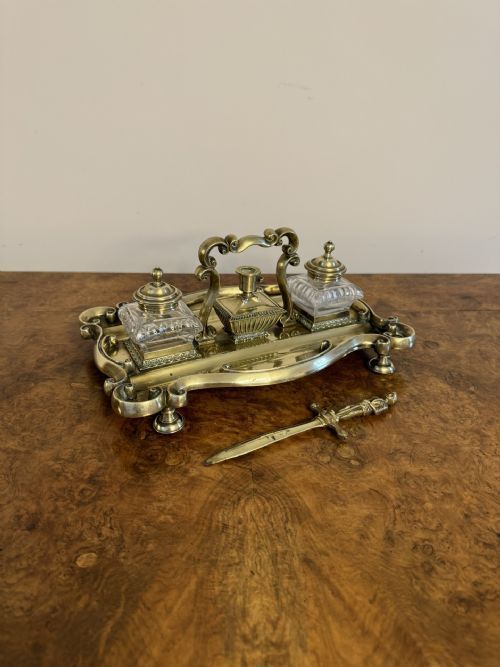
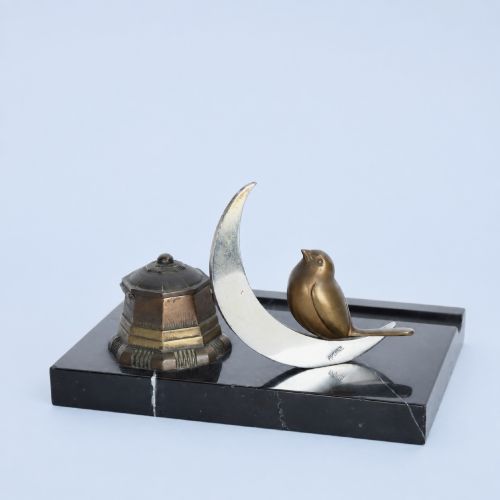
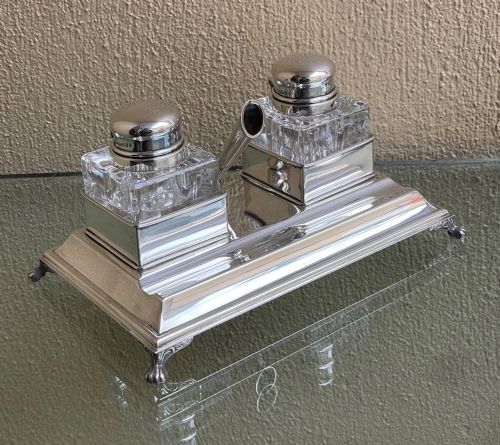
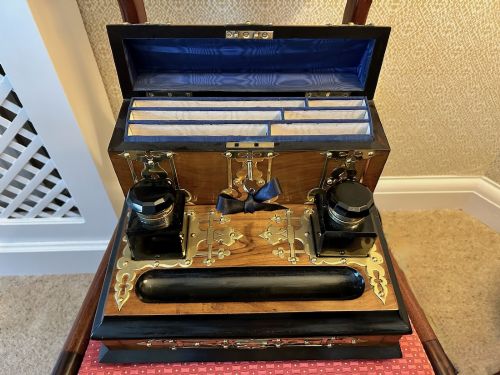
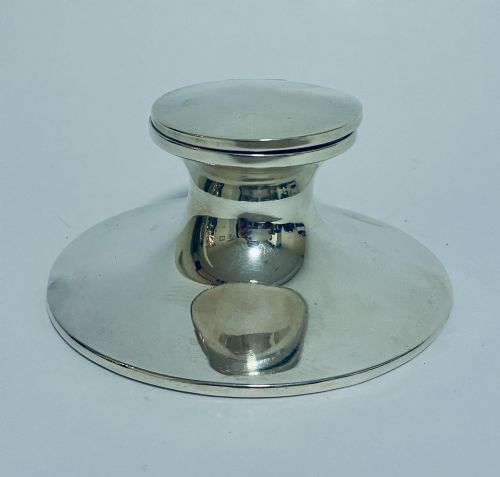
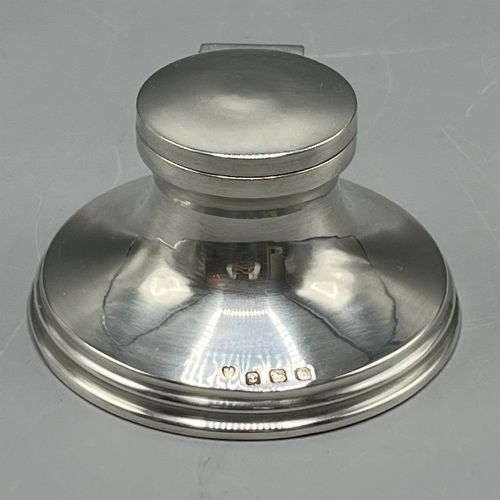
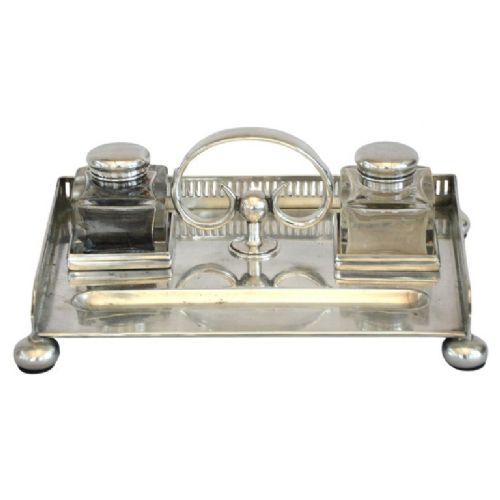
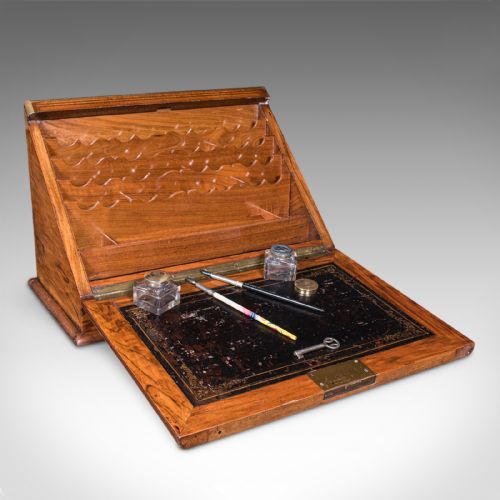
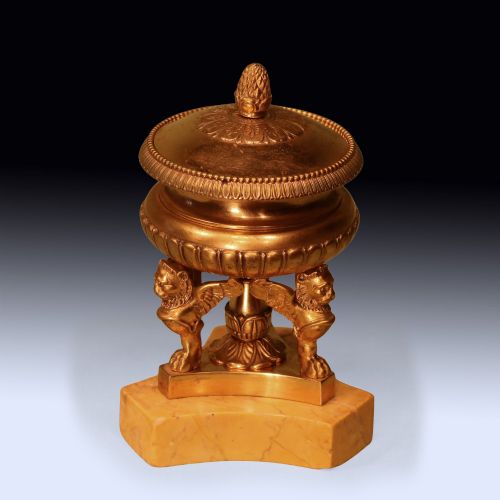
A vintage desk inkwell takes many forms, appearing as solitary capstan vessels, multi-piece desk stands fitted with pen rests, and elaborate inkstands housing matching candle holders or stationery compartments. The pieces seen here range from simple glass reservoirs to monumental brass, marble, and silver desk sets made for writing tables.
The materials span centuries of desk accessories, including sterling silver, pewter, porcelain, cut glass, and exotic woods like walnut, coromandel, and rosewood. Buyers encounter items varying from compact Edwardian silver caps to heavy Art Deco black marble and green onyx tidies.
Origins stretch across English, Continental, and Asian workshops, incorporating decorative techniques such as champlevé enamel, guilloche, ormolu, and inlaid mother of pearl. These objects reflect the changing tastes of the eighteenth, nineteenth, and early twentieth centuries.
Materials and construction
Metalworking dominates the construction of these pieces, utilising cast brass, spun pewter, and solid sterling silver shaped into capstan, bell, or figural designs. Silversmiths and brass founders employed techniques like chasing, embossing, and silver plating over base metals to achieve ornamented surfaces.
Glass is cut, moulded, or blown to form the heavy internal reservoirs that fit securely within silver, brass, or wooden stands, preventing leaks during daily use. Stoneware, faience, porcelain, and various marbles provide stable, weighty bases for delicate ink vessels.
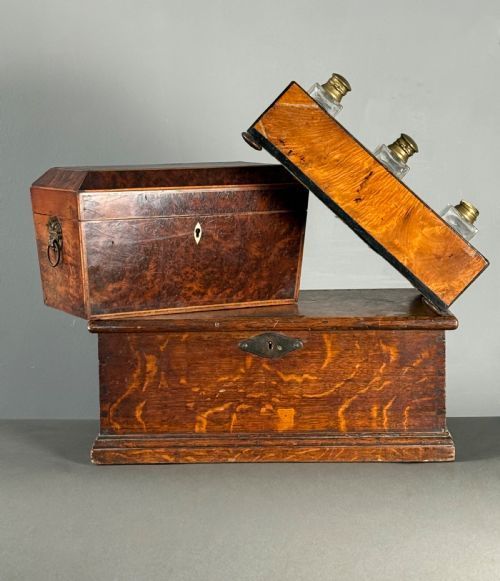
Cabinetmakers constructed elaborate wooden desk stands and stationery cases from burr walnut, rosewood, and coromandel, incorporating brass mounts, hinged lids, and ceramic liners. Artisans combined these organic textures with bronze, champlevé, and enamel details to create unified writing stations.
Materials span cut glass, sterling silver, brass, porcelain, and exotic woods across Victorian, Edwardian, and Art Deco periods.
Measures of quality
Quality rests upon the integrity of the materials and the crispness of the casting or joinery. Heavy gauge silver, substantial cut glass with sharp faceting, and thick marble bases separate superior pieces from lighter, mass-produced alternatives.
The retention of original components, such as matching glass inserts within metal collars and intact hinged lids, dictates the integrity of a desk accessory. Finer examples feature precise maker marks, hallmarking, or artist signatures that verify their provenance and manufacturing standard.
Edmé Samson·Archibald Knox Liberty Tudric·Elkington·William Hutton·Walker And Hall·Harrods·Marson and Jones·James Deakin and Sons
The Vintage Desk Inkwell Glossary
- Capstan inkwell
- An inkwell shaped like a ship capstan, tapering inward from a wide base to a narrower top. This form offers excellent stability on a moving desk or writing table.
- Inkstand
- A complete desk stand incorporating one or more inkwells alongside pen rests, sanders, and sometimes candlesticks. These larger desk accessories centralise writing implements.
- Guilloche
- A decorative engine-turning technique producing precise, intricate geometric patterns engraved into metal. It often appears beneath translucent enamel on Edwardian and Victorian desk pieces.
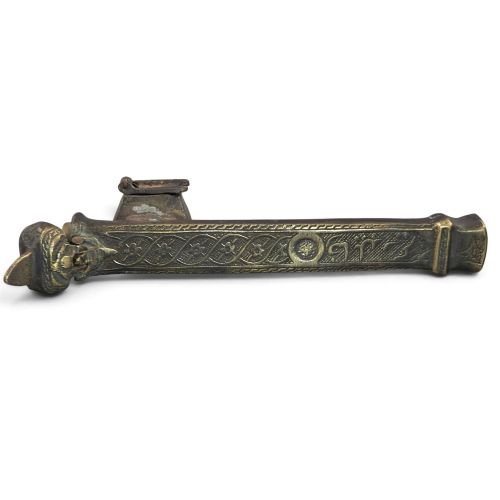
- Divit qalamdan
- A traditional travelling pen case and inkwell combined, worn at the waist by scribes. These Middle Eastern and Armenian brass items are often signed.
Vintage Desk Inkwell: Frequently Asked Questions
How were double inkstands used?
Double inkstands provided writers with two separate wells, traditionally holding black ink for general correspondence and red ink for corrections, ledger annotations, or signatures. A central trough or channel served as a resting place for feathered quills and later steel-nibbed pens.
These larger desk accessories often included compartments for wafer seals, blotting powder, or small taper sticks used to melt sealing wax. They formed the central administrative hub of a Victorian or Edwardian library table.
How do I clean a vintage inkwell?
Cleaning requires patience to protect delicate materials like glass inserts, sterling silver, or papier-mâché. Dried ink residue inside glass reservoirs dissolves slowly with warm water and mild soap, avoiding abrasive scrubbers that scratch the surface.
Metal components should be wiped clean without harsh chemical dips that strip away desirable historical patination. Wood and marble stands benefit from simple dusting and occasional waxing where appropriate.
Are these inkwells still functional?
Many vintage inkwells retain their original glass inserts and tight-fitting lids, making them entirely suitable for holding modern fountain pen ink. Glass and ceramic reservoirs are non-porous and safely contain liquid once thoroughly washed of old residue.
Collectors should check metal collars for hairline cracks or corrosion before filling them. Delicate silver-plated or antique brass pieces are often displayed dry as decorative desk ornaments rather than used daily.