



Vintage Delftware Wall Plate
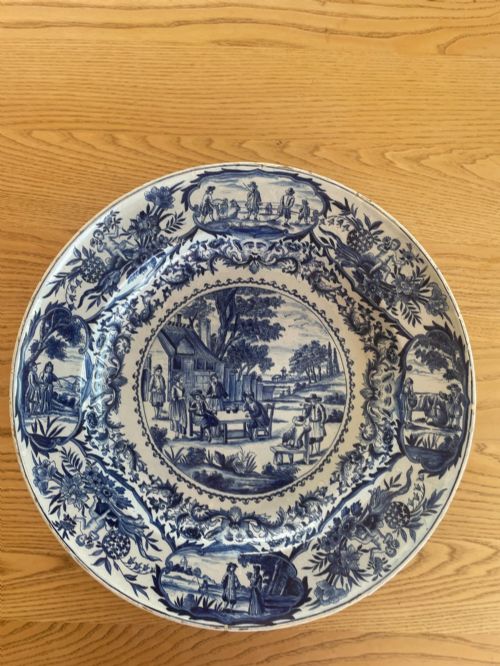
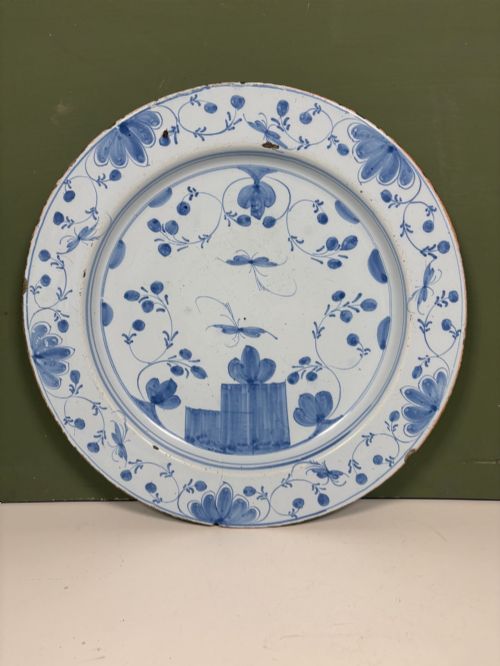
These vintage delftware wall plate pieces bring tin-glazed earthenware into the home with traditional blue and white pigment.
Vintage Delftware Wall Plate
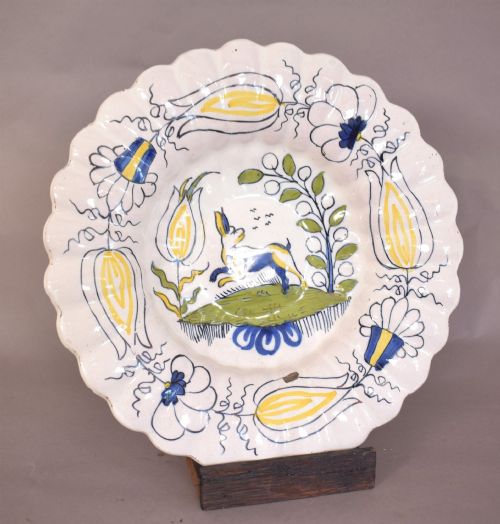
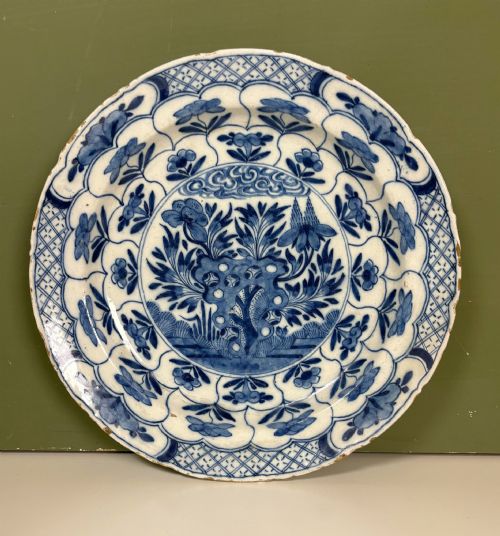
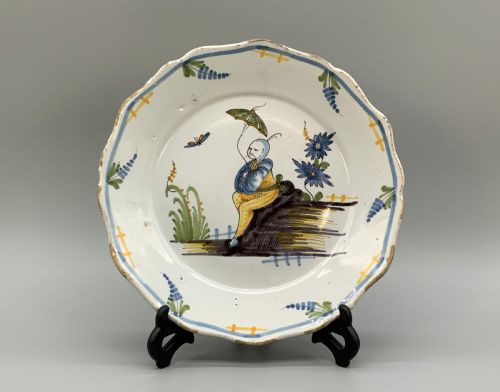
A vintage delftware wall plate represents tin-glazed earthenware produced in various stylistic traditions across Europe. Collectors encounter Dutch Delft, English polychrome pieces, and continental European faience.
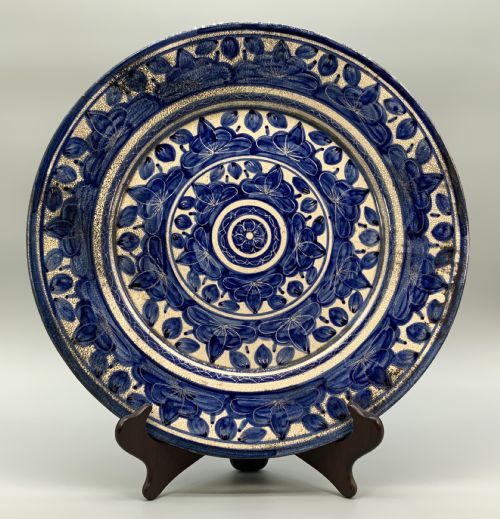
The objects take the form of decorative plates, large chargers, and shallow bowls intended for display. Many examples date from the seventeenth and eighteenth centuries, alongside later nineteenth-century interpretations and mid-twentieth-century Moorish style items.
How they were made
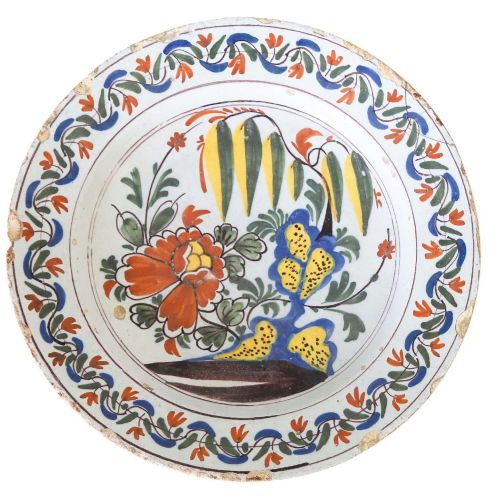
Potters shaped earthenware bodies and applied a tin glaze to create an opaque white surface suitable for painting. Artisans then used cobalt oxide and pigment in manganese and yellow tones before firing.
Hand-painted floral decoration and Chinoiserie motifs appear across the pieces, executed with fluid brushwork directly onto the unfired glaze. Grand feu techniques allowed colours to fuse with the tin glaze during the high-temperature kiln process.
Potters occasionally painted imaginary Chinese landscapes without ever leaving provincial European towns.
What varies in quality
The refinement of the tin glaze and the control of the cobalt pigment determine visual depth. Superior examples display crisp hand-painted details without excessive pooling or blurring of the blue oxide.
Early specimens from the seventeenth and eighteenth centuries exhibit organic irregularities in the earthenware body that distinguish them from later productions. The complexity of the palette, whether simple blue and white or polychrome manganese and yellow, dictates the sophistication of the work.
The Vintage Delftware Wall Plate Glossary
- Tin-glazed earthenware
- Pottery covered with a white tin oxide glaze that provides an opaque ground for painted decoration. This technique forms the foundation of all delftware production.
- Charger
- A large decorative plate traditionally used for display on walls or sideboards rather than dining. These pieces measure considerably larger than standard tableware.
- Grand feu
- A high-temperature firing method used in traditional delftware production. The technique fuses the pigments directly into the tin glaze.
- Chinoiserie
- European decorative motifs inspired by Chinese art and porcelain. Artisans painted these fantastical scenes onto eighteenth-century chargers and dishes.
- Faience
- Continental European tin-glazed pottery produced in styles parallel to Dutch and English delftware. The term encompasses various regional factories and workshops.
Vintage Delftware Wall Plate: Frequently Asked Questions
How do I hang a delft charger?
Wall chargers require specialised spring-loaded plate hangers with rubber-coated tips to protect the earthenware edge.
Ensure the fixing in the wall secures firmly into masonry or a stud to support the weight of the tin-glazed piece safely.
Were these plates used for dining?
Large chargers and decorative plates served primarily for display on walls and sideboards during the seventeenth and eighteenth centuries.
Smaller plates occasionally functioned at table, but the soft earthenware body and tin glaze remain vulnerable to cutlery marks and chipping.
How do I date an old delft plate?
Examination of the earthenware body, glaze thickness, and footrim provides clues to the period of production. Seventeenth and eighteenth-century pieces often show characteristic glaze crazing and manual throwing rings.
Brushwork styles and pigment types, such as manganese or cobalt, help narrow down the decade of manufacture.
What is the difference between delft and faience?
Delft specifically describes tin-glazed earthenware produced in the Netherlands and England, whereas faience is the broader continental European term for the same technique.
Both share a tin-glazed body and painted decoration, but regional aesthetics and clay compositions vary.