





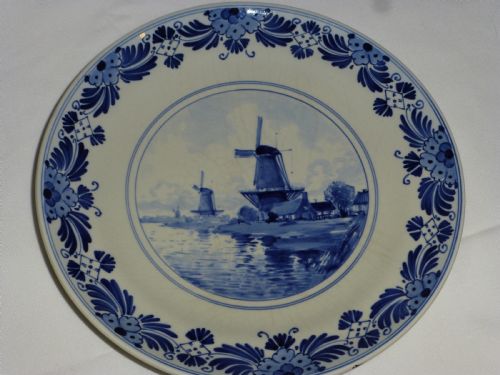


Vintage Delftware Platter
These vintage delftware platter examples are tin-glazed earthenware dishes that bring hand-painted blue and white or polychrome character to a room.
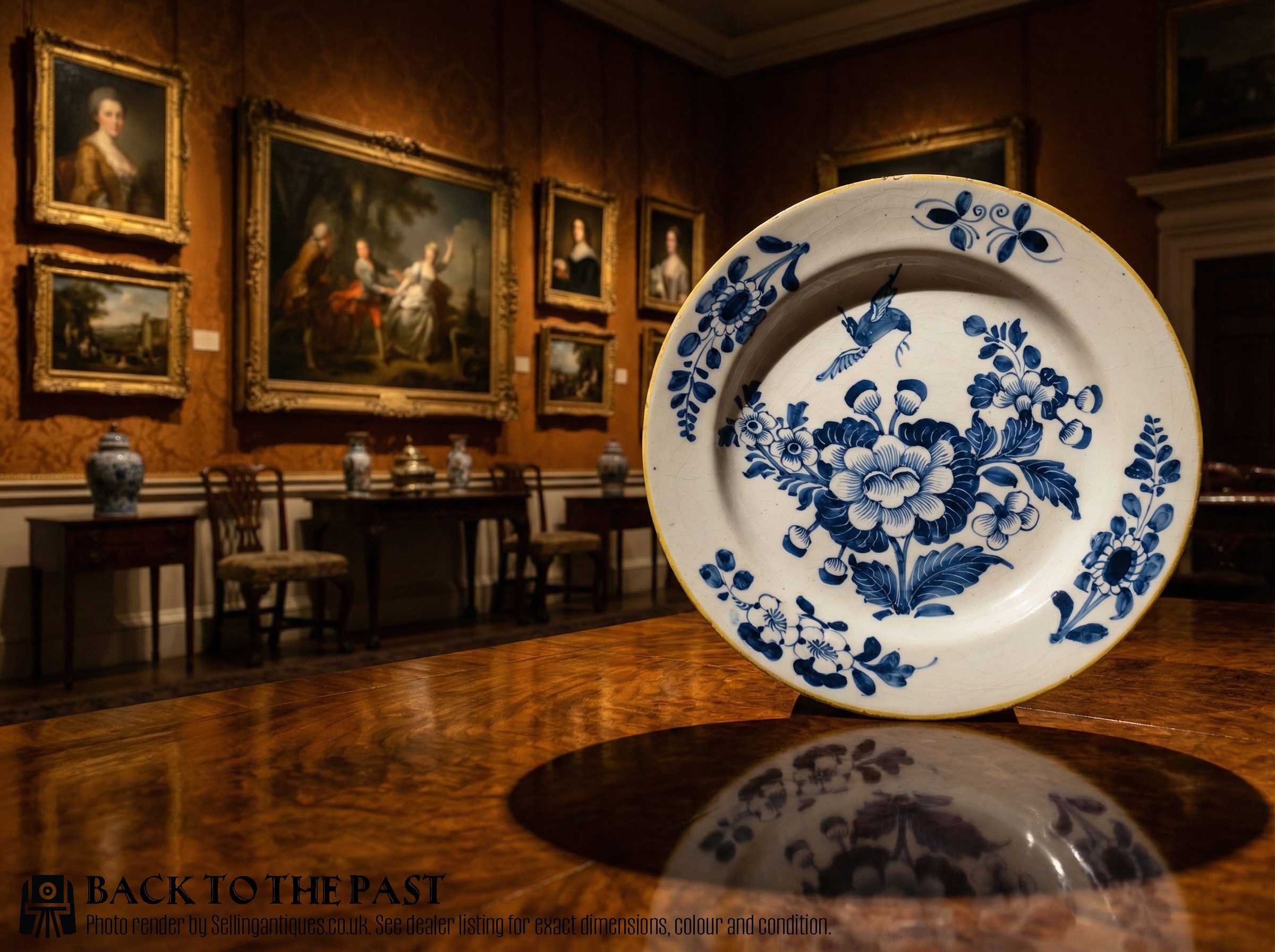
Vintage Delftware Platter
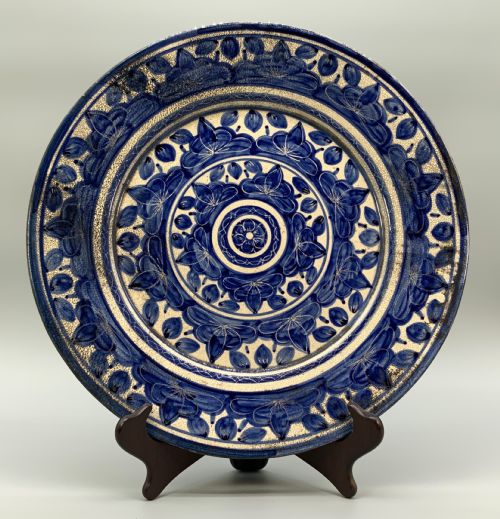
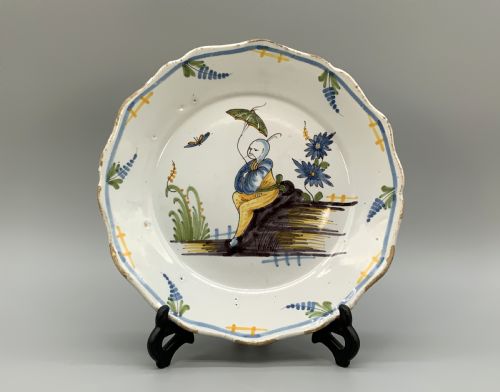
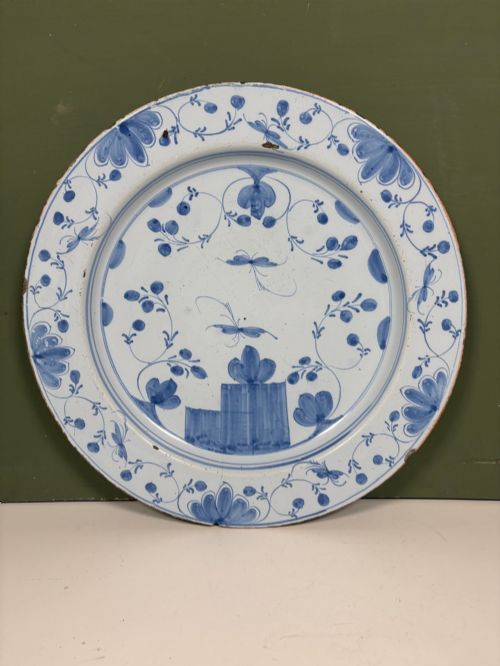
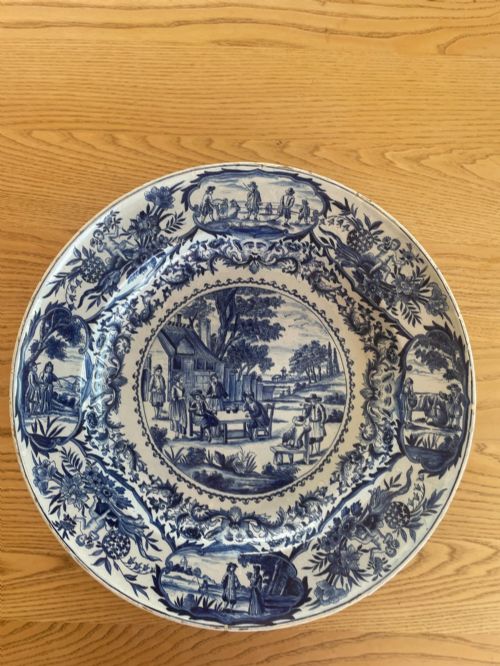
When you search for vintage delftware platter, you encounter large chargers, decorative plates, and wall chargers spanning the eighteenth and nineteenth centuries, alongside a nineteen-forties piece. The forms remain predominantly round chargers and plates intended for display rather than everyday dining.
The pieces originate from Dutch, French, and Moorish style traditions, reflecting diverse regional aesthetics. Dutch Delft and Dutch Baroque items dominate the selection, showing traditional blue and white painting alongside manganese and polychrome decoration.
How they were made
Makers utilised earthenware bodies coated in tin glaze, faience glaze, or tin-glazed earthenware to create a smooth white surface for painting. Cobalt oxide provided the classic blue pigment, while other examples employed manganese and yellow colours.
Grand feu techniques allowed pigments to fuse directly with the tin glaze during firing, producing durable surfaces across eighteenth-century and nineteenth-century workshops.
Vintage Delftware Platter Retail Price Guide 2026
Typical asking prices for vintage delftware platter among the pieces listed under this phrase on Sellingantiques today, from the lower quarter to the upper quarter. They describe what is for sale here now, not the wider market.
A nineteenth-century charger sits comfortably alongside an eighteenth-century cousin, ignoring the passage of time entirely.
What varies in quality
The sophistication of the hand-painted brushwork distinguishes simpler plates from ambitious chargers. Fine execution in Dutch Delft or French faience displays confident control of cobalt blue or polychrome pigments.
The depth of the tin glaze and the complexity of the design, such as Moorish style motifs or Chinoiserie scenes, set apart the more substantial decorative chargers from standard plates.
The Vintage Delftware Platter Glossary
- Charger
- A large ornamental plate typically hung on a wall or displayed on a dresser rather than used for food. These pieces measure larger than standard dining plates.
- Tin-Glazed Earthenware
- Pottery coated with an opaque white glaze containing tin oxide. This technique provides the characteristic canvas for blue and white painting.
- Grand Feu
- A high-temperature firing technique used for ceramics. It allows metallic oxide pigments to merge securely with the wet glaze.
- Manganese
- A purplish-brown metallic oxide pigment utilised in ceramic decoration. Potters employed it alongside cobalt blue and polychrome palettes.
- Faience Glaze
- An opaque tin glaze applied to earthenware bodies. The method originated in Italy and spread through European potteries.
Vintage Delftware Platter: Frequently Asked Questions
How were these chargers used?
These large dishes served primarily as decorative chargers for display on walls or sideboards during the eighteenth and nineteenth centuries.
Their visual impact made them focal points in domestic interiors rather than functional tableware for dining.
What is tin-glazed earthenware?
Tin-glazed earthenware consists of a clay body covered in an opaque white glaze containing tin oxide. This surface creates a pale ground suitable for hand-painted decoration.
Cobalt oxide and other pigments are applied directly to this glaze before firing.
How do I date a piece?
Dating relies on stylistic clues, glaze characteristics, and recorded periods such as the eighteenth or nineteenth century. Dutch Baroque forms and Chinoiserie motifs offer specific chronological markers.
Comparison with documented examples helps establish the likely period of manufacture.
Can these plates be hung?
Many chargers feature historical adaptation or structural suitability for wall display. Care must be taken to use appropriate hardware designed for heavy earthenware.
Mounting allows these decorative objects to be safely exhibited in modern homes.