



Vintage Decorative Tea Box
These vintage decorative tea box pieces are splendid containers for dry leaf that bring tactile warmth and period character to any room.
Vintage Decorative Tea Box
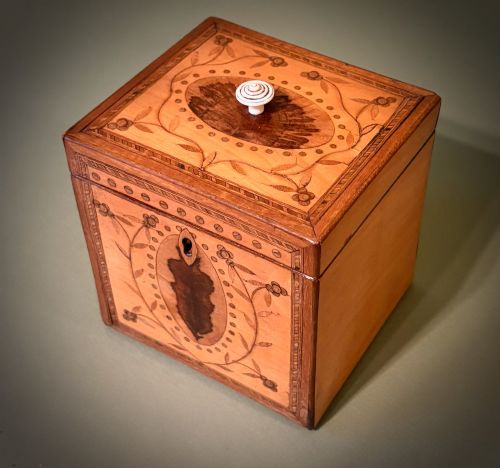
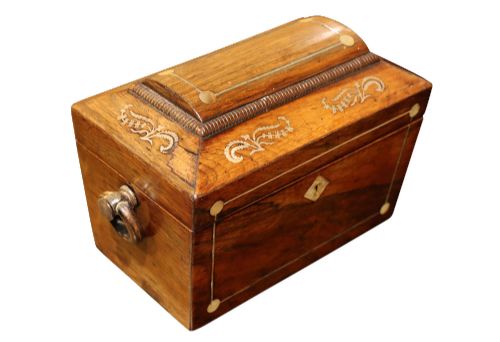
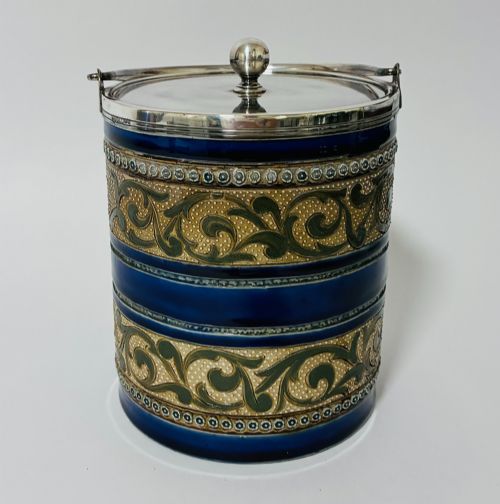
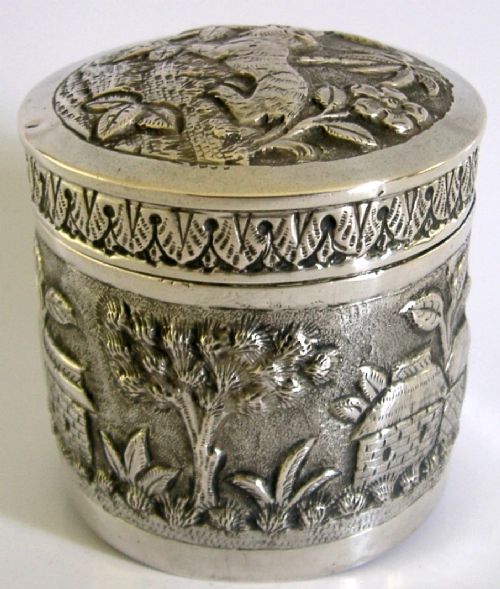
When you search for a vintage decorative tea box, you encounter timber and metal vessels originating primarily from the Georgian, Victorian, and early twentieth-century periods. These items encompass tea caddies, keepsake boxes, and biscuit barrels formed for domestic storage.
The version you are most likely to meet on this page is constructed from dense hardwoods like rosewood, mahogany, or walnut, often featuring fitted interiors or metal canisters designed for preserving leaf blends.
How they were made
Joinery relied on solid timber construction, utilising native and exotic woods such as oak, coromandel, and partridge wood shaped into rectangular, semi-circular, or domed profiles.
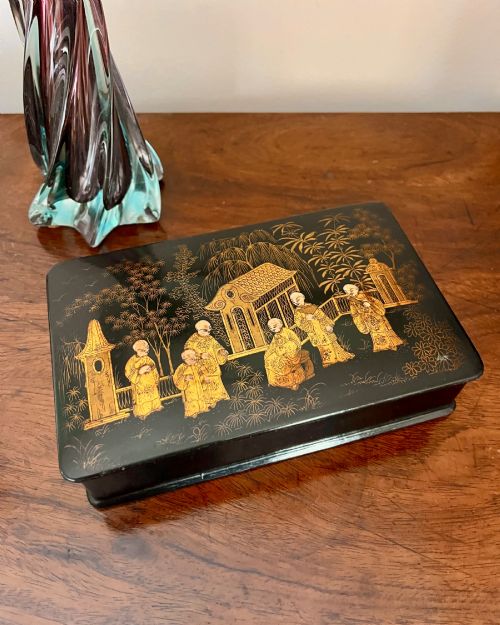
Surface embellishment combined precision carpentry with applied details, incorporating brass mounts, mother of pearl inlay, bone accents, chisselled brass, and painted chinoiserie lacquer.
Vintage Decorative Tea Box Retail Price Guide 2026
Typical asking prices for vintage decorative tea box among the pieces listed under this phrase on Sellingantiques today, from the lower quarter to the upper quarter. They describe what is for sale here now, not the wider market.
Pineapple box caddies brought tropical whimsy straight to the Victorian parlour tea table.
What varies in quality
Superior examples distinguish themselves through the choice of striking timber veneers like burr walnut or burr maple, displaying rich grain patterns selected by skilled makers.
Quality also rests in the execution of decorative details, where precise inlay work and intact interior metal canisters elevate the piece above utilitarian boxes.
The Vintage Decorative Tea Box Glossary
- Tea caddy
- A small box or chest designed specifically for storing dry tea leaves. These containers frequently featured internal compartments or lidded canisters.
- Chinoiserie
- A decorative style reflecting European interpretations of Chinese artistic traditions. It appears on lacquered boxes and painted surfaces.
- Burr walnut
- A prized timber cut from the warted growths on walnut trees. It yields swirling, highly decorative grain patterns highly sought after by cabinet makers.
- Mother of pearl
- An iridescent internal layer of shells used for delicate inlay work. Craftsmen shaped it into floral motifs and birds on box lids.
Vintage Decorative Tea Box: Frequently Asked Questions
What is a vintage decorative tea box used for?
These boxes originally stored expensive loose tea leaves under lock and key to protect them from dampness and theft in the Georgian and Victorian household.
Today, they serve as decorative tabletop accents or secure containers for modern keepsakes, jewellery, and small personal items.
How do I date a tea box?
Dating relies on identifying the underlying timber species, hardware styles, and construction techniques characteristic of periods like the Georgian era or Victorian times.
For example, Regency and Georgian pieces often display distinct veneers and geometric stringing, whereas later Victorian examples utilise heavy rosewood or applied mother of pearl.
Can I still store tea inside them?
Using them for dry leaf storage is possible if the interior retains clean wooden compartments or fitted metal canisters without lingering odours.
Many collectors prefer to line them gently or simply display them as standalone works of cabinetry and inlay.
How should I care for timber boxes?
Maintain these wooden pieces by keeping them away from direct sunlight and sudden radiator heat to prevent the delicate veneers and burr timbers from splitting.
An occasional application of appropriate wax polish preserves the lustre of the antique polish without harming the grain.