


Vintage Decorative Sculpture
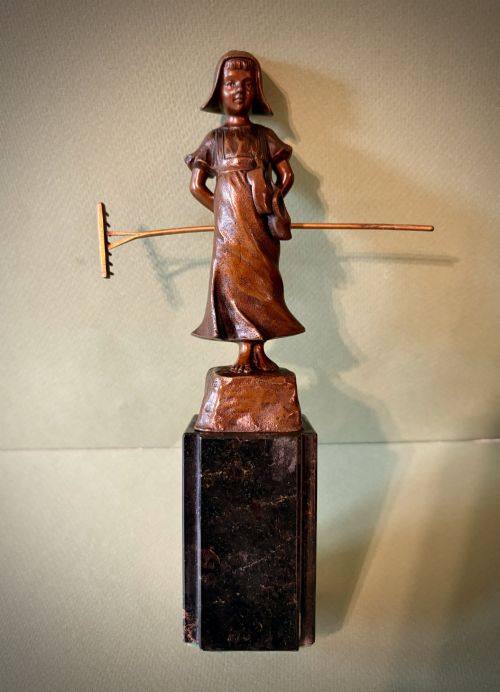
Vintage decorative sculpture brings character to a room through varied forms from the nineteenth and twentieth centuries.
Vintage Decorative Sculpture
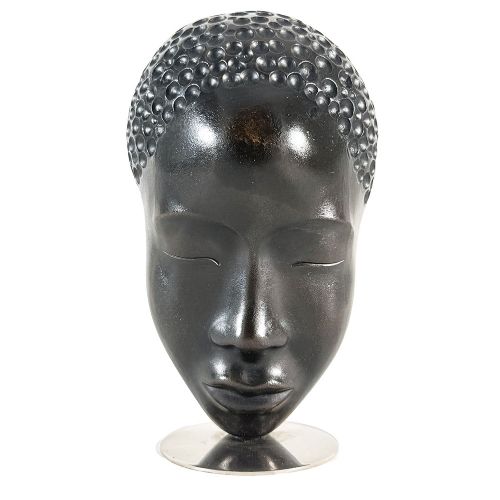
When you search for vintage decorative sculpture, you encounter a diverse range of artistic objects spanning the nineteenth century through the mid-twentieth century. These pieces encompass figurative subjects, animals, architectural ornaments, and theatrical props designed primarily for interior display.
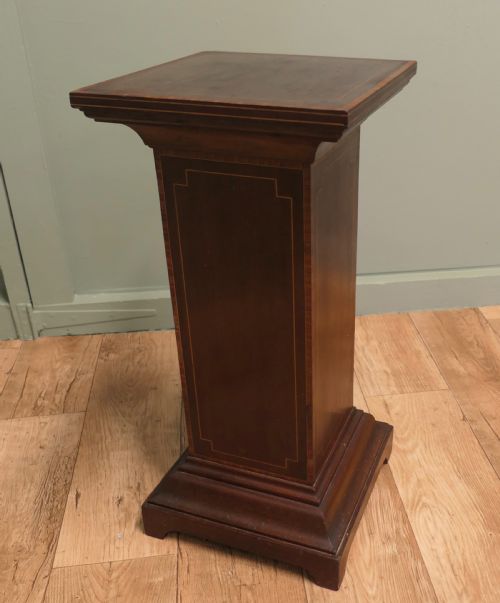
Buyers frequently encounter works rendered in traditional media such as bronze, carved wood, marble, and terracotta. These items function as focal points in domestic interiors, bringing historical depth and sculptural presence to mantelpieces, tables, and pedestals.
How they were made
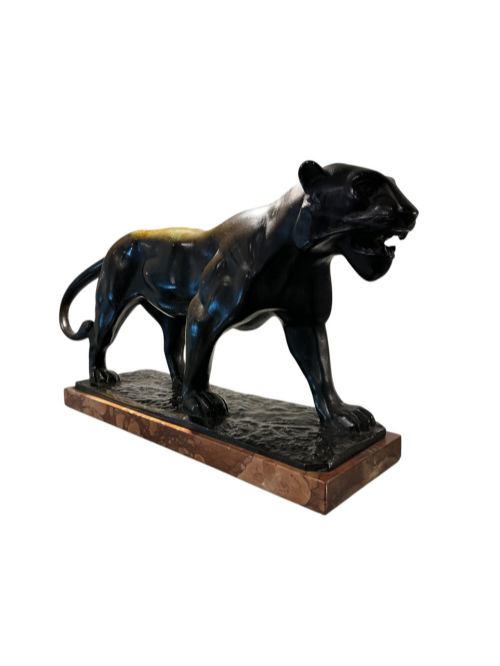
Metal sculptures in this category are commonly produced using the lost-wax casting method for bronze, allowing for intricate detail in figures and animalier subjects. Cold painting is also utilised on bronze surfaces to add polychrome colouration and naturalistic detail.
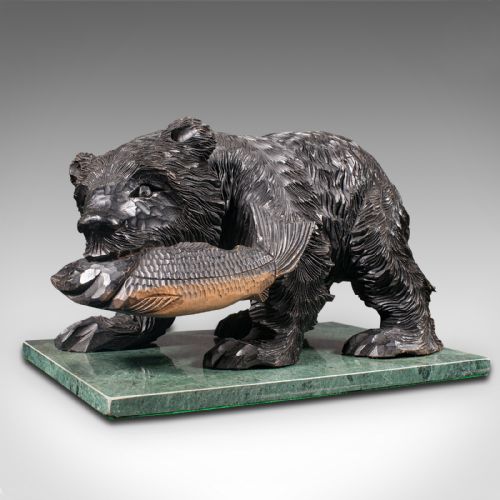
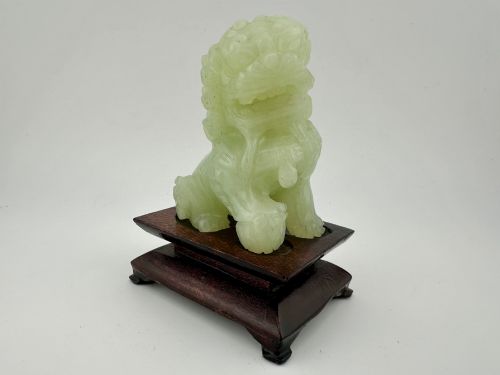
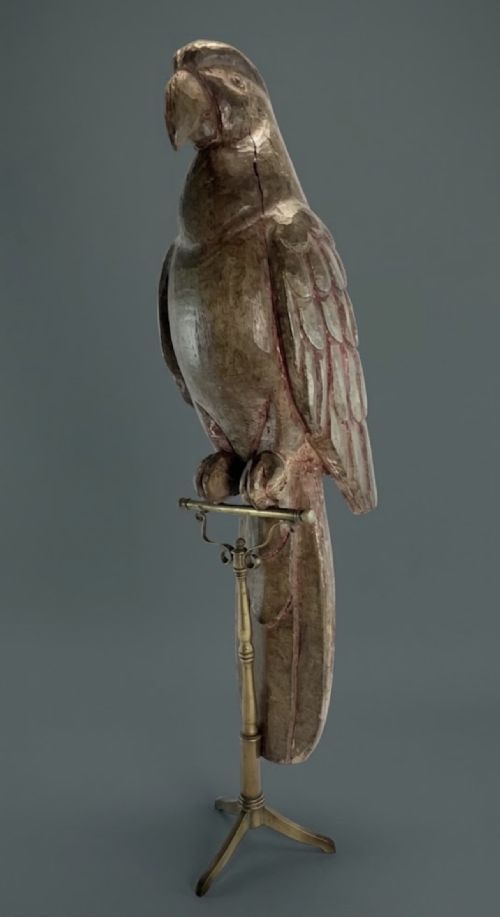
Carved works rely on the direct reduction of natural materials, utilising hard woods, marble, alabaster, and soapstone. Artisans employ hand chisels and abrasive stones to shape the raw medium, frequently finishing wooden surfaces with ebonised treatments or paint.
Moulded compositions incorporate plaster, clay, and terracotta, which are shaped and fired or left to cure before receiving surface finishes such as faux marble or polychrome paint.
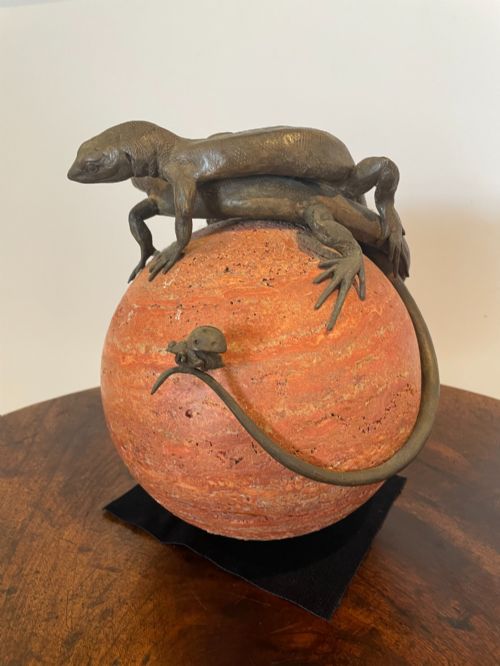
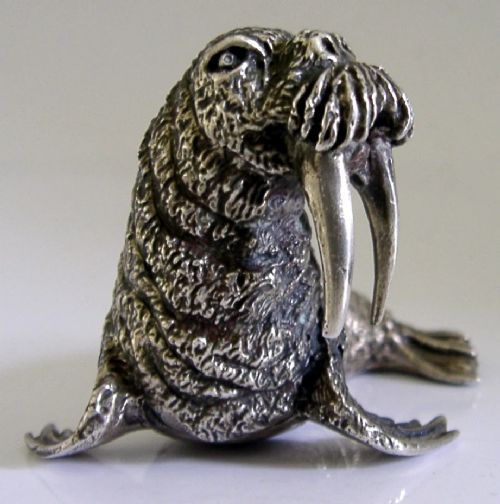
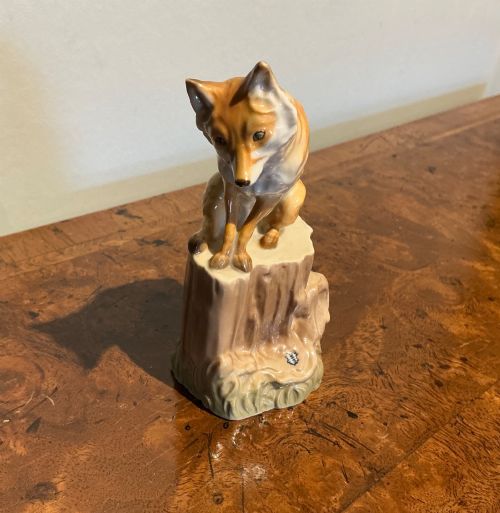
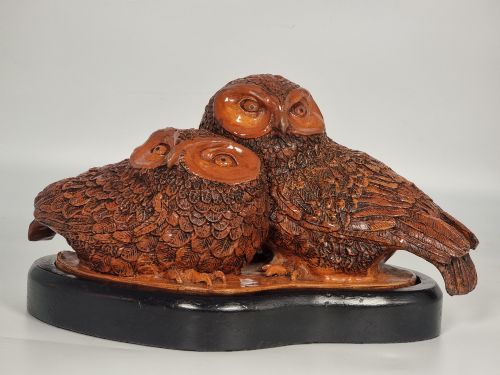
Several animals populate the catalogue, including a silver walrus, ceramic owls, and a stone lizard.
What varies in quality
The standard of modelling and chisel work determines the artistic merit of a piece, separating mechanical reproduction from sensitive hand-finished artistry. Anatomical precision in animal and human figures reflects the skill of the original sculptor.
Material selection dictates the longevity and tactile weight of the object, with dense marbles, patinated bronzes, and dense hardwoods representing superior manufacturing standards. The retention of original surface treatments, such as cold paint or polished patination, preserves the integrity of the work.
Ferdinand Preiss·Antoine Louis Barye·Rene Lalique·G J Lines·Nymphenburg
The Vintage Decorative Sculpture Glossary
- Animalier
- A nineteenth-century artistic movement focused on the realistic depiction of animals, particularly predators and domestic beasts in motion. Sculptors in this tradition studied anatomy closely.
- Cold painted
- A technique where bronze figures are painted with non-heat-set paints, often oil or enamel, applied over a metallic base. This finish is susceptible to flaking over time if handled improperly.
- Patina
- The surface sheen or colouration developed on bronze, wood, or marble through age, oxidation, and handling. Collectors value a stable, undisturbed patina as evidence of authenticity.
- Putto
- A representation of a chubby male child, often winged, derived from classical art and frequently seen in Renaissance and later decorative reliefs and corbels.
- Cloisonne
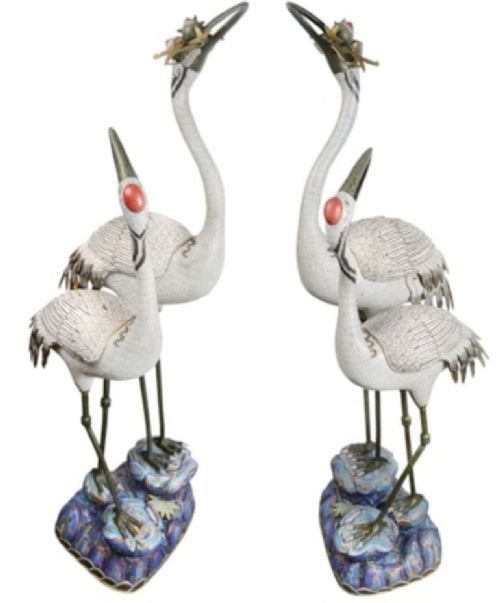
- An ancient metalworking technique employing wire partitions soldered to a base metal to create cells that are filled with enamel paste and fired.
Vintage Decorative Sculpture: Frequently Asked Questions
How do I clean bronze sculptures?
Dust bronze pieces gently with a soft, dry cloth to remove surface particles. Avoid chemical cleaners that can strip the natural patina.
Apply a very thin coat of microcrystalline wax periodically if protection is needed, buffing it off completely with a clean cloth.
Where should I place marble busts?
Position marble busts on sturdy surfaces such as pedestals, heavy tables, or strong sideboards due to their significant weight. Ensure the display area is level to prevent tipping.
Keep marble away from direct heat sources and areas of high moisture to protect the stone from thermal shock and staining.
What is an animalier sculpture?
Animalier sculptures focus primarily on the lifelike portrayal of animals in naturalistic poses or dynamic movement. This genre gained popularity during the nineteenth century, particularly in France.
These pieces often highlight the muscular tension of predators or the quiet stance of domestic creatures, cast in bronze or carved from stone.
How can I date carved wooden figures?
Examine the tool marks left on the underside or back of the wooden figure, as hand-carving implements leave distinct ridges compared to modern machinery. Tool evidence helps establish the period of manufacture.
Check the species of wood used and the nature of any applied finishes, such as ebonising or wax polish, which often correspond to specific historical decades.