
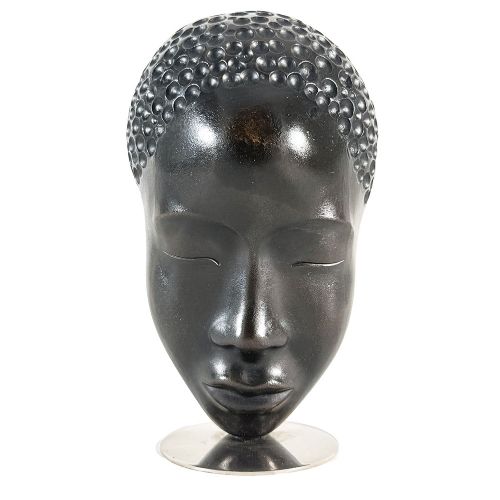


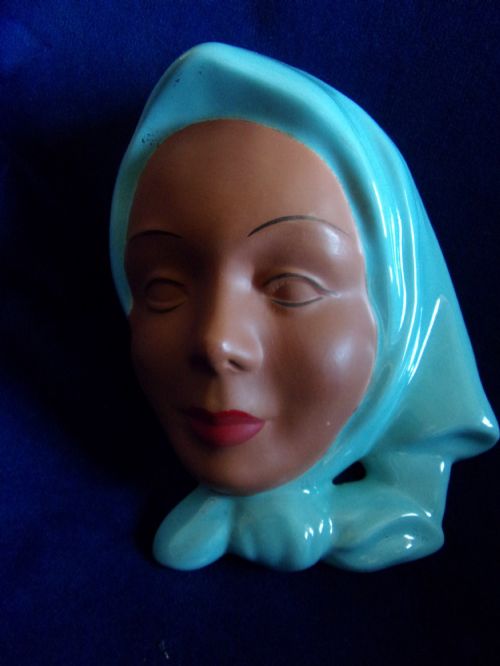


Art Deco Female Bust
These art deco female bust sculptures span shop display mannequins and fine bronze portraiture, offering the sleek modernity collectors seek.
Art Deco Female Bust
An art deco female bust captures the stylised elegance of the early twentieth century through various sculptural mediums. You will encounter commercial shop display pieces alongside signed bronze and terracotta works of art.
The selection ranges from French lingerie advertising mannequins and counter top display busts to Austrian wall masques and carved Indonesian dancers. These pieces reflect both retail history and studio craftsmanship from the 1920s and 1930s.
Earlier Edwardian plaster works sit alongside classic art deco iterations, showing the stylistic transition into clean geometric lines and stylised hair. Most items originate from French workshops or British and European studios.
Materials and Construction
Makers utilised a diverse palette including cast bronze, carved wood, terracotta, and marble for fine art portraiture. Commercial shop displays relied on lighter mediums such as plaster, paint, papier-mâché, and glass.
The selection includes Balinese art deco alongside French and Austrian origins, demonstrating a wide geographical reach of the style.
Assessing Quality
The distinction between commercial display items and gallery sculptures dictates the tier of the piece. Signed works by recorded artists carry greater sculptural depth than anonymous shop mannequins.
Georges-Charles Coudray·Gilbert Privat·Bohumil Rezl·Frankart Inc
The Art Deco Female Bust Glossary
- Mannequin
- A three-dimensional model used for displaying clothing or accessories in retail environments. In this context, they served as sophisticated counter top advertisements.
- Terracotta
- Fired clay used for sculptural works, valued for its ability to capture fine detail before being painted or left in its natural earthy state.
- Patina
- The surface sheen or colour that develops on materials like bronze or wood over time. A good patina indicates age and handling.
Art Deco Female Bust: Frequently Asked Questions
Where were these display busts originally used?
Many of these pieces served as counter top displays or window advertising in European department stores and millinery shops. They were specifically designed to showcase hats, scarves, and lingerie to prospective buyers.
Over time, these commercial items transitioned from retail environments into domestic decorative objects appreciated for their strong stylistic qualities.
How do I distinguish between fine art and shop displays?
Fine art sculptures typically feature artist signatures, foundry marks, or mediums like bronze and marble, created for gallery exhibition or private collections. Shop displays utilise lighter, utilitarian materials such as plaster, papier-mâché, or painted wood.
While both share the aesthetic vocabulary of the era, studio pieces emphasise individual portraiture whereas display pieces focus on functional retail appeal.
Are these pieces suitable for everyday display?
Most sculptures and display busts are robust enough for stable placement on shelves, desks, or mantelpieces. Plaster and papier-mâché items require careful handling to avoid chipping delicate edges.
Keeping them away from direct sunlight and excessive moisture helps preserve the original painted surfaces and delicate patinas.
How can I tell a 1920s piece from a 1930s piece?
Items from the 1920s often retain subtle transitional elements from the Edwardian era, including softer facial contours and traditional portraiture styles. By contrast, 1930s pieces frequently embrace more geometric, angular, and streamlined modernist characteristics.
The materials and manufacturing techniques also align with the prevailing industrial shifts of each respective decade.