





Antique French Alabaster Sculpture
These antique french alabaster sculpture pieces bring tactile softness and classical presence to a room, captured in carved stone.
Antique French Alabaster Sculpture
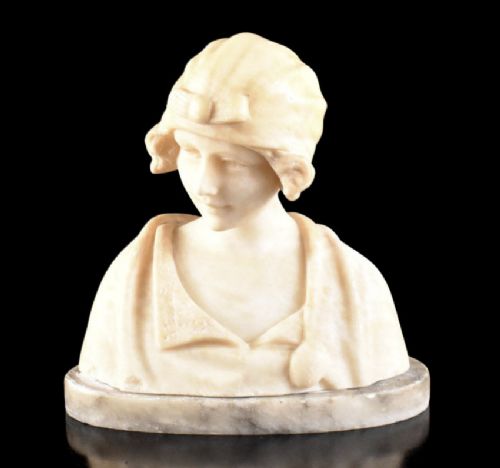
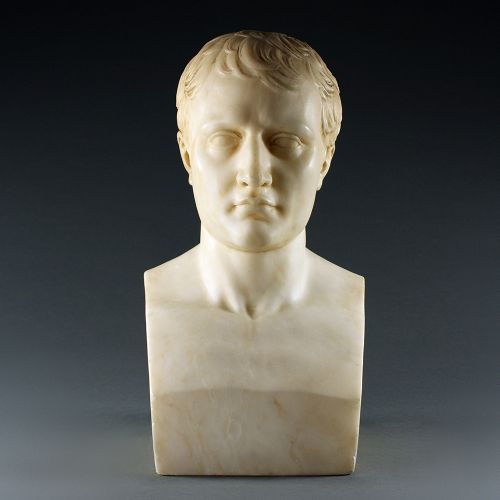
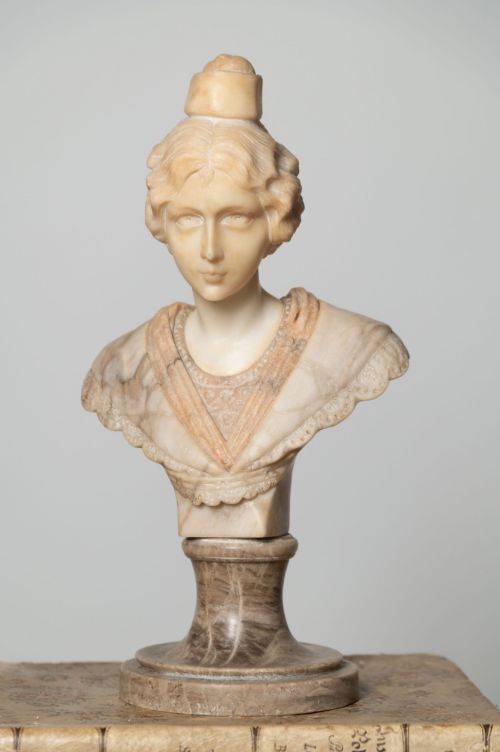
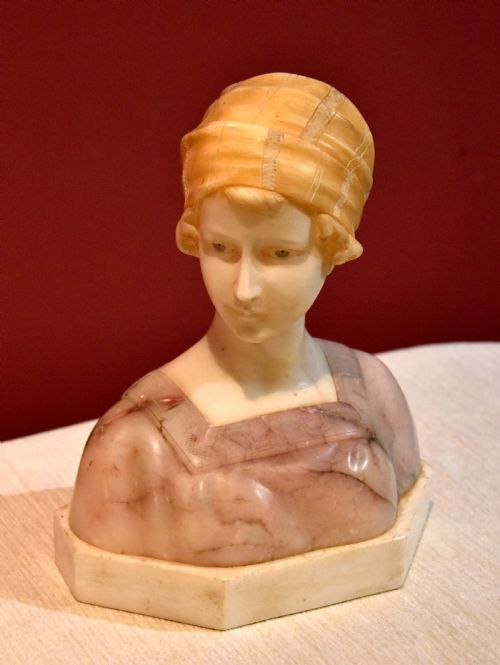
An antique french alabaster sculpture captures the human form with a translucent quality distinct from harder marbles. These pieces range from busts and full figures of young ladies to literary subjects like Mignon, often mounted on stone or marble bases.
The objects on this page emerge primarily from the nineteenth and early twentieth centuries, spanning periods from the eighteen-fifties to nineteen-ten. Alongside standalone statues, buyers encounter functional and decorative items incorporating the material, such as mantel clocks, bookends, and plant stands.
Makers and sculptors represented include Chaudet, Emile Guillemin, Affortunato Gory, Auguste Henri Carli, R. Lusili, Greuze, and Etienne Maurice Falconet. The selection covers French classical revival, neoclassical, art nouveau, and art deco movements.
How they were made
Carvers shaped these sculptures from soft stone, relying on alabaster for its ability to mimic the warmth of human skin. Artisans combined the stone with marble, bronze, gilt bronze, spelter, wood, and glass to create structural contrast and decorative depth.
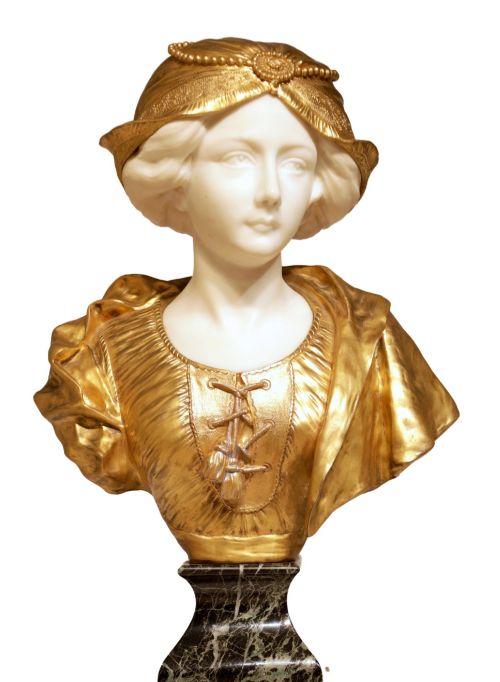
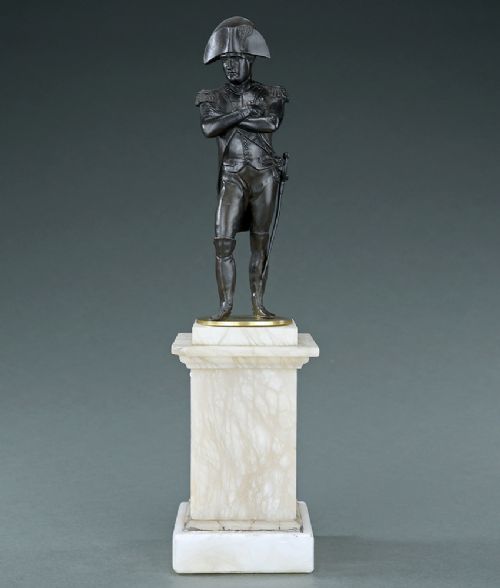
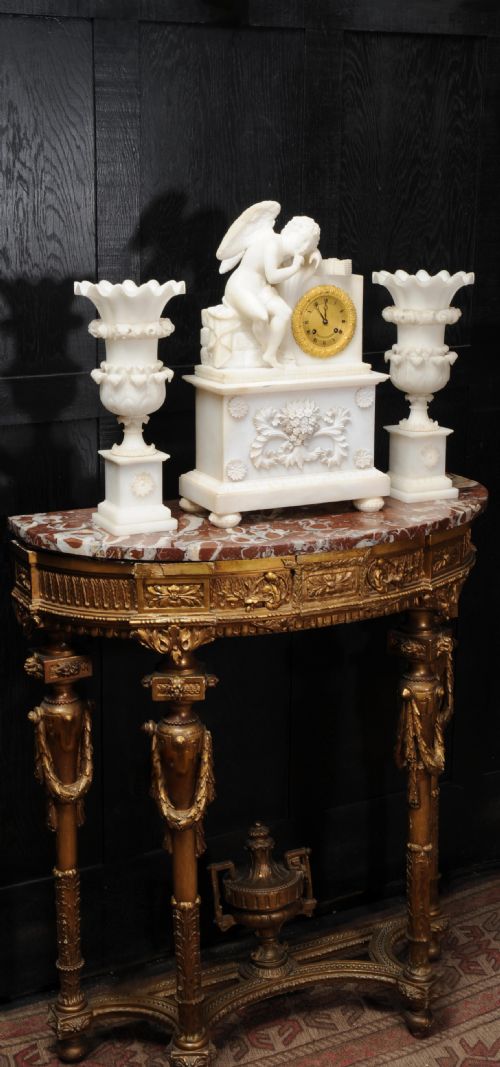
Many works incorporate cast metals alongside carved stone elements, pairing bronze or gilt bronze with alabaster bodies. Mantel clocks integrated carved cases with French movements, while others utilised stone bases to support detailed figures.
Antique French Alabaster Sculpture Retail Price Guide 2026
Typical asking prices for french alabaster sculpture among the pieces listed under this phrase on Sellingantiques today, from the lower quarter to the upper quarter. They describe what is for sale here now, not the wider market.
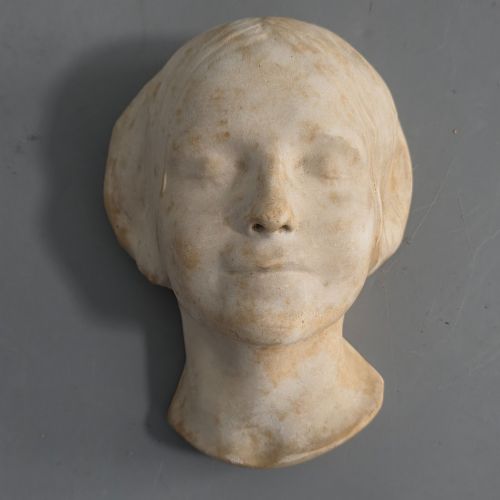
One death mask listed preserves the quiet mystery of an unknown face pulled from the Seine.
What varies in quality
The refinement of the carving distinguishes superior pieces, particularly in the rendering of drapery, hair, and facial expression. Softer stone demands high skill from the carver to maintain crisp details without fracturing the material.
The integration of mixed materials alters the character of a piece, as seen where gilt bronze and marble support the central alabaster carving. Finer works display harmonious proportions between the main figure and any subsidiary base, clock housing, or structural mount.
Affortunato Gory·Auguste Henri Carli·Emile Guillemin·Etienne Maurice Falconet·R. Lusili
The Antique French Alabaster Sculpture Glossary
- Alabaster
- A fine-grained, translucent stone favoured for nineteenth-century sculpture because it takes a smooth polish and simulates flesh. Its softness allows for delicate undercutting in hair and drapery.
- Spelter
- An alloy of zinc and other metals used as a bronze substitute in decorative figures and bases. It accepts patination well but is softer and lighter than true bronze.
- Gilt bronze
- Bronze that has been coated in a layer of gold or gold amalgam for a bright metallic finish. It often accents carved stone figures.
- Neoclassical
- A style drawing inspiration from the classical art and culture of ancient Greece and Rome. It emphasises restraint, symmetry, and classical subject matter.
- Art Nouveau
- A decorative style characterised by fluid, organic lines and floral motifs popular around the turn of the twentieth century. Sculptures from this period frequently depict flowing hair and natural forms.
Antique French Alabaster Sculpture: Frequently Asked Questions
How do I clean alabaster?
Alabaster is a soft and water-soluble stone that requires dry dusting with a soft brush rather than liquid cleaners. Moisture can dissolve the surface and ruin the polished finish.
Keep these sculptures away from humid areas and direct sunlight to preserve their translucent quality over time.
What is the difference between alabaster and marble?
Alabaster is significantly softer than marble and possesses a greater degree of natural translucency. This allows light to penetrate slightly below the surface, giving carved figures a warm glow.
Marble is harder, less translucent, and better suited to exterior or heavy-wear architectural applications.
Are these clocks still working?
Many nineteenth-century mantel clocks feature French movements housed within stone or marble cases. Operational status varies by individual piece and historical maintenance.
Buyers should consult specific listings or professional clockmakers for details on the mechanical condition of individual timepieces.
How do I date a French sculpture?
Dating relies on stylistic markers, signatures, and the materials combined with the stone. Art Nouveau pieces often feature flowing organic lines associated with the turn of the twentieth century.
Earlier nineteenth-century works frequently adhere to classical revival or neoclassical traditions with more rigid, formal compositions.