


1930s Art Deco Bust
These 1930s art deco bust pieces capture the sleek, stylised forms of the interwar period, offering collectors striking sculptural character and period display appeal.
1930s Art Deco Bust
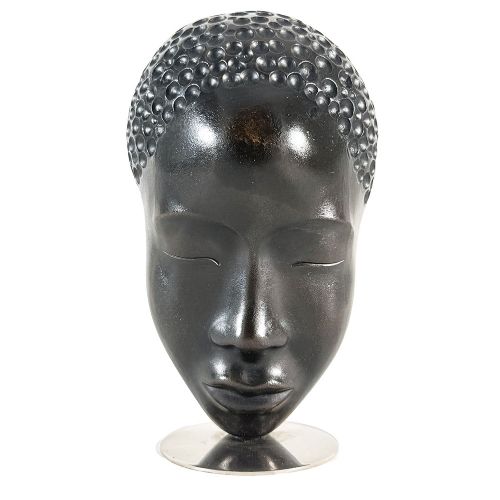
When you search for a 1930s art deco bust, you encounter a diverse array of sculptural forms ranging from French advertising mannequins to Balinese dancer wall masques and ceramic figurines. These objects capture the distinct aesthetic of the interwar years, translating the glamour and modernism of the decade into three dimensions.
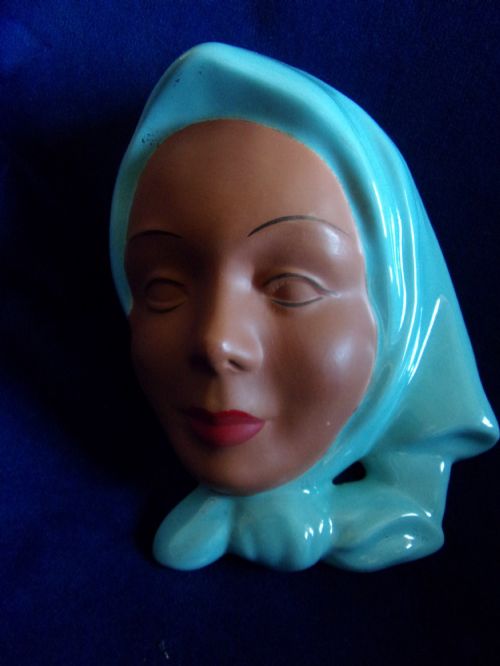
The pieces on this page are most frequently encountered as shop display mannequins, wall sculptures, and decorative ceramic or terracotta figures. Originating predominantly from French studios, Austrian potteries, and German manufacturers, these works reflect the international spread of the style.
Subjects span from European flappers and stylized female portraits to Indonesian dancers and Balinese art deco figures. Whether mounted on stands for counter display or designed as wall masks, each object serves as a direct artefact of 1930s design culture.
Materials and construction
Plaster and painted plaster versions, often utilised for shop display mannequins and wall masques, relied on moulded construction followed by hand-finishing and painting. Wooden examples display direct carving techniques, yielding substantial decorative sculptures with distinct surface grain and pigment.
Surface treatments combine bare material textures with painted highlights, gloss glazes, and specialised finishes. These combined techniques defined the visual depth and theatrical presence expected of art deco display pieces.
The documented forms range from functional retail mannequin busts and powder puff dolls to decorative wall masques and free-standing sculptures.
Assessing quality and execution
Quality in these sculptures rests upon the strength of the modelling and the precision of the facial expression. Superior pieces demonstrate confident handling of the clay, plaster, or wood, capturing clean geometric lines and elegant facial contours without stiffness.
Original surface finishes and authentic period paintwork heavily influence the desirability of a piece. Examples retaining their untouched original painted details or glazes present greater integrity than those with heavy overpainting or obscured surface textures.
The renown of the maker or studio also distinguishes the work. Sculptures bearing signatures from established modellers or marks from recognised factories demonstrate superior artistic conception compared to anonymous mass-produced store displays.
Gilbert Privat·Fasold and Stuach·Bohumil Rezl·Gmundner
The 1930s Art Deco Bust Glossary
- Terracotta
- A porous reddish-brown earthenware clay that is fired and frequently painted or glazed. It serves as a primary medium for sculptural busts and figures of the period.
- Wall Masque
- A decorative sculptural mask designed specifically for mounting on a wall. These pieces often depict stylized human faces with distinct period coiffures and expressions.
- Powder Puff Doll
- A decorative boudoir figurine featuring a removable top or integrated compartment designed to hold cosmetic powder puffs. They were popular dressing table accessories during the interwar era.
- Earthenware
- Pottery fired at relatively low temperatures, resulting in a porous body that requires a glaze or paint layer to become impermeable. It forms the base of many ceramic figurines from this decade.
1930s Art Deco Bust: Frequently Asked Questions
How were shop mannequin busts used?
Shop mannequin busts served as functional counter-top and window displays in interwar retail premises. Retailers utilised them to exhibit millinery, jewellery, and cosmetics to passing customers.
Today, these display pieces transition easily into domestic interiors, where they continue to function as striking decorative sculptures on shelves or tables.
Where should I place a wall masque?
Wall masques require a secure wall fixing due to their weight, particularly ceramic and plaster examples. They work effectively as focal points in hallways, living rooms, or bedrooms.
Positioning them away from direct moisture helps preserve the original painted surfaces and prevents degradation of the plaster or terracotta bodies.
How do I distinguish terracotta from plaster?
Terracotta possesses a heavier, denser feel and exhibits a reddish-brown earthenware body beneath any surface paint. It results from a high-temperature kiln firing process.
Plaster is generally lighter in weight and shows a white or chalky material composition if the painted or sealed outer layer sustains a chip.
Are powder puff dolls rare?
Powder puff dolls survive in varying quantities, with specific branded examples and intact stands attracting considerable collector interest. Their survival rate is influenced by their delicate ceramic and fabric components.
Displaying them in stable environments protects the fragile painted details and any remaining cosmetic elements from unnecessary wear.