


Vintage Decorative Oil Lamp
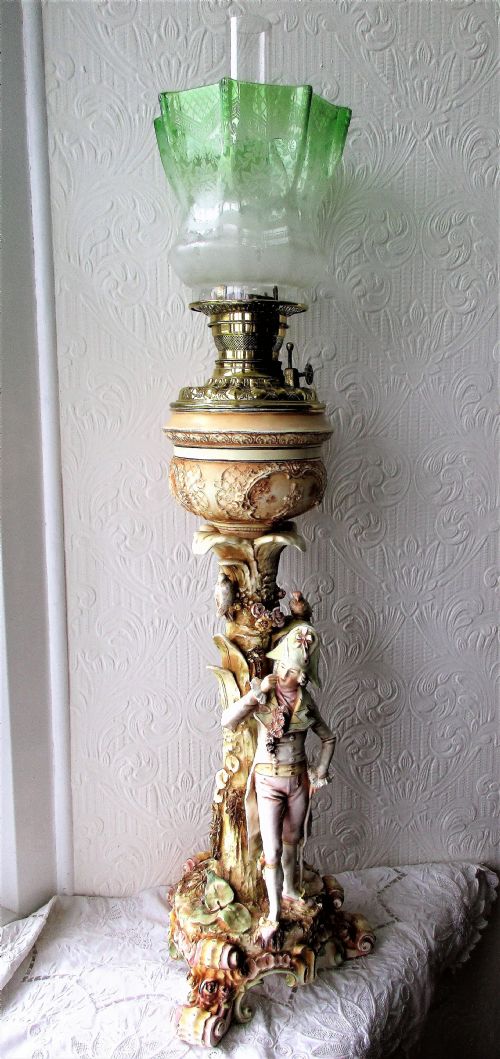
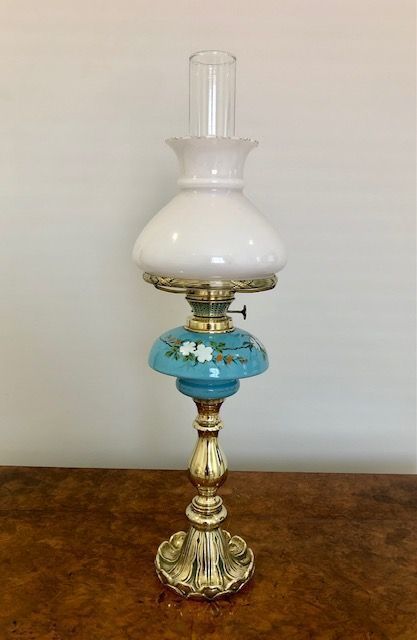
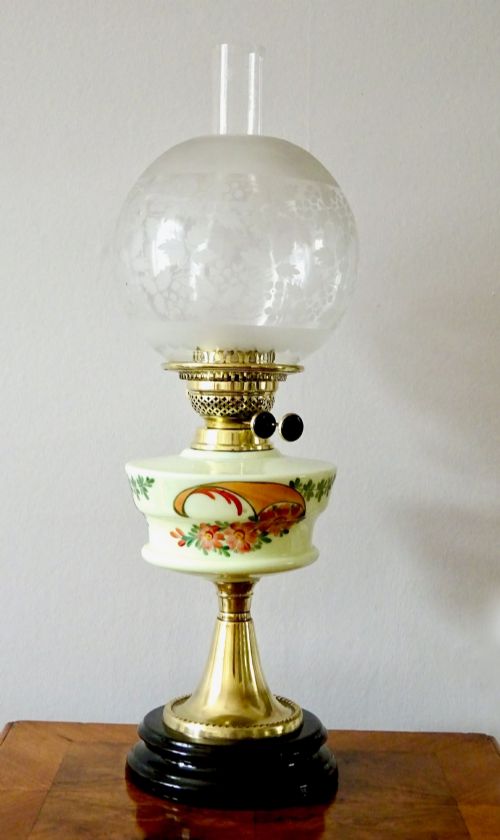
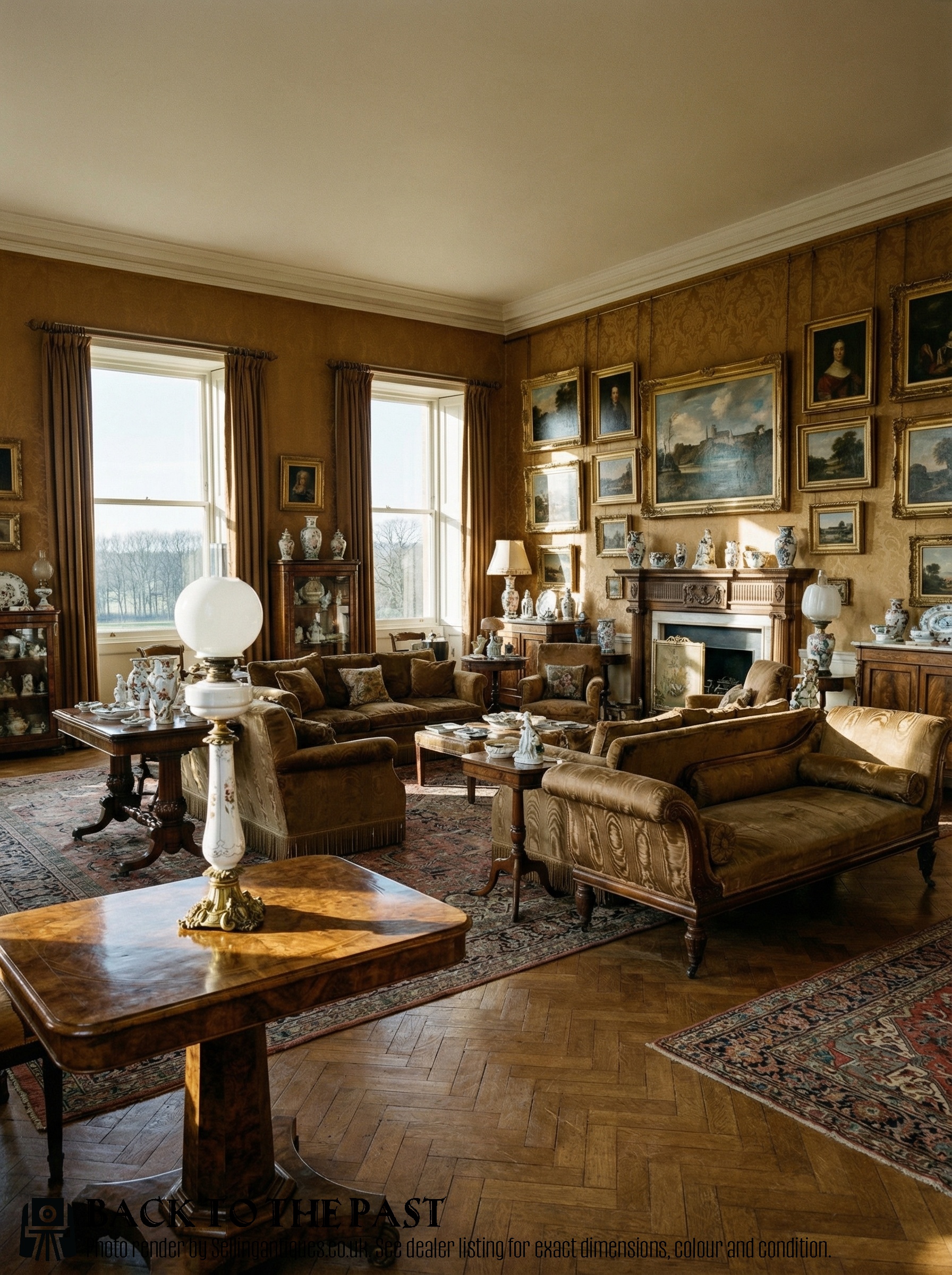
These vintage decorative oil lamp examples bring nineteenth and early twentieth century warmth and tactile colour to a modern room.
Vintage Decorative Oil Lamp
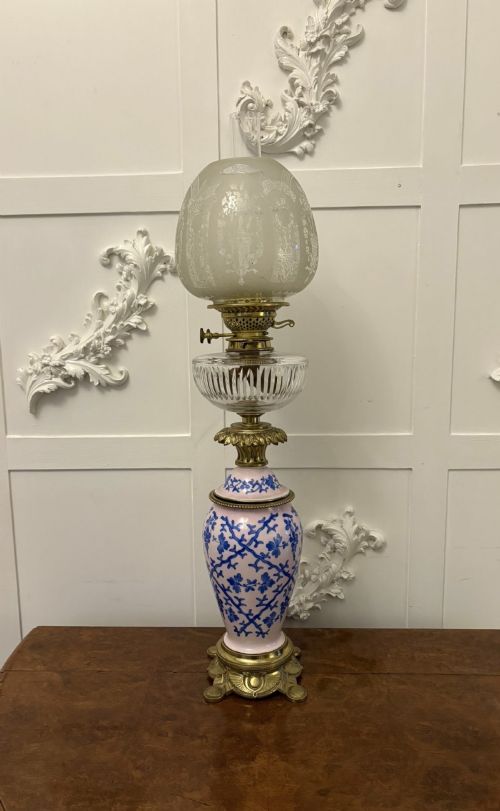
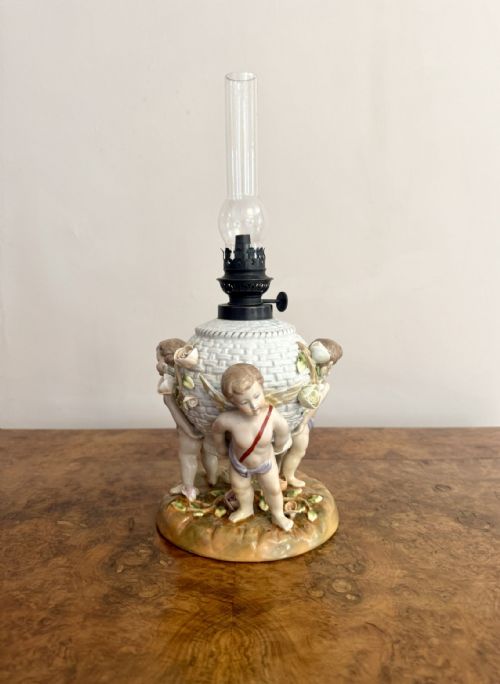
When you search for a vintage decorative oil lamp, you encounter table lights that survive from the Victorian, Edwardian, and Art Nouveau periods, spanning the nineteenth and early twentieth centuries. These pieces combine functional illumination from an earlier era with sculptural presence, often taking the form of column lamps or figural designs.
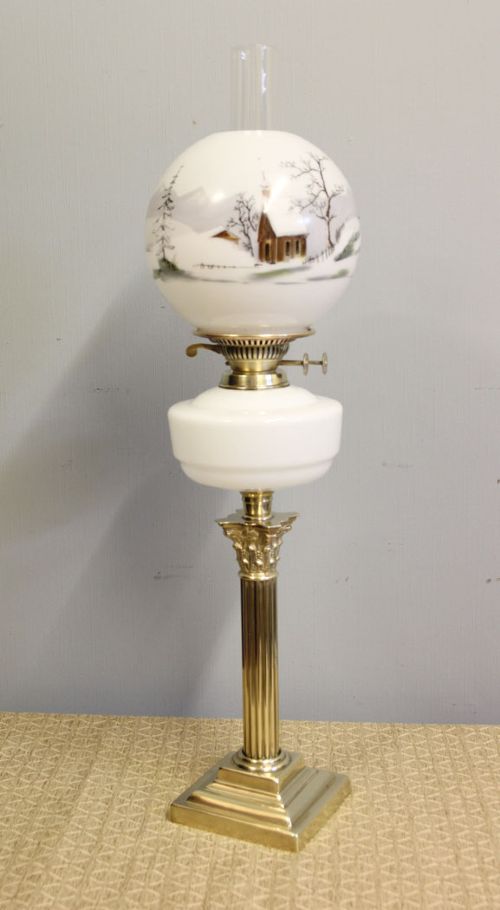
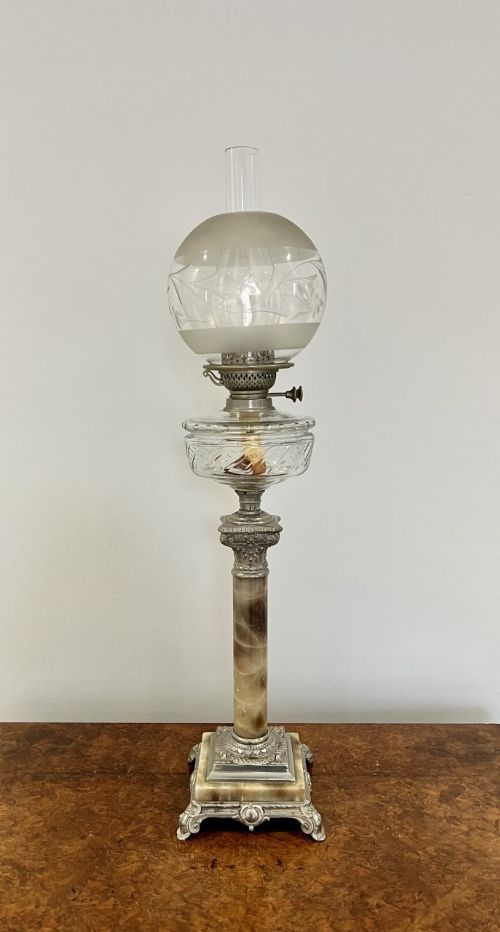
The versions you are most likely to meet on this page utilise a mix of materials such as brass, glass, porcelain, ceramic, opaline glass, milk glass, onyx, and ebonised wood. Many combine a metal or ceramic base with a contrasting font and a decorative glass shade, sometimes featuring hand-painted details, winter scenes, or etched patterns.
Materials and construction
The construction of these pieces relies on combining heavy structural metals like brass and bronze with delicate ceramic or glass components. Makers paired robust columns of brass or polished onyx with porcelain bowls and delicate opaline or milk glass shades.
Artisans applied surface decoration through painting, gilding, and enamelling directly onto porcelain and faience bodies. Metal components show cast and turned brass work, while glass shades display etched motifs and coloured tints.
Materials recorded on this page include brass, porcelain, onyx, opaline glass, milk glass, faience, and ebonised wood.
What separates the fine from the ordinary
Quality rests in the weight of the materials and the ambition of the manufacture, distinguishing standard domestic brass from sculptural porcelain or figural compositions. Pieces attributed to specific known potteries like Sitzendorf or those incorporating complex materials such as onyx and ebonised wood stand apart through their material presence.
The artistic merit of the painted bowls and etched shades dictates the visual success of the piece. Fine examples balance the proportions of the font and shade against the stability of the column or ceramic base.
Sitzendorf
The Vintage Decorative Oil Lamp Glossary
- Opaline glass
- A pale, translucent glass with a milky appearance, frequently used for shades and fonts during the nineteenth century.
- Faience
- Tin-glazed earthenware, often richly enamelled and decorated in the Art Nouveau taste.
- Corinthian column
- A classical architectural column style featuring an ornate capital decorated with acanthus leaves, frequently adopted for brass table lamps.
Vintage Decorative Oil Lamp: Frequently Asked Questions
How do I date a vintage decorative oil lamp?
Dating relies on identifying the stylistic markers of the Victorian, Edwardian, or Art Nouveau periods alongside the materials employed. Architectural forms like Corinthian columns and figural porcelain bodies typically point to the nineteenth century.
Later pieces often incorporate simpler transitional designs spanning into the early twentieth century. Examining the construction of the brass mounts and the type of glass helps confirm the era of manufacture.
Can I still burn oil in these lamps?
Most of these pieces are now collected and displayed as decorative table lamps rather than utilised for practical illumination. Many have been historically converted to electric light for safety and convenience in modern interiors.
If you intend to use oil, the burner mechanism and wick assembly require careful inspection by a specialist. Preserving the original glass shades and painted fonts generally takes priority over functional restoration.
How do I clean a glass shade safely?
Cleaning requires warm water and mild soap, avoiding harsh abrasives that might damage hand-painted details or etched motifs. Detach the shade completely from the lamp body before washing to prevent accidental slips.
Allow the glass to dry thoroughly before returning it to the brass or porcelain collar. Painted and enamelled surfaces demand particular care during handling.
What is the difference between opaline and milk glass?
Opaline glass possesses a subtle translucency and often displays soft pastel tints when held to the light. It was widely utilised for decorative Victorian tableware and lighting components.
Milk glass is an opaque, solid white glass that lacks the characteristic translucency of opaline. Both materials provide a striking contrast against brass columns and ceramic fonts.