
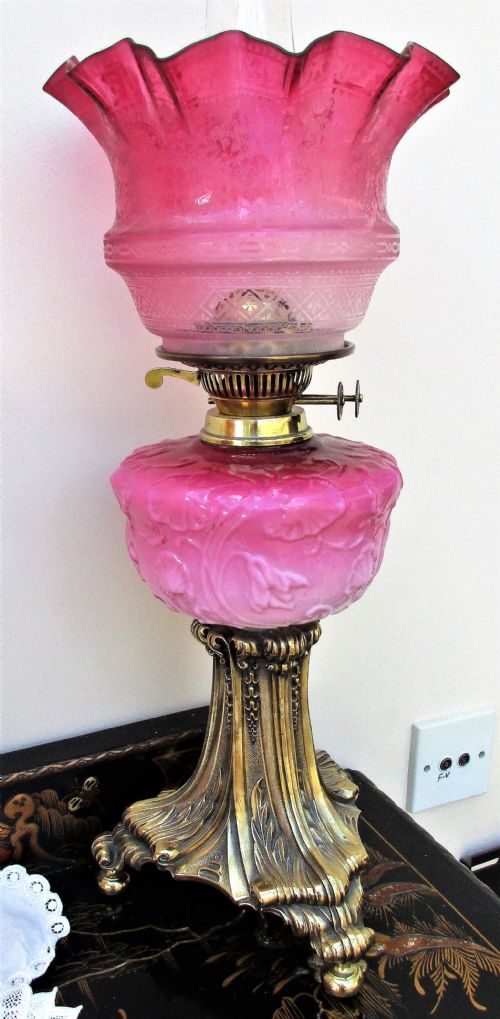


Cast Brass Oil Lamp
A cast brass oil lamp brings heavy metal structure and warm ambient light to a room, drawing collectors of period lighting.
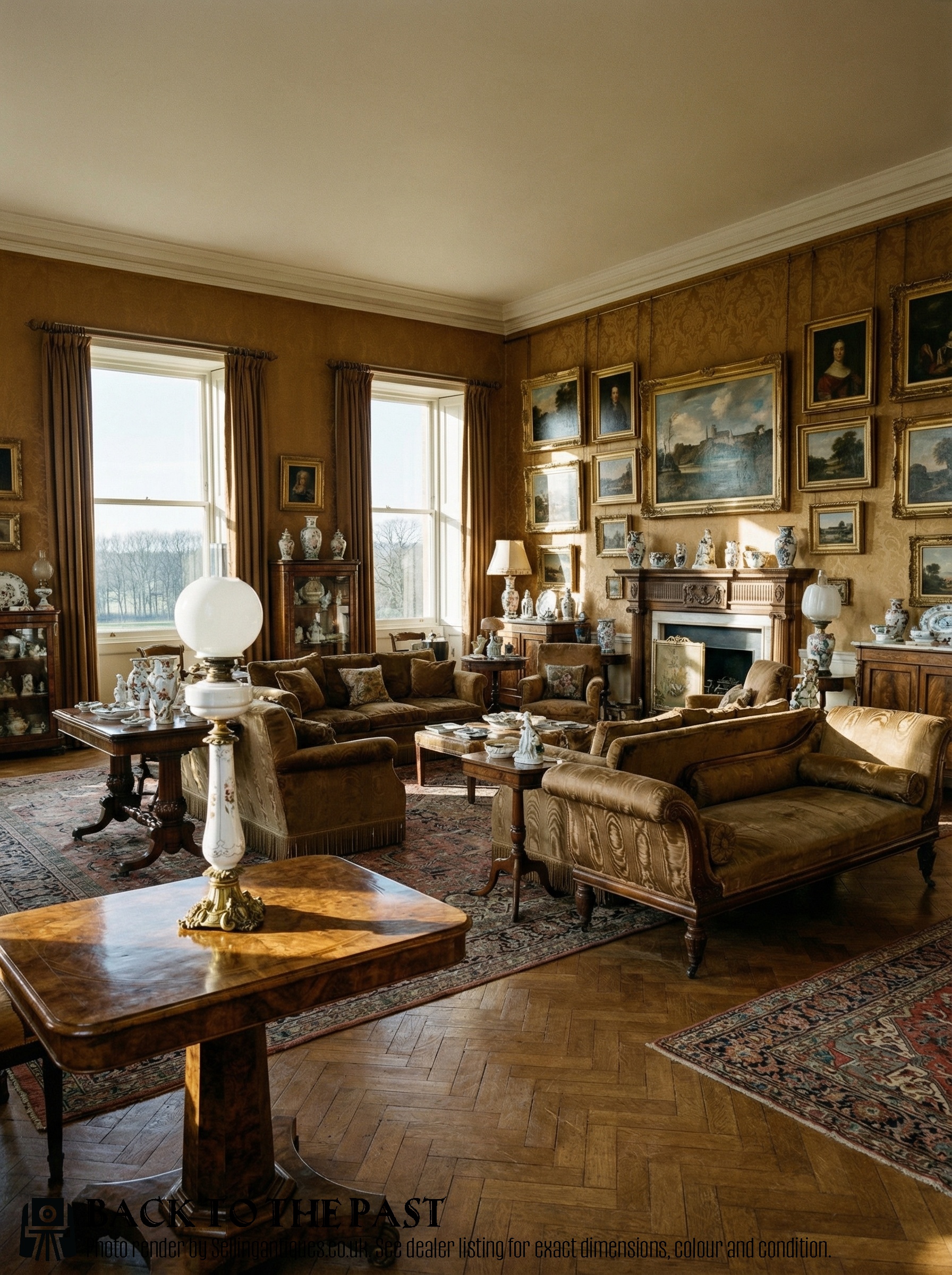
Cast Brass Oil Lamp
A cast brass oil lamp combines sturdy metal bases with functional lighting reservoirs, spanning Victorian, Art Nouveau, and Italian origins. These pieces range from simple cottage table lamps to monumental column designs incorporating heavy cast metal and detailed figures.
The Victorian period dominates the selections, often pairing heavy cast brass with contrasting materials like cranberry glass, opaline, or faience. Collectors encounter both original oil-burning configurations and examples converted to electricity for modern interior use.
Materials and construction methods
Foundries utilised casting techniques to shape substantial brass and bronze components, creating rigid columns, decorative capitals, and stable weighted bases. Cast iron elements occasionally appear in structural supports or figural bases depicting animals.
Reservoirs integrate blown glass, cut glass, opaline, or ceramics into the metal framework. Enamelling and applied detailing finish the decorative surfaces of later Victorian and Art Nouveau examples.
Cast Brass Oil Lamp Retail Price Guide 2026
Typical asking prices for cast brass oil lamp among the pieces listed under this phrase on Sellingantiques today, from the lower quarter to the upper quarter. They describe what is for sale here now, not the wider market.
Materials appearing across the inventory include cast brass, bronze, cast iron, cranberry glass, opaline, and faience ceramics.
Assessing quality and craftsmanship
The crispness of the casting defines the upper tier of these pieces, showing sharp detailing in architectural capitals, Corinthian orders, or figural elements. Softer contours and simplified junctions indicate standard commercial production.
Material combination and weight separate standard lamps from superior examples. Heavy gauge brass, substantial bronze, and undamaged coloured or cut glass reservoirs elevate the standing of a piece within the historical range.
JOSEPH HINKS·Hinks
The Cast Brass Oil Lamp Glossary
- Cast brass
- Molten brass poured into a mould to create rigid structural parts and decorative metalwork. This technique allows for intricate relief work and heavy, stable forms.
- Reservoir
- The vessel that holds the fuel or paraffin within the lamp body. It is frequently removable and made of glass, ceramic, or metal.
- Corinthian capital
- An ornate architectural column top decorated with acanthus leaves. This motif appears frequently on the cast brass columns of Victorian table lamps.
- Faience
- Tin-glazed earthenware used as a body material alongside metal mounts. It introduces colourful painted patterns to the lamp structure.
Cast Brass Oil Lamp: Frequently Asked Questions
What is a cast brass oil lamp?
A cast brass oil lamp is a historical lighting device featuring a metal base and a fuel reservoir, often adapted for modern electrical use.
These pieces reflect nineteenth-century interior styles, combining utilitarian function with decorative metalwork and glass components.
How do I identify a Victorian oil lamp?
Victorian examples typically display heavy cast brass construction, sometimes incorporating column forms, figural elements, or coloured glass bodies.
Stylistic cues range from ornate classical revival details to later Art Nouveau enamelling and structural variants.
Were these lamps converted to electricity?
Many surviving lamps have undergone conversion from oil or paraffin burning to electricity for contemporary household use.
This adaptation preserves the decorative metal and glass body while updating the functional lighting mechanism.
What materials accompany the brass?
Makers frequently paired cast brass with glass, including cranberry glass, opaline, and cut crystal reservoirs.
Bronze, cast iron, and faience ceramics also appear in structural bases and decorative bodies across the historical periods.